Location
Mount Vernon, WA 98274

Location
Mount Vernon, WA 98274
A growing wave of travelers is reshaping tourism by weaving community projects, environmental restoration, and cultural exchange into their itineraries. From coral reef citizen science dives to village cooking workshops, purpose-led adventures are turning every mile into meaningful impact.
In destinations from remote coastlines to mountain hamlets, a new breed of traveler is emerging-one whose suitcase is packed not just with clothes and cameras but with tools for positive change. Across the globe, purpose-driven journeys are moving beyond volunteer tourism and eco-certifications toward authentic partnerships with local communities and ecosystems. Recent figures from the United Nations World Tourism Organization show that demand for sustainable and community-centered travel experiences climbed by 18 percent last year, signaling a shift in the industry. What used to be niche voluntourism has exploded into a mainstream preference among millennials and Gen Z travelers, as well as seasoned explorers seeking deeper engagement.
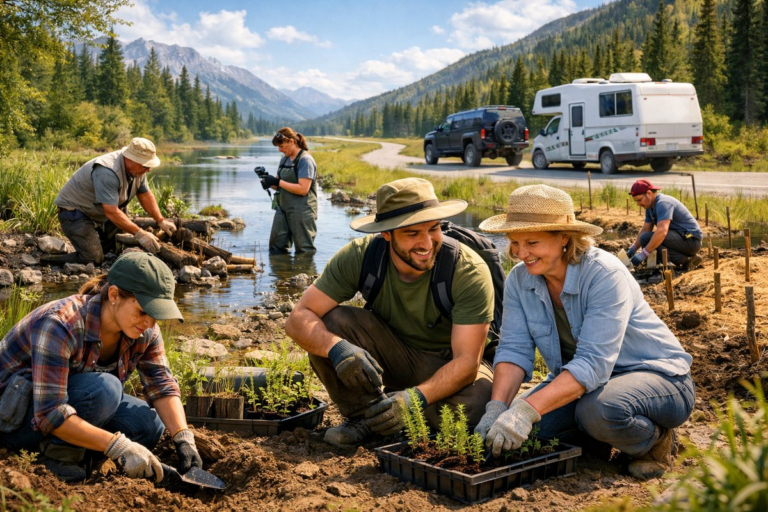
One standout example unfolds along the Pacific Northwest’s rural coastal highways, where a coalition of travelers, scientists, and local fishers teamed up to restore oyster reefs decimated by habitat loss. Participants navigated winding gravel roads, stopping at roadside packing houses to learn about sustainable harvesting techniques before heading out on charter boats. Over three days, citizen scientists measured water acidity, planted hatchery-grown spat, and recorded data for a regional marine institute. “It was a hands-on lesson in co-dependency-the ocean supports us, and we support the ocean,” said one volunteer. The project has already reported a 12 percent uptick in juvenile oyster survival rates, thanks in part to data contributed by guests who would otherwise have been casual tourists.
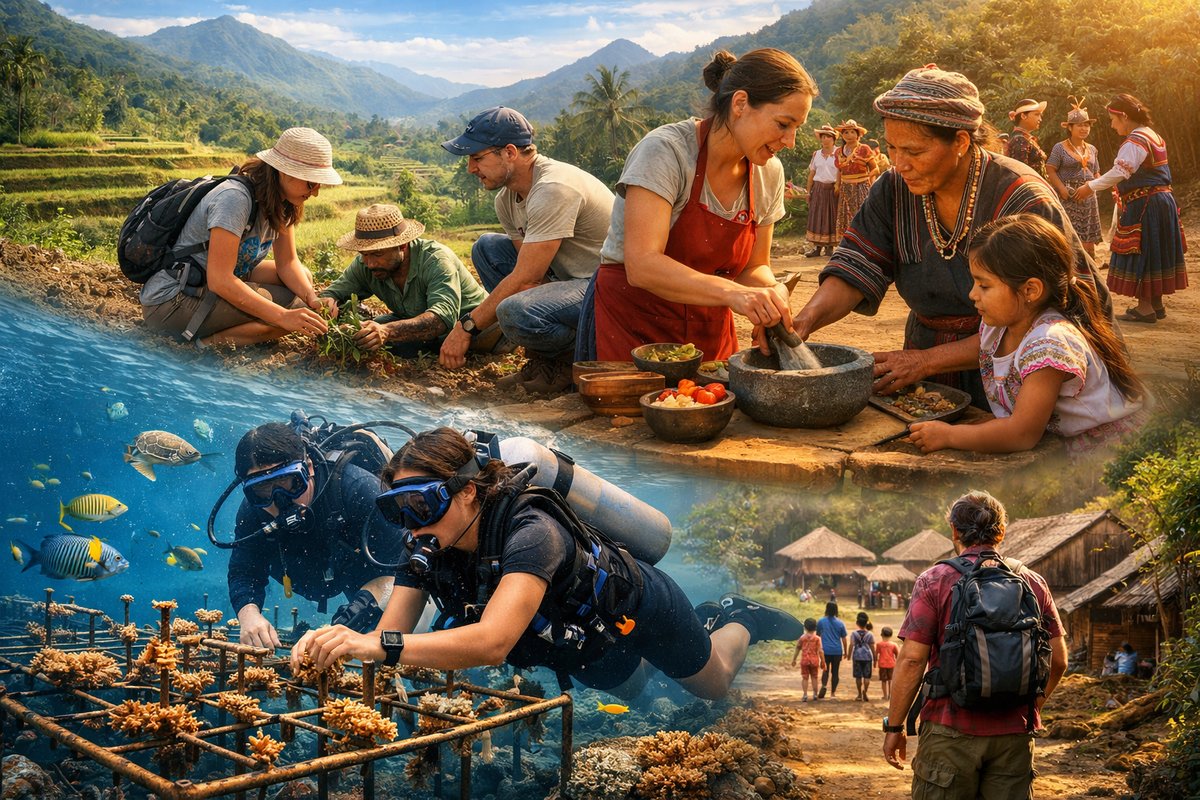
In North Africa, a similar spirit has taken root in the medina quarters of Marrakech. Local guides organized a series of community cooking workshops, where visitors gather to harvest vegetables from a bio-intensive rooftop garden established by a women’s cooperative. With mortar and pestle in hand, travelers grind preserved lemons and spices for tangy tagines, all the while hearing stories of entrepreneurial resilience. Part of the workshop fee directly funds microloans for members who reinvest profits into affordable housing and education programs. Anecdotal reports suggest that nearly 300 guests in the past six months have collectively injected over $15,000 into neighborhood initiatives, sparking local pride and wider interest in urban farming.
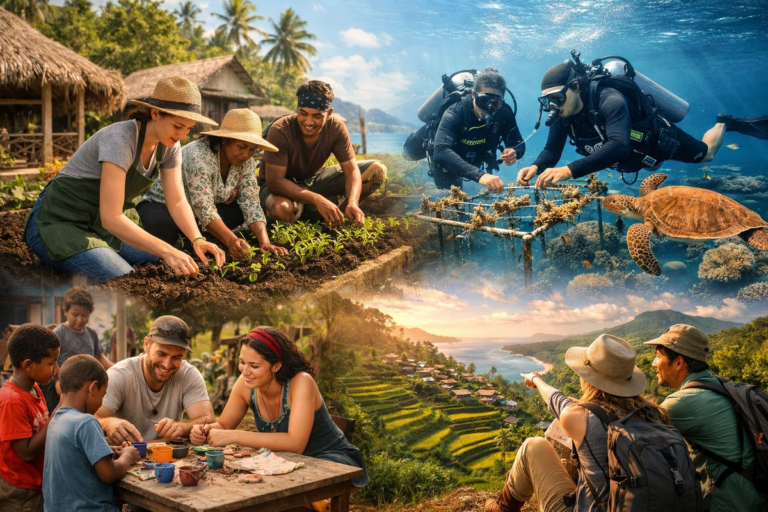
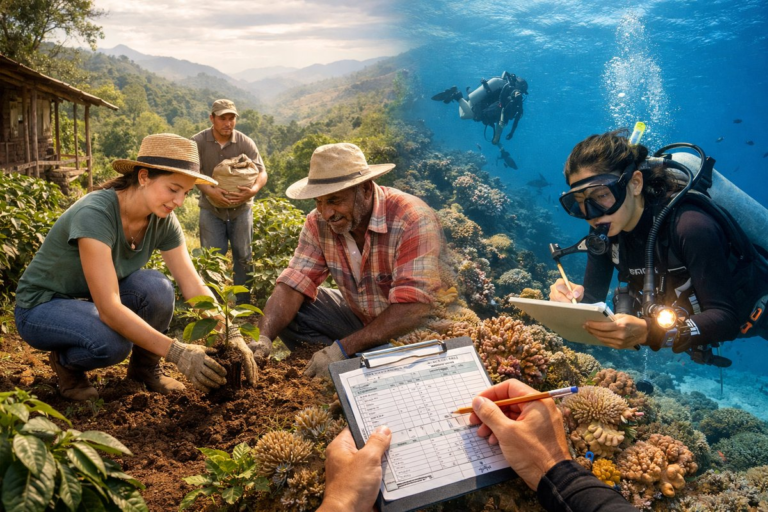
Meanwhile, off the northern coast of Australia, marine conservation centers are recruiting scuba-certified volunteers to monitor coral health. Participants learn to identify bleaching patterns, photograph reef sections, and track fish populations, generating time-stamped records that feed into a global climate-change database. While recreational dives once focused solely on sightseeing, these expert-led excursions now emphasize reef restoration and community-based tourism. Notably, bookings for conservation-oriented dive packages rose by 24 percent year over year, according to operators in Cairns and Port Douglas. Many divers say they return home with a heightened sense of responsibility and concrete skills that inform their activism.
Beyond coastal conservation, the Carpathian Mountains of Romania are hosting travelers who combine remote-work setups with rural revitalization. Digital nomads lease century-old stone cottages, equipped with high-speed satellite internet donated by nonprofit partners, in exchange for volunteering at beekeeping cooperatives or trail-renewal crews. The initiative addresses both depopulation in mountain villages and the growing appetite for immersive work-travel experiences. As one organizer explained, “We’re reweaving social fabric-connecting remote professionals with grassroots stewardship efforts that might otherwise lack manpower.” Early surveys show a 30 percent increase in seasonal employment for local youth and emerging apprenticeships in sustainable forestry.
What’s driving this movement? Interviews with tour operators, community leaders, and travelers suggest three main forces. First is climate anxiety: more visitors feel compelled to offset their carbon footprints by contributing tangible benefits on the ground. Second is the demand for authentic narratives-travelers crave stories of transformation that go beyond postcard snapshots. Third is the democratization of impact tools: apps and digital platforms now match volunteers with vetted projects, insure transparent funds transfers, and gather real-time data for host organizations.
Industry stakeholders are taking note. Major hotel groups are piloting “impact stays” where a portion of room rates funds local environmental or social ventures. Airlines are experimenting with linked offsets that allow passengers to direct contributions toward specific protected-area projects. Online booking platforms are flagging regenerative experiences as a separate category, making them easier to discover. Even travel insurance providers now offer add-ons covering equipment loans for conservation work and liability waivers for hands-on volunteering.
Yet scaling purposeful travel raises complex questions. How can operators ensure community consent and avoid dependency? What safeguards are needed to prevent short-term volunteers from disrupting local economies or ecosystems? Experts warn of the pitfalls of commodifying aid: if every guest is automatically labeled a “giver,” host communities risk losing agency. To address these concerns, several nonprofits have developed ethical guidelines and accreditation standards that prioritize co-design, cultural sensitivity training, and long-term monitoring.
For travelers inspired to join the movement, experts offer practical advice. Start by researching host organizations’ track records and reading independent impact reports. Seek programs that cap volunteer group sizes to minimize footprint. Choose ventures that address root causes rather than symptoms-reforestation projects tied to watershed management, for instance, or digital-literacy workshops that build local capacity. Be transparent about your skills and limitations, and remain open to learning from community members. Finally, plan logistics that support low-impact travel: combine regenerative stays with public transport or carbon-neutral operators whenever possible.
As travel rebounds from global disruptions, purpose-led journeys are shedding the stereotype of well-intentioned outsiders swooping in for a quick fix. Instead, they are fostering lasting collaborations that empower hosts and travelers alike. From oyster reef restoration in the Pacific Northwest to digital-nomad cooperatives in Eastern Europe, these itineraries prove that tourism can be a force for good when guided by thoughtful design and mutual respect. For anyone plotting a weekend getaway or a bucket-list expedition, the challenge is clear: aim for more than memories. Seek an itinerary where every activity leaves a net positive imprint on people and planet.
Travel, after all, is rarely a one-way street. With regenerative and community-centered models gaining traction, the next wave of stories may well be about how destinations embraced visitors as allies in forging a more equitable and resilient world. Whether you’re volunteering on the reef, simmering tagines in an urban oasis, or mapping mountain trails, the path ahead is less about the places you visit and more about the impact you leave behind.