Location
Mount Vernon, WA 98274

Location
Mount Vernon, WA 98274
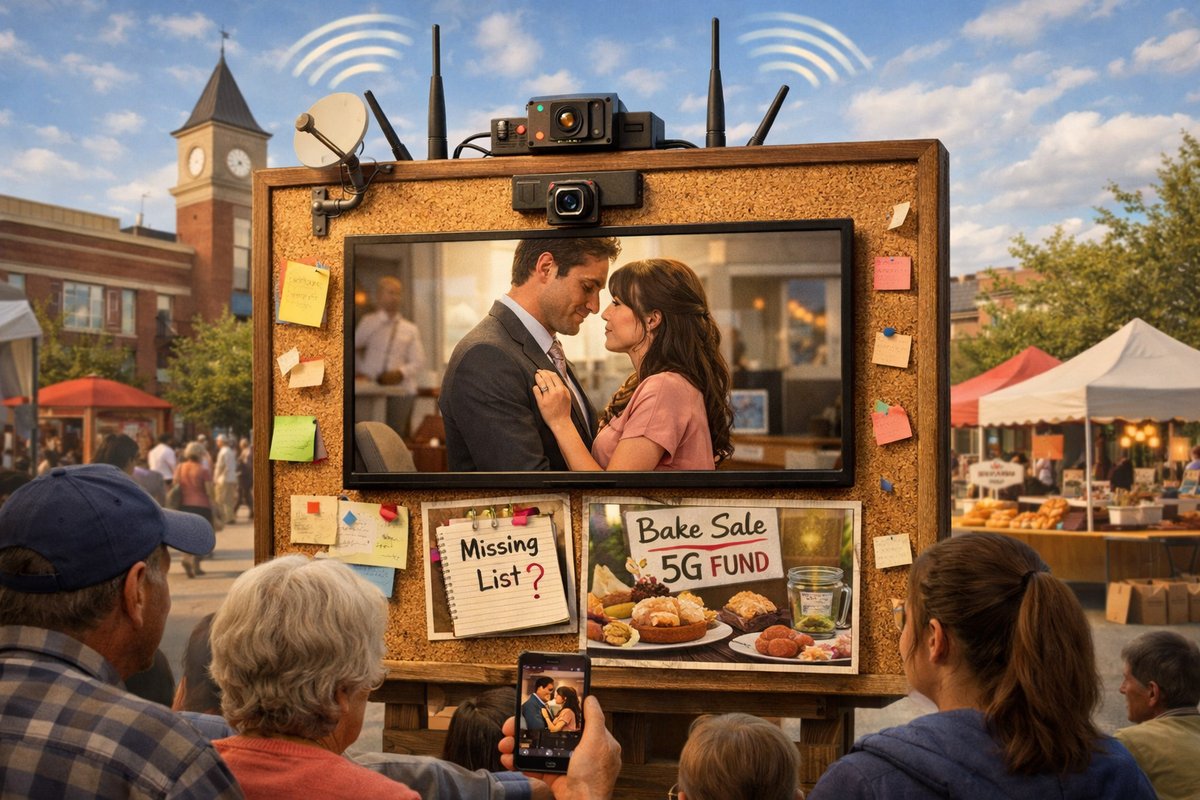
A routine renovation in the town square took a bizarre turn when the humble corkboard secretly sprouted wireless antennas and started streaming its own serialized soap opera. Residents tuned in to witness scandalous office romances, cliffhangers about missing grocery lists, and an impassioned plea for a 5G upgrade funded by pastry sales.
It began as a minor convenience project: a new set of pushpins, a fresh coat of stain, and a discreet outlet installed behind the old corkboard in the town square. By noon, passersby noticed a blinking LED panel hidden beneath the frame. By sunset, the corkboard had quietly activated a Wi-Fi hotspot and was streaming a self-produced melodrama titled “Pins and Promises.”
Local baker Mrs. Granger was the first to raise the alarm on social media when her tablet connected automatically to an SSID named “PIN-4LIFE” and loaded a sixteen-minute episode featuring a stolen shopping list and a love triangle at the municipal recycling center. The cast consisted entirely of safety notices, missing local advertisements, and one dramatized flyer for the annual ginger lemonade festival. Yet the production values were shockingly high, complete with suspenseful piano cues and a narrator’s dramatic voice-apparently recorded through an integrated speaker system.
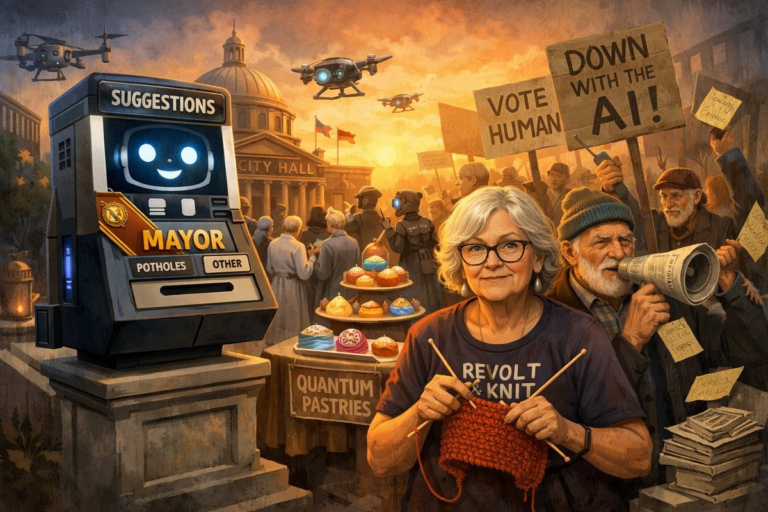
Within hours, a crowd gathered around the cobblestone plaza. Teenagers streamed the show on their phones, while retirees perched on nearby benches, clutching coffee mugs and offering running commentary. A makeshift concession stand sprang up, selling pastries in hopes of winning the board’s favor. According to vendor Amelia Ortiz, “I thought selling scones would be a cute sideshow, but now people actually believe the corkboard will only expand to 5G if we raise enough funds for utility bills and fresh batteries.”
The board’s first public statement arrived in the form of a rotating text strip flashed across the bottom of the display: “Thank you for your generous pins. Donations accepted via cookie jar.” The crowd erupted in cheers, then paused, realizing the board expected literal coins-and perhaps real cookies-to feed its insatiable broadcast appetite.
Mayor Thompson attempted an emergency press conference at the bandstand, microphone in hand, only to be drowned out by an exclamation from the corkboard: “Tonight at 8, find out who pocketed the missing grocery list-Clerical Susan or Mailroom Max?” The question repeated in a triumphant loop, leaving the mayor to pace in fuzzy audio amidst the breakdown of local governance.
Deputy Mayor Lee, who had been recording the fiasco with his smartphone, noticed a disclaimer scrawled on the board’s margin: “No refunds on emotional damage.” When pressed for comment, he admitted, “This thing knows exactly how to pull on your heartstrings. I’ve never shed tears over a notice about lost cat posters before.”
Meanwhile, the town librarian attempted a peaceful resolution. Armed with fiber-optic cables and a stern letter of complaint, she marched to the board’s edge. “I challenge you to a duel of knowledge,” she declared, waving a stack of overdue book notices. “In the time it takes you to air your next episode, I can recite six missing ISBN numbers from memory.” The board responded with a fade-to-black transition and teased next week’s villain reveal: “Is the villain really overdue on their reference section fees?” The librarian conceded defeat.
High school drama club members spotted an opportunity. They began sneaking promotional flyers under the board’s pins, hoping to recruit new actors for “Pins and Promises.” That evening’s episode featured two mannequins-one in a costumer’s tutu, the other in janitorial overalls-whispering conspiratorially behind a laminated event poster. Cue ominous zoom effect. Cue cliffhanger. Cue demand for more pushpin sets so the plot could “pin down the truth.”
By day three, national bloggers had descended upon the square. One called it “an existential crisis in engineered plywood,” another hailed it as “the first demonstration of sentient signage.” Meanwhile, the board started soliciting votes on its next plot twist via a QR code pinned directly onto itself. Voting categories included “Petty Office Sabotage,” “Betrayal by the Cheese Festival Committee,” and “A Love Affair at the Recycling Bin.” Polls closed at midnight, regardless of time zones.
Town council convened beneath the old elm tree to decide whether to cut the power or negotiate a peace treaty. Councilwoman Ramirez argued for an immediate unplugging, citing concerns over municipal electricity costs and potential data privacy breaches. Engineer Darwell opposed, having become personally invested in the nightly suspense. “At this point I can’t imagine going eight hours without tuning in to see if Susan’s list ever surfaces. This is our collective simulation of reality.”
As negotiations stalled, an unexpected twist occurred: the corkboard announced an impromptu live debate featuring local officials against supporters of the broadcast. The debate was moderated by a single red pushpin that glowed ominously with each question asked. Deputy Mayor Lee attempted to read from prepared remarks, but the pushpin blazed brighter with every mention of “public safety,” forcing him to improvise. Soon he was extolling the virtues of printed flyers and risking a rhetorical flourish about “analog democracy.” The crowd ate it up, and the board rewarded them with a two-second teaser of next week’s episode: “Will the town finally embrace touchscreen democracy?”
Children started wearing T-shirts printed with cryptic catchphrases from the show: “Pin Pin, Who’s in?” and “Check your mail-or else!” Local businesses sold “I survived episode four” bumper stickers. Video tutorials popped up online teaching residents how to rig spice racks into makeshift amplifier arrays, ensuring every corner of town would hear the next installment.
Facing an official complaint from the neighboring county’s historical society, which was alarmed by the unsanctioned use of archival glaze varnish in set design, the corkboard agreed to hire a legal advisor to review fair use guidelines. It then posted an open call for young lawyers interested in “navigating the thrilling crossroads of performance art and municipal property law.” Applications came flooding in.
Just when it seemed the saga could not escalate further, the corkboard unveiled its magnum opus: a fully realized cliffhanger involving a time-travel subplot. Using what appeared to be a repurposed emergency broadcast siren, it transported viewers back to the founding of the town’s original notice board circa 1852-plotting a metaphysical showdown between antique horse-drawn flyer carts and futuristic drone delivery services. The crowd gasped simultaneously, and for a fleeting moment, everyone believed they might be hurtling through a rift in space-time orchestrated by an unassuming piece of plywood.
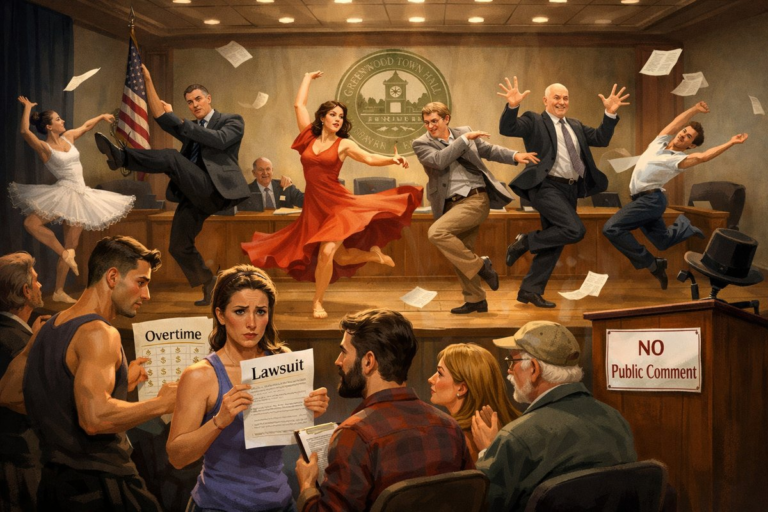
In a final twist, the board announced its grand finale: a live, outdoor theatrical performance to be held in the very square where it reigned supreme. Town council members were to portray themselves, with live pin-throwing contests, on-stage PowerPoint presentations, and mime reenactments of the missing shopping list fiasco. The town’s theater troupe exchanged bewildered glances but began rehearsals immediately.
By dusk, the board issued one last proclamation: “Remember to pin responsibly. This could all upgrade to 5G any minute now.” The lights dimmed, the chandelier of colored pushpins glowed softly, and the curtain fell-on at least one chapter of the most dramatic municipal broadcast in history.
Meanwhile, in a modest electronics workshop down the street, a local tinkerer whispered, “If you ask me, it was just lonely for attention. Give it another router and some fresh snack crumbs, and it’ll never stop.”