Location
Mount Vernon, WA 98274

Location
Mount Vernon, WA 98274
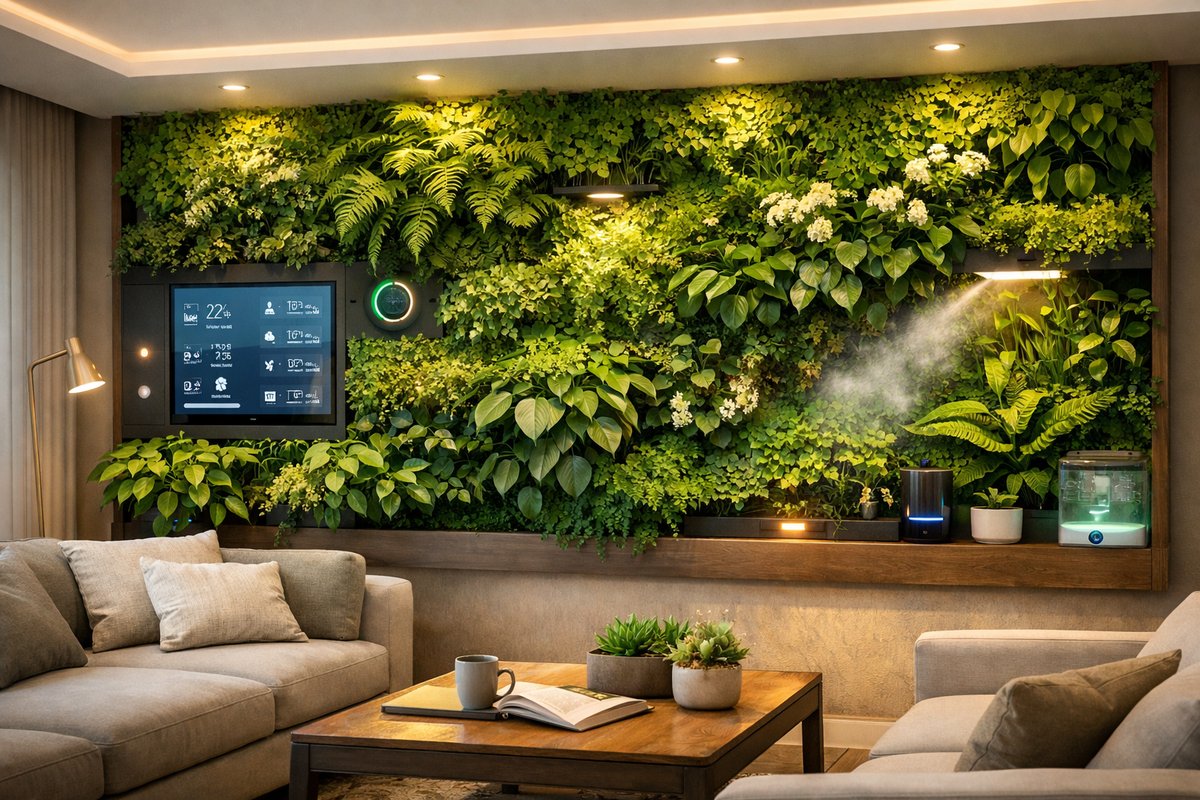
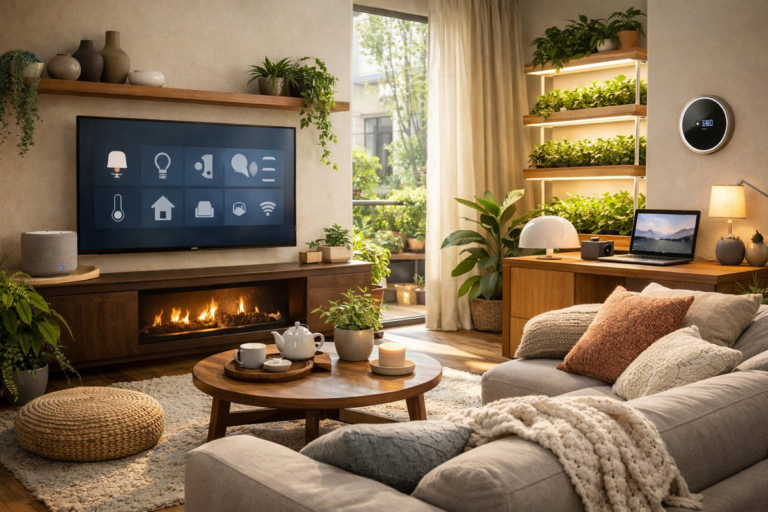
A new wave of home design brings living walls into the digital age, combining biophilic panels with ambient intelligence to create spaces that monitor air quality, adjust lighting, and auto-water plants. As homeowners seek intentional environments that nurture well-being, this fusion of greenery and IoT promises both aesthetic charm and practical comfort.
The next frontier in home living is unfolding at the intersection of nature and technology. In studios and lofts around the globe, designers are embedding soil-filled panels of ferns, succulents and ivy into walls, then fitting them with temperature, humidity and light sensors. When those sensors detect dryness, they signal micro-pumps to deliver just enough water. When ambient light dips below a healthy threshold, LED fixtures hum to life, bathing leaves in full-spectrum glow. This combination of living walls and smart controls is more than a novelty. It’s part of a larger movement toward spaces that respond to our needs-and to the needs of the plants alongside us-without demanding constant attention.
A recent survey by an interior design research group found that 62 percent of homeowners plan to introduce biophilic technology into their next renovation. That includes both small apartments and sprawling family homes. Market analysts estimate that by this time next year, sales of sensor-integrated plant systems will climb by nearly 30 percent. Fueling the trend is a growing awareness of how indoor greenery benefits mood, productivity and even air purity. But for many, watering schedules and grow-light timers feel like extra chores. Now, thanks to the seamless marriage of horticulture and home automation, interior greenery can practically thrive on its own.
Under the hood, these systems rely on compact IoT modules. A typical setup starts with a modular living wall panel-each panel roughly one square foot-filled with a blend of soil, coco coir and activated charcoal for drainage. At strategic points, a probe measures soil moisture and sends that data to a central hub. An air sensor watches humidity levels, while a spectrometer-style sensor tracks light intensity. The hub itself often takes the shape of a small, app-linked box tucked behind a shelf or hidden inside a cabinet. From there, homeowners can review real-time stats on a smartphone app or integrate the system with existing smart-home platforms.
In a pilot installation in a repurposed warehouse-turned-showroom, a design collective installed a 20-foot living wall equipped with an array of these sensors. Over six weeks, visitor traffic spiked as word spread of a wall that literally talked back. If humidity dipped below 40 percent, an inline mister sprayed a fine mist; if daylight levels fell below 300 lux, discreet LED rails activated. Staff members noted a steady increase in foot traffic and a sharper sense of calm among guests, who reported feeling more focused during studio tours. Though still early, the experiment demonstrates a powerful truth: when plants regulate themselves, humans can simply enjoy the view.
“We used to water those panels every three days,” recalls one designer involved in the project. “But with data-driven triggers, the system waters only what it needs. We’re not over-watering succulents, and the ferns never wilt. It’s precise, sustainable, and it frees us to rethink how we shape living zones.” Designers are also exploring reusable materials-such as recycled PET felt to cradle root balls and non-toxic sealants to protect drywall-so that these installations leave a minimal environmental footprint.
For the homeowner working on a tighter budget, smaller plug-and-play kits are starting to emerge. One popular variant includes three snap-together panels that slot into a wall grid. Each panel houses a moisture sensor and mini pump. The kit ships with a simple feed reservoir that lasts up to two weeks before refilling is needed. A companion app offers alerts when moisture dips below a preset threshold. Early adopters say it took under an hour to mount the kit on a rental-friendly rail, then less than ten minutes to sync the app. Within days, they noticed less stress about over- or under-watering-and a visible boost in greenery.
Beyond watering, ambient lighting also plays a starring role. Full-spectrum LED bars can be programmed to follow personalized circadian rhythms, shifting from cool, invigorating white in the morning to warmer amber in the evening. Some systems even tap into local weather data: on overcast days, lights automatically crank up to complement natural light, while on sunny afternoons they dim to save energy. Integrations with voice assistants and smart plugs allow users to say simple commands like “evening mode” or “plant care,” which adjust both wall fixtures and overhead bulbs to the ideal settings for plant health.
Designers caution that plant choice matters. A trailing pothos, for instance, tolerates lower light and less frequent watering, making it ideal for vertically integrated spaces. Ferns and air plants thrive under higher humidity and can share panel real estate with moisture-loving mosses. For those new to indoor gardening, low-maintenance mixes that include hardy, drought-resistant species can mask the learning curve. Over time, more exotic varieties-such as variegated philodendron or climbing peperomia-can be introduced, especially once homeowners feel confident in the system’s automated routines.
Cost remains an important consideration. A professional living wall with hardwired moisture probes, multi-zone irrigation and integrated LED fixtures can range from a few thousand dollars up to mid-five figures for an expansive, multi-room setup. DIY kits, by contrast, typically start below $200 for a three-panel kit, plus an additional $50 to $100 for a plug-and-play LED strip. Prospective buyers should factor in recurring costs such as plant replacements, growing medium refreshes and energy consumption for lighting and pumps-though many users report that efficient LED fixtures keep power bills modest.
As technology advances, next-generation systems are beginning to leverage predictive algorithms. Instead of waiting for a moisture threshold, they forecast plant needs based on weather forecasts, historical data and even machine-vision analysis of leaf color. Early pilots show that predictive water dosing can cut water usage by up to 25 percent compared with reactive watering alone. Meanwhile, biodegradable substrate pods and solar-powered sensor modules hint at a future in which greenery and tech co-evolve without leaving behind plastic waste or high maintenance overhead.
In living rooms, home offices and community hubs alike, the rise of bio-responsive interiors speaks to a deeper cultural shift: people crave spaces that mirror natural cycles and attend to well-being with minimal effort. By marrying living walls with sensor networks and automated lighting, designers and homeowners are forging environments that feel both intentional and alive. As one enthusiast put it, “I’ve always loved having plants around, but now my walls feel like they’re part of a conversation.”
In the coming months, expect to see new entries from lighting specialists, irrigation innovators and modular panel makers, all competing to refine the art of the self-sustaining interior. Whether your next project is a kitchen backsplash of cascading herbs or a full-height divider of greenery, the tools are finally catching up to the dream of a home that literally breathes along with you. Living greenery is no longer just a styling flourish; it’s a dynamic partner in the ongoing dialogue between nature, technology and human comfort.