Location
Mount Vernon, WA 98274

Location
Mount Vernon, WA 98274
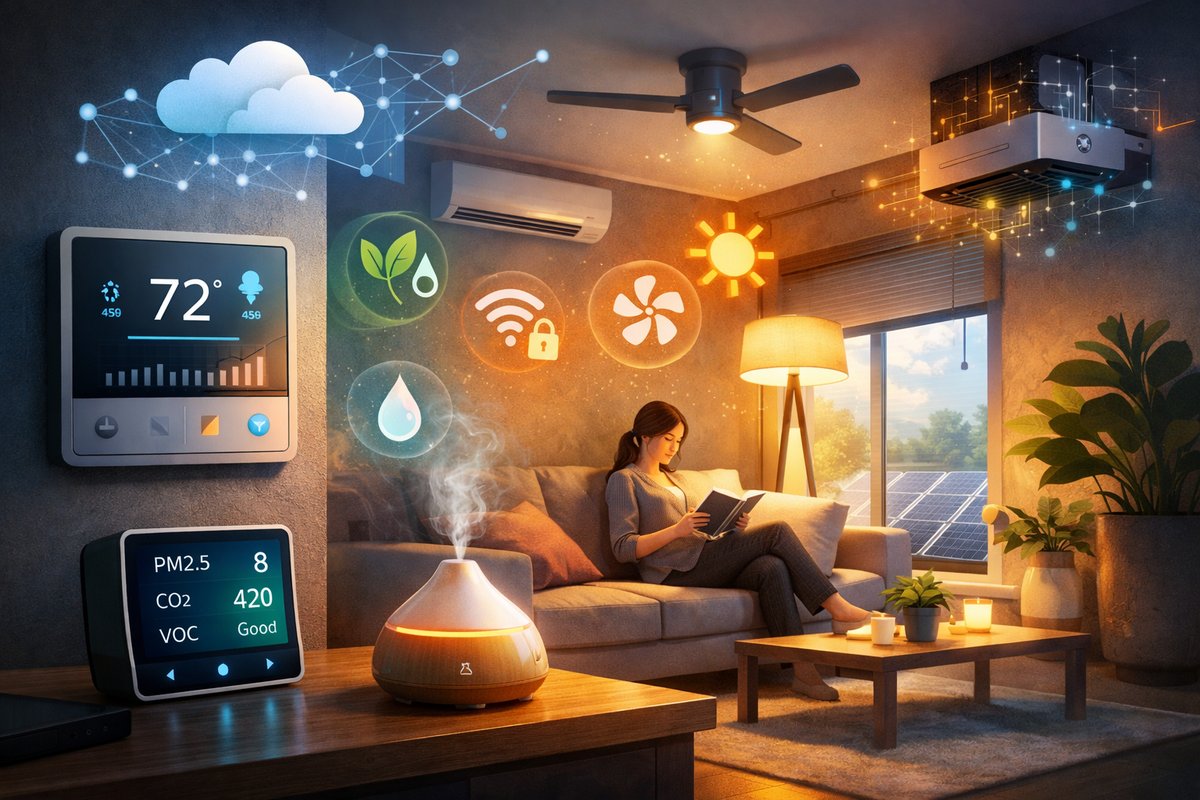
A new wave of sensor-driven home ecosystems is redefining comfort and sustainability by seamlessly blending climate control, air quality monitoring, dynamic lighting, and even scent diffusion. By leveraging open protocols and edge computing, these intelligent spaces adapt to individual routines and environmental conditions while safeguarding privacy and energy efficiency.
In recent months, a novel movement has begun to reshuffle the way we inhabit our homes. Gone are the days when smart living simply meant voice commands or timed schedules. Today, a new breed of sensor-driven ecosystems is rising-one that senses not only temperature and light but also air quality, humidity, and subtle shifts in our routines. These empathetic homes anticipate our needs, fine-tuning conditions to suit moods and activities without demanding constant input. From adaptive lighting that mimics dawn to climate control that adjusts to body heat, this emerging wave promises to transform four walls into a responsive sanctuary.
At the heart of this transformation are compact climate control nodes equipped with built-in thermistors, humidity sensors, and motion detectors. Installed in key rooms, these devices relay real-time data to a central hub, where machine learning algorithms map occupancy patterns and predict ideal settings. By analyzing wake-up times, seating areas, and even favorite reading spots, the system preheats the space just before you arrive or gradually cools it down when the afternoon sun peaks. Early trials conducted by independent laboratories suggest such setups can reduce average energy consumption by nearly 12 percent.
Lighting design is undergoing its own renaissance as well. Color-tunable LED panels and strip systems now come with ambient light sensors that track natural daylight levels throughout the day. These fixtures seamlessly adjust color temperature and brightness to follow circadian rhythms, gently transitioning from warm amber hues at dawn to crisp white tones at midday and back. Residents report sharper focus during work hours and improved sleep quality when the lights dim on schedule. Combining sensor feedback with simple smartphone controls, homeowners can program unique lighting scenes for morning stretches, evening wind-down sessions, and weekend gatherings.
Another critical pillar in the intelligent home is air quality monitoring. Compact wall-mounted and tabletop units can detect volatile organic compounds (VOCs), particulate matter, and fluctuations in humidity. In older urban apartments where indoor pollution can spike due to cooking or nearby traffic, these sensors send alerts to linked ventilation systems or portable air purifiers. In controlled studies, occupants experienced a 20 percent reduction in allergy symptoms when devices automatically ramped up airflow during peak pollution events. Over time, homeowners learn which activities trigger air alerts, forming healthier habits like opening windows or deploying activated charcoal filters.
Scent is emerging as the next frontier for immersive living, weaving olfactory cues into the home’s intelligence network. Smart diffusers now integrate with environmental sensors and calendars, releasing subtle notes of lavender during evening relaxation hours or mint and eucalyptus when indoor CO2 levels climb. By blending aromatherapy with sensor data, these devices promote calm and concentration in a synchronized fashion. While the trend is still niche, enthusiasts emphasize its profound impact: a home that not only sees and hears but also gently reminds you to breathe easier and de-stress at precisely the right moment.
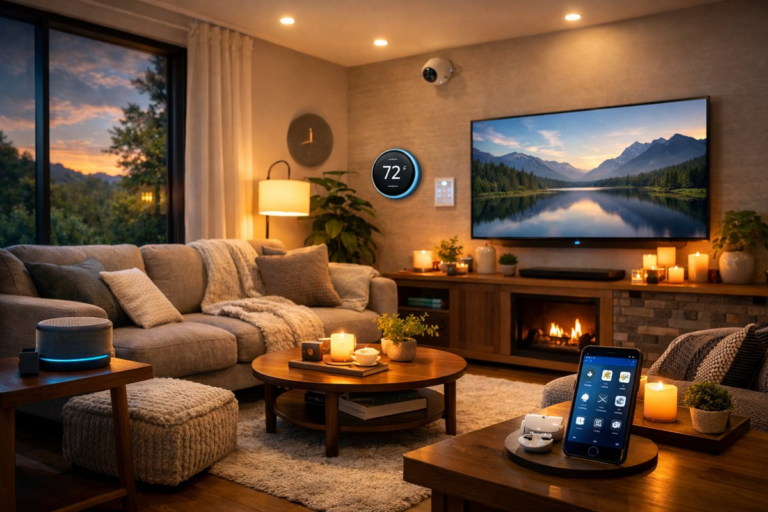
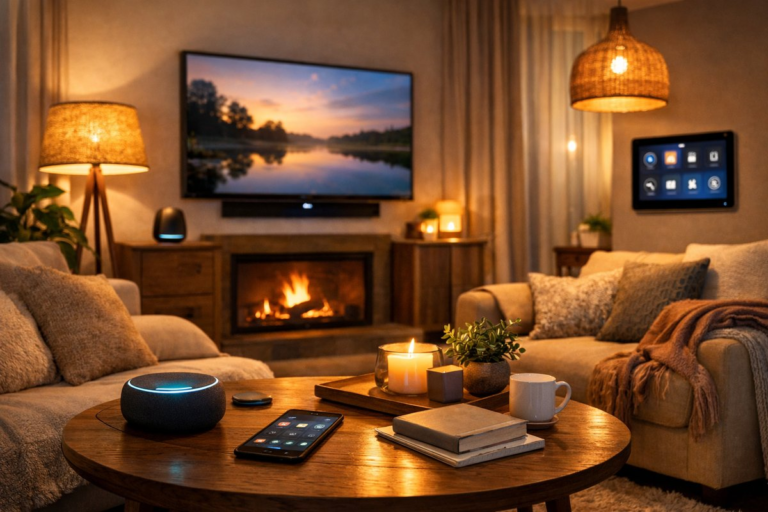
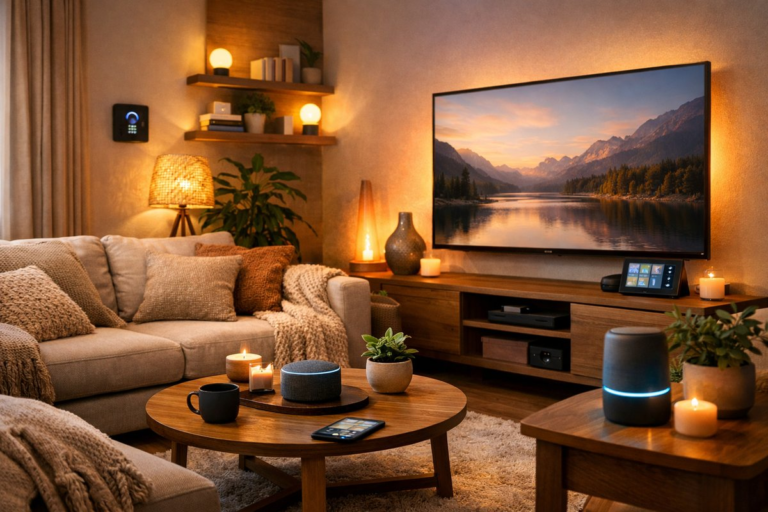
Take the case of a mid-century living room retrofit in Portland, where a homeowner installed an interconnected suite of sensors, LED modules, and diffusers. Motion and proximity detectors stealthily track presence, triggering warm lighting and soft instrumental background music when guests enter. Meanwhile, a concealed smart thermostat uses microclimate data to channel heat precisely where bodies cluster, conserving energy elsewhere. The air quality monitor communicates with an air purifier mounted atop a reclaimed oak shelf, automatically boosting fan speed during cooking or fireplace use. The result is a space that feels alive and attentive-a tangible upgrade to daily comfort.
Integral to these upgrades is a focus on sustainable, low-impact materials. Emerging products like phase-change thermal panels absorb excess heat in summer and release it in winter, reducing reliance on active HVAC cycles. Similarly, mycelium-based insulation and recycled denim wall fills offer greener alternatives to conventional foam. Some developers are experimenting with breathable clay plaster mixed with microcapsules that store fragrance or cooling agents, effectively embedding functionality into building surfaces. By choosing these innovative materials, homeowners can align high-tech living with ecological stewardship, creating spaces that are both smart and sustainable in equal measure.
The furniture itself is getting smarter too. Modular sofas and chairs equipped with pressure sensors can detect posture shifts and send gentle reminders to adjust or stand after long periods. Coffee tables with built-in wireless charging pads also include tiny weight sensors that recognize when a mug is placed, cueing temperature-regulation coils beneath the surface to keep beverages warm. Even bed frames now offer sleep-tracking capabilities without the need for wearable devices, using under-mattress motion detectors and ambient sensors to monitor breathing patterns and room conditions. These integrated pieces contribute to a holistic network of comfort and care.
Achieving seamless interoperability among all these gadgets has been a longstanding challenge. Thankfully, recent adoption of open protocols like Matter and Thread is simplifying integration across diverse devices. Matter-capable hubs now act as universal translators, enabling sensors from one brand to communicate with lighting systems, climate controllers, and diffusers from another. This opens the door to truly bespoke setups, where users can pick and choose components without worrying about lock-in. As the standard matures, industry observers expect to see certified interoperable products flood the market, making sophisticated home ecosystems more accessible and future-proof.
Amidst the excitement over functionality, questions of privacy and data sovereignty are taking center stage. Leading manufacturers are embedding edge-computing features that process sensor data locally rather than sending it to cloud servers. This ensures that personal patterns-sleep schedules, room preferences, and occupancy routines-remain within the home network unless the owner opts in to share anonymized insights for broader analytics. For privacy-conscious consumers, the ability to disable telemetry or host self-managed servers provides peace of mind without sacrificing the benefits of an intelligent environment.
Inclusive design is another principle driving this evolution. Voice and gesture controls tailored for seniors and individuals with limited mobility are becoming standard features. Sensors can detect falls or prolonged inactivity, triggering emergency alerts or reminders to take medication. Door locks and lighting can be automated to eliminate fumbling with keys or switches. Even simple routines can be programmed: a single spoken phrase might adjust lights, temperature, and window shades for reading or call up a favorite playlist. Such enhancements underscore the potential of empathetic homes to support health and independence across all life stages.
The environmental impact of these systems is significant. Independent assessments suggest that sensor-driven energy management can lead to 15 to 20 percent savings on annual heating and cooling bills. By reducing unnecessary ventilation cycles and optimizing lighting schedules, homes not only shrink their carbon footprint but also build resilience against rising utility costs. In rental buildings, shared dashboards provide anonymous consumption metrics to tenants, fostering community-driven conservation efforts. As energy prices and environmental concerns continue to rise, the combination of real-time feedback and automation offers a compelling path toward greener, more cost-effective living.
Looking ahead, the fusion of AI and sensor networks promises even deeper personalization. Early prototypes are demonstrating real-time mood detection using voice tone analysis and ambient behavior patterns. When stress indicators are high-captured through slight temperature changes, faster breathing, or altered movement-the home might prompt a calming lighting scene, soft music, or a guided breathing exercise via connected speakers. While such features raise ethical questions, developers emphasize user consent and transparent data policies as cornerstones of responsible design. The future of living spaces could very well become an extension of our emotional radar, quietly aiding in mental well-being.
For homeowners eager to experiment without a full retrofit, a growing ecosystem of DIY starter kits is available. Basic sensor modules that measure temperature, humidity, and light can be snapped onto walls or furniture, with intuitive mobile apps guiding installation. Expandable hubs allow for adding air quality sensors, smart plugs, or LED controllers over time. Many kits ship with open APIs, encouraging tech-savvy users to build custom automations or integrate third-party voice assistants. This modular approach lets individuals pilot aspects of an empathetic home before committing to a comprehensive overhaul, keeping both budget and ambition in balance.
As sensor-driven homes continue to mature, the mantra of intentional living is coming full circle. No longer is technology an afterthought or novelty; it’s an enabler of wellness, sustainability, and connection within our own four walls. By choosing devices that speak the same language-through open protocols-and prioritizing materials that tread lightly on the planet, homeowners can craft spaces that respond to body, mind, and environment. The age of empathetic homes is upon us, and with it comes the promise of deeper comfort and conscious living at the heart of daily life.