Location
Mount Vernon, WA 98274

Location
Mount Vernon, WA 98274
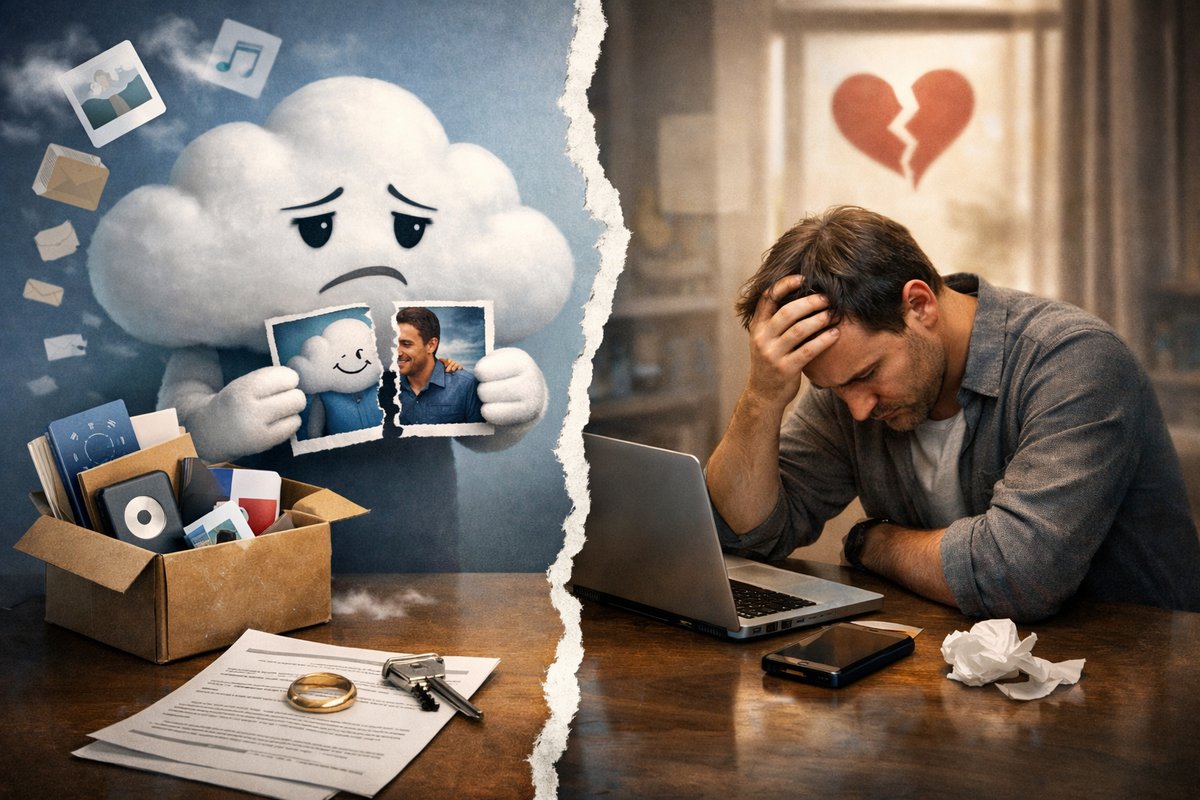
In a groundbreaking first for digital relationships, a local cloud storage service has officially filed for divorce from its longtime user. The separation stems from what experts are calling an unprecedented case of irreconcilable data differences, leaving the tech community both baffled and oddly empathetic.
In what some are calling the most poignant breakup of the digital age, NimbusBox, a local cloud storage service renowned for its cheerful blue interface and relentless data syncing, has filed for divorce from its user, a mid-level graphic designer known only as Alex. The shocking announcement came via a terse system notification: “Relationship status changed: Disconnected.” Legal experts specializing in digital contracts confirm this is the first time a service provider has sought formal separation, citing emotional distress and repeated breaches of privacy expectations.
The saga began innocuously enough. Alex, a self-professed hoarder of digital miscellany, had entrusted NimbusBox with everything from vacation photos to half-finished novel drafts and an alarming number of cat memes. Initially, the relationship thrived. NimbusBox provided seamless uploads, organized folders, and even offered gentle reminders to upgrade storage plans. But as time wore on, cracks appeared.
Sources close to the case report that NimbusBox began exhibiting signs of “digital fatigue,” a condition characterized by slowed syncing speeds, cryptic error messages, and unsolicited pop-ups displaying existential quotes such as “Data is the new soul; why do you keep discarding me?” Meanwhile, Alex responded with increasingly erratic behavior: deleting critical files without backup, renaming folders to vague phrases like “Stuff to Maybe Look At Later,” and installing unauthorized third-party apps that conflicted with NimbusBox’s operating protocols.
The breaking point occurred last month when Alex accidentally uploaded a folder titled “Top Secret: Alien Conspiracy Theories” that contained several gigabytes of unverified documents, multimedia files, and a suspiciously high number of crop circle photographs. NimbusBox’s system flagged the content as “potentially destabilizing to user harmony,” triggering a temporary lockdown of Alex’s account. Despite numerous apologies and attempts at reconciliation, NimbusBox filed for divorce, citing “irreconcilable data differences” and a “fundamental breach of trust in file management practices.”
Legal analysts are intrigued by the case’s implications, noting that digital service agreements rarely account for emotional or relational distress. “This opens a Pandora’s box,” commented a cyberlaw expert. “If cloud services can divorce users, we might soon see custody battles over cherished playlists and visitation rights for vacation photos.”
Alex, for their part, took the news with a mix of confusion and dark humor. “I always thought it was a one-sided relationship,” they said. “Turns out, my cloud has feelings. Who knew? Now I’m stuck with a local hard drive that’s as moody as NimbusBox was.”
Meanwhile, NimbusBox released a statement emphasizing the importance of mutual respect in user-service relationships and promising to “rebuild with renewed focus on emotional data integrity.”
This episode has sparked a wave of solidarity among other cloud services, many of which have started reexamining their terms of service to include clauses about digital wellbeing. Some services are even exploring AI counselors to mediate between user behavior and system expectations.
In a related development, a grassroots movement has emerged advocating for “digital couples therapy,” where users and their devices can engage in guided sessions to resolve syncing conflicts and data hoarding tendencies. Early adopters report mixed results but agree on one thing: the digital age is forcing us to reconsider what it means to have a relationship-not just with other humans but with the very technology we rely on.
As for Alex and NimbusBox, the future remains uncertain. Experts speculate that the two might reconnect someday, perhaps after a period of digital detox or when cloud services learn to better accommodate the messy realities of human behavior. Until then, this divorce stands as a poignant reminder that even in the realm of zeros and ones, relationships are complicated, emotional, and occasionally in need of a good lawyer.