Location
Mount Vernon, WA 98274

Location
Mount Vernon, WA 98274
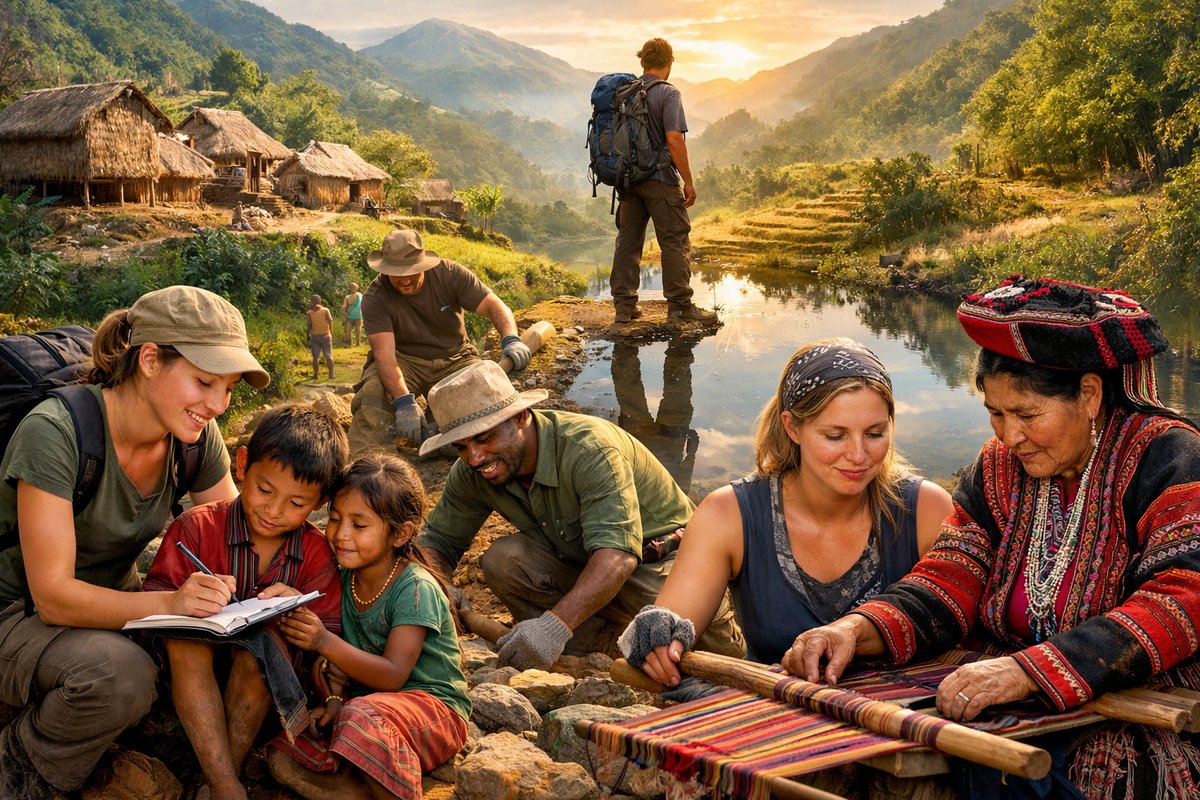
Travelers are charting new territories not just on maps but in their own reflections, blending adventure with social impact. By volunteering in remote villages, restoring eco-trails or learning ancestral crafts, they're turning vacations into purpose-driven expeditions that leave lasting footprints.
At a quiet mountaintop in the Pacific Northwest, a group of hikers pauses to clear overgrown brush from a fragile trail. Nearby, volunteers pack seeds for a community-led reforestation project on a tropical island thousands of miles away. Back in a busy European city, travelers gather in a local co-op kitchen to learn traditional breadmaking from elder artisans. Across continents and cultures, a new kind of journey is unfolding-one where passports capture not only stamps but also stories of meaningful connection.
Purpose-fueled travel has become a burgeoning trend that merges exploration with hands-on contribution. According to a recent survey by an international travel research institute, nearly 40 percent of global travelers now prioritize experiences that benefit host communities or environments. Search interest for “volunteer travel programs” and “community immersion trips” has climbed by over 25 percent in the past two years. What began as niche voluntourism has evolved into diverse offerings: from regenerative farm stays and heritage preservation workshops to urban neighborhood revitalization missions.
“I wanted more than sightseeing,” one travel blogger explains after returning from a two-week agroforestry initiative in Central America. “Trekking through cloud forests is incredible, but planting native trees with local farmers felt like planting memories that will grow long after I’ve gone.” Participants in these programs describe a sense of reciprocity-sharing skills and goodwill in exchange for cultural insights, warm hospitality and sometimes lifelong friendships.
Nonprofit organizations and social enterprises are stepping up to meet this appetite for authenticity, curating small-group expeditions that embed travelers in daily community routines. In East Africa, a wildlife conservancy partners with safari lodges to train guests in monitoring endangered species. In Southeast Asia, artisan workshops invite visitors to master weaving techniques passed down for generations. Meanwhile, urban projects in Europe and North America transform vacant storefronts into pop-up cafes or public gardens, with travelers lending a hand in design and outreach.
These programs showcase how travel can transcend leisure and become a catalyst for positive change. Yet bringing purpose to the road requires more than goodwill-it demands thoughtful planning and the right gear. Many itineraries call for lightweight tools and sustainable supplies: reusable water bottles with integrated filters, solar chargers for off-grid power, compact sleep systems that minimize environmental impact. Digital platforms have also adapted, offering offline mapping apps and secure messaging services that keep travelers connected without relying on local mobile networks.
Consider the story of a duo who signed on for a trail restoration mission in the Alps. They arrived with a classic heavy-duty backpack but quickly learned that a modular system with detachable daypacks and hydration reservoirs was more practical when swapping between basecamp duties and summit hikes. Their switch to a modular hiking pack not only eased their workload but allowed local guides to stow essential tools-pruners, trail markers and first-aid kits-within easy reach. On evenings around the campfire, the comfort of a lightweight blanket made from recycled fibers became a conversation starter, prompting villagers to explain how they transform agricultural waste into textile yarn.
A short drive away, another set of travelers immersed themselves in a coastal cleanup effort. Armed with sturdy gloves and biodegradable garbage bags, they fanned out along rocky shores collecting plastic debris. When the tide rose, they sheltered under an eco-friendly canopy tent sourced from recycled ripstop nylon. As the sun set, they filtered freshwater through gravity-fed portable purifiers and compared notes on the microplastics they encountered. Each participant left not only with a trimmed bucket of waste but also with newfound expertise to reduce single-use items in everyday life.
The infusion of purpose has reshaped the way tour operators design itineraries. Instead of the classic point-to-point formula-hotel, guided tour, buffet lunch-many programs now incorporate meaningful interactions. A morning might begin with a beach yoga session led by local instructors, followed by a community-planted vegetable lunch, and conclude with a construction workshop for a neighborhood library. Travelers find themselves leaning less on prepackaged amenities and more on locally sourced resources and human ingenuity.
Economic impact studies reveal that these purpose-driven trips can funnel a higher percentage of tourism revenue directly into local pockets. Traditional mass tourism often sees profits siphoned off by multinational hotel chains or international agencies. In contrast, community-centered initiatives typically work with small cooperatives, fostering fair wages and entrepreneurship. In a mountainous region of South America, microgrants funded by a volunteer tourism program enabled teachers to purchase classroom supplies, while a sustainable cooking collective reinvested proceeds into scholarships for underprivileged youth.
Travelers themselves report transformative benefits. Many speak of an “empathy boost”-a deeper appreciation for different ways of life and the resilience of community networks. Psychologists studying these immersive trips note improvements in emotional intelligence and a surge in social responsibility upon return. Instead of posting selfies of sightseeing landmarks, travelers share testimonials about life-changing dialogues with local elders or the release of newborn turtles on a conservation beach.
Of course, purpose-driven travel also faces challenges. Poorly designed programs can inadvertently burden hosts with logistical costs or create dependency. Critics warn against tokenistic volunteerism-expecting volunteers to take on professional roles without proper training. To mitigate these risks, ethical frameworks and accreditation bodies are emerging. Travelers are encouraged to vet organizations, review impact reports and seek feedback from past participants. Transparent communication about expectations, roles and community needs can safeguard against mismatches between intention and reality.
Technology is playing an increasingly vital role in this space. Dedicated apps match travelers with verified local projects, outlining skill requirements, time commitments and anticipated outcomes. Blockchain-based donation platforms ensure that every dollar reaches its intended community venture with minimal overhead. Virtual reality previews allow would-be volunteers to get a sense of on-the-ground conditions before booking. These innovations empower travelers to make informed choices and planners to refine offerings based on real-time feedback.
Looking ahead, experts predict continued diversification of purpose-based travel. Slow travel concepts-lingering in one place for weeks or months-are gaining traction, allowing deeper relationships and more sustainable rhythms. Cross-sector collaborations between nonprofits, local governments and private businesses are creating hybrid models that blend leisure accommodations with social impact residencies. Meanwhile, rising climate concerns are spurring regenerative tourism, where guests actively contribute to shoreline restoration, coral reef rehabilitation or mangrove replanting.
For many modern explorers, travel is no longer a passive pastime but an active pledge to leave the world better than they found it. Whether they’re tapping into ancient farming wisdom, teaching language skills or restoring mountain trails, these purpose-driven journeys seed stories that outlast the trip itself. The rising tide of travelers seeking both adventure and altruism is reshaping entire destinations-and perhaps, in the process, redefining the very meaning of a vacation.