Location
Mount Vernon, WA 98274

Location
Mount Vernon, WA 98274
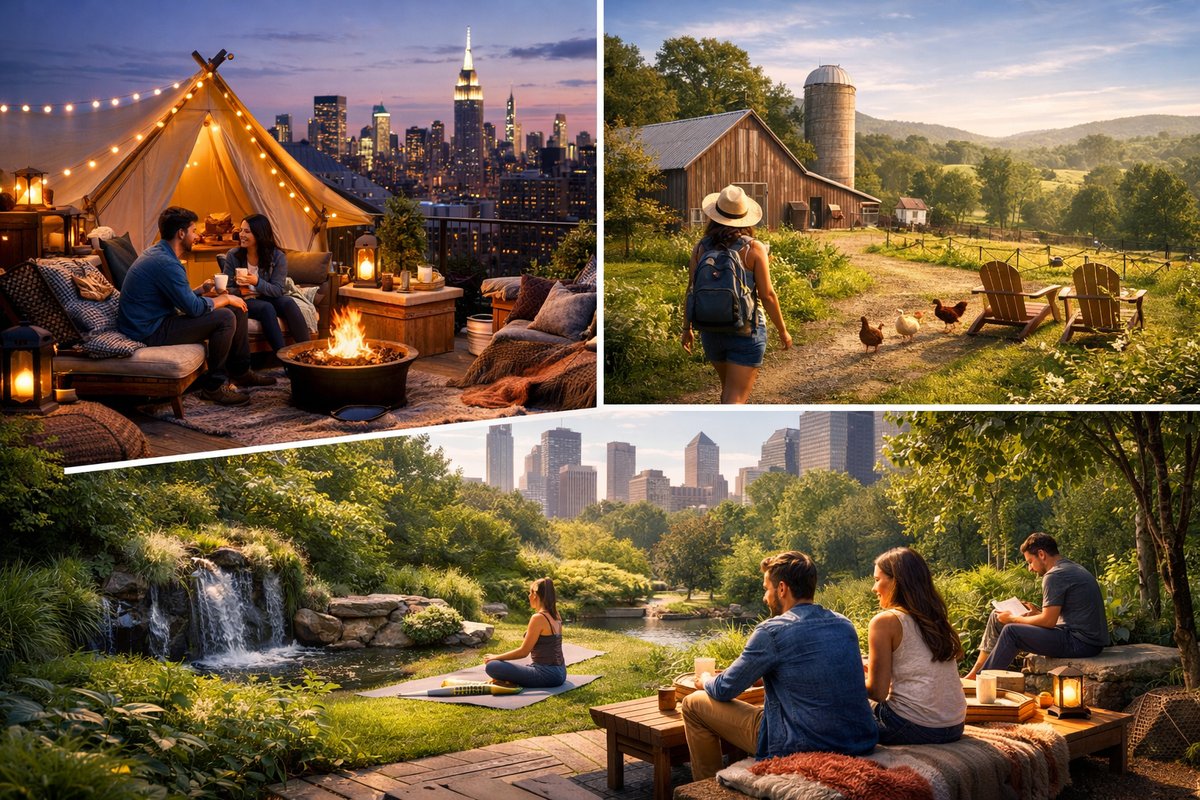
As travelers rethink the weeklong getaway, a surge in microcations-quick 24- to 48-hour urban nature retreats-is reshaping city-bound adventures. Surveys reveal city dwellers are flocking to pop-up glamping rooftops, farm stays on the fringe and pocket parks to recharge mind, body and local economies.
A rooftop under starlight in Manhattan, complete with canvas tents, lanterns and yoga sessions by moonlight, might sound like a luxury festival. But for a growing cohort of urbanites, these pop-up glamping sites represent the new microcation-brief escapes lasting just a night or two. In the past year, nearly half of all metropolitan residents surveyed by a leading travel research firm booked at least one short staycation within 50 miles of their home. These mini-retreats blend convenience, novelty and a taste of wilderness, all within reach of the city limits.
Microcations come at a time when extended travel budgets feel shaky and work-life boundaries blur. According to data from a nationwide traveler poll conducted in late summer, 47 percent of respondents said they were more likely to plan trips of two days or fewer this year, up from 32 percent two years ago. The appeal is clear: two-day itineraries don’t require clearing a full week away from the office, reduce packing anxiety and avoid the carbon footprint of long-haul flights. Yet they still deliver a sense of detachment, novelty and mental reset.
Mental health professionals note that even short nature breaks can yield measurable benefits. A recent study published in the Journal of Urban Wellness found that spending just 90 minutes in a green space reduces cortisol levels and improves mood for up to five days. Urban microcations often take place in converted rooftop gardens, regeneratively managed farms on city outskirts or hidden woodland glampsites a short drive away. Participants report feeling more energized, creative and resilient-even when the total time away from home clocks in under 48 hours.
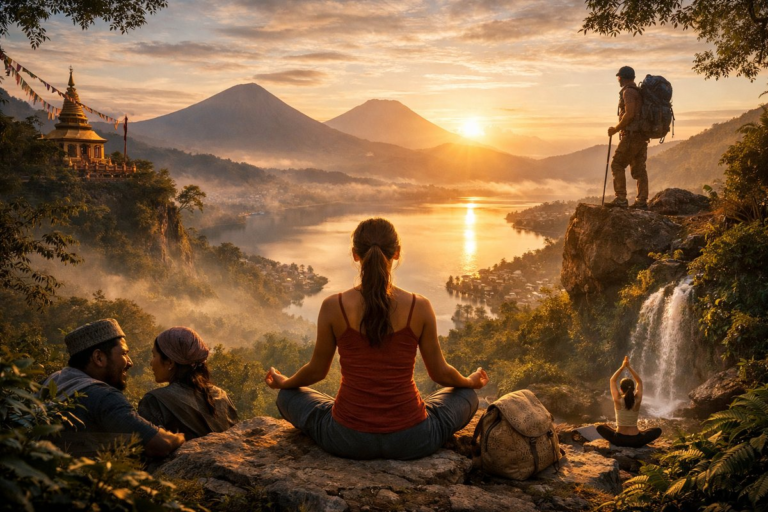
Chicago entrepreneur Maya Lopez opened her city-edge microfarm in late spring, converting 15 acres of fallow land into a biointensive vegetable plot with rustic cabins. “We wanted to create a getaway where you can harvest your own dinner, learn about urban agriculture and then relax by a communal fire pit,” she explains. Guests arrive late Friday afternoon, help pick salad greens and tomatoes, practice sunset meditation, and depart refreshed on Sunday morning. Bookings sold out within days of the first announcement, and referrals now drive 60 percent of new reservations.
City planners are taking note. Municipal green space departments in several major cities have begun issuing short-term permits for microcation operators, allowing them to host small groups on underutilized rooftops, waterfront parcels and repurposed industrial sites. In Los Angeles, a pilot program converted a defunct parking garage rooftop into an elevated wildflower meadow with glamping pods. Licensing fees are modest, and revenue-sharing agreements funnel a portion of proceeds back into neighborhood tree-planting initiatives.
“It’s a win-win for community and wellness,” says Dr. Elena Harris, a landscape psychologist who advised on the LA project. “Microcations introduced at the neighborhood scale help residents form stronger bonds with local public spaces. They reduce travel stress by eliminating long commutes, while still offering novelty and immersion in a natural setting.” Harris’s team tracked 200 pilot participants and found a 30 percent increase in weekly physical activity after just two microcation experiences.
Tech platforms are stepping in to connect travelers with these hyperlocal stays. New apps aggregate listings for short-term rural cabins, modular rooftop tents and pocket parks equipped for overnight stays. Users can filter by duration, distance, sustainability practices and wellness programming-everything from morning qigong to beekeeping workshops. Integration with ride-sharing services lets non-drivers arrange last-mile transfers to remote farm stays or forested glampsites, making the concept accessible even without a personal vehicle.
Freelance graphic designer Marco Nguyen recently tried a microcation on a reclaimed riverbank outside Portland. “I just grabbed my laptop and went for 24 hours,” he recounts. “I did one client call in a pop-up yurt overlooking the water, then spent the afternoon paddleboarding. It felt like a full-fledged vacation, but I was back in time for Monday’s deadlines.” Nguyen says the brevity and novelty of the trip made him more productive and less likely to scroll aimlessly on his phone.
Sustainability advocates also champion the trend. By shortening the supply chain for travel-from home to destination and back-microcations can slash fuel consumption and emissions. Hosts are using solar panels, composting toilets and reclaimed materials for structures. Local sourcing of food and services funnels money into neighborhood businesses. And when microcation footprints stay within metropolitan regions, there’s less pressure on overvisited national parks and wilderness areas.
The microcation movement still has room to grow. Industry analysts predict that by next year, short urban nature retreats will make up 20 percent of all domestic leisure bookings, up from just 8 percent today. As operators refine their offerings and cities streamline permitting, travelers can expect more creative settings-from jazz-themed rooftop tents in historic districts to meditation yurts perched above urban vineyards. For anyone seeking a quick mental reset without a full-time commitment to packing, these metropolitan microadventures may be the ideal remedy.
As weekend warriors embrace the 48-hour getaway, the line between home and holiday is blurring in unexpected ways. Whether it’s a barn loft on the city fringe, a hidden rooftop grove or a modular cabin in a reclaimed quarry, microcations are turning everyday landscapes into destinations. In the process, they’re redefining what it means to travel: no long flights, minimal planning, and maximum recharge in the spaces we thought we already knew.
With mental health, local economies and sustainability goals all riding on the trend, the microcation may be the travel innovation we didn’t know we needed-right outside our front door.