Location
Mount Vernon, WA 98274

Location
Mount Vernon, WA 98274
Home environments are entering a new era where sustainable innovations and intuitive automation converge with the warmth of tactile textures. From self-tinting windows to AI-tuned lighting and countertop herb ecosystems, today's designs empower homeowners to craft spaces that adapt, conserve, and comfort on demand.
The home of tomorrow is no longer a distant concept reserved for futuristic movies. Across North America and Europe, a wave of products is redefining what it means to live intentionally: not merely outfitting rooms for show, but equipping them with systems that learn, respond, and evolve alongside occupants. Driven by rising consumer demand for sustainability and well-being, recent market analyses reveal that nearly three quarters of potential homebuyers now see integrated smart-eco upgrades as a deciding factor. This latest generational shift marries pragmatic efficiency with sensory delight, proving that green choices and warm textures can coexist in perfect harmony.
One of the most talked-about breakthroughs is adaptive glazing and window films that regulate solar heat without manual blinds. Thermochromic window film, for instance, darkens automatically when sunlight peaks, cutting indoor temperatures by up to 15 percent while preserving outward views. Early installations in apartment façades and co-working lofts in Chicago have already yielded measurable drops in air conditioning use, and planners in Mediterranean resort towns are mapping large-scale rollouts ahead of next summer’s peak. Unlike conventional smart glass, these films require no wiring or power bridge-resting easily on existing glazing and sliding aside for cleaning or emergency egress.
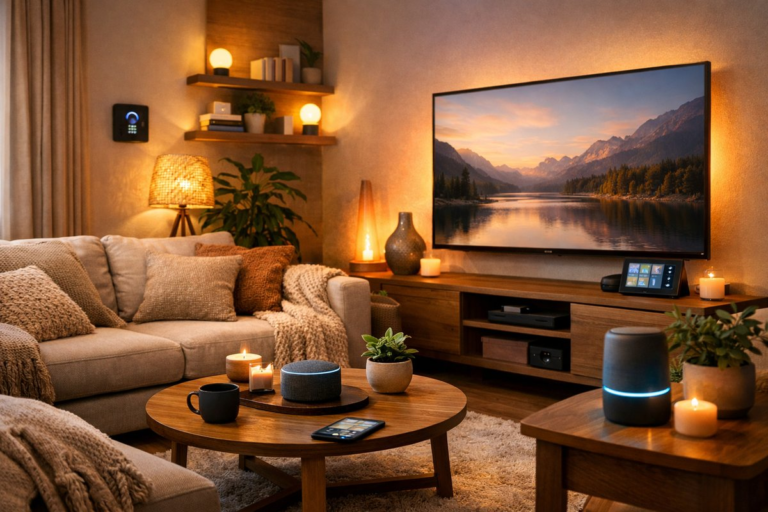
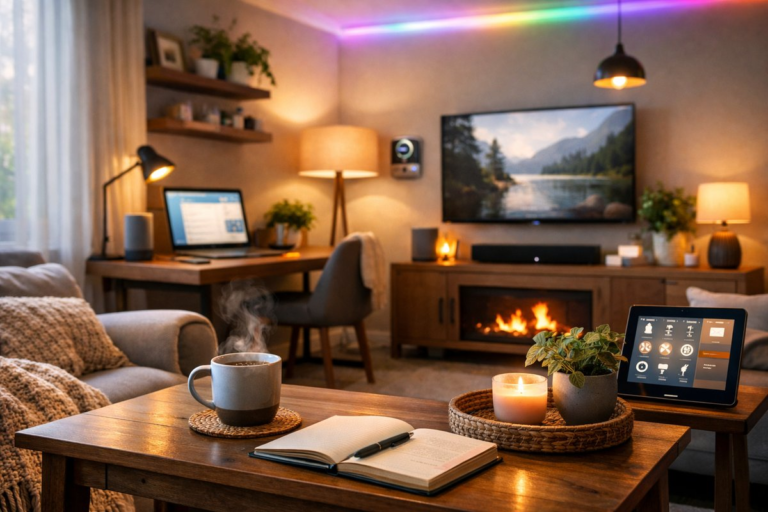
Inside, lighting is taking a similar leap. Modular LED light panels paired with AI-driven control hubs can sense ambient mood through gentle infrared motion detection and subtle sound analysis. When your workstation grows dim or tensions spike during a late-night project, these panels shift hue and intensity to support focus or calm nerves. A recent pilot program among design studios in Seattle reported a 20 percent uptick in after-hours productivity and a 35 percent decline in reported eye strain. The underlying software learns individual preferences over time, blending circadian rhythms with personal color psychology-bringing daylight warmth in the morning, crisp whites at midday, and soft ambers as evening unwinds.
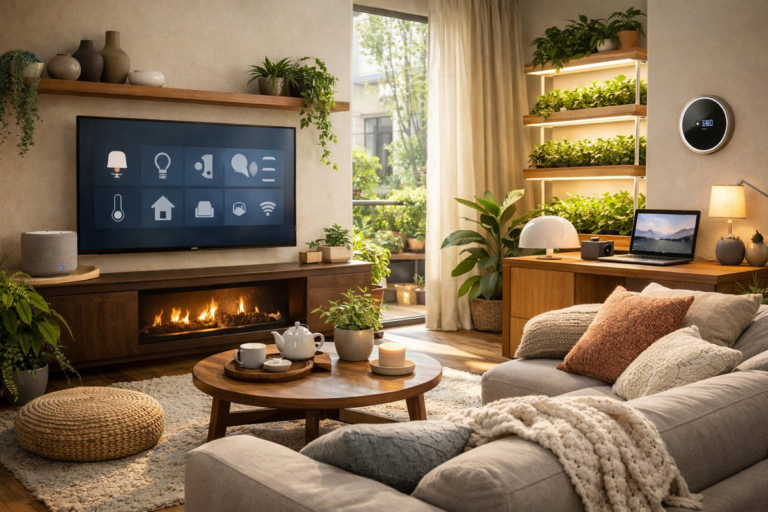
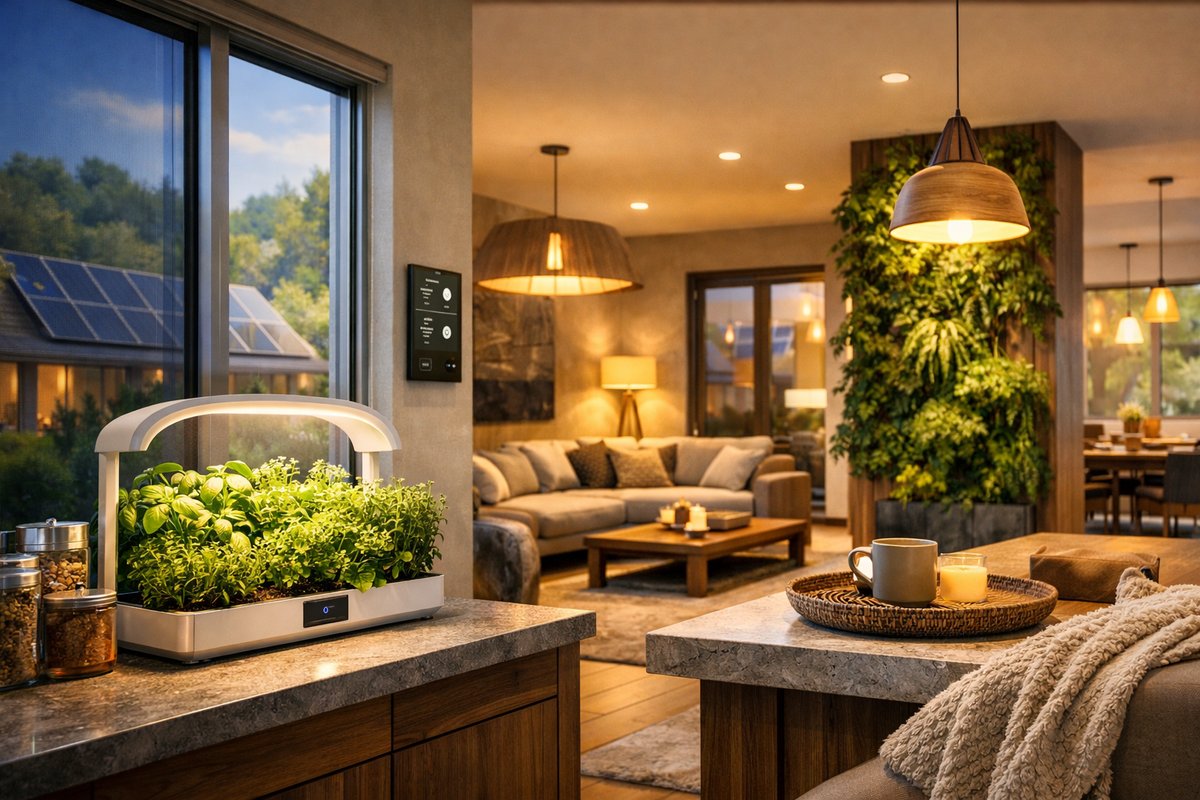
For growing green-thumb dreams indoors, countertop hydroponic and aeroponic kits are entering the mainstream. Compact herb ecosystems now come with smartphone apps that monitor nutrient levels, light cycles, and moisture. Some newer models include tiny AI cameras that identify early signs of mold or pest pressure and automatically adjust airflow or irrigation schedules. Early adopters in urban condos praise both the flavor boost for home cooking and the subtle air-cleaning effect live plants provide. With no soil needed and water consumption slashed by up to 90 percent compared to outdoor beds, these kits appeal to sustainability-minded cooks who lack yard space but crave fresh basil, cilantro, or salad greens year-round.
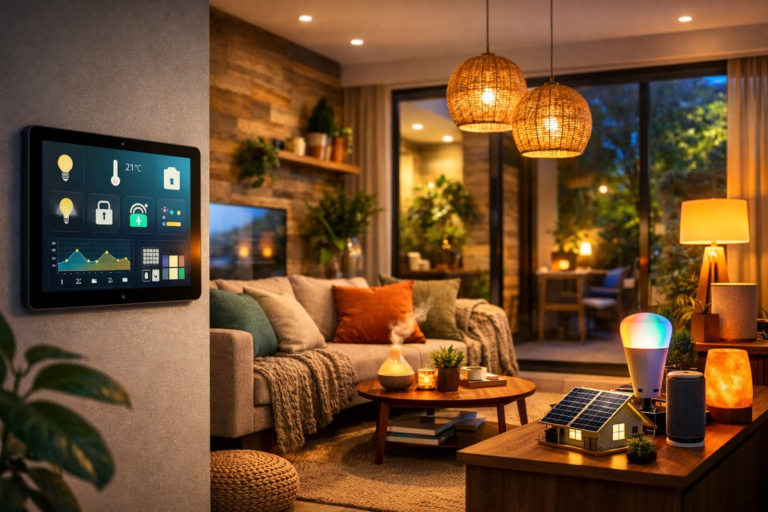
Climate control has also gone granular. Instead of central systems that treat a whole floor as a single zone, next-gen solutions employ wireless temperature and humidity sensors in each room. Bridge modules communicate with ductless mini-splits or smart vents to deliver targeted heating and cooling, cutting utility costs by as much as 30 percent. In one pilot condominium complex, renters now set separate nighttime temps in bedrooms and living areas, optimizing comfort without waste. Some systems even integrate outdoor weather forecasts and local utility rate data to schedule off-peak operation automatically, striking a balance between grid load and personal comfort.
Beyond energy and climate, water usage is coming under intelligent scrutiny too. Sensor-equipped faucets gauge flow rates and detect leaks in real time, pausing output if pipes run dry or if a continuous drip suggests a seal failure. In home demos, families discovered they’d been losing hundreds of liters each month to unnoticed drips. Those savings free up both budget and mental space-especially for regions grappling with drought advisories. When paired with under-sink water quality sensors, the same modules can advise simple filter replacements, ensuring drinking water stays fresh without guesswork.
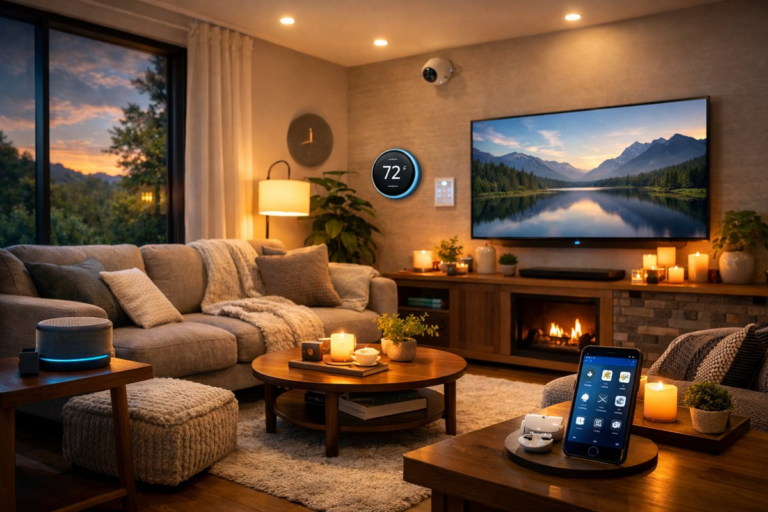
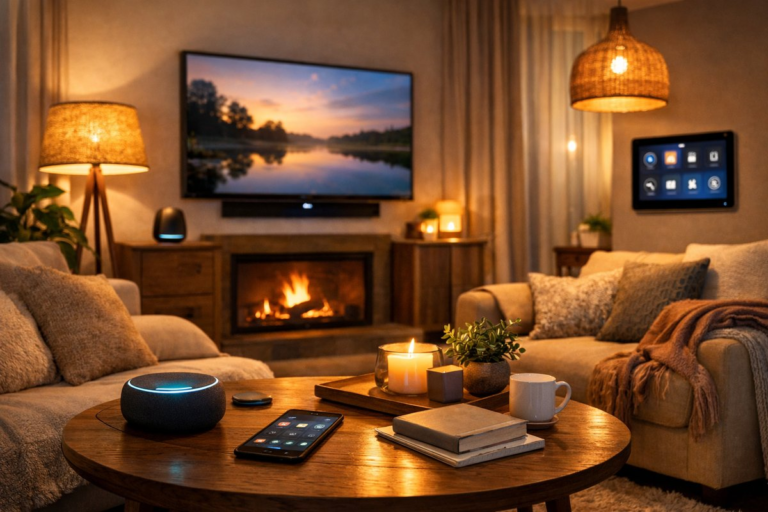
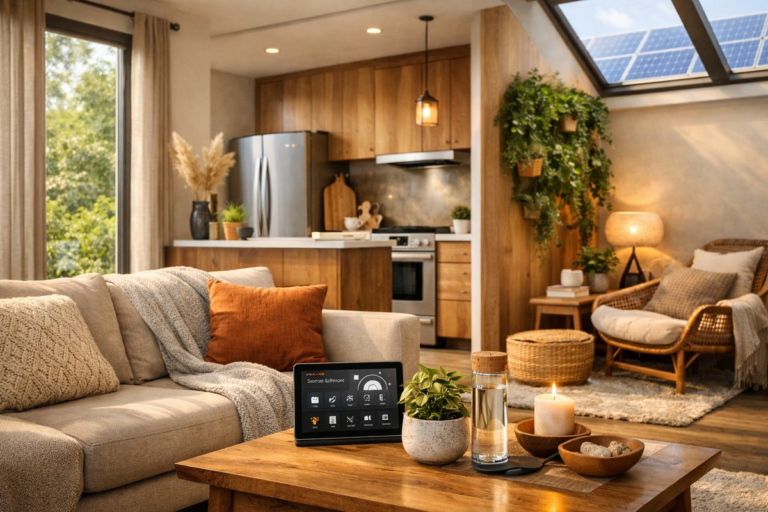
Even as technology edges into every corner, designers are reinforcing the value of human touch. Sustainable textiles-recycled wool throws, certified organic cotton rugs, and plant-based foam cushions-are threading through these smart environments. Many suppliers now use low-impact dyes and carbon-neutral shipping to match the ethos of the connected hardware. The result is a living room where a voice-activated speaker coexists with a soft jute rug, and an eco-leather lounge chair faces a living wall of air-purifying succulents.
Privacy and security also retain center stage. Rather than high-def cameras scanning every angle, some homeowners are opting for ultrasonic motion sensors and encrypted gesture controls. Doors and windows equipped with biometric tokens or rolling-code key fobs lock automatically when no recognized profile remains. A growing number of solutions strip geolocation data from device logs and generate one-time passcodes for service visits-maintaining safety without overexposing personal routines to cloud servers.
Emotional intelligence is woven into the latest wave of home tech as well. Smart speakers and displays no longer view users as avatars stripped of nuance; AI companions are being trained to interpret tone and context. In one beta test, an in-home assistant steers clear of playing loud music if it senses late-night tension in callers’ voices, instead recommending guided meditation or soothing soundscapes. While still in early release, these empathetic features point toward environments that acknowledge mood swings and aim to lift spirits rather than merely execute commands.
Industry experts say this fusion of low-impact materials, adaptive intelligence, and heart-centered design represents the next frontier in intentional living. Architects and product teams are collaborating more closely than ever, with material scientists, software engineers, and wellness coaches under the same roof. The goal is no longer to showcase a single gadget, but to curate a cohesive sensory journey from entryway to bedroom.
A handful of forward-thinking developments hint at even broader shifts ahead. Textile blinds that harvest solar energy for powering window sensors. Smart kitchen countertops with embedded thermistors to detect pan temperature and warn against scorching. Floor tiles that harvest piezoelectric energy from footsteps, charging low-power devices. As these concepts move from labs to living rooms, homeowners will have even more ways to align everyday comfort with planetary care.
Intentional home living no longer means sacrificing style for sustainability or comfort for conservation. Today’s breakthroughs ensure that every light beam, leafy sprig, and drop of water is used with deliberation, creativity, and respect. As these innovations reach greater scale, they promise to transform ordinary interiors into thoughtful sanctuaries-spaces that respond to needs, uplift the spirit, and nurture the planet simultaneously.