Location
Mount Vernon, WA 98274

Location
Mount Vernon, WA 98274
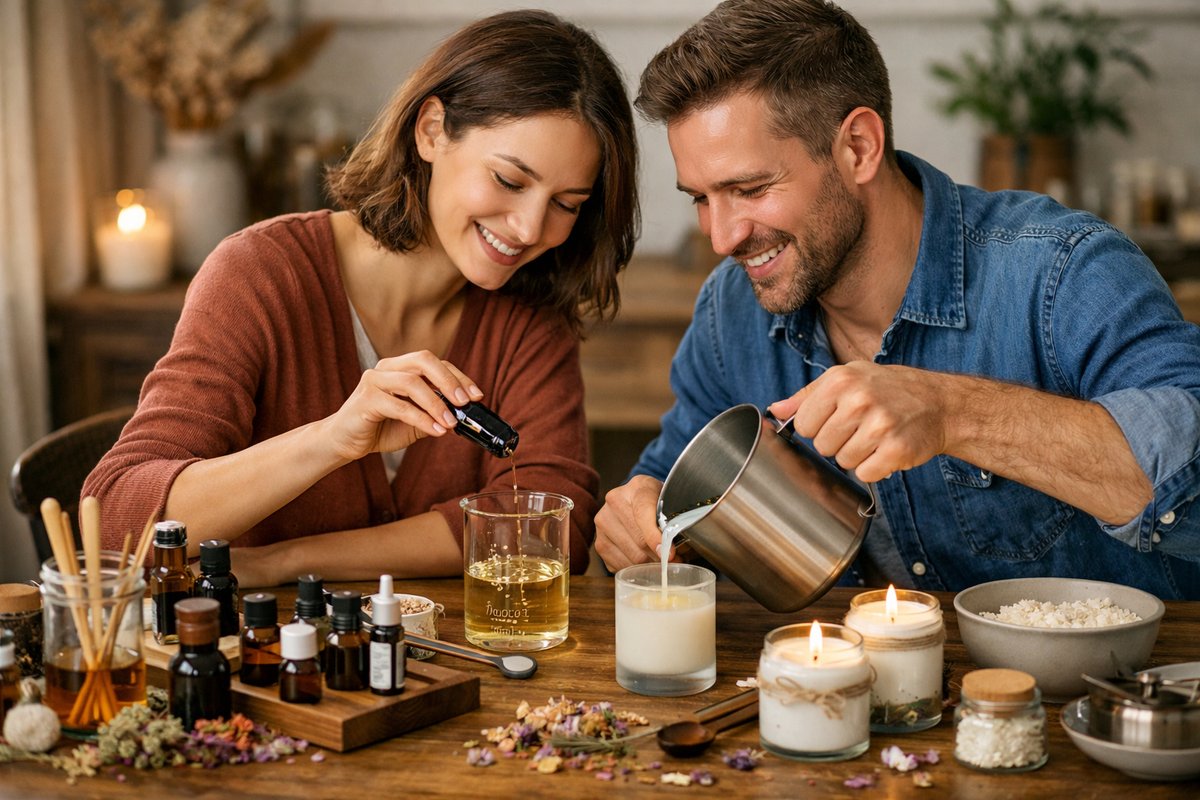
From mixing essential oils to pouring soy wax, more couples are embracing DIY fragrance rituals at home. A recent survey shows nearly a third of partners now turn to scent-making workshops or kits to cultivate shared memories and open new channels of communication.
At a brightly lit kitchen table in suburban homes and city apartments alike, couples are measuring essential oils, testing fragrance blends, and whispering feedback in a shared pursuit of intimacy. Across social media, videos tagged with #CoupleCrafting have received millions of views, as partners reveal their homemade scented candles, personalized roll-on perfumes, and room sprays. Far more than a craft trend, this movement is reshaping how relationships grow by inviting couples to negotiate preferences, practice patience, and celebrate small successes.
A recent survey conducted by the Artisan Market Collective found that 29 percent of couples tried a DIY fragrance ritual in the past year, with nearly half citing improved communication as a key benefit. Experts in relationship psychology note that these shared creative experiences tap into multi-sensory bonding. “Scent is uniquely tied to memory and emotion,” says a licensed counselor specializing in couple therapy. “When partners blend their favorite notes together, they’re literally forging a sensory signature of their relationship.”
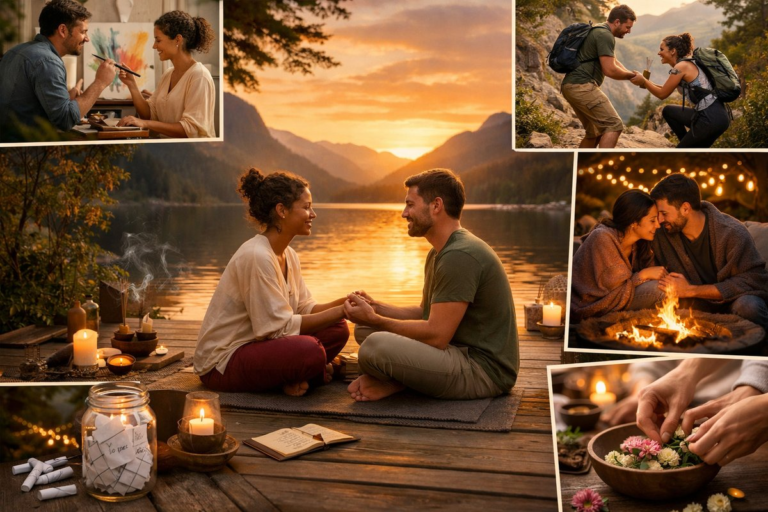
Among the most popular home projects is making soy-wax candles. The process begins with selecting wax pellets, adding chosen fragrance oils, and carefully pouring into glass jars. Couples describe the ritual of stirring and scent-testing as a moment to slow down and engage in lighthearted dialogue. “We spent ten minutes arguing over which citrus note was brighter,” recalls one participant. “But then we discovered the perfect balance of bergamot and grapefruit. It felt like finding our compromise in a jar.”
Perfume roll-ons and room sprays have emerged as another accessible entry point. Partners combine base, middle, and top notes-think sandalwood, lavender, and sweet orange-to craft a signature blend. Experimenting with ratios requires trial and error: too much wood can feel heavy, while an overdose of floral leads to headiness. This iterative process invites couples to listen and adapt. “I never realized how much I leaned on my partner’s input to fine-tune the scent,” says one participant. “It taught me the importance of small adjustments in both fragrance and our interactions.”
Community workshops have sprung up in wellness studios and craft spaces nationwide. In these group settings, facilitators guide couples through scent psychology, safety measures, and design principles. Participants often remark on the unexpected synergy of collective creativity. “Watching another pair’s blend inspired us,” explains one attendee. “Their use of peppermint and cedar inspired a fresh idea for our own candle. You learn from each other.”
While hobbyists celebrate the social side of crafting, data suggests deeper emotional payoffs. The National Relationship Institute reports that couples who engage in joint creative projects at least once a month score 22 percent higher on scales of mutual understanding. The act of choosing scents together becomes a metaphor for honoring each other’s preferences. “When you smell something your partner designed, you’re reminded of their thoughtfulness,” says the institute’s lead researcher. “That reinforces appreciation.”
Couples also find practical advantages in these rituals. Homemade fragrance products often replace store-bought air fresheners laden with artificial chemicals. Partners can opt for organic soy, clean waxes, and therapeutic essential oils. Such choices align with growing interest in sustainable living and health consciousness. A survey from Green Living Today shows that 64 percent of young adults prefer DIY homecare to reduce plastic waste and synthetic additives.
Beyond the crafting itself, couples are developing daily scent rituals. One popular practice involves spritzing their shared roll-on perfume before a morning coffee or adding a drop of essential oil to a diffuser during time together. These simple acts serve as sensory reminders of partnership. “When I walk into the living room and smell our blend, it’s like an invisible hug,” admits one partner. “It triggers that warm feeling of being a team.”
Some couples take the experience further by gifting their handcrafted items to family and friends. These personalized presents carry stories of collaboration. “My partner and I gifted candles to our wedding party,” says a newlywed. “Each scent combination reflected different aspects of our friendship. It was deeply meaningful.”
For relationships undergoing stress-whether a busy career phase or long-distance separation-the fragrance rituals can act as a touchstone. Therapists report that clients often bring candle-making supplies into sessions as metaphors for rebuilding trust and warmth. “The flame represents shared energy,” one counselor observes. “Keeping it alight parallels nurturing the relationship.”
Of course, crafting is not a cure-all. Some couples find the trial-and-error process frustrating, particularly if they clash over aesthetic or olfactory choices. But these tensions can become opportunities to practice negotiation and patience. “Our first batch of candles smelled like burnt popcorn,” laughs one participant. “We learned to laugh at mistakes and start over together. That resilience is what matters.”
As the movement grows, so do creative offshoots. Virtual fragrance design apps allow partners to collaborate online, sampling digital scent swatches and swapping notes. Subscription boxes deliver curated essentials for drip candles, diffusers, and perfume rollers directly to doorsteps. Even local artisans have begun offering couple-focused scent experiences, pairing fragrance mixing with guided journaling or mindful breathing exercises.
Ultimately, the surge in DIY fragrance rituals highlights a larger shift in how couples approach relationship care. No longer content with generic date nights, partners seek experiences that engage multiple senses and foster active participation. Creating something tangible-be it a glow-in-the-dark candle or a calming lavender spray-offers a shared achievement that lingers long after the activity ends.
In a world overloaded with screens and instant gratification, the slow alchemy of scent-making reminds couples to pause, collaborate, and breathe together. As one participant puts it, “We didn’t just make candles. We made memories.”