Location
Mount Vernon, WA 98274

Location
Mount Vernon, WA 98274
A growing wave of travelers is swapping postcard moments for purpose-driven weekends. From trail restoration in alpine villages to homestays teaching traditional crafts, short-term community missions are turning getaways into lasting impact.
When Anna boarded a regional train bound for the foothills of the Andes, she wasn’t chasing sunrises or Instagram panoramas. Her itinerary included repairing stone steps on a remote mountain path, evening storytelling sessions with local elders, and a morning spent planting native shrubs to prevent soil erosion. By Monday she would return home with rugged boots, a camera full of candid smiles and the quiet pride that comes from forging a genuine connection with a place and its people.
A new trend is emerging in the travel world: micro-voluntourism, or purpose-packed weekend missions that blend adventure with community contribution. Unlike lengthy altruistic programs or traditional tours, these bite-sized projects promise immediate, tangible benefits for fragile ecosystems and heritage communities. They also satisfy the modern traveler’s appetite for immersive, hands-on experiences without demanding weeks or months away from work and family.
One recent report from the Global Adventure Council found that 42 percent of leisure travelers would consider a volunteer component in a short trip if the opportunity matched their skills-whether masonry, teaching a language, or trail building. This micro-engagement model appeals to time-pressed explorers who crave authentic cultural exchange and sustainable practices but can’t commit to extended volunteering stints.
Across Europe, grassroots organizations have sprung up to coordinate weekend missions. In rural Portugal, volunteers retrofit centuries-old olive presses to preserve a millennia-old tradition. In the Scottish Highlands, groups partner with land trusts to replant native woodlands and protect watershed health. In Japan’s coastal towns, international visitors join local fishers for beach clean-ups and marine debris mapping.
These missions often start with a digital platform that matches travelers’ skills and interests with projects organized by community groups or conservation NGOs. Travelers fill out a profile listing their proficiency in languages, manual crafts, or environmental science. The platform then suggests weekend programs that require those specific skills. Payment covers on-the-ground coordination, local guiding, basic lodging and meals, plus a small donation to offset logistical costs.
Sustainable travel gear has also evolved alongside these missions. Travelers are investing in durable, multi-use items designed for minimal ecological impact: compact solar chargers for off-grid power, refillable water systems that eliminate plastic waste, and quick-dry textiles crafted from recycled fibers. Many packing lists now highlight ethical sourcing and circular design, reflecting a collective push to leave no trace beyond footprints and goodwill.
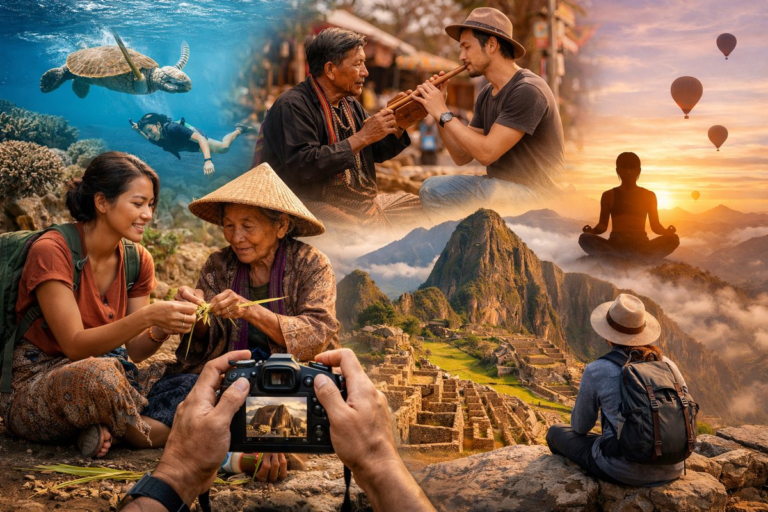
Cultural immersion lies at the heart of these micro-voluntourism trips. Homestays with artisan families, hands-on workshops in traditional craftsmanship, and participatory cooking sessions combine cultural learning with concrete support for local livelihoods. For a small town grappling with youth out-migration, welcoming a handful of weekend enthusiasts who buy locally made pottery or learn age-old weaving techniques can inject vital income and encourage cultural preservation.
Take the remote village of Flores in central Mexico. For decades, young residents left for nearby cities in search of jobs. A local nonprofit launched two-day “heritage missions,” pairing volunteers with community elders to map hidden archaeological sites and revitalize ancient irrigation canals. The influx of volunteers helped document lost histories and breathe new life into agricultural systems that sustain local food security.
These brief but intense encounters foster empathy and mutual respect. Travelers return home with a deeper grasp of global challenges-climate resilience, cultural erosion, language loss-and often spur ripple effects by sharing stories with friends and social networks. Host communities benefit from a short-term workforce and new skills, then decide how best to carry projects forward once volunteers depart.
The economic impact, though modest on a per-trip basis, becomes significant when aggregated. A consortium of European rural villages reported a 15 percent increase in off-season tourism revenue after launching weekend volunteer experiences. Ancillary spending on local markets, family-run guesthouses and regional transport added further stimulus to areas previously overlooked by mainstream tour operators.
Digital tools are key to scaling these missions responsibly. Interactive mapping apps track real-time progress on trail repair or reforestation sites. Mobile platforms offer language guides and cultural briefings to help volunteers navigate local customs. Carbon calculators estimate emissions from travel and suggest offset options tied directly to the community project, such as planting native saplings or installing solar panels on a community center.
Despite the enthusiasm, pitfalls remain. Short engagements risk superficial impact if not carefully planned. Over-enthusiastic volunteers can disrupt daily life, strain limited resources or create dependency. Cultural misunderstandings can arise when visitors arrive with unrealistic expectations of luxury or leisure. To mitigate these issues, reputable operators emphasize pre-departure orientation, respectful behavior codes and ongoing dialogue with community leaders.
For prospective micro-voluntourists, experts recommend five key steps: assess your skill set and desired level of engagement; vet organizations for transparent impact reporting; choose projects with clear post-trip follow-up plans; pack light, multifunctional gear with sustainability certifications; and remain open to learning, listening more than speaking.
Weekend missions may not solve every global challenge, but they offer a powerful antidote to passive tourism. By shortening the cycle between departure and local impact, micro-voluntourism turns fleeting trips into catalytic experiences. The next time you plan a weekend escape, consider whether a few days of trail restoration or cultural documentation could be the most rewarding adventure of your life-both for you and the communities you visit.