Location
Mount Vernon, WA 98274

Location
Mount Vernon, WA 98274
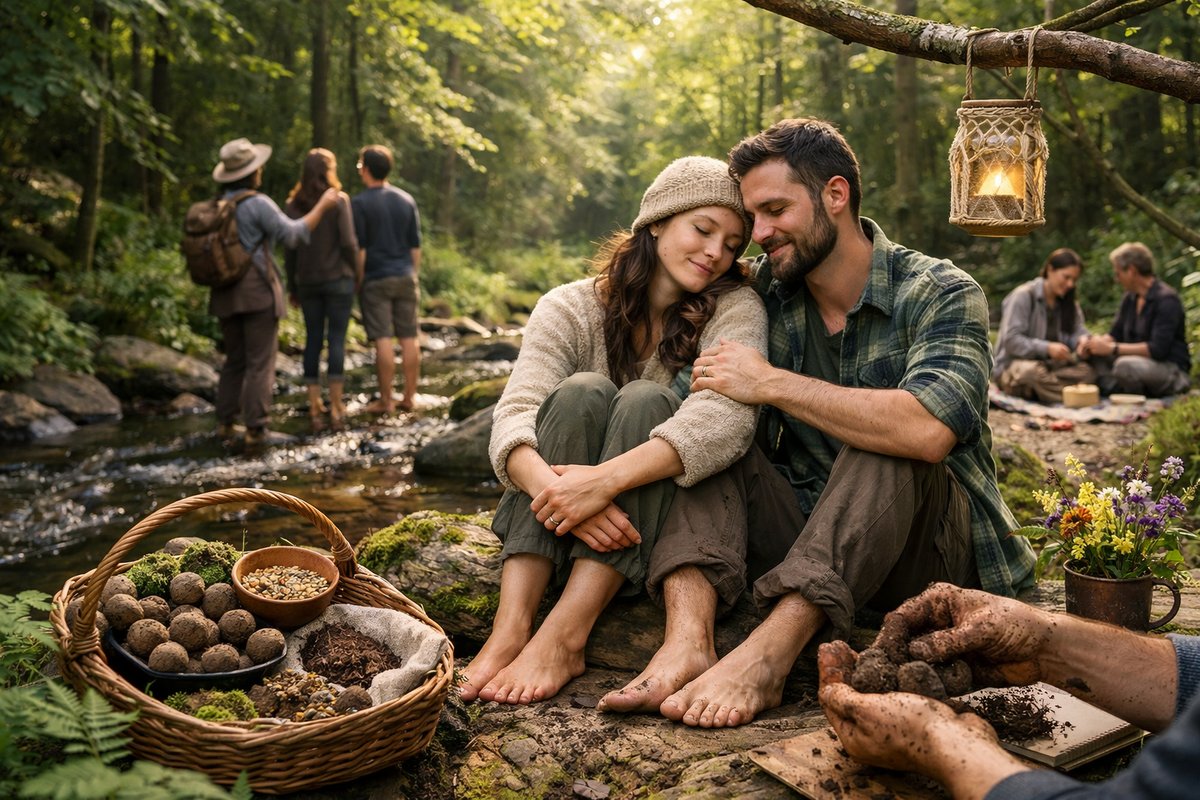
When the world feels increasingly fast and digital, more couples are stepping outside to rediscover each other through nature-based rituals. From guided forest bathing walks to seed-ball crafting, ecotherapy date nights are cultivating calm, connection, and a shared sense of stewardship.
As evening light filters through towering pines, a pair of partners pause on a mossy trail to inhale the scent of damp earth. Instead of scrolling social feeds on their phones, they close their eyes and listen to a distant creek. This simple pause in the woods has become a weekly ritual for many couples seeking to exchange digital distractions for genuine conversation under an open sky.
The practice of ecotherapy date nights combines principles of nature therapy with intentional time together. Rooted in clinical studies showing that green spaces reduce stress hormones, this trend is now evolving into a movement among relationship-minded couples. Rather than reserving the great outdoors for occasional hikes, partners are weaving nature-based rituals into their regular calendars to foster emotional intimacy.
After years of remote work and video calls, digital fatigue is at an all-time high. Notifications ping at odd hours, family and work blur, and shared moments risk being reduced to selfies and text threads. Ecotherapy date nights offer an antidote: a structured chance to unplug and tune into each other’s presence while breathing fresh air and tracking migrating birds instead of deadlines.
One cornerstone of these outings is forest bathing, a mindfulness technique developed decades ago in Japan. Couples stroll slowly, matching each other’s pace, and alternate guiding one another through sensory invitations-like identifying shapes in cloud formations or tracing the texture of fern leaves. The focus on gradual movement and mutual attention helps lower cortisol levels and gently nudges discussion toward personal hopes, worries, and daydreams.
Consider Jess and Marco, who began meeting every Saturday at a nearby park reserve. Equipped with nothing more than sturdy boots and water bottles, they found that the absence of urban noise gave room for vulnerability. Jess recalls opening up about a career frustration after smelling wild mint along a creek, while Marco shared childhood memories triggered by a fallen pinecone. After each walk, they sit on a fallen log and share a warm tea made from foraged herbs, a ritual that now anchors their entire week.
Many couples take forest bathing further by integrating field journaling into their excursions. A weatherproof notebook becomes a shared canvas for sketching fern fronds, pressing wildflowers, or jotting impressions of sunlight through leaves. Writing poetry together, or even comparing simple bullet-point lists of sensory highlights, can spark deeper empathy when partners later revisit their entries at home.
“Nature has a way of disarming ego defenses,” says a clinical psychologist who specializes in couples therapy. “When partners engage in novel outdoor experiences, they activate the parasympathetic nervous system. This quiets internal criticism and invites genuine curiosity about one another’s emotional landscapes.” The expert notes that even brief exposure-ten minutes of listening to wind through branches-can shift conflict-related brain activity toward cooperation.
Beyond forest trails, creative ecotherapy rituals are taking root. Some couples make seed balls together, combining clay, compost, and wildflower seeds into small pods that they later toss into neglected city lots. The act of co-creating living art fosters teamwork, and watching those seeds sprout months later offers a shared reward that extends beyond the date itself.
Research from environmental psychology journals shows that couples who spend at least two hours per week in green spaces report 23 percent higher relationship satisfaction than those who remain indoors. Time in nature not only lowers personal stress but also reduces perceived partner criticism, creating space for more compassionate listening.
Planning an ecotherapy date night can be simple. Choose a nearby natural area-forest preserve, lakeshore, community garden-and arrive before peak crowds. Pack lightweight essentials: water, snacks in reusable containers, and a small blanket or mat. Leave phones in airplane mode and designate specific moments to check for emergencies, rather than allowing continuous notifications to intrude.
Gear choices can enhance the experience. A foldable hammock strung between two trees invites restful conversation. A portable watercolor set or botanical sketching kit turns leaf shape studies into interactive art sessions. A small, sturdy journal with waterproof pages preserves impressions during sudden rain showers. These tools support sensory immersion and leave behind nothing but footprints.
Not all couples live near old-growth forests. Urban ecotherapy adaptations have sprung up in city parks, rooftop gardens, and even community allotments. Partners might spend an evening watering communal flower beds, identifying migrating birds at a city reservoir, or watching clouds drift between skyscrapers. Many cities now host guided “green date” events led by trained facilitators who weave mindfulness and local ecology into accessible experiences.
Community workshops on seed ball making, wild herb teas, and moonlit beach walks have gained popularity. Apps that map nearby green trails or volunteer clean-up events can help couples discover new spots. These group settings also allow partners to share laughter and stories while feeling part of a wider network committed to environmental stewardship.
Seasonal variations add fresh layers. In spring, couples might press cherry blossoms in a shared album. Summer evenings can feature glow-in-the-dark fungi hunts, while autumn invites leaf-pile meditations. Winter might bring snowshoeing or a simple hot chocolate picnic under bare branches, with a thermos warmed by a portable stove. Embracing these cyclical rituals ties relationship growth to the rhythm of the natural world.
Of course, rain, snow, and mosquitoes can present challenges. Couples mitigate these by dressing in moisture-wicking layers, bringing biodegradable insect repellent, and having a flexible backup plan-like an indoor plant-care workshop or home-made terrarium construction. This adaptability itself becomes a bonding exercise in problem-solving and compassion.
Ecotherapy date nights also encourage sustainability. Using seed bombs to restore native plants or removing litter during a riverside stroll shifts the focus from passive consumption to active care. Partners learn to collaborate on tasks that benefit both their relationship and the environment, reinforcing shared values.
Psychologists emphasize that novelty is key to relationship vitality. Nature offers an ever-changing stage-new bird calls, shifting light patterns, unpredictable weather-that keeps partners engaged at a deeper level than routine dinners or movie nights. Coupling novelty with mindful reflection can reignite curiosity and gratitude.
To start your own ecotherapy date tradition, set an intention together-whether it’s to slow down, deepen communication, or simply laugh amidst wildflowers. Journal one question at the trailhead, like “What small moment in nature moves you?”, and revisit answers on the way back. Over time, these shared memories form a living anthology of partnership milestones.
As smartphones buzz with endless demands, returning to walking paths and forest edges reminds us that love can flourish in fresh air and sky-lit quiet. For couples ready to step off the beaten path, ecotherapy date nights offer a roadmap back to each other’s hearts-and to the wider world waiting just beyond the trail.