Location
Mount Vernon, WA 98274

Location
Mount Vernon, WA 98274
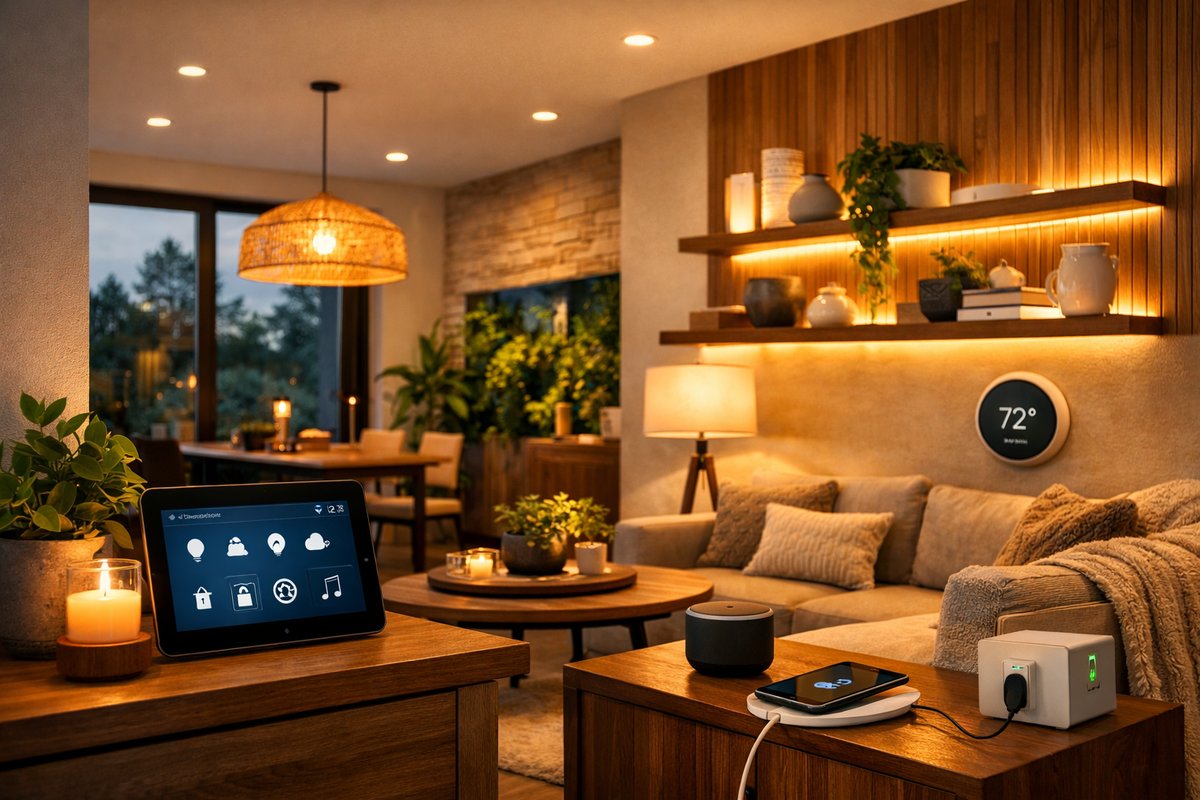
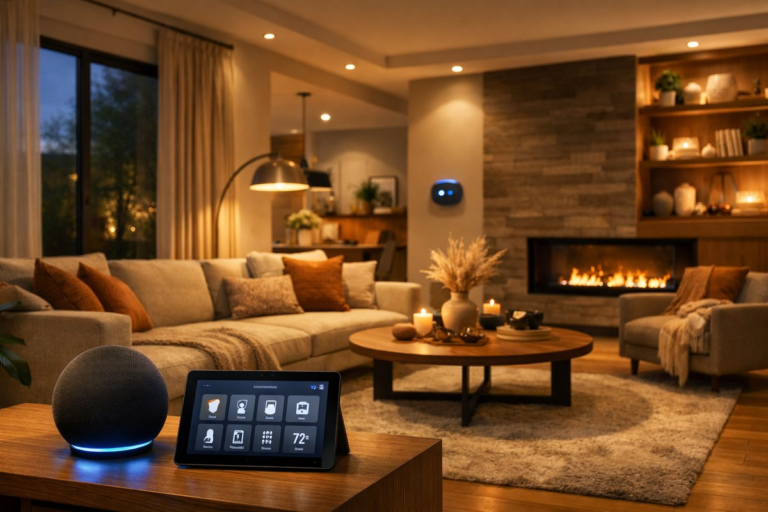
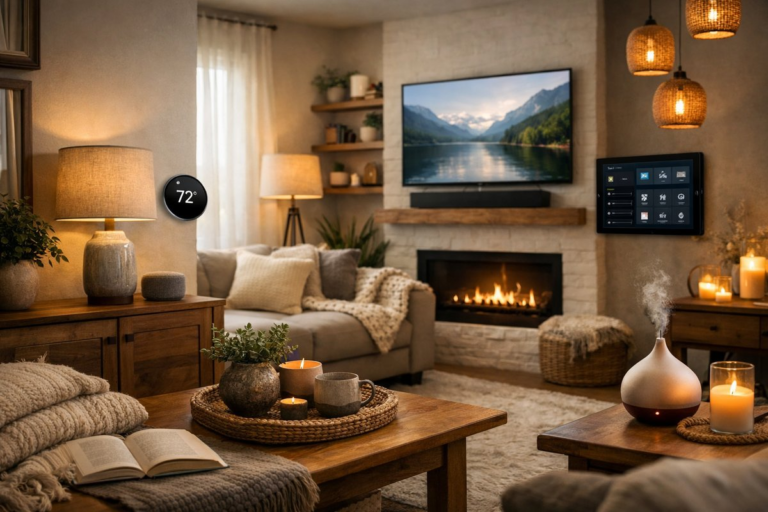
Modern living calls for spaces that blend smart technology with warm, intentional design. From automated lighting to sustainable materials, discover how thoughtful upgrades can create a home that feels both innovative and inviting.
In an era where technology and comfort are no longer mutually exclusive, the home has become a canvas for blending smart upgrades with cozy essentials. The desire to reimagine living spaces with intention-whether by automating daily routines or enhancing aesthetic appeal-reflects a growing trend towards homes that serve as both functional hubs and sanctuaries of well-being.
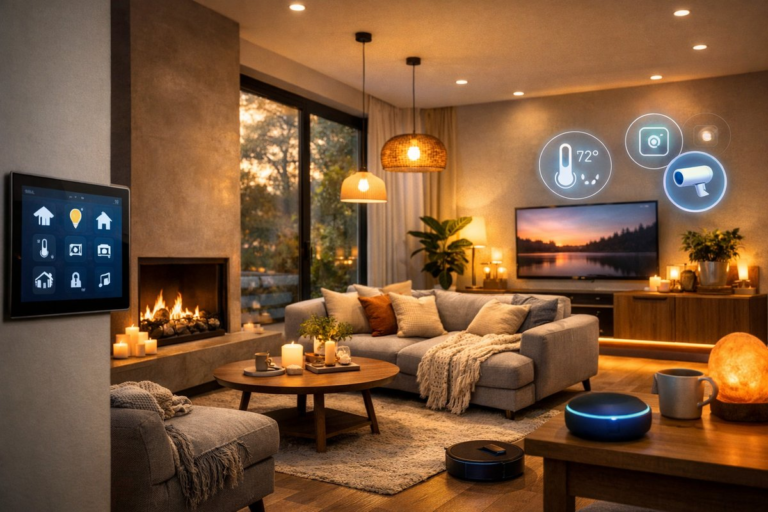
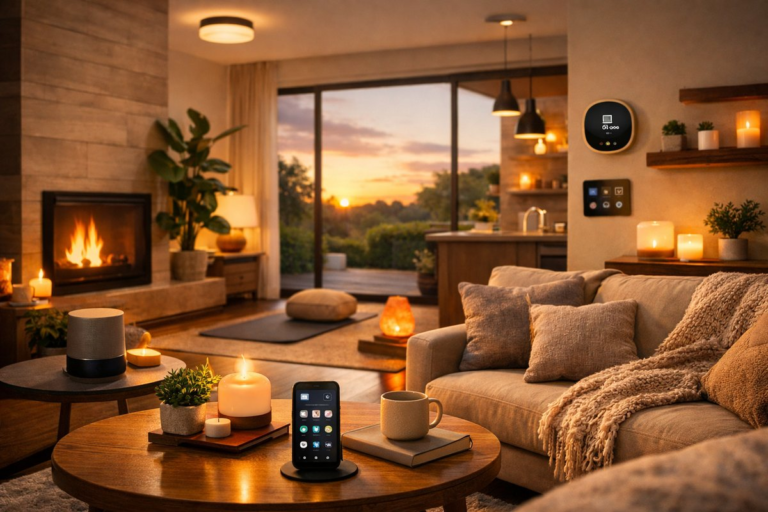
The integration of smart home technology is no longer reserved for luxury dwellings. Affordable and accessible options empower homeowners to control lighting, climate, and security with ease. For example, automated lighting systems not only offer convenience but also contribute to energy efficiency by adapting to natural light levels and occupancy patterns. This aligns with the sustainability values many homeowners prioritize today, reducing waste and lowering utility bills.
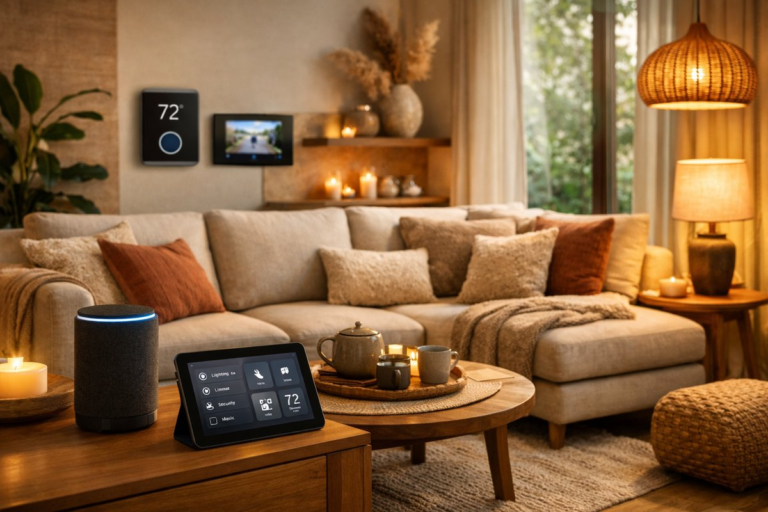
Climate control through smart thermostats enhances comfort by learning household schedules and adjusting temperatures accordingly. Such devices often come equipped with remote control via smartphone apps, allowing for pre-heating or cooling before arrival home. This seamless interaction between technology and lifestyle supports a more intentional approach to energy consumption.
Security remains a cornerstone of smart home upgrades. Advanced home security cameras and doorbell systems provide real-time monitoring and alerts, fostering peace of mind without intrusive surveillance. Importantly, privacy-conscious designs ensure that data is encrypted and controlled by the homeowner, addressing concerns about digital security.
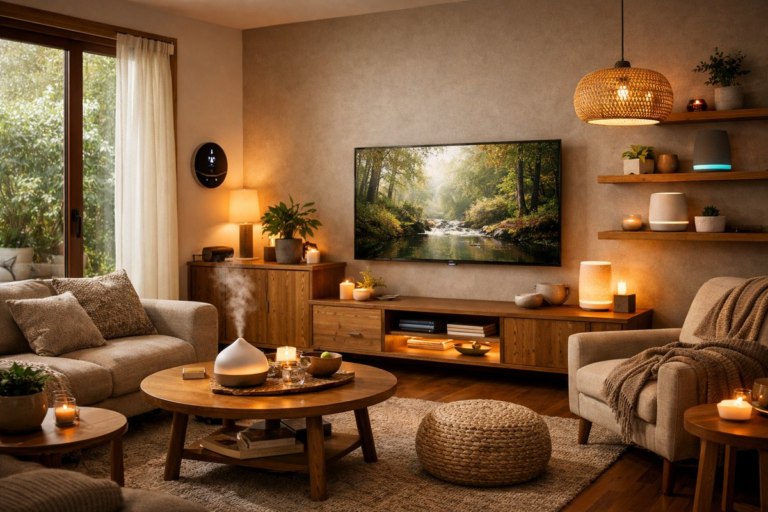
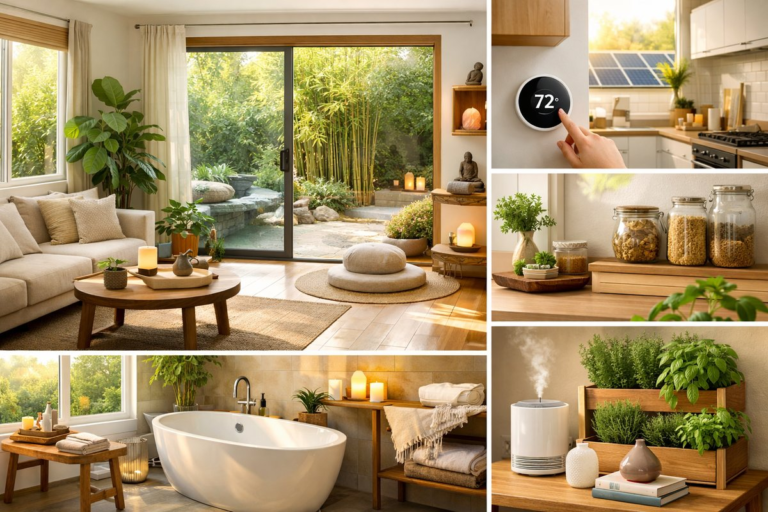
Beyond technology, the choice of materials and furnishings significantly impacts the ambiance of a home. Natural fibers like organic cotton, linen, and sustainably sourced wood contribute to a tactile warmth that synthetic materials often lack. Incorporating houseplants not only purifies the air but also introduces biophilic design principles, connecting indoor spaces with nature to enhance mental well-being.
Lighting design plays a pivotal role in creating cozy atmospheres. Layered lighting-combining ambient, task, and accent lights-allows for versatile moods that support different activities, from focused work to relaxed evenings. Warm light temperatures and dimmable fixtures encourage relaxation and help regulate circadian rhythms.
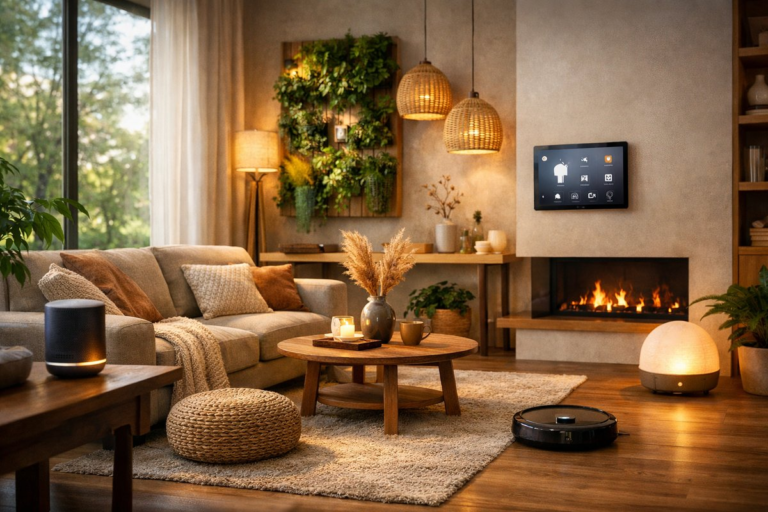
Textiles such as plush throw blankets, soft area rugs, and textured cushions invite touch and comfort, making rooms feel lived-in and welcoming. Choosing hypoallergenic and eco-friendly materials aligns with health-conscious living and environmental stewardship.
Furniture selection with modular and multifunctional pieces caters to flexible living arrangements, especially in urban settings where space is at a premium. For example, sofa beds, nesting tables, and storage ottomans maximize utility without sacrificing style.
In the kitchen and dining areas, smart appliances streamline meal preparation and reduce energy use. Induction cooktops, programmable coffee makers, and smart refrigerators with inventory management features exemplify how technology can enhance culinary experiences while minimizing waste.
Ultimately, reimagining your space is about harmonizing technology, sustainability, and comfort. By choosing upgrades and essentials that reflect personal values and daily needs, a home becomes more than a shelter-it transforms into a nurturing environment that supports well-being and mindful living.
As we move forward, the integration of AI-driven systems and eco-conscious design will likely deepen, offering even more sophisticated ways to tailor homes to individual lifestyles. Embracing these changes with curiosity and intentionality promises a future where homes are smarter, greener, and cozier than ever before.