Location
Mount Vernon, WA 98274

Location
Mount Vernon, WA 98274
In an age dominated by rapid transit and fleeting experiences, a growing movement embraces slow travel-immersive journeys that prioritize connection, reflection, and sustainability. This article explores how travelers today are redefining exploration by moving deliberately through landscapes and cultures, uncovering deeper stories and more meaningful encounters along the way.
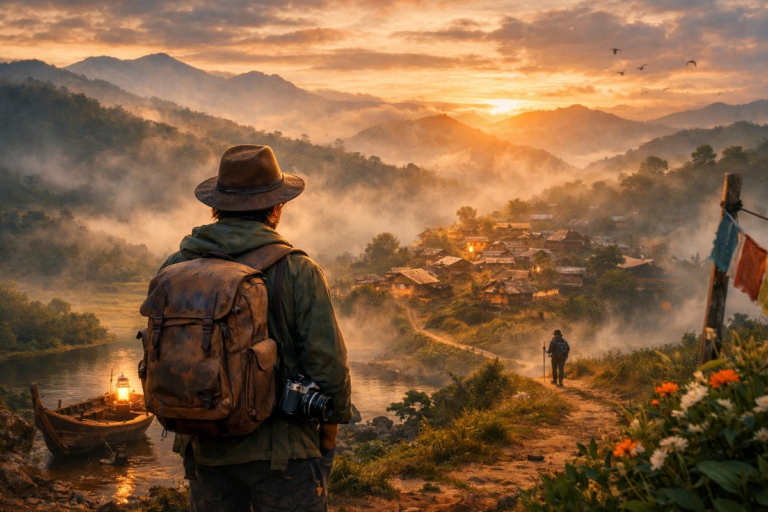
Travel, at its essence, is a form of storytelling. It’s a narrative woven from the threads of landscapes, cultures, and the inner transformations that unfold during the act of going. In recent years, a countercurrent to the fast-paced, checklist-driven tourism model has emerged: slow travel. This approach encourages travelers to linger, to immerse themselves fully, and to embrace the journey as much as the destination.
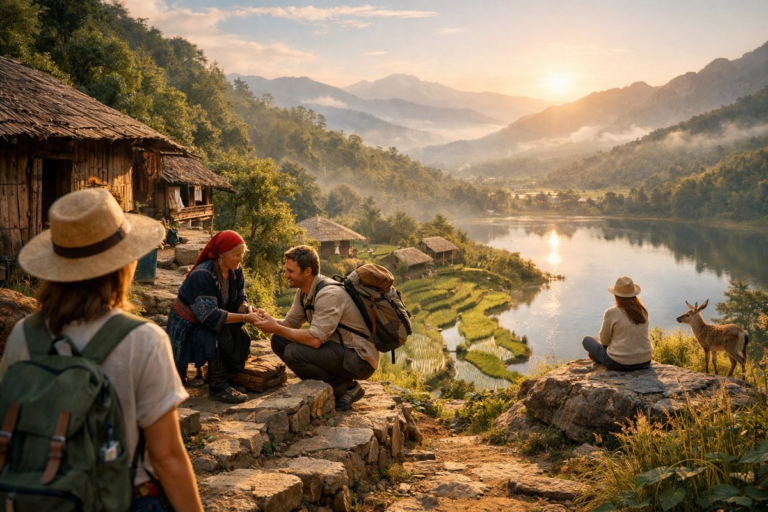
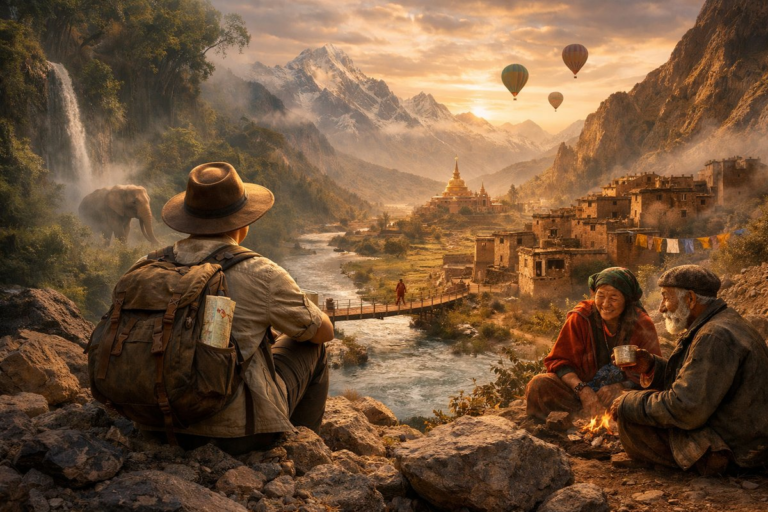
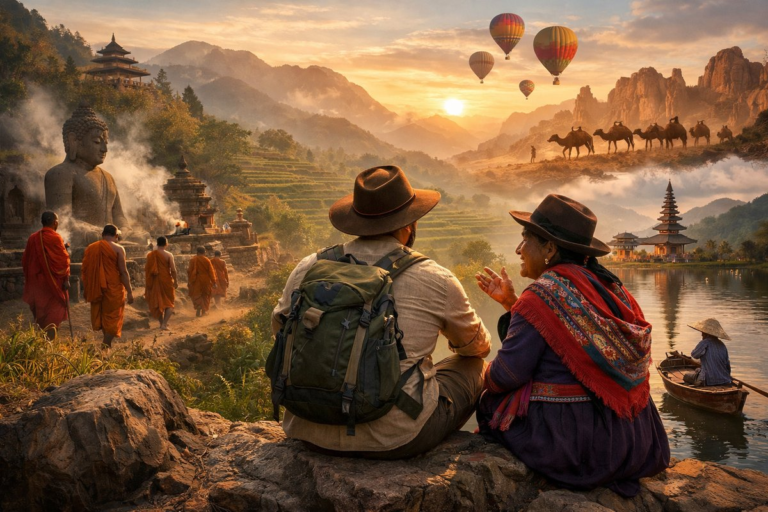
Slow travel is not just a trend; it’s a philosophy that invites us to reconsider what it means to move through the world. Instead of racing from landmark to landmark, slow travelers seek meaningful engagement with their surroundings-whether that’s sharing a meal with locals in a small village, learning traditional crafts, or simply observing the changing light over a mountain range. This approach fosters emotional intelligence and cultural empathy, qualities often lost in hurried itineraries.
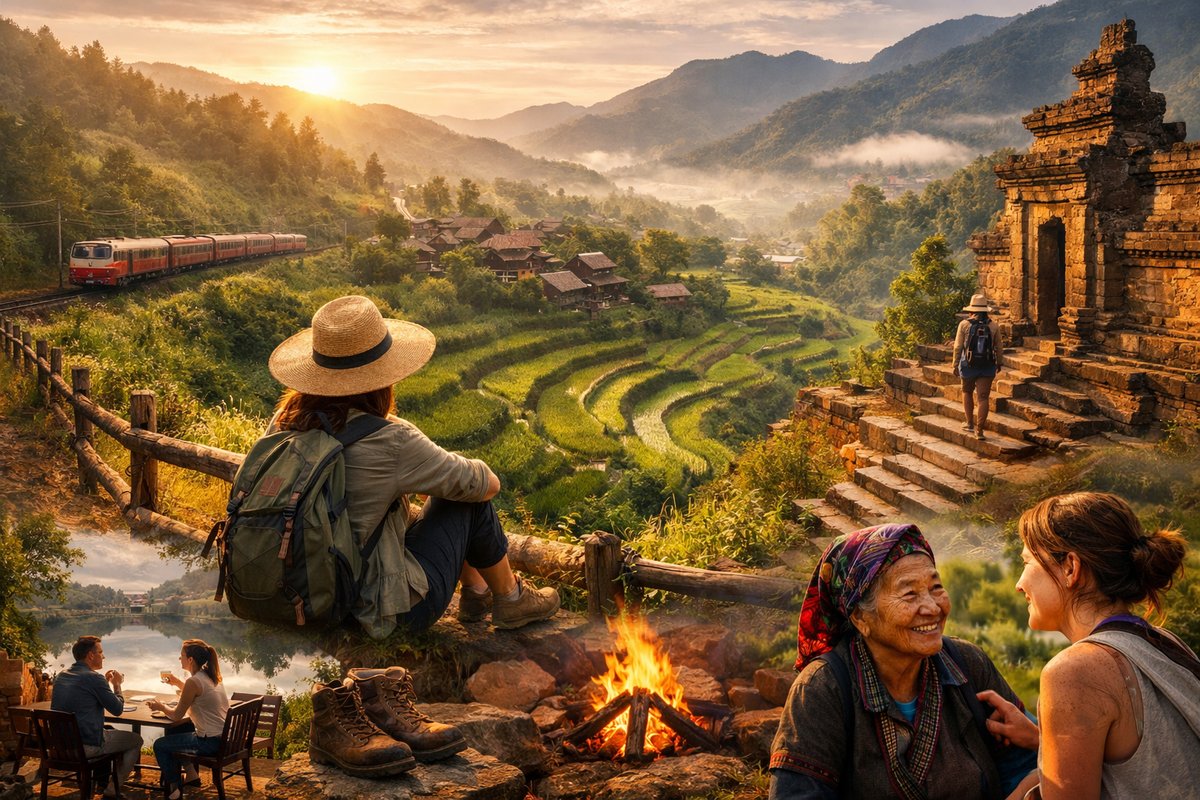
One of the key elements of slow travel is the mode of transportation. Walking, cycling, and train journeys are favored for their ability to reveal details often missed by air travel. For example, rail travel through Europe or Asia offers panoramic views of shifting landscapes and the chance to connect with fellow passengers. In rural or coastal regions, bicycle tours allow travelers to interact closely with nature and local communities. These methods also reduce environmental impact, aligning slow travel with sustainability values.
The resurgence of interest in rail journeys is particularly notable. Iconic routes like the Trans-Siberian Railway, the Glacier Express in Switzerland, or Japan’s scenic regional trains offer immersive experiences that blend comfort with cultural discovery. Modern travelers find that the rhythm of the rails provides a contemplative space, a kind of moving meditation where time stretches and stories unfold.
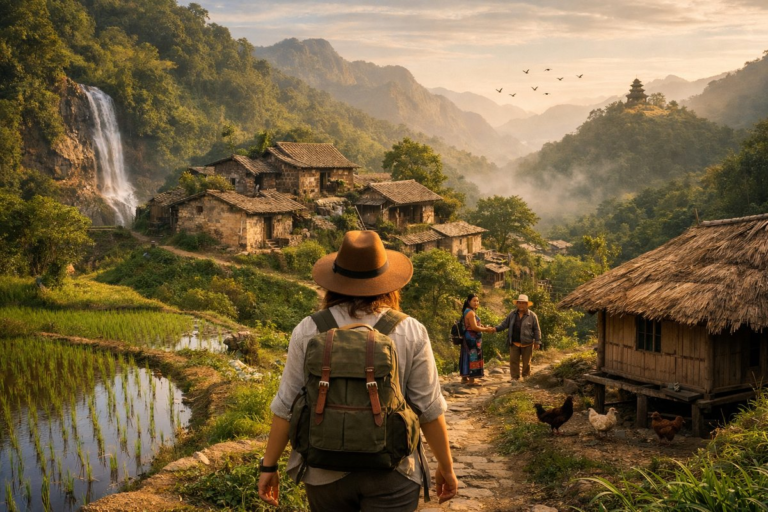
Another dimension of slow travel is the embrace of local accommodations over international hotel chains. Staying in family-run guesthouses, eco-lodges, or heritage inns supports community economies and preserves cultural heritage. These spaces often become portals into local life, offering authentic culinary experiences, storytelling, and artisanal crafts. Moreover, choosing accommodations with sustainable practices underscores a commitment to minimizing tourism’s footprint.
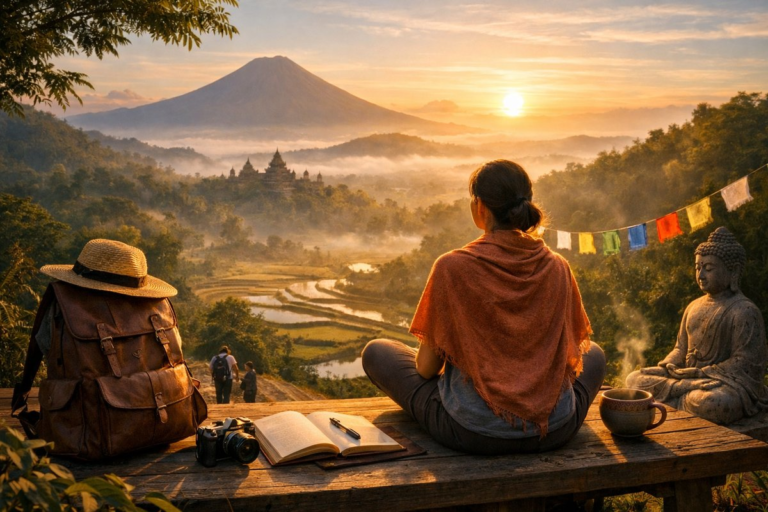
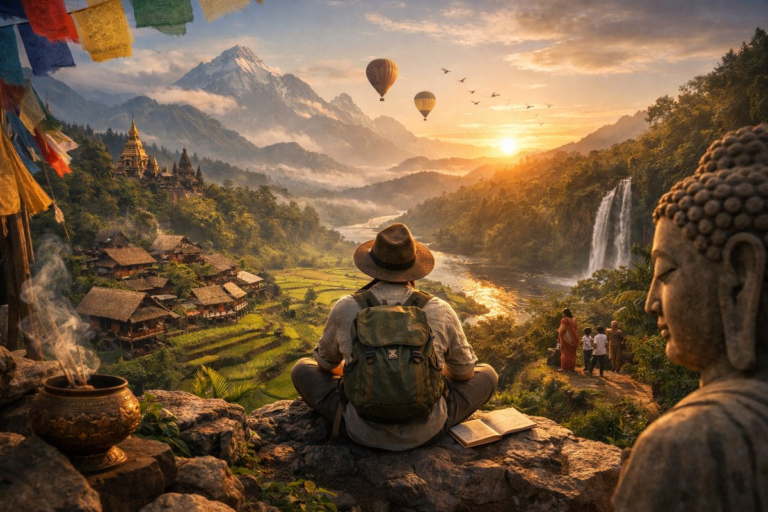
Slow travel also reconnects us with the natural world. Whether it’s trekking through ancient forests, exploring coastal wetlands, or camping under starry skies, these experiences foster a profound sense of place. They invite reflection on our relationship with the environment and inspire stewardship. Many slow travelers incorporate mindfulness practices-such as journaling or nature meditation-to deepen their connection to the journey.
The emotional benefits of slow travel are significant. Taking time to absorb new cultures and environments reduces travel anxiety and fosters a sense of belonging. It cultivates patience, curiosity, and openness to uncertainty. Travelers often report returning home with a renewed perspective, enriched by the stories and connections they gathered along the way.
Technology, often seen as a barrier to slow travel, can be a helpful tool when used mindfully. Digital maps, language apps, and offline guides assist navigation and communication without overwhelming the experience. Some travelers deliberately disconnect from social media to stay present, choosing instead to document their journey through handwritten notes or sketchbooks.
Slow travel also aligns with growing global awareness about the environmental and social impacts of tourism. Mass tourism has contributed to overtourism, habitat degradation, and cultural commodification. By slowing down, travelers can help alleviate these pressures, distributing economic benefits more equitably and fostering respect for local customs and ecosystems.
The COVID-19 pandemic accelerated interest in slow travel as people sought safer, less crowded experiences closer to home or in less-traveled regions. This shift has encouraged exploration of overlooked destinations-small towns, rural areas, and natural parks-where the pace of life invites deeper engagement. Such journeys often become transformative, offering space for personal growth and reconnection.
For those interested in embracing slow travel, practical steps include prioritizing quality over quantity, choosing environmentally friendly transportation, and seeking immersive experiences. Planning flexible itineraries that allow for spontaneity and rest can enhance the journey. Engaging with local guides and communities enriches understanding and fosters meaningful exchange.
Ultimately, slow travel is about reclaiming the art of going-not just arriving. It challenges the modern impulse toward efficiency and consumption, inviting instead a gentle unfolding of experience. In doing so, it nurtures curiosity, respect, and a sense of shared humanity.
As the world continues to grapple with the consequences of climate change, cultural homogenization, and social disconnection, slow travel offers a hopeful path forward. It reminds us that journeys are not merely physical movements but opportunities to grow, to listen, and to carry stories home that resonate long after the trip ends.