Location
Mount Vernon, WA 98274

Location
Mount Vernon, WA 98274
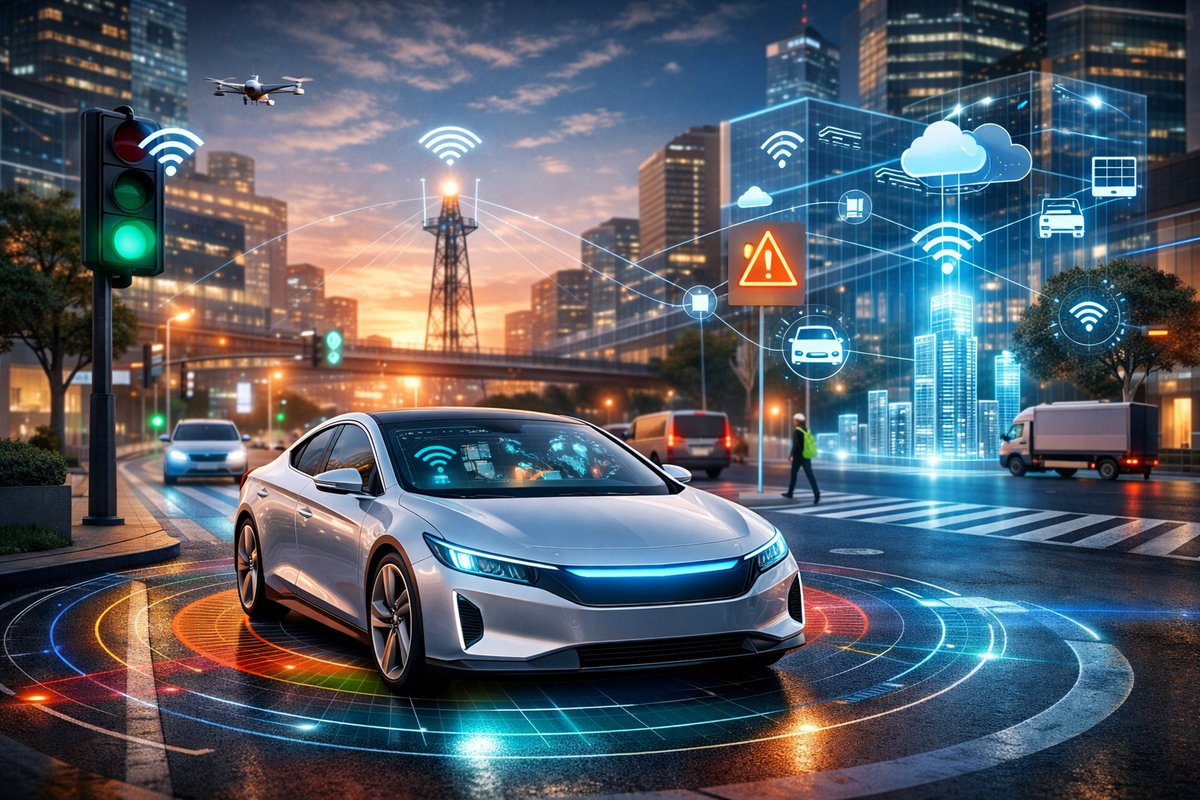
The automotive world is undergoing a profound transformation driven by innovations that extend far beyond electric powertrains. From advanced sensor fusion to vehicle-to-everything communication, the future of transportation promises enhanced safety, efficiency, and user experience. This article explores the latest technological breakthroughs redefining how we move through our cities and across landscapes.
The automotive industry stands at a pivotal crossroads where traditional mechanical engineering meets cutting-edge digital innovation. While electric vehicles have captured much of the spotlight in recent years, a broader ecosystem of technologies is quietly revolutionizing how vehicles operate, communicate, and integrate into our daily lives. This transformation encompasses artificial intelligence, connectivity, advanced materials, and human-centered design, collectively pushing transportation toward a future that is safer, smarter, and more sustainable.
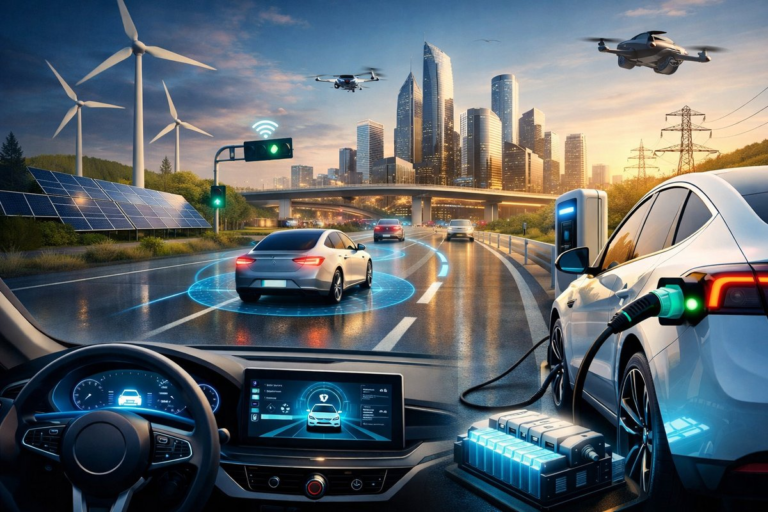
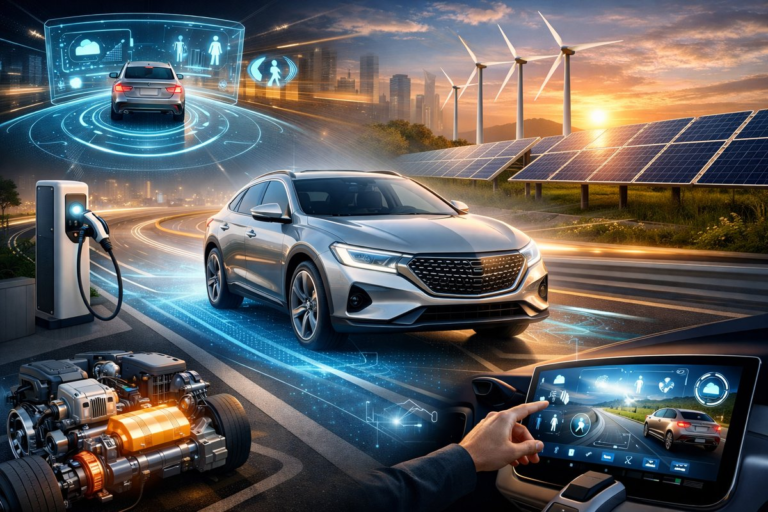
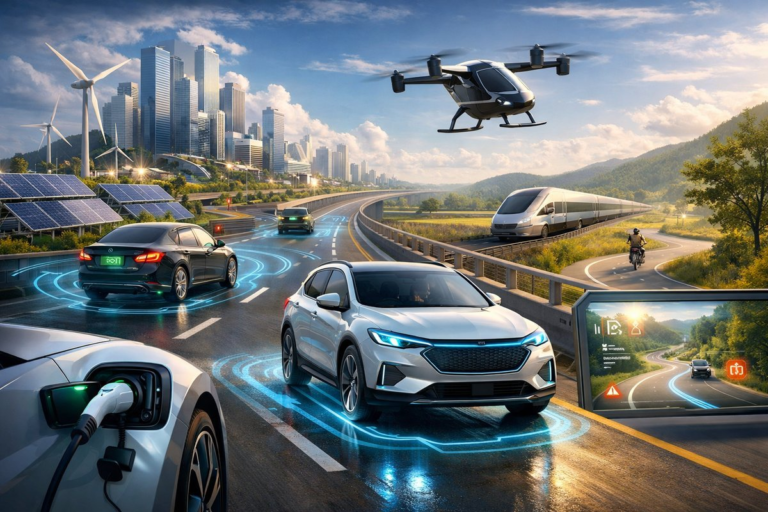
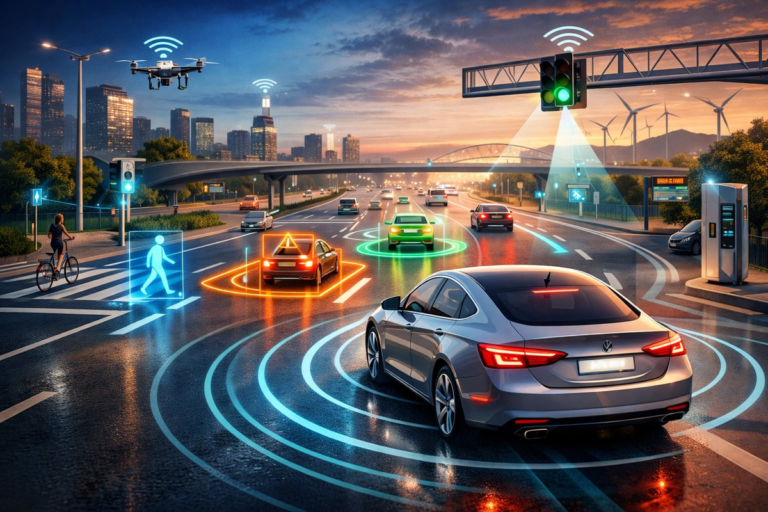
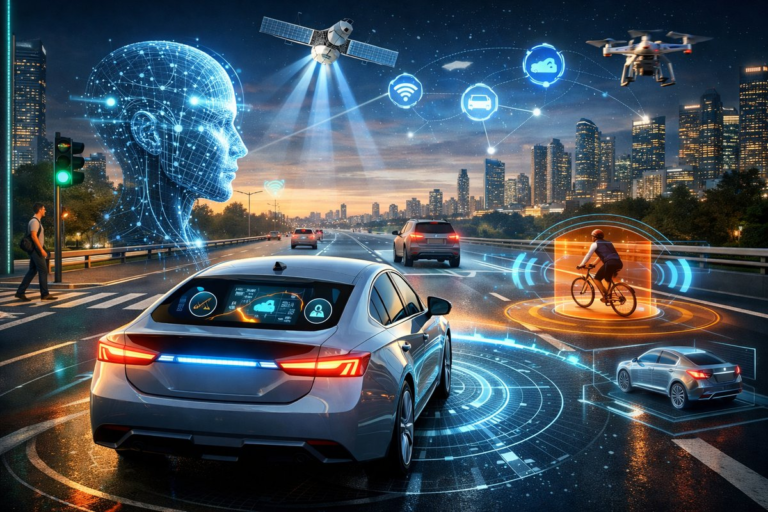
One of the most significant advancements is the integration of sophisticated sensor arrays and artificial intelligence algorithms that enable vehicles to perceive and interpret their surroundings with unprecedented accuracy. Modern cars are equipped with a suite of cameras, radar, lidar, and ultrasonic sensors that feed data into AI-driven systems capable of detecting obstacles, predicting pedestrian movements, and optimizing driving behavior in real time. This sensor fusion approach not only enhances driver assistance features but also lays the groundwork for fully autonomous vehicles.
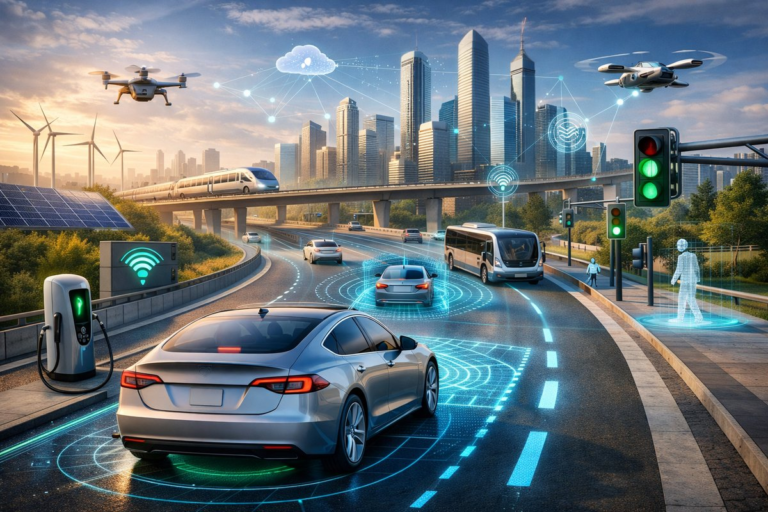
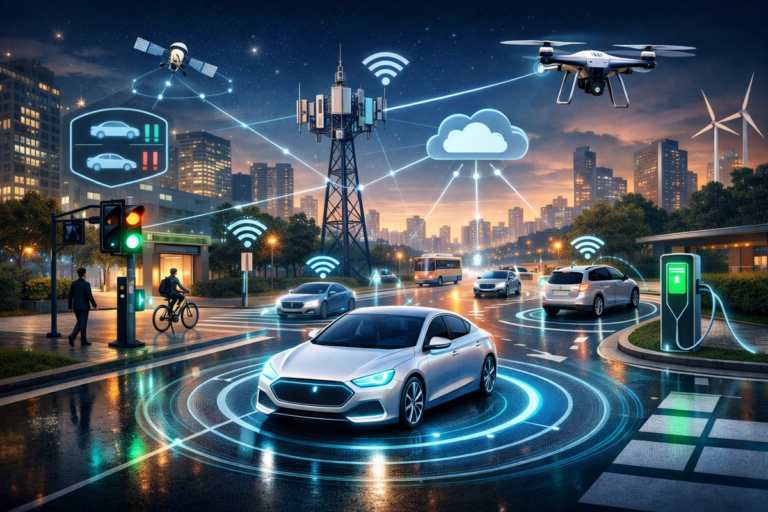
Beyond the vehicle itself, the rise of vehicle-to-everything (V2X) communication is reshaping the transportation landscape. V2X technology allows cars to exchange information with other vehicles, traffic infrastructure, and even pedestrians’ devices, creating a dynamic network that can anticipate and mitigate hazards before they materialize. For example, a vehicle approaching an intersection can receive real-time data about traffic signal phases or sudden braking events ahead, enabling smoother traffic flow and reducing accident risks.
Connectivity also extends to the cloud, where vehicles continuously upload and download data to improve performance and user experience. Over-the-air software updates have become a standard feature, allowing manufacturers to patch security vulnerabilities, enhance functionality, and introduce new features without requiring a physical service visit. This digital flexibility transforms cars into evolving platforms rather than static machines.
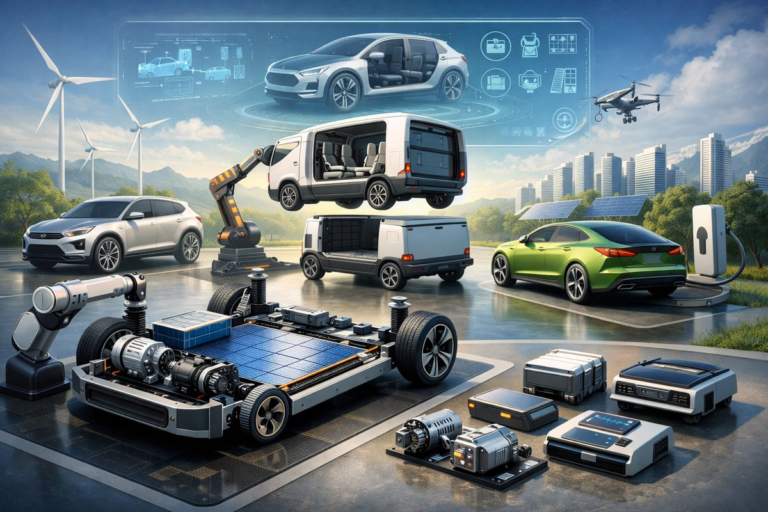
Material science innovations contribute another layer to this technological evolution. Lightweight composites and advanced alloys are increasingly used to reduce vehicle weight, improving energy efficiency without compromising safety. Furthermore, the adoption of sustainable materials sourced from recycled or bio-based origins reflects a growing commitment to environmental responsibility within the automotive sector.
Human-machine interfaces (HMI) are also undergoing a renaissance, focusing on intuitive, personalized interactions that reduce driver distraction and enhance comfort. Voice recognition systems have matured, enabling natural language commands that control navigation, climate, and entertainment systems. Augmented reality (AR) head-up displays project critical information directly onto the windshield, allowing drivers to keep their eyes on the road while accessing navigation cues, hazard warnings, and vehicle status.
The convergence of these technologies is fostering new mobility paradigms, including shared autonomous fleets and smart urban infrastructure. Cities are experimenting with integrated systems where autonomous shuttles communicate with traffic management centers to optimize routes and reduce congestion. These developments promise to democratize access to mobility, reduce carbon footprints, and improve overall quality of life.
However, the rapid pace of innovation also raises important questions about privacy, cybersecurity, and equitable access. As vehicles become data-rich nodes within broader networks, safeguarding user information and preventing malicious interference become paramount. Additionally, ensuring that technological benefits reach diverse populations without exacerbating social inequalities remains a critical challenge.
In conclusion, the future of automotive technology is a multifaceted journey that transcends electrification alone. By harnessing advances in AI, connectivity, materials, and human-centered design, the transportation ecosystem is evolving toward a more intelligent, responsive, and sustainable model. This transformation invites all stakeholders-manufacturers, policymakers, and consumers alike-to engage thoughtfully with the possibilities and responsibilities that lie ahead.