Location
Mount Vernon, WA 98274

Location
Mount Vernon, WA 98274
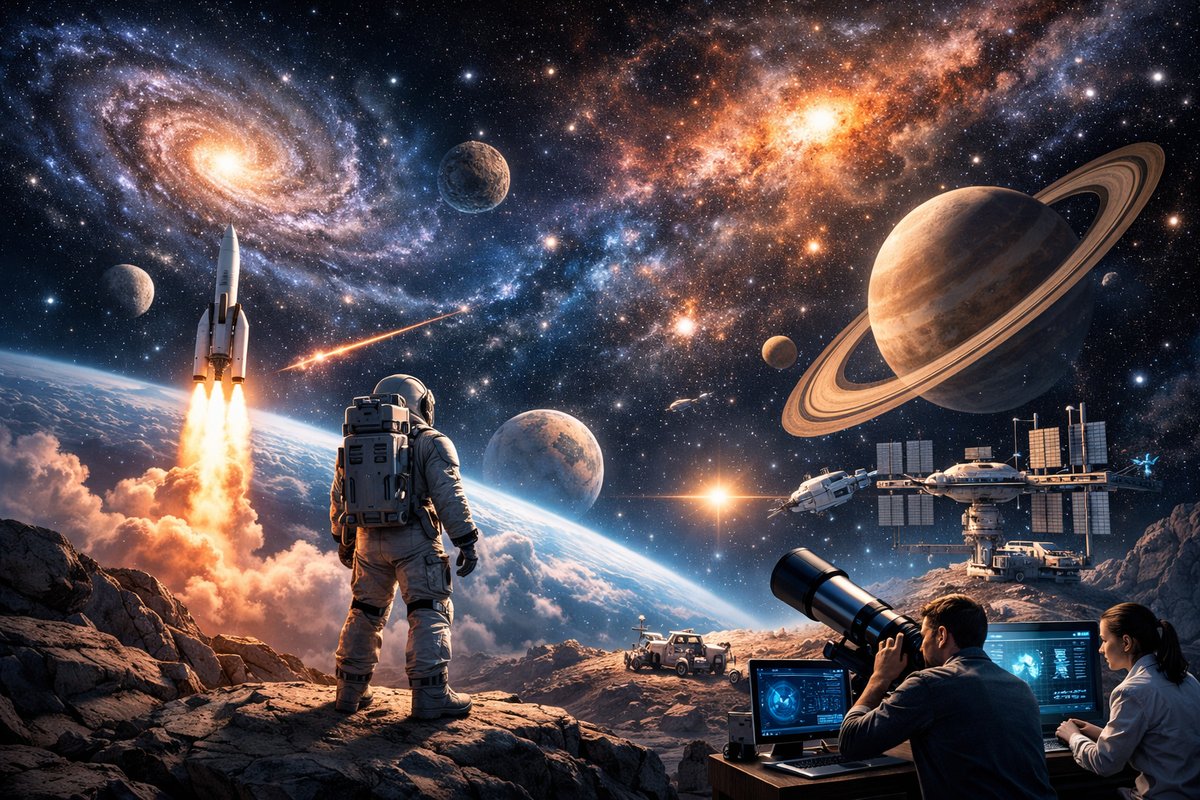
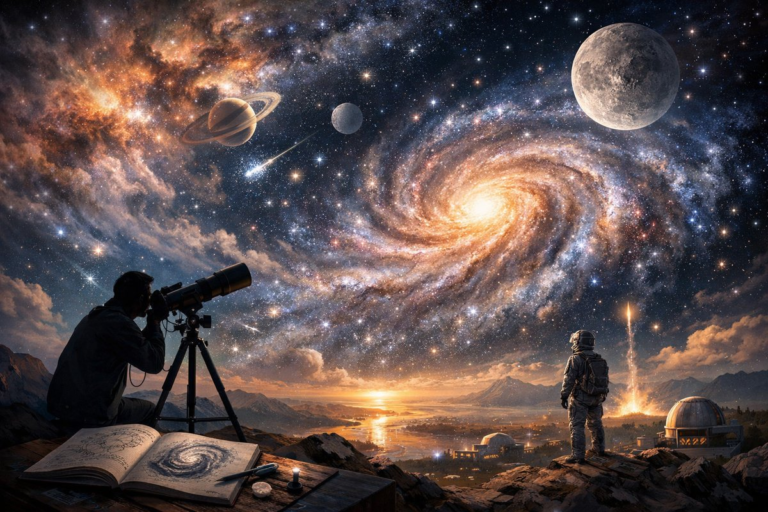
Cosmic curiosity propels humanity into the vast expanse of the universe, blending wonder with scientific inquiry. This restless fascination drives us to explore celestial mysteries, inspiring new technologies and reshaping our understanding of existence.
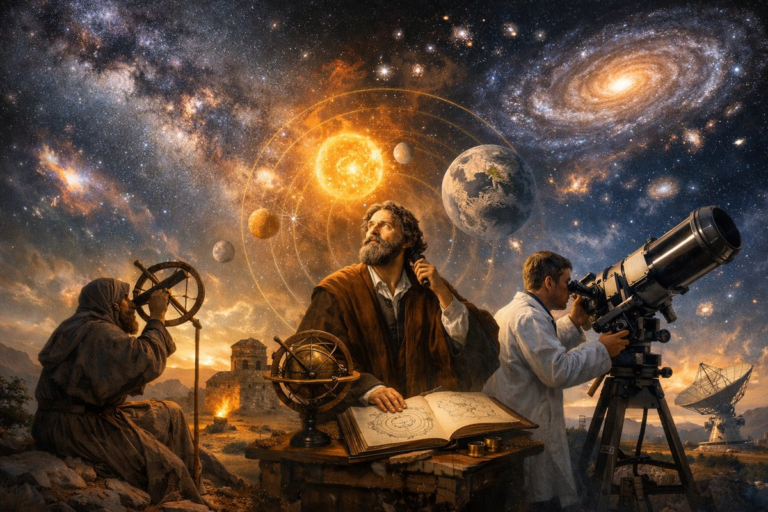
From the earliest stargazers who mapped constellations to today’s sophisticated space missions, cosmic curiosity has been a fundamental force shaping human culture and knowledge. It is a uniquely human trait – a blend of wonder, imagination, and relentless inquiry – that compels us to look upward and outward, seeking to unravel the secrets of the cosmos. This drive is not merely about accumulating facts; it is an emotional and intellectual journey that connects us to the universe’s profound mysteries and to each other.
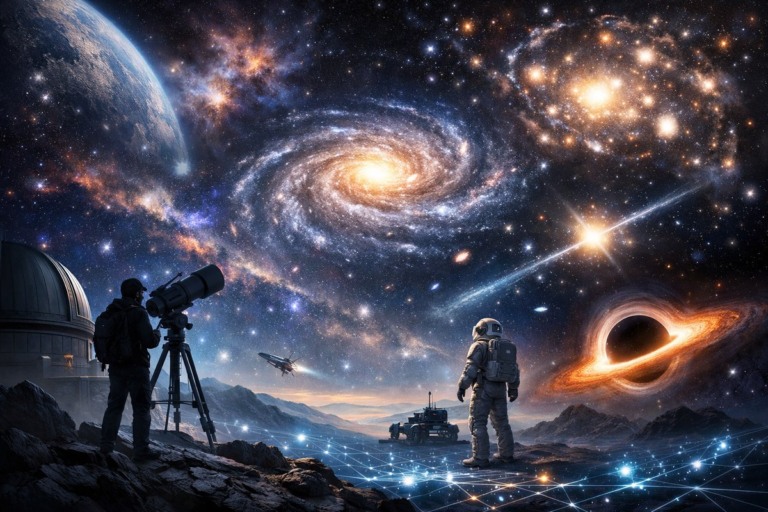
At its core, cosmic curiosity is an invitation to explore the unknown. The universe, with its billions of galaxies, countless stars, and enigmatic phenomena such as black holes and dark matter, presents an infinite frontier. Each discovery, from the detection of gravitational waves to the imaging of a black hole’s event horizon, offers a glimpse into realms previously beyond human comprehension. These breakthroughs are milestones in a broader narrative of exploration, fueled by the desire to understand where we come from, what the universe is made of, and what our place within it might be.
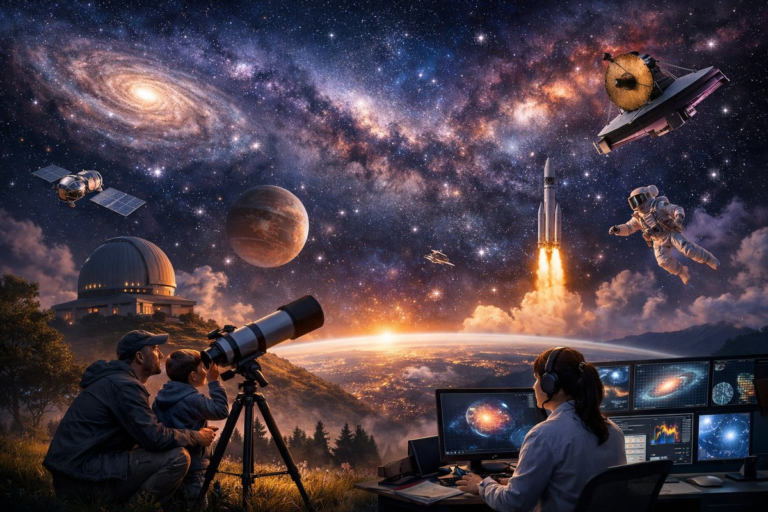
This quest is not limited to professional astronomers or astrophysicists; it resonates with anyone who has ever looked up at the night sky and felt a spark of awe. Amateur astronomers, educators, artists, and storytellers all contribute to the tapestry of cosmic curiosity, each adding layers of meaning and perspective. The democratization of space knowledge through digital platforms and citizen science projects has further amplified this collective engagement, inviting people worldwide to participate in discovery.
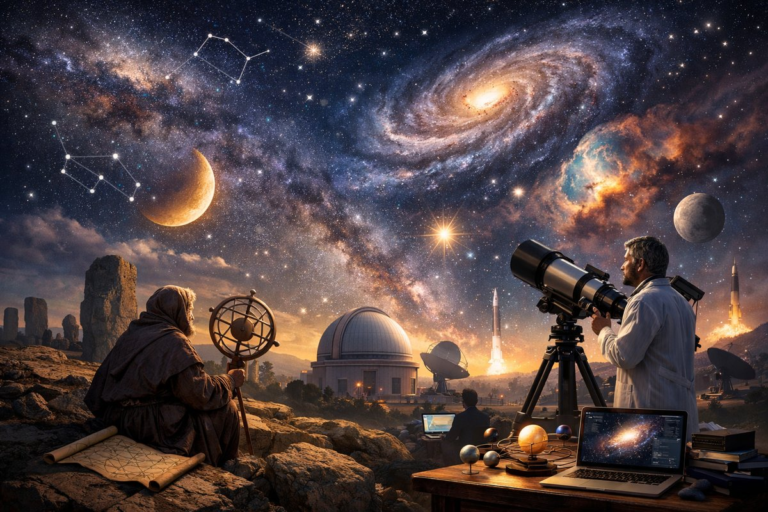
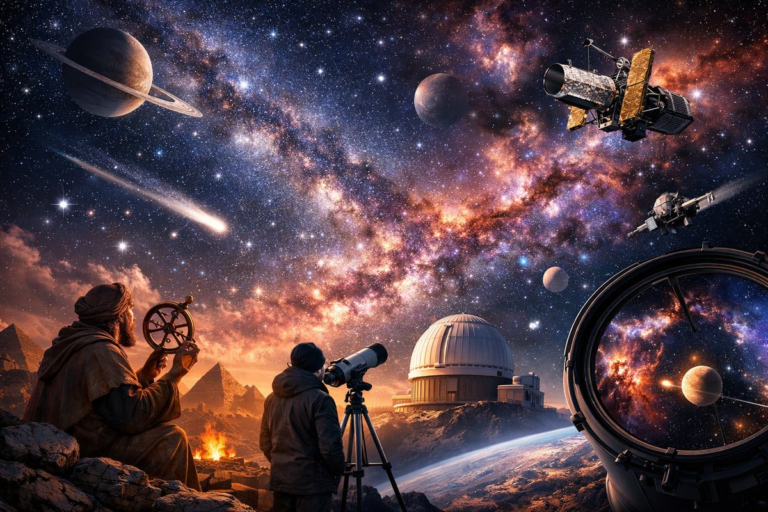
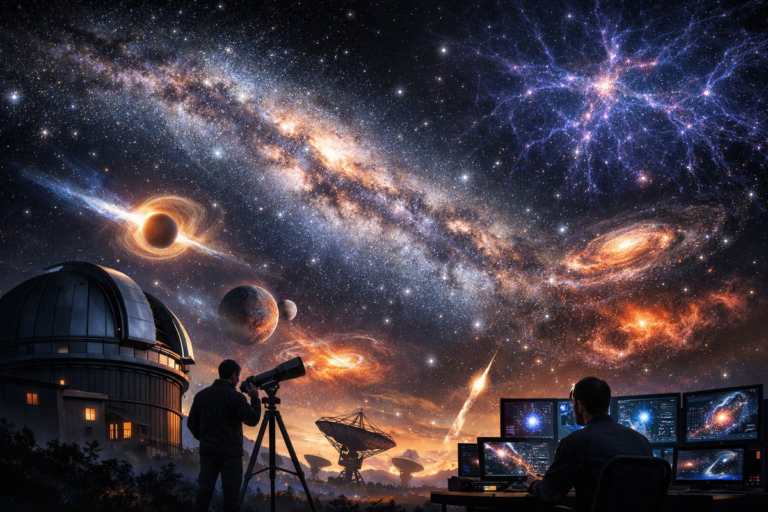
Technological innovation is both a driver and a product of cosmic curiosity. The development of advanced telescopes, spacecraft, and sensors enables us to peer deeper into space and time. For instance, space observatories operating across the electromagnetic spectrum-from radio waves to gamma rays-reveal diverse aspects of cosmic phenomena. Meanwhile, robotic explorers traverse planetary surfaces, sending back invaluable data that challenge and refine our models of planetary formation and habitability.
Moreover, cosmic curiosity has profound philosophical and cultural implications. It challenges us to reconsider our anthropocentric worldview, fostering a sense of humility and interconnectedness. The realization that Earth is but a tiny speck in a vast cosmos encourages stewardship of our planet and inspires ethical reflections on how we interact with our environment and each other. This cosmic perspective nurtures empathy and a shared identity rooted in our common origin among the stars.
Education and outreach play critical roles in sustaining cosmic curiosity. Interactive planetariums, virtual reality experiences, and immersive exhibitions create accessible gateways to the cosmos, translating complex science into captivating narratives. These tools nurture curiosity from childhood, empowering new generations to pursue STEM fields or simply to appreciate the grandeur of the universe. They also serve as reminders that curiosity is a lifelong journey, one that thrives on questions as much as answers.
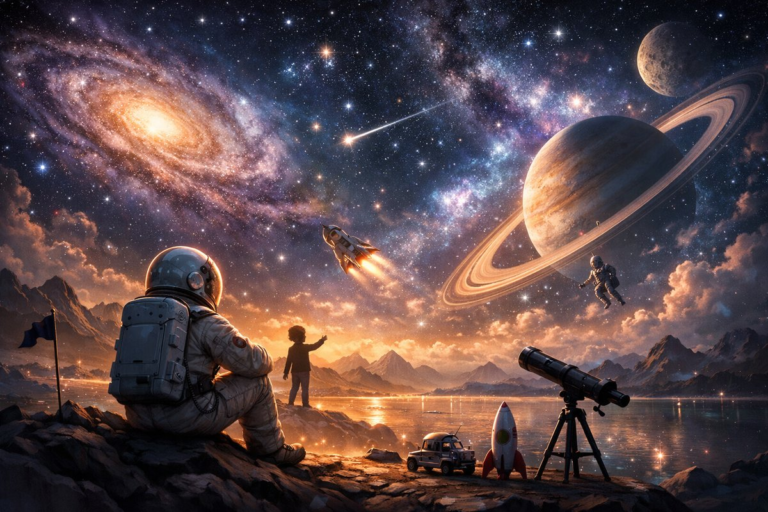
The future of cosmic curiosity is poised to expand with emerging frontiers such as space tourism, interplanetary exploration, and the search for extraterrestrial life. Missions to Mars and beyond aim to answer fundamental questions about life’s potential beyond Earth, while private ventures open possibilities for ordinary individuals to experience the cosmos firsthand. These developments blur the lines between professional science and personal adventure, democratizing access to the universe’s wonders.
In essence, cosmic curiosity is a dynamic interplay of science, imagination, and emotion. It is a force that transcends disciplines and cultures, uniting us in a shared quest to understand the cosmos and ourselves. As we continue to chart the unknown, this curiosity will remain a beacon guiding us through the darkness, revealing the strange beauty and profound mysteries of the physical world.