Location
Mount Vernon, WA 98274

Location
Mount Vernon, WA 98274
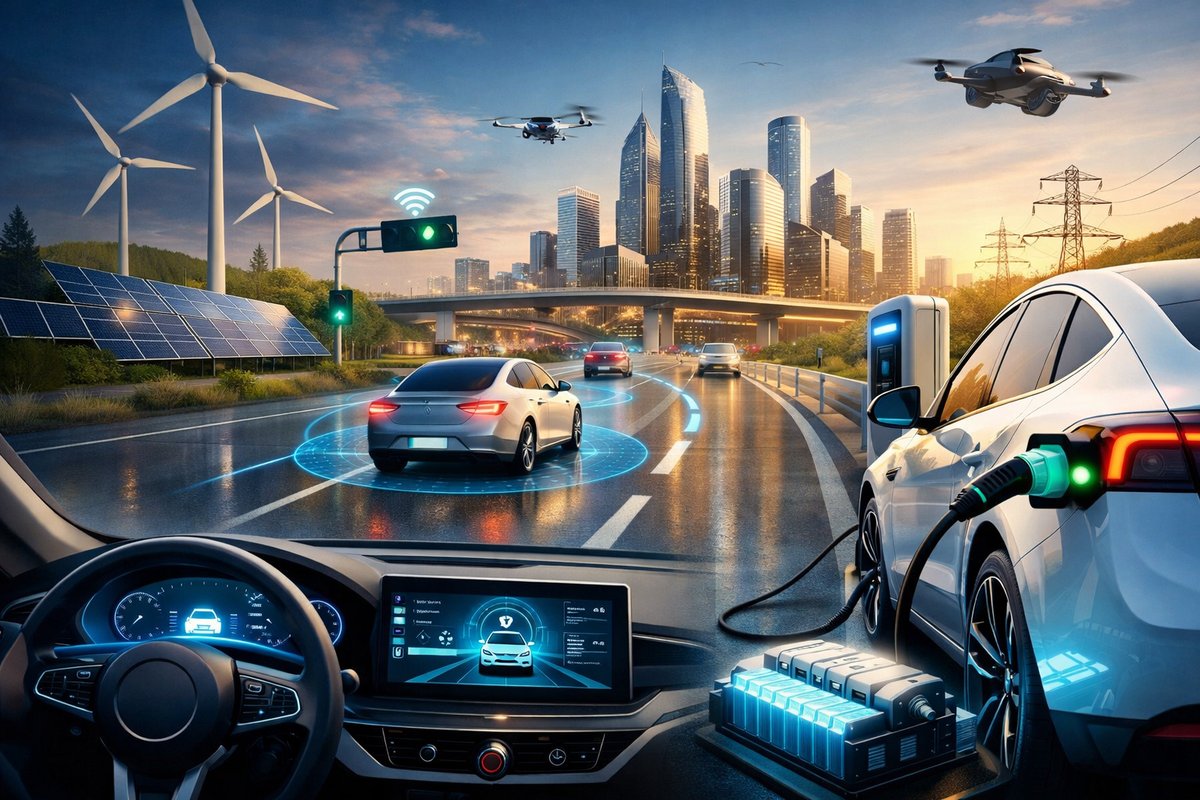
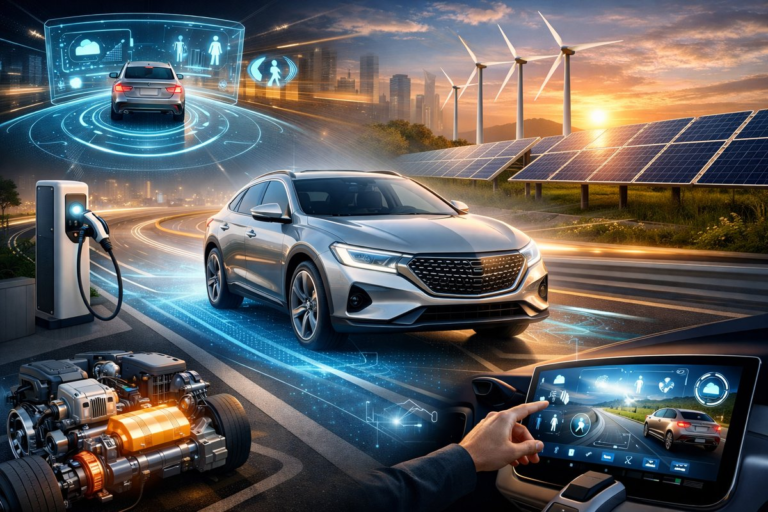
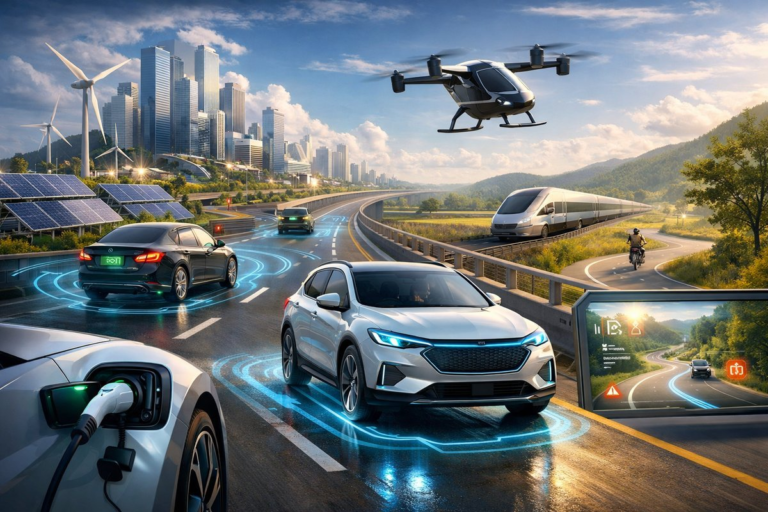
The automotive landscape is undergoing a profound transformation driven by cutting-edge technologies that enhance safety, efficiency, and connectivity. From intelligent driver-assist systems to electrification and smart infrastructure integration, these innovations are not only redefining how we move but also challenging traditional notions of mobility and sustainability.
Transportation has always been a cornerstone of human progress, evolving from simple horse-drawn carriages to complex networks of automobiles and highways. Today, we stand at the cusp of another revolution, one fueled by rapid advancements in automotive technology that promise to reshape the way we experience motion, memory, and meaning on the road.
At the heart of this transformation lies the integration of intelligent systems designed to enhance vehicle safety and driver convenience. Advanced driver-assistance systems (ADAS) have moved beyond basic features like cruise control and lane departure warnings to incorporate sophisticated capabilities such as adaptive cruise control, automated emergency braking, and even semi-autonomous driving modes. These systems rely on a fusion of sensors-including cameras, radar, and lidar-to create a comprehensive understanding of the vehicle’s environment, enabling proactive responses to potential hazards.
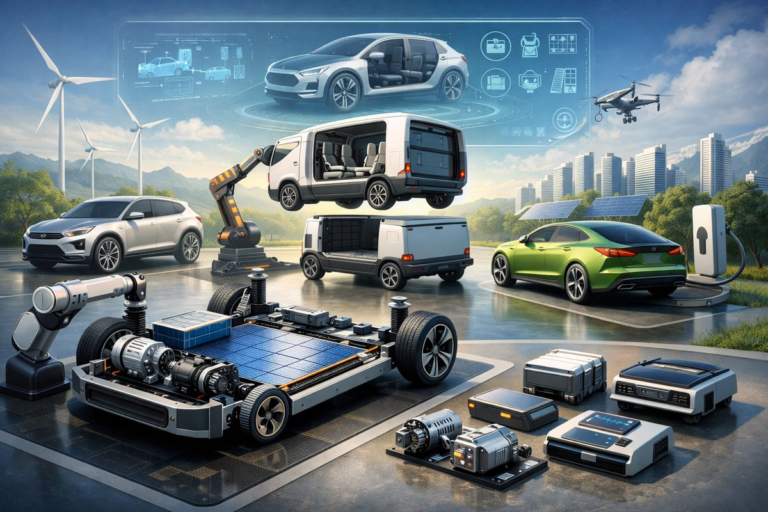
One of the most significant shifts in recent years is the rise of electrification. Electric vehicles (EVs) have surged in popularity, driven by growing environmental awareness and supportive policy frameworks aimed at reducing carbon emissions. The advancements in battery technology, particularly lithium-ion cells with higher energy densities and faster charging capabilities, have addressed many of the range anxiety concerns that once limited EV adoption. Moreover, the expansion of charging infrastructure, including ultra-fast chargers along major travel corridors, is making long-distance electric travel increasingly feasible.
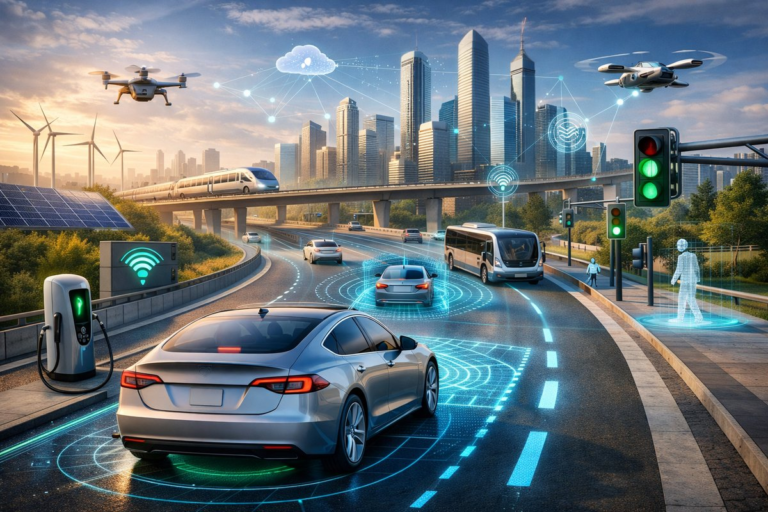
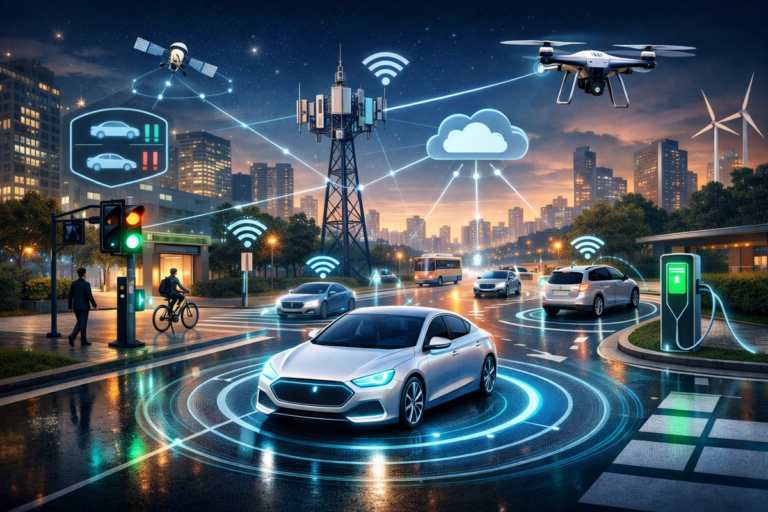
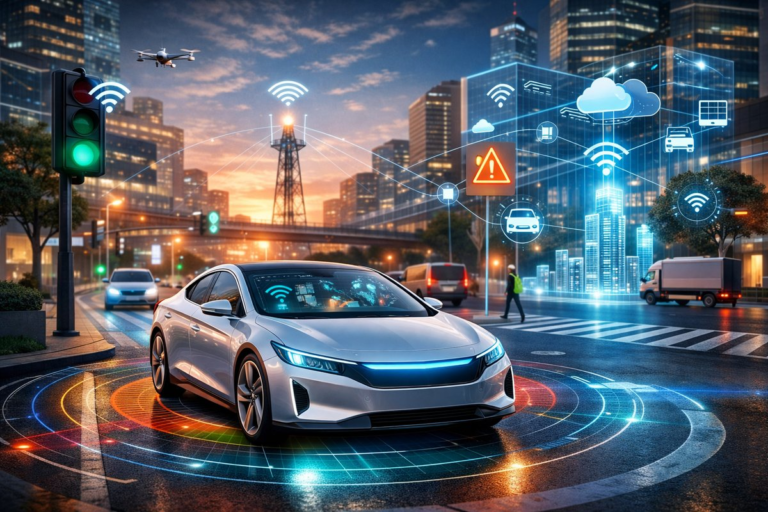
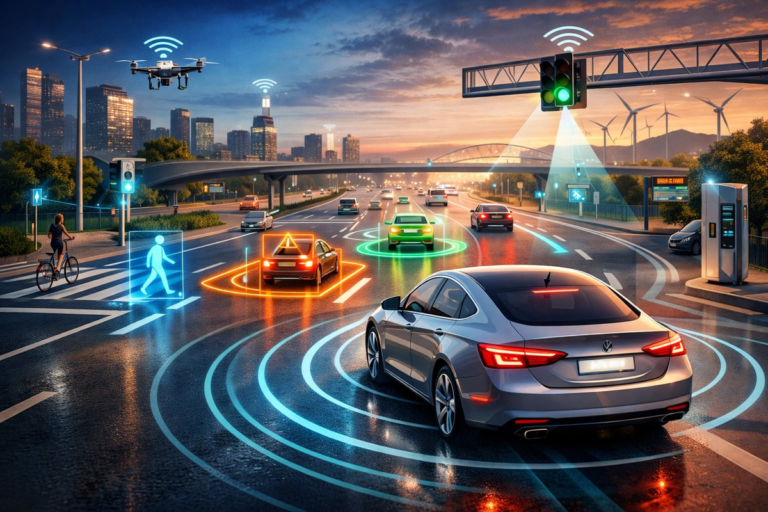
Beyond the vehicle itself, the concept of connected transportation is gaining momentum. Vehicles are no longer isolated machines but nodes within a broader ecosystem of smart infrastructure and digital communication networks. Vehicle-to-everything (V2X) communication enables cars to exchange information with other vehicles, traffic signals, and even pedestrians’ mobile devices. This connectivity facilitates smoother traffic flow, reduces accidents, and optimizes energy use by anticipating traffic conditions in real time.
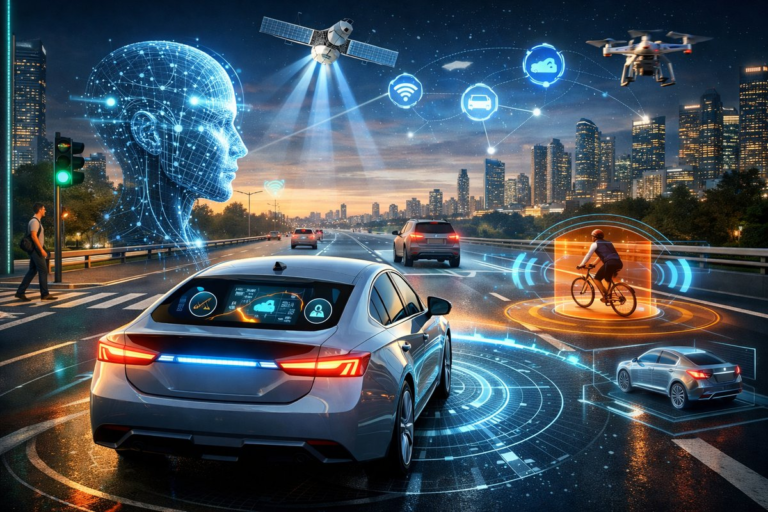
Complementing these developments are advances in artificial intelligence and machine learning, which empower vehicles to learn from vast datasets and improve their decision-making over time. AI algorithms can analyze driver behavior, road conditions, and environmental factors to tailor responses that enhance safety and comfort. For example, predictive maintenance systems use sensor data to detect early signs of mechanical issues, allowing for timely repairs that prevent breakdowns and extend vehicle lifespan.
The integration of augmented reality (AR) into automotive displays is another frontier that promises to enrich the driving experience. AR head-up displays project navigation cues, hazard warnings, and contextual information directly onto the windshield, allowing drivers to keep their eyes on the road while accessing critical data. This fusion of digital information with the physical environment exemplifies the growing trend of blending technology with human-centered design.
While these innovations offer tremendous benefits, they also raise important questions about privacy, cybersecurity, and equitable access. As vehicles become more connected and data-driven, protecting sensitive information from unauthorized access becomes paramount. Manufacturers and regulators are increasingly focused on establishing robust security protocols and transparent data governance frameworks to safeguard users’ privacy.
Moreover, the transition to advanced automotive technologies must consider inclusivity to ensure that all communities can benefit from improved mobility options. This includes addressing infrastructure disparities, affordability challenges, and the digital divide that may limit access to connected services in underserved areas.
In parallel with technological progress, sustainability remains a guiding principle. The automotive industry is exploring not only cleaner propulsion systems but also sustainable manufacturing practices, recyclable materials, and circular economy models. These efforts aim to minimize the environmental footprint of vehicles throughout their lifecycle, from production to end-of-life disposal.
Looking ahead, the convergence of these technologies points toward a future where transportation is safer, smarter, and more sustainable. Autonomous vehicles, fully integrated with smart city infrastructure, could revolutionize urban mobility by reducing congestion and emissions while enhancing accessibility. Meanwhile, personalized mobility services powered by data analytics may offer tailored travel experiences that adapt to individual preferences and needs.
For gearheads, dreamers, and everyday drivers alike, this era of automotive innovation invites a renewed sense of curiosity and engagement. Understanding the interplay between technology, design, and human experience enriches our appreciation of the machines that move us through time, terrain, and story.
As these trends continue to unfold, staying informed and adaptable will be key to navigating the evolving landscape of transportation. Embracing these advancements with an eye toward privacy, sustainability, and inclusivity can help ensure that the future of mobility is not only technologically impressive but also socially responsible and emotionally resonant.