Location
Mount Vernon, WA 98274

Location
Mount Vernon, WA 98274
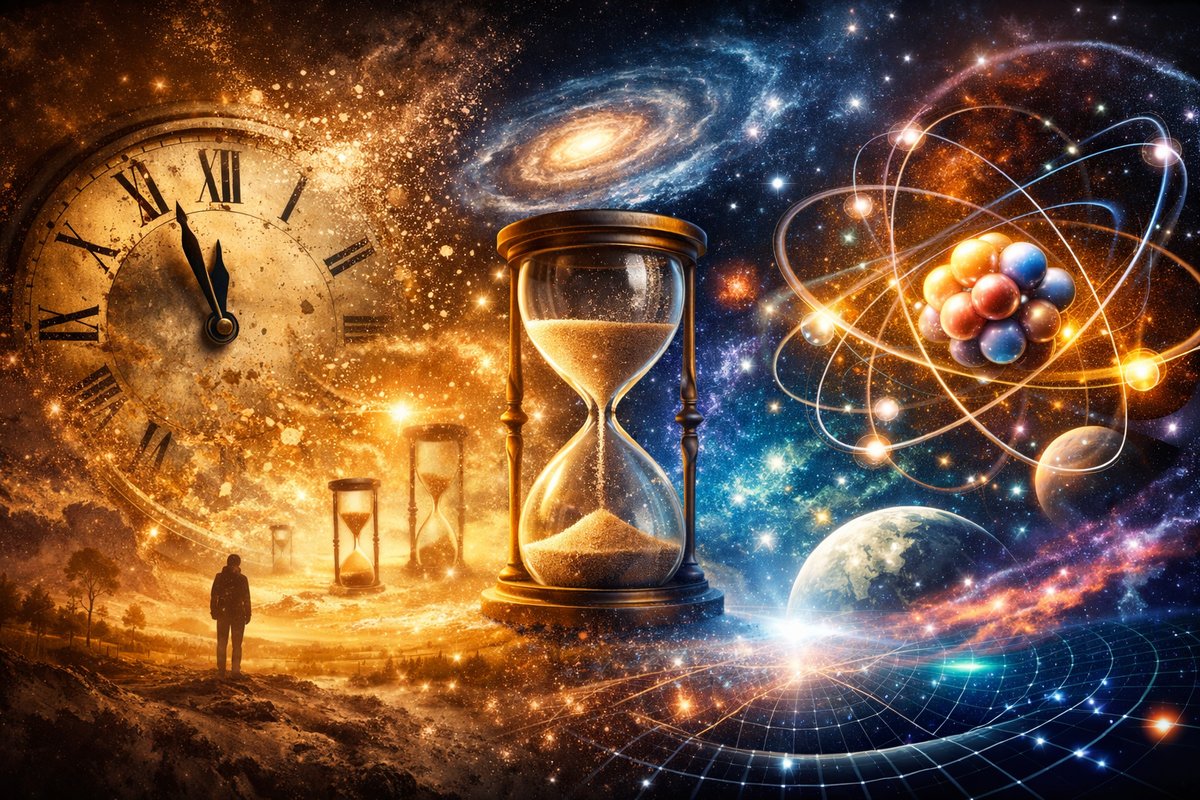
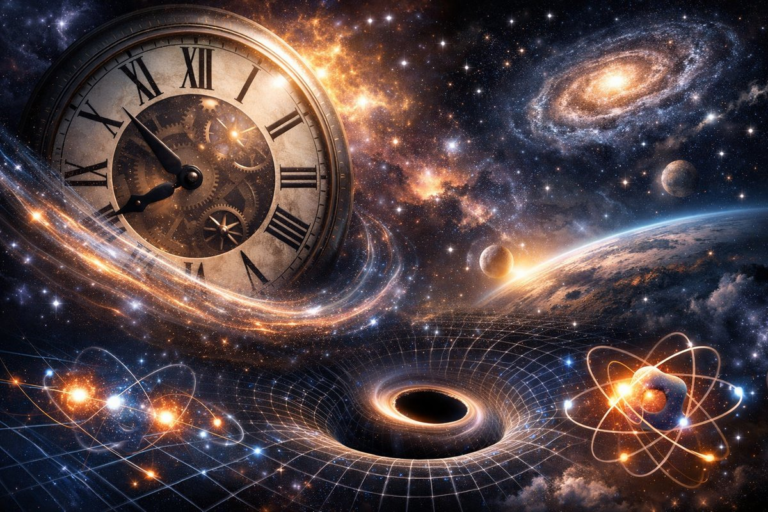
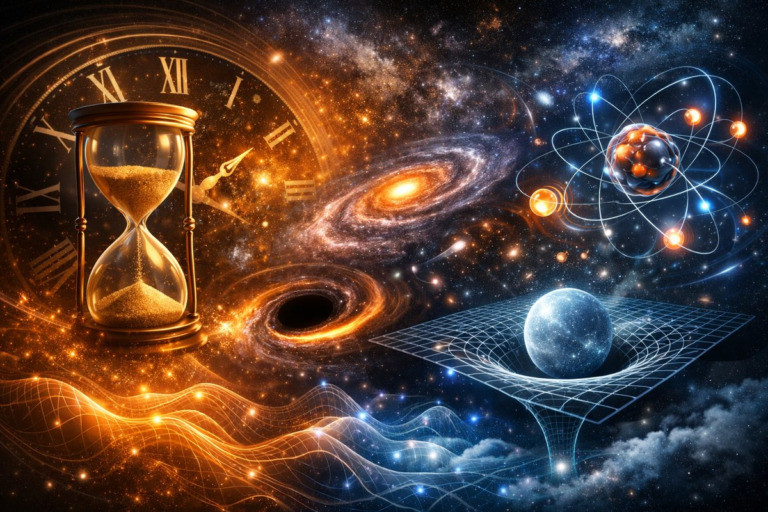
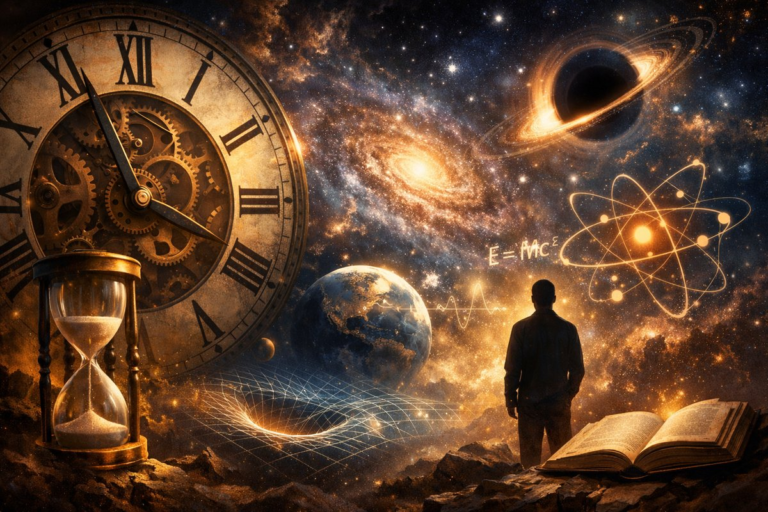
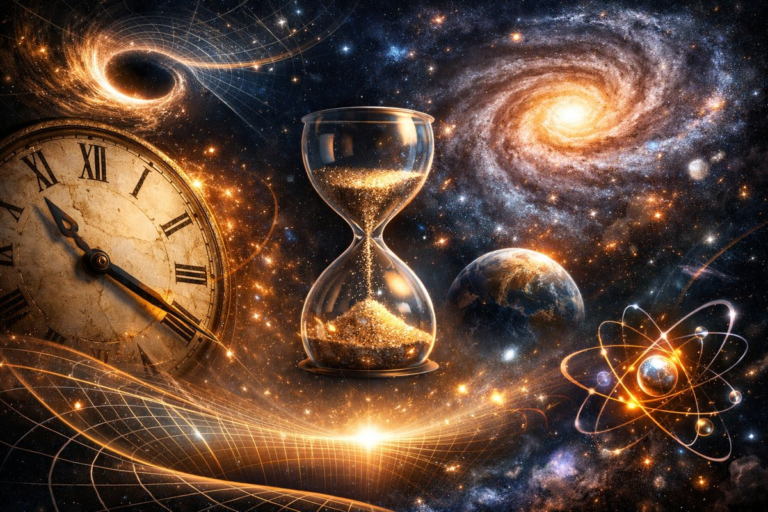
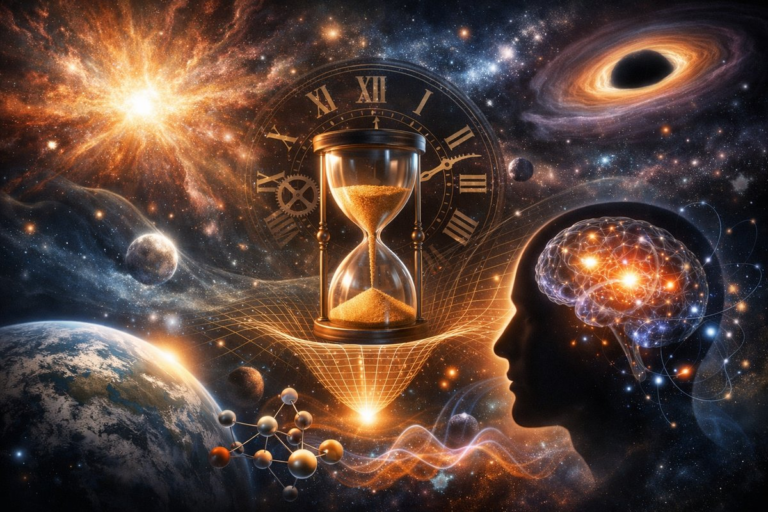
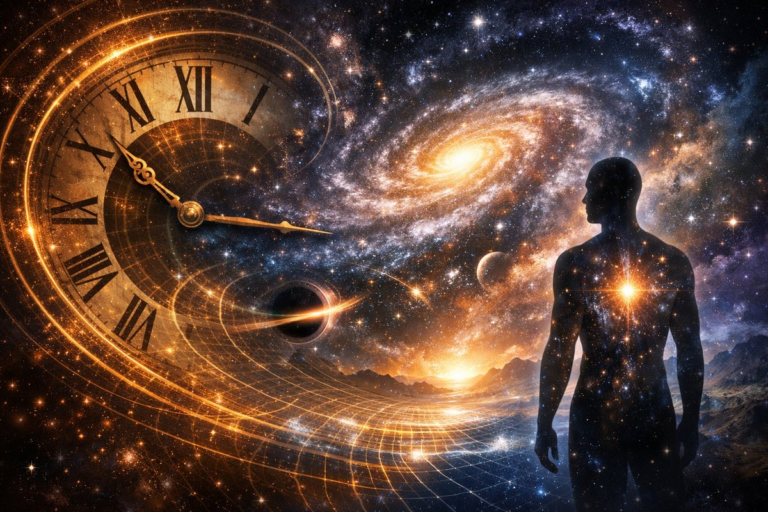
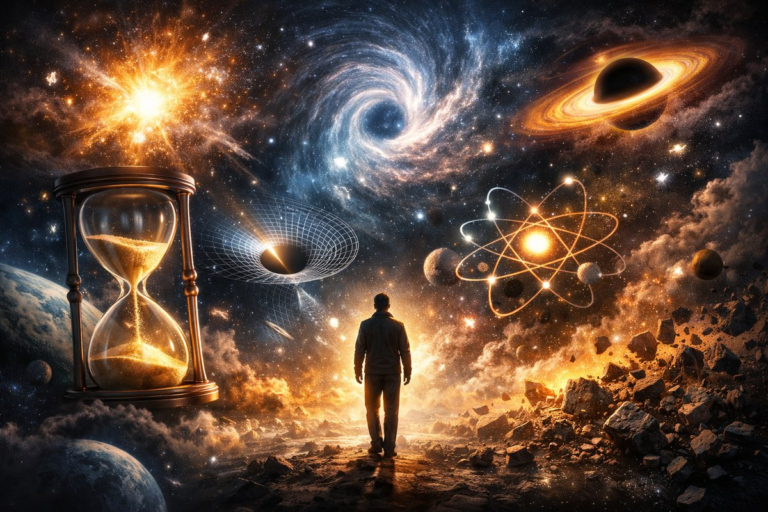
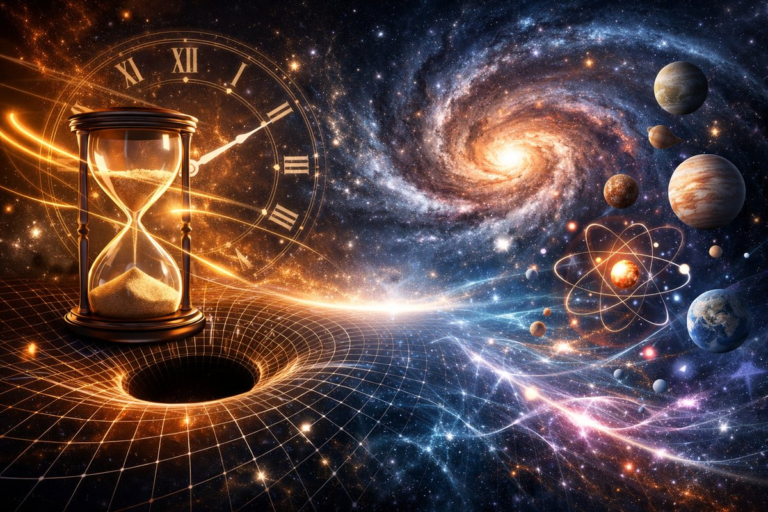
From the fleeting moments that define our existence to the fundamental particles that compose the universe, time and matter weave a tapestry of mystery that continues to captivate scientists and philosophers alike. This exploration delves into how these elemental forces shape both the cosmos and our perception of reality, inviting us to ponder the profound connections between physics and the human experience.
Time and matter are the twin pillars upon which the universe stands, yet both remain enigmatic in their deepest essence. They are not merely abstract concepts or scientific measurements; they are the threads that stitch together the story of existence itself. Understanding their nature invites us into a realm where physics meets philosophy, where the tangible and intangible converge, and where mystery fuels curiosity.
At the heart of this inquiry lies the question: what is time? Traditionally, time has been considered a linear progression, a steady march from past through present to future. However, modern physics challenges this simplicity. The theory of relativity reveals that time is relative, intertwined with space in a four-dimensional fabric known as spacetime. This fabric warps and bends under the influence of mass and energy, meaning time can dilate or contract depending on velocity and gravity. For instance, clocks aboard satellites tick at different rates than those on Earth, a phenomenon that must be accounted for in GPS technology.
Yet, even as science unravels the mechanics of time, its subjective experience remains elusive. Human consciousness perceives time as flowing, a continuous present moving forward. This psychological arrow of time aligns intriguingly with the thermodynamic arrow-the direction in which entropy increases. Entropy, a measure of disorder, never decreases in an isolated system, giving time a preferred direction. This connection between entropy and time’s arrow hints at a deep relationship between physical laws and human experience.
Matter, on the other hand, is the substance of the cosmos. From the smallest quarks to the largest galaxies, matter constitutes the physical universe. But matter itself is not static; it is dynamic and often mysterious. Quantum mechanics reveals that particles exist in superpositions, only collapsing into definite states upon observation. This challenges classical notions of matter as solid and definite, introducing probabilities and uncertainties at the fundamental level.
Moreover, the nature of dark matter-an invisible substance making up approximately 27% of the universe’s mass-energy content-remains one of the greatest scientific mysteries. Unlike ordinary matter, dark matter does not emit or absorb light, revealing itself only through gravitational effects on visible matter and cosmic structure formation. Its elusive presence shapes galaxies and cosmic evolution, yet its composition is still unknown, driving ongoing research and speculation.
The interplay of time and matter also raises profound cosmological questions. The Big Bang theory posits a beginning to both time and matter as we know them, a singular event from which the universe expanded and cooled, forming the particles and forces that govern reality. But what preceded the Big Bang? Does time itself have a boundary, or is it cyclical or infinite? Various hypotheses, including multiverse theories and quantum gravity models, attempt to address these puzzles, but definitive answers remain beyond reach.
Beyond the scientific, these mysteries resonate deeply with human culture and philosophy. Time shapes narratives, memory, and identity, while matter grounds us in physical reality. Our awareness of impermanence and change influences art, religion, and ethics, prompting reflections on mortality, meaning, and the nature of existence.
In practical terms, our expanding understanding of time and matter has transformative implications. Technologies like atomic clocks, quantum computing, and particle accelerators push the boundaries of precision and control, enabling innovations in communication, medicine, and energy. Meanwhile, the quest to decode dark matter and unify physical laws promises to revolutionize our worldview and capabilities.
Yet, embracing the mystery is as vital as seeking clarity. The unknown invites wonder and humility, reminding us that science is a journey, not a destination. As we probe the depths of time and matter, we participate in a grand narrative that connects the cosmos with our innermost selves, inspiring awe and curiosity.
Ultimately, time and matter are more than scientific subjects; they are the canvas and paint of reality, the rhythm and substance of existence. Their intertwined dance shapes the cosmos and our experience within it, a profound mystery that continues to unfold with each question asked and each discovery made.