Location
Mount Vernon, WA 98274

Location
Mount Vernon, WA 98274
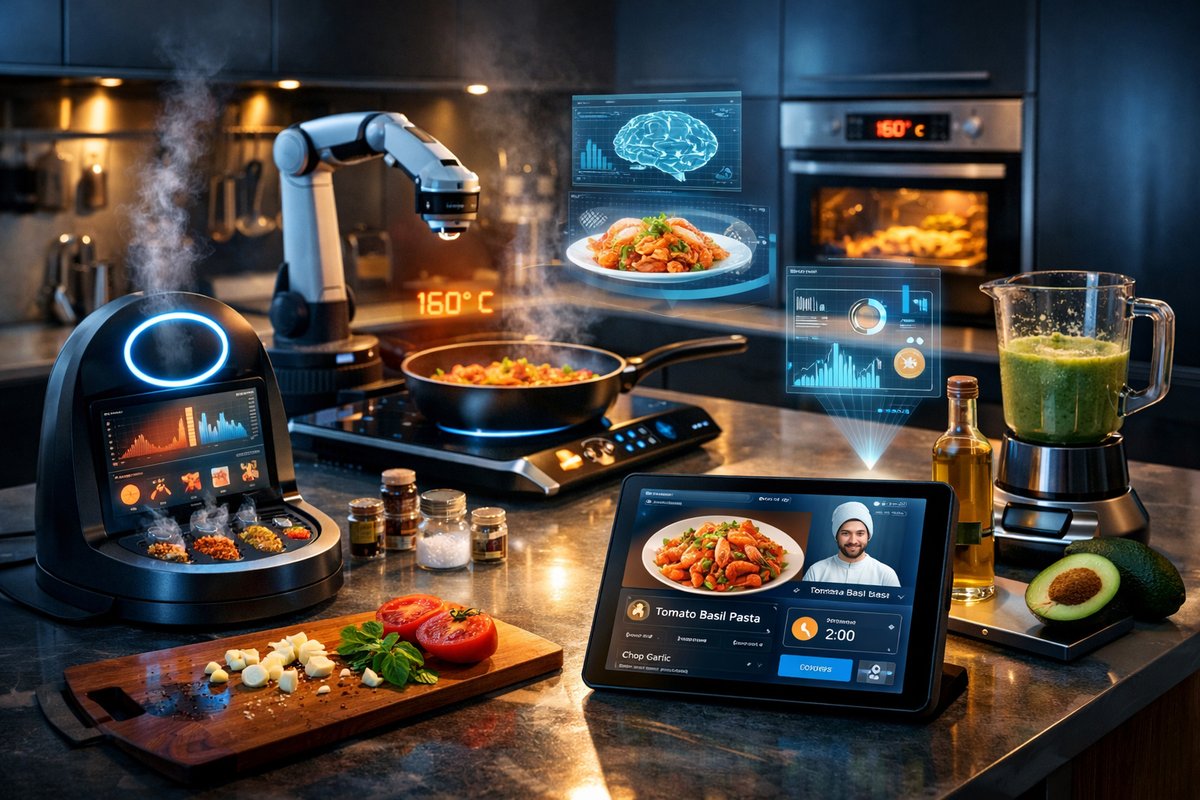
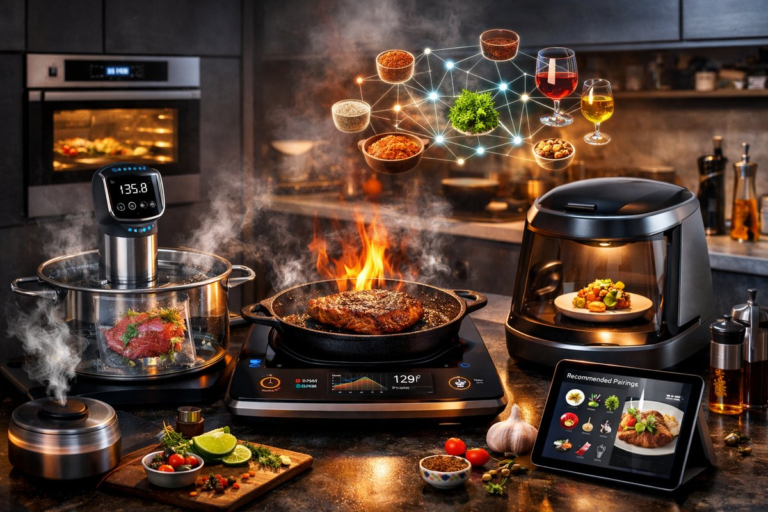
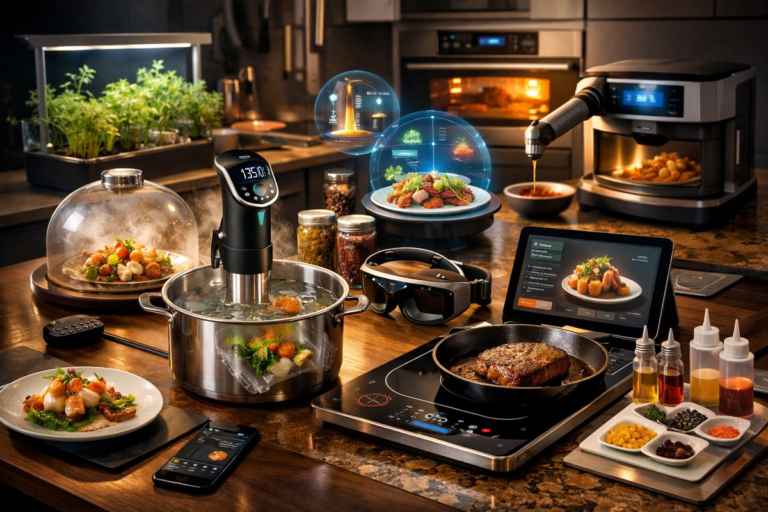
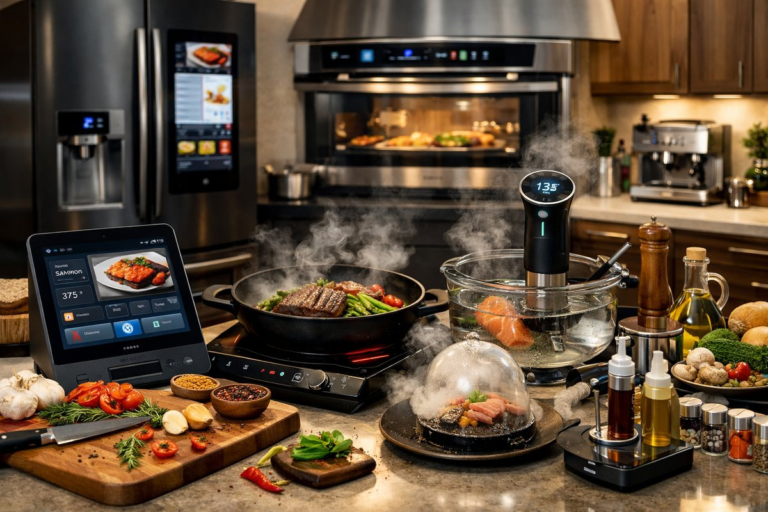
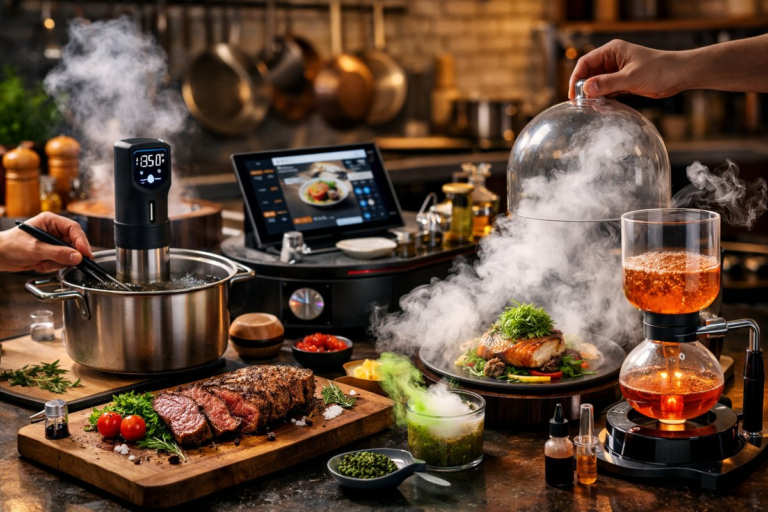
The kitchen is evolving into a high-tech playground where artificial intelligence and sensory innovations are redefining how we cook and experience food. From flavor profiling gadgets to AI-driven recipe assistants, new technologies are transforming everyday cooking into an immersive sensory adventure.
In recent years, the kitchen has become a fertile ground for technological innovation, blending the art of cooking with the precision of science and the possibilities of artificial intelligence. While earlier waves of kitchen technology focused on convenience and automation, the latest developments emphasize enhancing flavor, personalizing culinary experiences, and engaging all the senses. This shift invites both curious cooks and seasoned chefs to explore a new dimension of food preparation where technology acts as a creative partner rather than a mere tool.
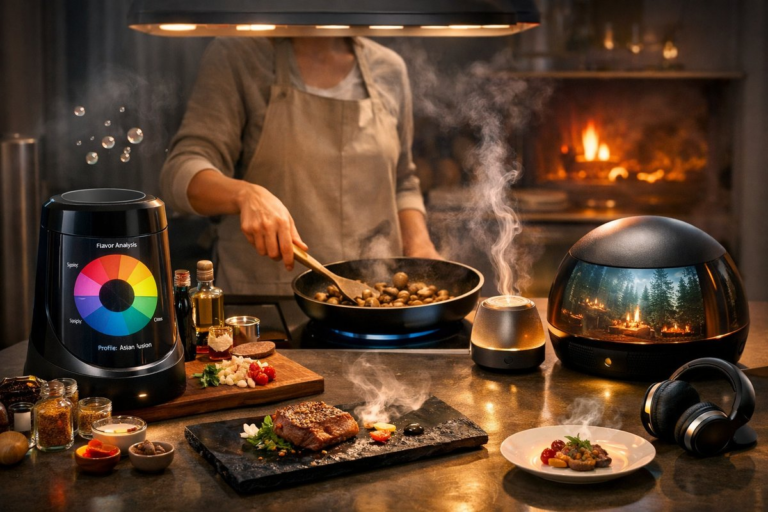
One of the most intriguing advances is the emergence of AI-powered flavor profiling devices. These compact tools analyze the chemical composition of ingredients or dishes and suggest complementary flavors or seasoning adjustments to elevate the taste. By decoding complex flavor interactions, these devices empower home cooks to experiment with combinations that might have previously seemed intimidating or inaccessible. This approach nurtures curiosity and encourages playful exploration in the kitchen, transforming meal preparation into a dynamic, sensory-rich adventure.
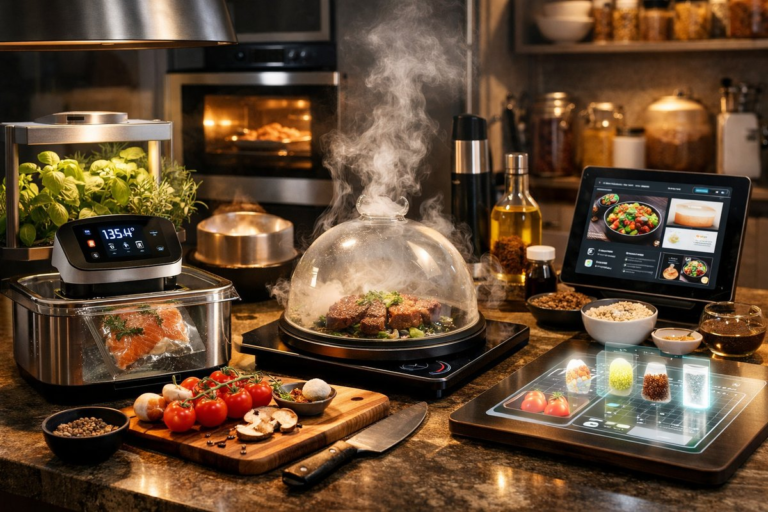
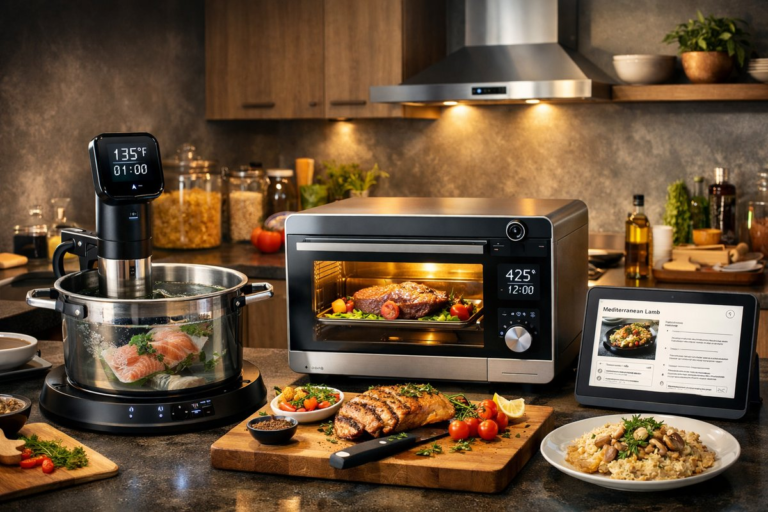
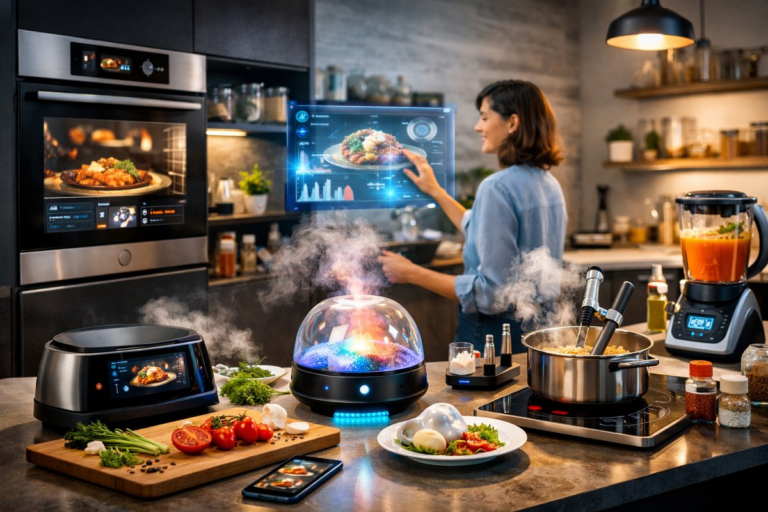
Complementing these innovations are smart kitchen appliances integrated with machine learning algorithms. Modern ovens and cooktops can now adapt cooking times and temperatures based on the moisture content, texture, or even the desired doneness of a dish. Such appliances often come paired with companion apps that provide step-by-step guidance tailored to the user’s skill level and taste preferences. This personalization fosters emotional connection by reducing the anxiety often associated with cooking complex recipes and by celebrating individual creativity.
Beyond flavor and cooking control, sensory technology is making strides in enhancing the overall dining experience. Multisensory devices that modulate ambient lighting, soundscapes, and even aromas are being designed to complement specific dishes, thereby heightening the perception of flavor and pleasure. For example, a softly glowing light that shifts hues in harmony with the spices in a curry can subtly influence taste perception, making the meal more memorable. These innovations invite a mindful appreciation of food and encourage a holistic engagement with mealtime rituals.
Sustainability and ethical considerations are also influencing kitchen technology trends. Smart inventory management systems use AI to track ingredient freshness and suggest recipes that minimize waste. These systems help households reduce their environmental footprint while inspiring creativity with available ingredients. Additionally, energy-efficient appliances and sustainable materials in kitchen gadgets reflect a growing commitment to ecological responsibility, aligning technological advancement with values of stewardship and care.
However, the integration of technology in the kitchen is not without challenges. Privacy concerns arise with connected devices that collect data on eating habits and preferences. It is essential that these innovations respect user autonomy and prioritize data security to build trust. Moreover, there is a need to ensure accessibility so that technological benefits are inclusive and do not widen the gap between different socioeconomic groups.
Looking ahead, the fusion of biotechnology and kitchen technology promises even more radical transformations. Imagine home fermentation kits equipped with sensors that monitor microbial activity to craft personalized probiotic-rich foods, or 3D food printers capable of creating intricate textures and nutritional profiles on demand. These developments could redefine not only how we cook but also how we nourish ourselves.
Ultimately, the evolving landscape of kitchen technology invites us to rethink cooking as a multisensory, exploratory, and sustainable practice. By harnessing AI, sensory devices, and ethical design, the modern kitchen becomes a space where flavor is not just a taste but an experience – a moment of adventure that connects us more deeply to the food we create and share.