Location
Mount Vernon, WA 98274

Location
Mount Vernon, WA 98274
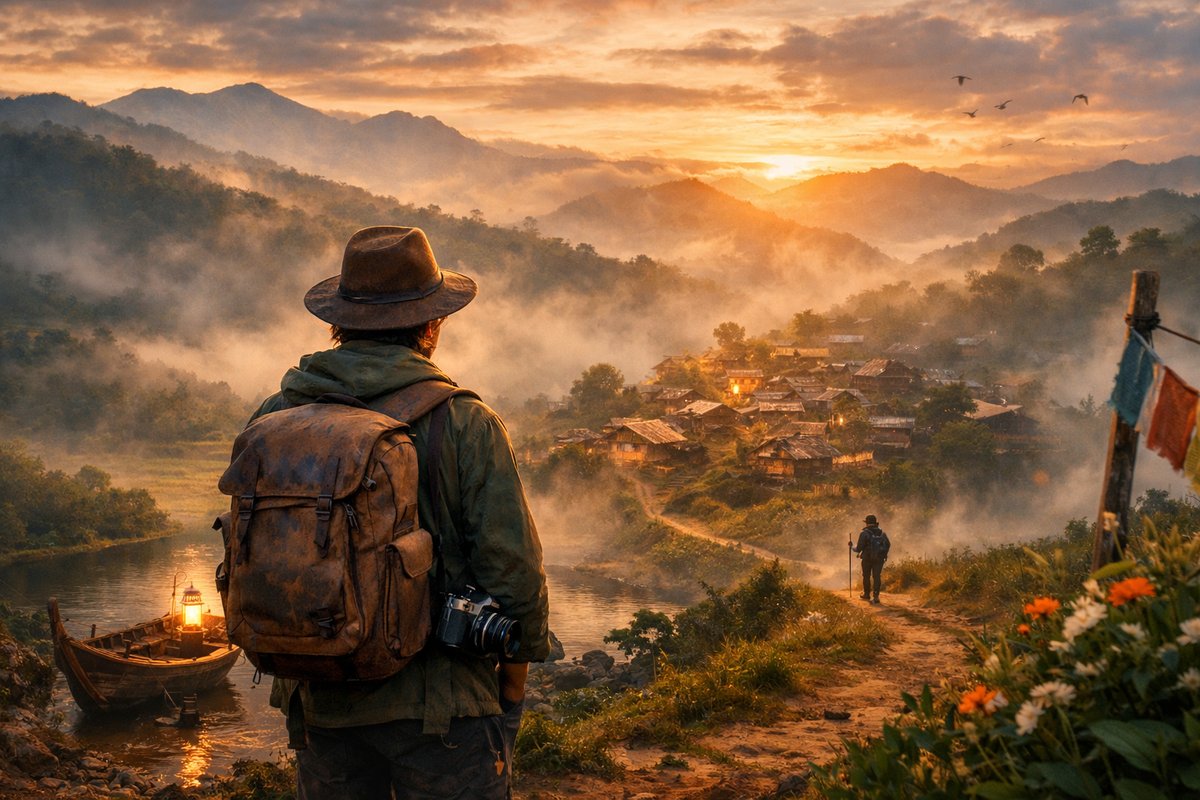
Travel is often seen as a quest for sights and experiences, but the most profound journeys arise when we surrender to the unknown. Exploring lesser-known places and embracing spontaneity invites us to reshape how we see the world and ourselves, fostering authentic connection and meaningful stories that linger long after the trip ends.
In an era dominated by meticulously planned itineraries and popular destinations, a growing number of travelers are turning toward uncharted paths – journeys defined less by checklists and more by curiosity and openness. This shift represents a broader cultural yearning for travel that transcends the superficial and touches the transformative. It’s a call to explore landscapes and cultures not as a consumer but as a participant, and to navigate inner terrains as much as physical ones.
At the heart of this movement is the recognition that travel is not merely about accumulation of experiences but about depth and presence. When we venture off the beaten path, away from the crowds and polished tourist hubs, we encounter a world that is less mediated by commercial interests and more shaped by local realities. This rawness invites a slower pace, encouraging travelers to engage with people, places, and themselves in ways that are richer and more nuanced.
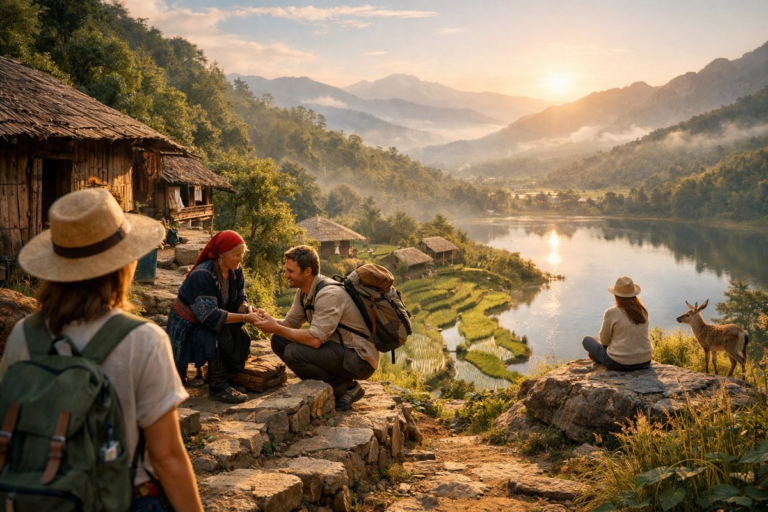
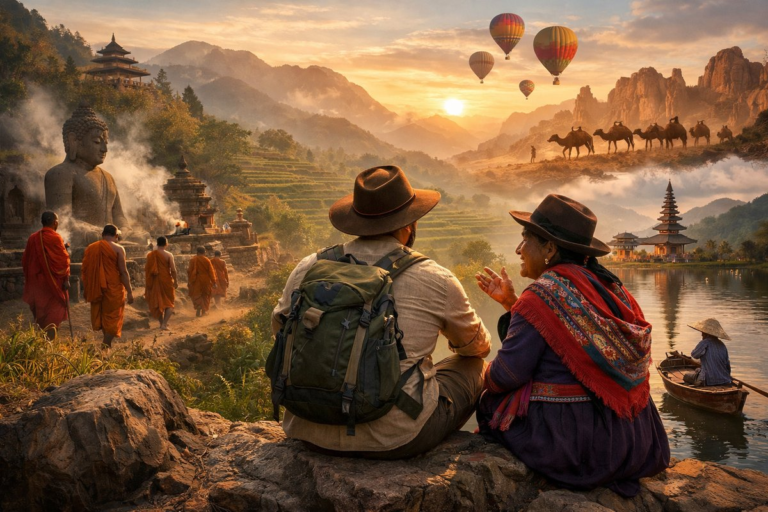
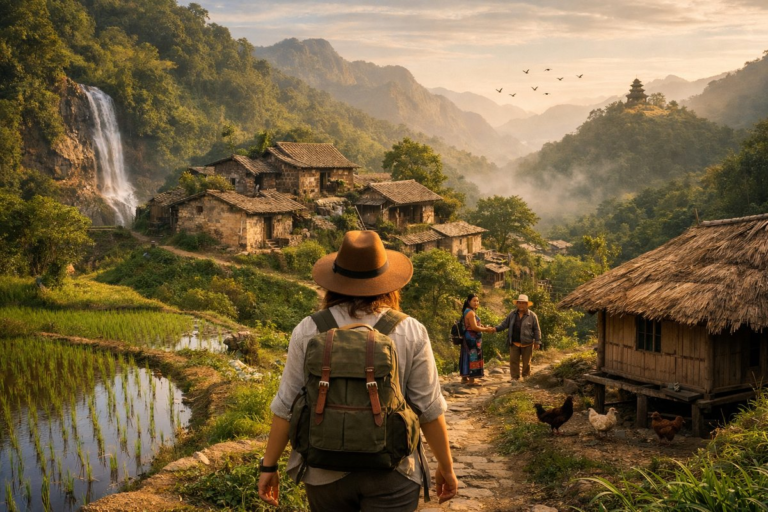
Consider the appeal of remote villages nestled in mountain valleys or small coastal towns where traditions have remained intact. These places often lack glossy guidebook entries but offer a window into ways of life that challenge our assumptions and expand our empathy. When a traveler shares a meal cooked over a wood fire or listens to stories passed down through generations, they become part of a living continuum rather than a transient visitor. This exchange fosters connection beyond language barriers and cultural differences – a meeting of human experiences rooted in shared curiosity and respect.
Such journeys often require a willingness to embrace uncertainty. Without the comfort of predetermined plans, travelers learn to adapt and discover beauty in spontaneity. This openness can lead to unexpected friendships, serendipitous detours, and moments of awe that no itinerary could predict. The act of letting go of control itself becomes a metaphor for personal growth, teaching resilience, patience, and humility.
On a psychological level, traveling into the unknown also prompts reflection. Away from familiar routines and environments, the mind can wander into deeper questions about identity, purpose, and belonging. Many travelers report that these moments of solitude and disorientation act as catalysts for self-discovery and transformation. The journey outward becomes a mirror for the journey inward.
Technology plays a nuanced role in this evolving landscape of travel. While digital tools facilitate access to information and connectivity, they can also dilute presence and encourage distraction. Savvy travelers are learning to strike a balance – using technology to enhance safety and navigation while intentionally unplugging to savor unmediated experiences. This mindful approach aligns with a broader ethos of sustainable and ethical travel, which prioritizes environmental stewardship and cultural sensitivity.
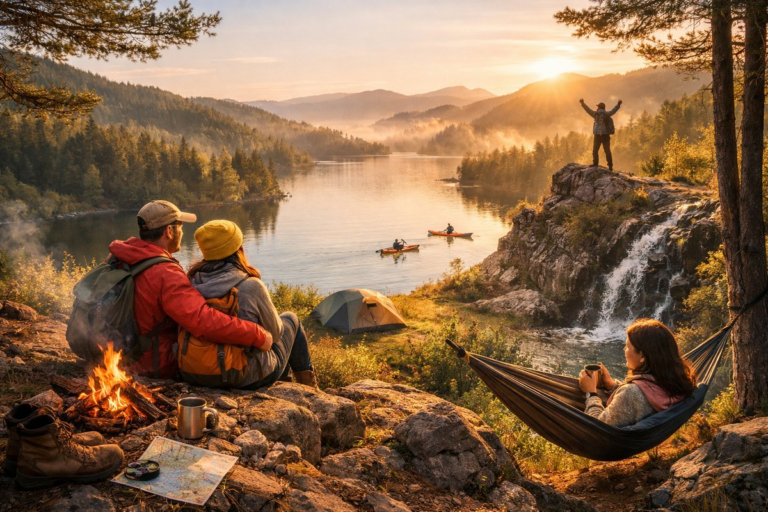
Environmental awareness is increasingly integral to the travel experience. Destinations that embrace eco-friendly practices, from low-impact accommodations to conservation efforts, invite travelers to participate in protecting the very places they cherish. Choosing transportation modes that minimize carbon footprints, supporting local economies, and respecting wildlife habitats are ways travelers can align their journeys with values of sustainability and care.
The rise of slow travel exemplifies these principles. By spending more time in fewer places, travelers deepen their understanding and reduce the frenetic pace that often characterizes modern tourism. This mode of travel nurtures meaningful interactions and allows for a more authentic absorption of local culture, language, and rhythms. It also fosters gratitude and mindfulness, qualities that resonate beyond the trip itself.
Moreover, the stories we bring home from these journeys are not just souvenirs but seeds for empathy and connection in our everyday lives. Sharing tales of encounters with strangers, challenges overcome, or moments of quiet wonder can inspire others to see the world and its inhabitants through a more compassionate lens. These narratives contribute to a collective memory that values diversity and interconnectedness.
Ultimately, travel’s greatest gift may be its capacity to remind us of our shared humanity and the vastness of experience that lies beyond familiar horizons. By venturing into uncharted paths with openness and respect, we cultivate a richer relationship with the world and ourselves – a relationship marked by curiosity, humility, and a lasting sense of wonder.
In a time when global challenges call for greater understanding and cooperation, such journeys are not only personally enriching but socially vital. They teach us that the act of going is never just about reaching a destination, but about embracing the continuous unfolding of discovery, connection, and transformation.