Location
Mount Vernon, WA 98274

Location
Mount Vernon, WA 98274
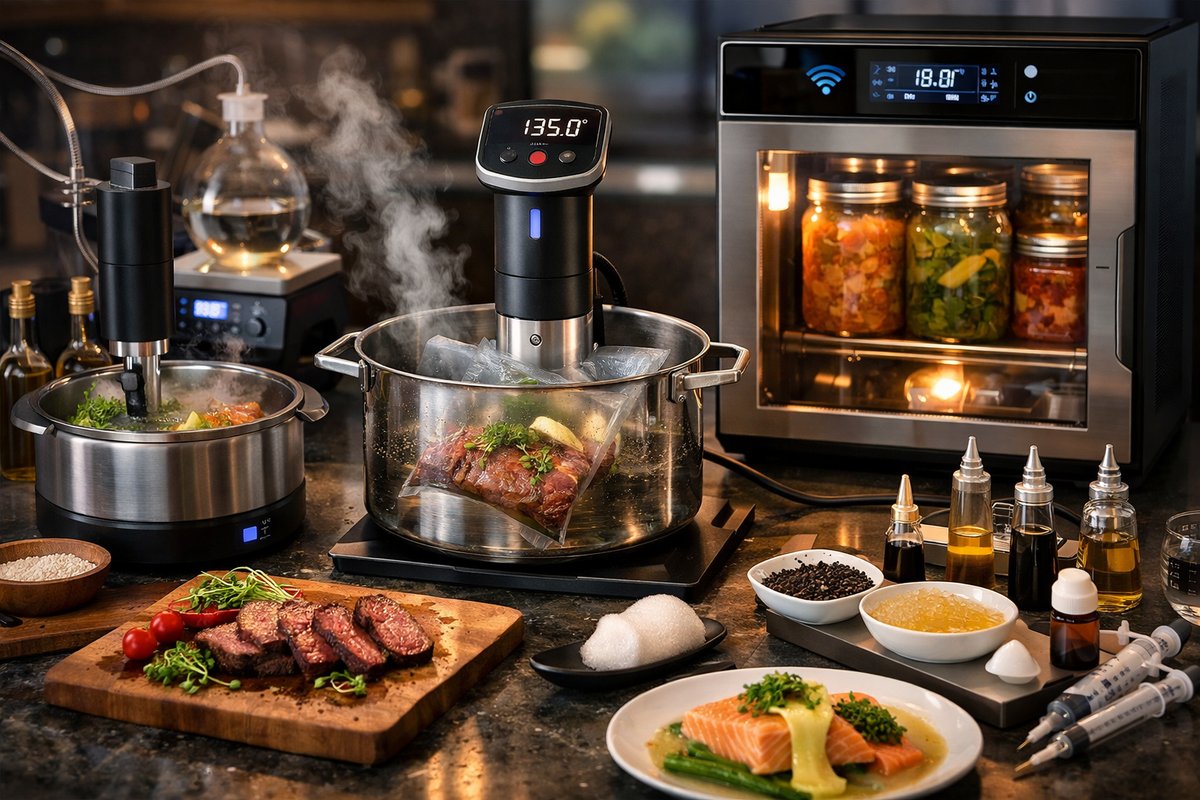
From ultrasonic infusions to precision circulators and IoT-enabled fermentation chambers, today's kitchen gadgets are turning home cooking into an experimental playground. This article explores how these tools, paired with time-honored rituals, elevate everyday meals into sensory journeys.
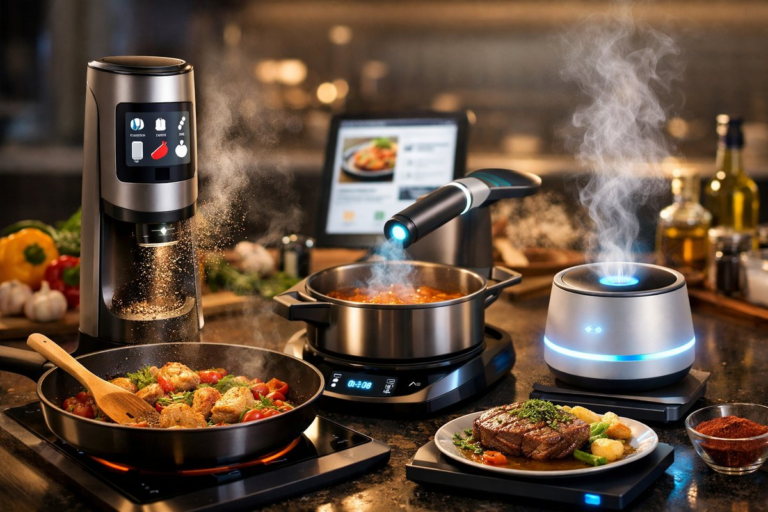
Step into the modern kitchen and it feels more like a laboratory than a cooking space. Gone are the days when culinary creativity was confined to a wooden spoon and a well-worn skillet. Today, adventurous home cooks are embracing a wave of intelligent tools and devices that transform familiar ingredients into surprising taste sensations. Whether you’re coaxing bold notes from citrus peels with high-frequency waves or gently bathing proteins in water heated to the decimal point, each gadget invites you to rewrite the recipe book and rediscover the art of flavor.
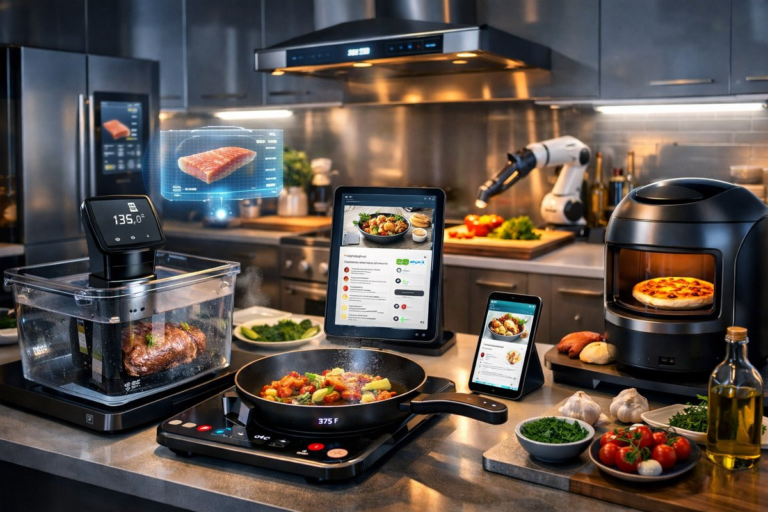
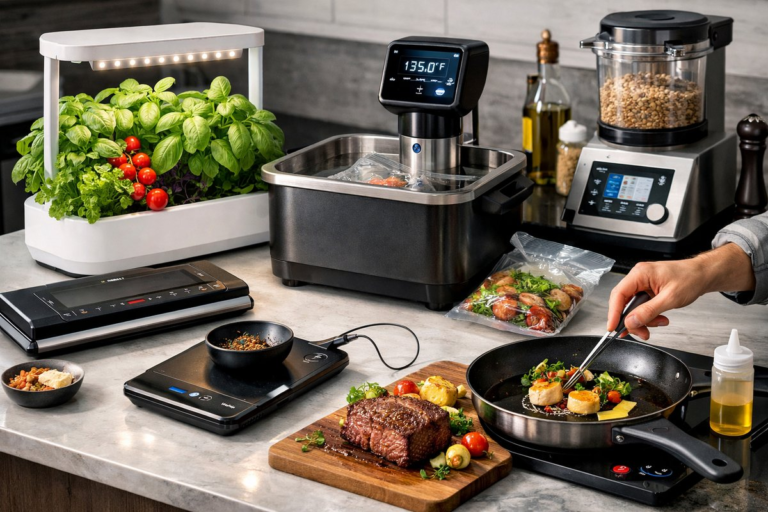
Precision cooking has become the cornerstone of any flavor-forward kitchen. Immersion circulators-often called sous vide machines-maintain water baths at exact temperatures, enabling everything from tender chicken breasts to custardy egg bites. By cooking food edge to edge at a set temperature, these devices eliminate the guesswork of “medium rare” or “firm but not overdone.” A simple attachment clips to any pot, and with a digital display you dial in your desired heat. The result is consistency that rivals professional restaurant setups, all without constant temperature checks or dry patches. Pair that with a vacuum sealer to lock in juices and aromas, and you’re on your way to restaurant-quality results at home.
Beyond temperature control, flavor extraction has taken a quantum leap with ultrasonic infusion technology. Ultrasonic infusers use high-frequency sound waves to break down the cells of herbs, fruits, or spices, accelerating the melding of aromas into oils, syrups, and spirits. A mint sprig and simple syrup become a vibrantly green, intensely fresh cordial in minutes. Citrus zest surrenders its essential oils into olive oil without the bitter bite you’d get from extended heat. Bartenders, chefs, and curious home experimenters alike are using these infusers to invent bespoke cocktail ingredients, dressings that sing, and aromatic oils that elevate a basic loaf of bread into a memorable starter.
For those drawn to molecular gastronomy, a compact kit of spherification ingredients can transform purees into pearls that pop with liquid flavor. Agar-agar, calcium lactate, and sodium alginate-once obscure chemicals found only in specialty stores-are now packaged for kitchen shelves. Whip up beet juice or mango purée and drop spoonfuls into a setting solution to create caviar-like orbs that burst on the tongue. Dehydrators shrink thin slices of vegetables into crystalline chips. Edible films cast transparent sheets of fruit concentrate that dissolve into a rush of sweetness. These playful techniques encourage you to see each ingredient not just for its taste, but for its texture, temperature, and even its visual drama.
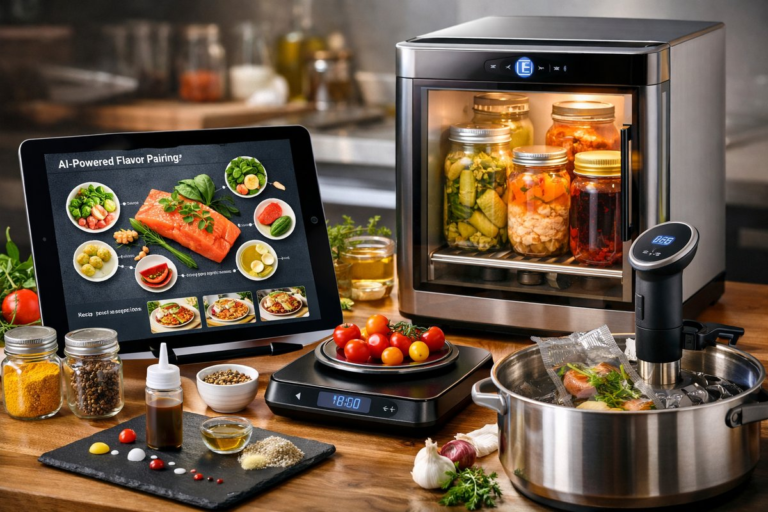
Fermentation, too, has shed its cloak of mystery. Smart fermentation chambers take the guesswork out of temperature and humidity control, creating optimal environments for kimchi, kombucha, yogurt, and sourdough starters. A small countertop unit can regulate heat to within a single degree, while built-in timers and smartphone apps remind you when to stir, taste, or rack off the brew. No more guessing whether your batch of kimchi turned out too soft or your kefir got overly tangy. This precision gives beginners confidence and experienced fermenters the freedom to push boundaries-aging spicy pepper pastes for deeper complexity or experimenting with exotic tea blends in kombucha cultures.
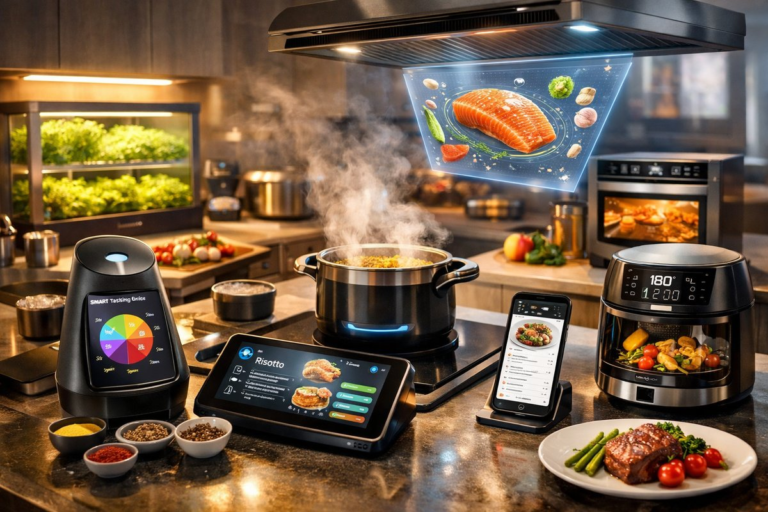
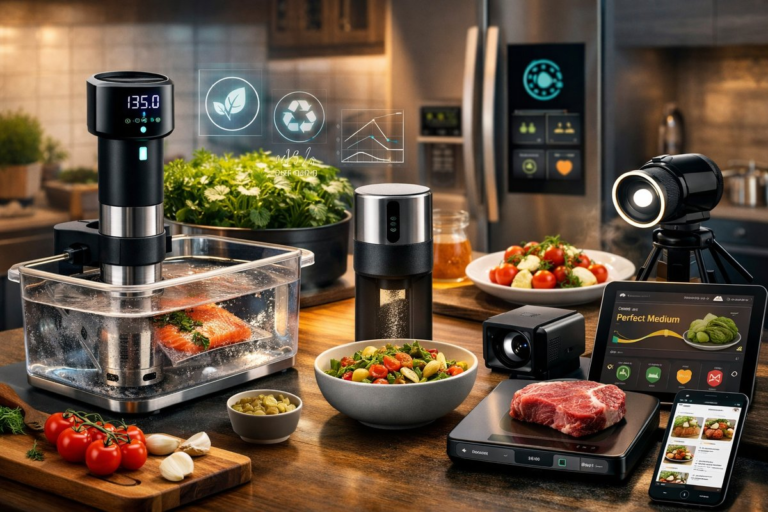
Intelligent connectivity is the next frontier. Smart ovens and induction cooktops equipped with sensors can weigh ingredients on an integrated scale, measure humidity, and even scan a barcode on pre-portioned meal kits to auto-select cooking programs. As you adjust seasoning or add ingredients, embedded cameras and machine-learning algorithms update cooking times on the fly. A phone app notifies you of color changes in a searing steak or rising bread dough. These real-time insights take the uncertainty out of ambitious recipes, allowing you to venture beyond your comfort zone-whether you’re tackling confit duck legs or mastering multi-layered patisserie.
Culinary creativity isn’t limited to taste alone. Multi-sensory plating surfaces use thermochromic materials that change color under warm sauces, adding a visual flourish to every pour. Aroma diffusers designed for food release fragrance notes in precise bursts, priming the nose to anticipate flavors even before the first bite. Experimental chefs are exploring edible audio-thin, tasteless wafers embedded with micro-speakers that emit complementary soundscapes during dining, enhancing perceived sweetness or heightening savory richness through sound design.
Yet for all this high-tech wizardry, the heart of cooking remains ritual. Brewing tea with a temperature-holding kettle, hand-measuring tea leaves by weight on a smart scale, or using a dedicated digital proofing box for bread dough combines technology with the meditative pace of traditional practice. Lighting a scented candle, pressing warm bricks around a fermenting batch, or starting your day by calibrating a pH meter for homemade kombucha all become soothing acts that ground us in time-honored craft.
Sustainability is woven into the narrative too. Vacuum sealers extend the life of seasonal produce, cutting down on waste and enabling batch cooking without freezer burn. Digital food organizers track expiration dates via connected jars that update an app as you open each container-no more forgotten bags of spinach lurking at the back of the crisper. Even water-saving smart taps and induction cooktops that heat only cookware surfaces contribute to more responsible resource use, marrying convenience with ecological mindfulness.
Choosing which gadgets to invite into your kitchen is as much an emotional decision as a practical one. Some tools inspire bold experimentation, while others gently nudge you toward consistency and confidence. Maybe you buy an ultrasonic infuser for a dazzling cocktail party, or a precision circulator to master Thanksgiving turkey. Perhaps a fermentation chamber awakens an inner microbiologist, or a multi-sensor oven encourages weeknight bravery. Each device reflects a facet of your cooking personality-your curiosity, your love of ritual, your taste for the unexpected.
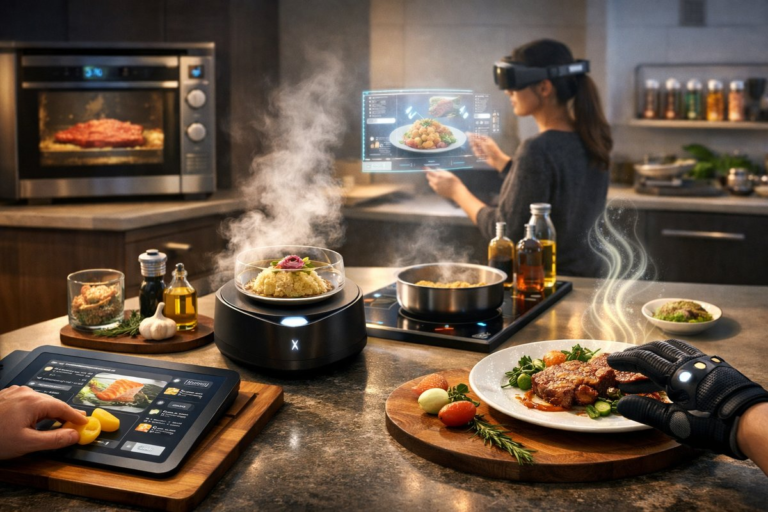
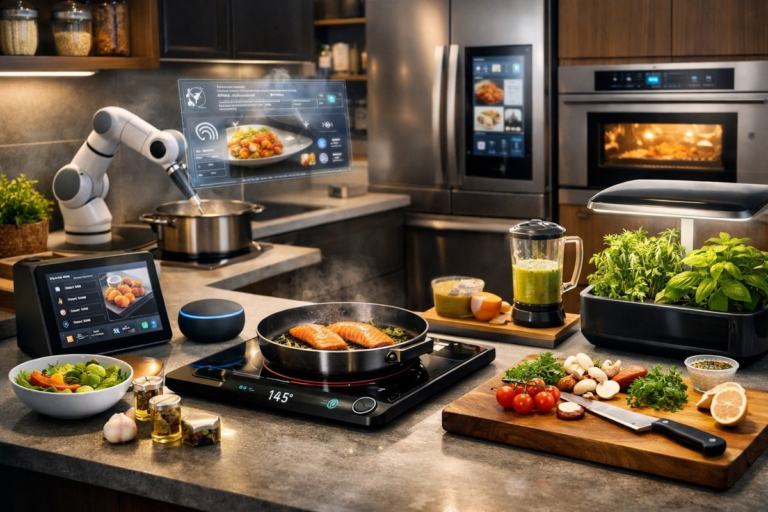
As these technologies mature, the line between professional and home cooking continues to blur. Lightweight AI assistants trained on global recipe databases will help you customize flavors to your dietary preferences. Holographic cooking classes might project a chef’s hands onto your countertop. Robotic arms could one day handle repetitive prep tasks, freeing you to focus on inspiration and plating. But even as automation increases, the joy of creating, tasting, and sharing will remain the guiding principle.
Flavor is adventure, and every new tool is a ticket to a different landscape. Whether you’re coaxing the herbal brightness from basil with ultrasonic waves, crafting tableside bubbles of mango purée, or fermenting chilies under the watchful eye of smart sensors, these technologies turn mundane meals into invitations for exploration. Your kitchen becomes a lab, your ingredients become experiments, and every meal becomes a story waiting to be told-one precisely controlled temperature, waveform, or drop of aroma at a time.