Location
Mount Vernon, WA 98274

Location
Mount Vernon, WA 98274
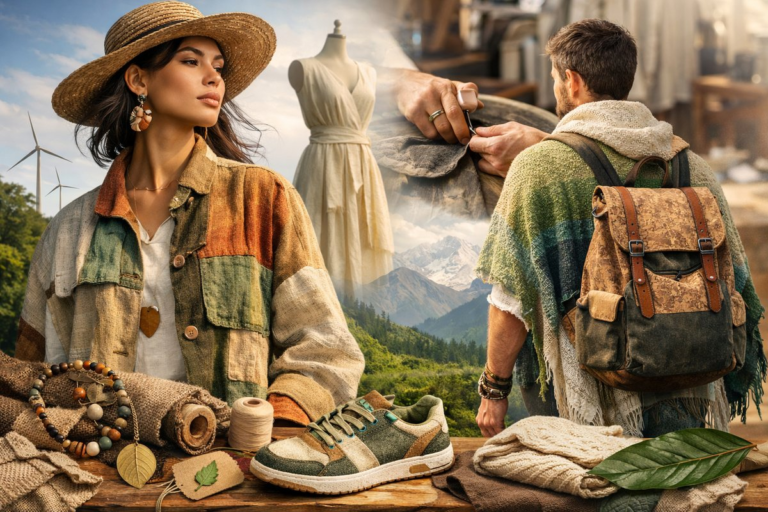
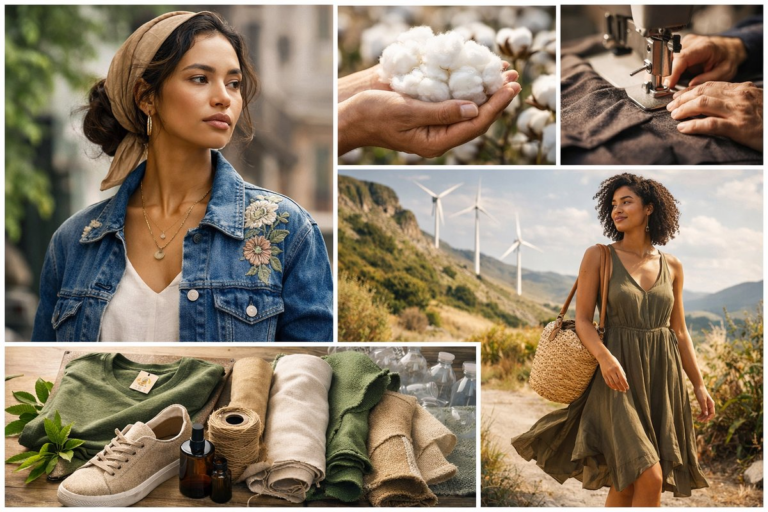
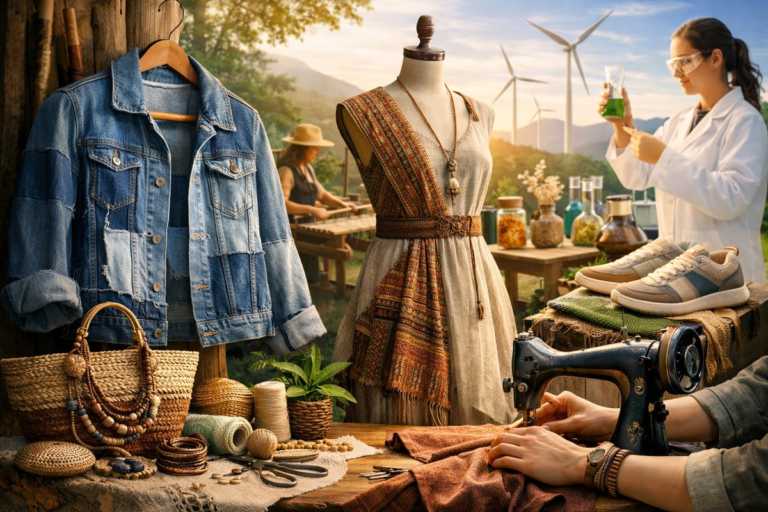
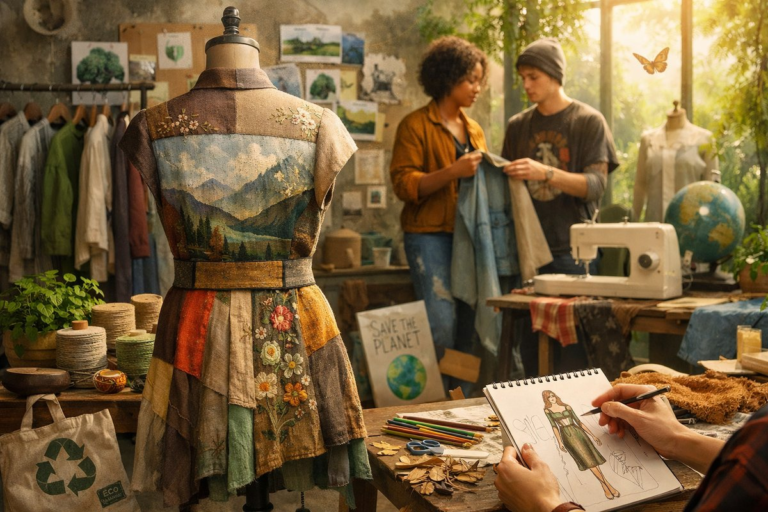
From recycled denim runways in Tokyo to mushroom leather accessories in New York, the latest wave of sustainable fashion is reshaping wardrobes around the globe. Driven by consumer demand for transparency and ethical production, designers are blending bold aesthetics with eco-friendly materials to tell powerful stories through every garment.
On a late spring evening in Tokyo, the lights dimmed as models took the runway wearing patchwork denim made entirely from reclaimed fabric scraps. The show’s soundtrack mixed ambient beats with field recordings of urban rainstorms, underscoring a message that fashion need no longer sacrifice style for sustainability. This is not a fringe movement anymore. Recent industry reports indicate that nearly 65 percent of global consumers now consider environmental impact when buying clothing, and brands from streetwear labels to high-end ateliers are racing to meet that demand.
Across multiple capitals of style-from Paris to São Paulo-designers are experimenting with organic cotton, recycled polyester and plant-based leathers harvested from agricultural byproducts. One European report forecasts that by 2030, more than a third of all fashion items will incorporate at least 20 percent recycled content. Innovations in dyeing techniques have reduced water usage by up to 90 percent, while modular design approaches allow shoppers to disassemble garments for easier recycling at end of life.
But sustainability has taken on more than an environmental hue. It’s become a storytelling tool. Behind each piece lies a narrative: the farmer who tended organic flax, the factory worker earning a living wage, the community cooperative transforming post-consumer plastics into high-performance fabrics. Consumers are no longer satisfied with labels that simply state “made in,” but demand full visibility into the supply chain. Blockchain credentials and QR-code tags have emerged to meet that need, offering one-click access to every stage of a product’s life.
Meanwhile, digital platforms have transformed the way people engage with clothing. Virtual wardrobes and on-demand rental services have grown by more than 40 percent in the last year alone, cutting down on overproduction and encouraging users to treat pieces as experiences rather than disposable commodities. Augmented-reality fitting rooms allow shoppers to try on outfits virtually, reducing return rates and the carbon footprint of last-mile deliveries.
Bold accessories have also found their moment. Jewelry crafted from ocean-recovered plastic beads artfully arranged around recycled metal frames speaks to the urgent need to protect marine habitats. 3D-printed earrings and statement collars made from biodegradable polymers splinter traditional notions of luxury. Even traditional artisans are adapting: weaving techniques used for centuries to create household textiles are now applied to high-fashion shawls and handbags, each thread preserving cultural heritage while delivering modern flair.
A new generation of consumers demands clothing that aligns with their values: fair wages, cruelty-free materials and low environmental impact. A recent survey found that 78 percent of respondents under age 30 would pay a premium for garments certified by recognized ethical labels. This has led startups and established houses alike to partner with nonprofit organizations, ensuring that a portion of sales supports reforestation efforts or worker education programs.
Despite the momentum, challenges remain. Transparent supply chains are expensive to build and maintain. Raw material costs for organic cotton still exceed those of conventional farming. Recycling infrastructure varies greatly by region, leaving some communities without viable end-of-life solutions. And while rental and resale platforms reduce overall consumption, they introduce logistical complexities: garment sanitation, shipping emissions and tracking lifecycle impacts.
Yet innovation continues unabated. A recent collaboration between a research institute and a textile mill yielded a solvent-free dye that decomposes safely in wastewater systems. Another pilot program is deploying solar-powered microfactories to produce lightweight, high-performance outerwear in remote regions, cutting down on long-distance shipping.
Stylistically, the lines between casualwear and couture are blurring. Workwear staples like chore jackets now feature ultra-soft hemp blends and reflective piping made from recycled PET bottles. Evening gowns incorporate laser-cut mesh panels composed of spun-biopolymer fibers that offer both structure and breathability. Even fast-fashion retailers are introducing limited-run “drop” collections with responsibly sourced fabrics, acknowledging that mass-market players have a role to play in driving systemic change.
For the consumer navigating this landscape, authenticity is key. Transparent price breakdowns, detailed impact reports and direct appeals from makers help build trust. Workshops, pop-up studios and live-streamed factory tours create connections that go beyond Instagram filters. In cities around the world, community swap events and clothing repair clinics are transforming wardrobes into ever-evolving expressions of personal and societal values.
Looking ahead, experts predict that generative AI and machine learning will further optimize design processes, reducing waste from the very first digital sketch. Biotech breakthroughs may introduce lab-grown silk or algae-based dye with zero water footprint. And as blockchain standards become more robust, the concept of a digital twin for every garment-tracking every wash, repair and resale-edges closer to reality.
What began as a small cohort of experimental labels has matured into a global movement. Sustainability is no longer a niche qualifier; it’s a core expectation. Every stitch and seam now carries meaning, inviting wearers to step into stories that reflect their beliefs and aspirations. In the evolving world of apparel, the question is not just what we wear, but why-and that narrative is only just beginning to unfold.