Location
Mount Vernon, WA 98274

Location
Mount Vernon, WA 98274
From ancient caravan routes in Central Asia to eco-friendly train journeys through Patagonia, a new wave of travelers is redefining exploration by escaping crowded hotspots. Quiet tourism-slow, sustainable, and deeply immersive-invites adventurers to forge genuine connections with landscapes, cultures, and their own inner compass.
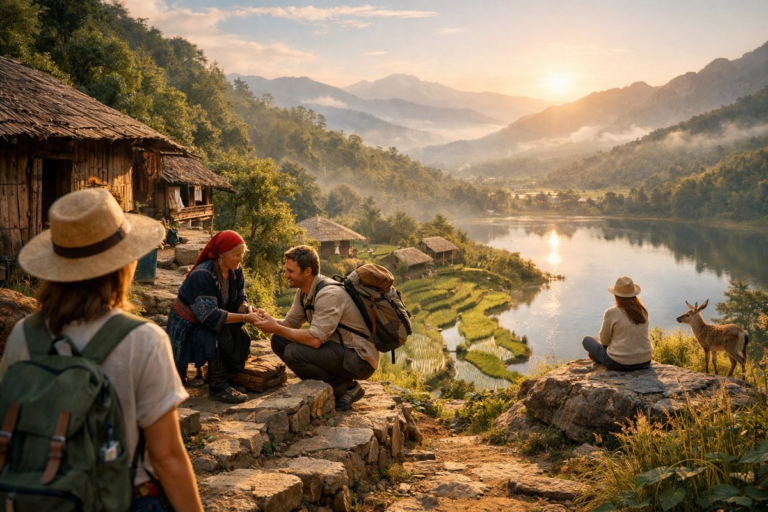
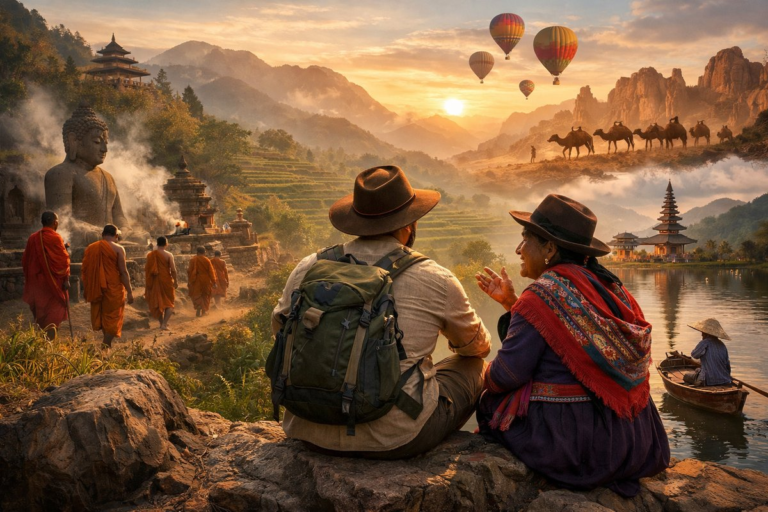
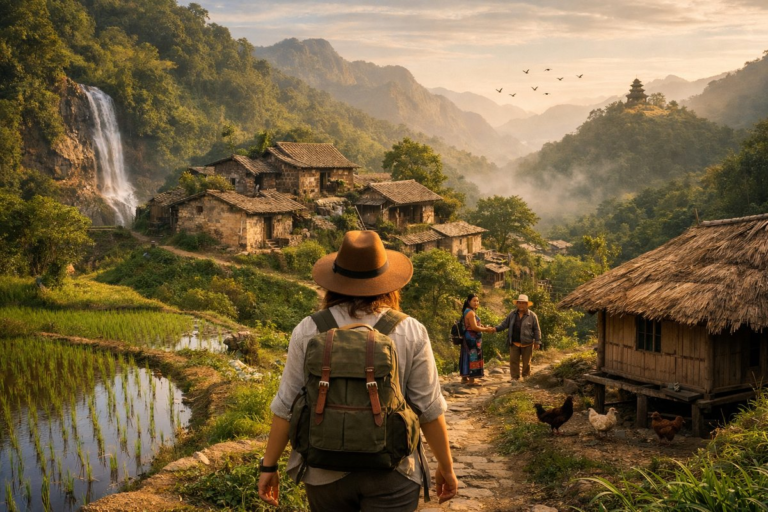
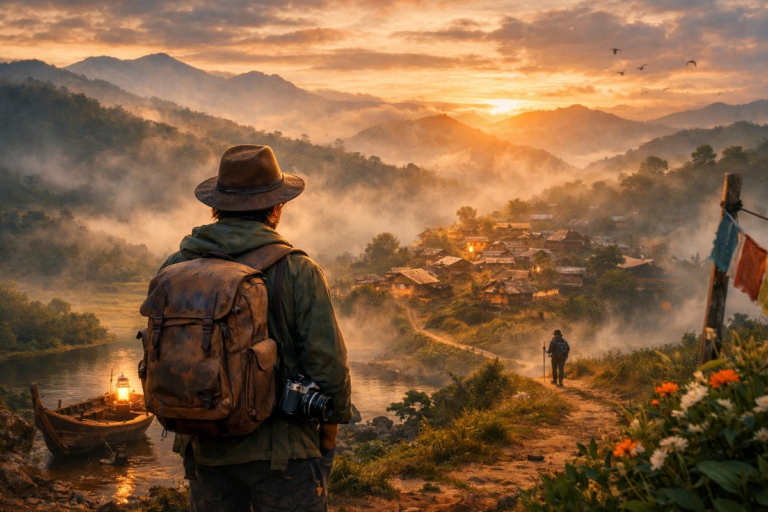
Global tourism is entering a new chapter. After years of congested airports, midday lines at iconic landmarks, and overrun beach resorts, many travelers are charting different paths. Emerging trends point to the appeal of solitude, sustainability, and authentic cultural exchange. Dubbed “quiet tourism,” this movement encourages explorers to venture beyond familiar circuits and embrace offbeat landscapes, under-visited routes, and local-led experiences.
According to recent data from the World Tourism Organization, international arrivals are climbing steadily, yet a growing share of those trips are shifting toward lesser-known regions. Instead of spending peak seasons at postcard-perfect capitals, tourists are opting for remote mountain villages, hidden coastal enclaves, and rare heritage trails. The result is a more balanced distribution of visitor flows-and a chance to reduce the environmental pressures that come with overtourism.
One of the most compelling examples comes from Central Asia’s Silk Road corridors. In Kyrgyzstan, for instance, a coalition of local guides and nomadic families has reopened centuries-old paths that wind through high alpine meadows, shepherd hamlets, and ancient caravanserais. Small trekking groups travel on horseback or on foot, sleeping under star-studded skies in yurts equipped with solar lanterns. Far from the bustle of city bazaars, participants learn traditional felt-making techniques from artisans whose families have practiced the craft for generations.
Further west, a refurbished train route connecting the southern tip of Chile to Argentina’s wind-swept wilderness is gaining traction among rail enthusiasts. The service, once halted for decades, now operates on a seasonal schedule that prioritizes scenic stops over speed. Passengers spend dawn photographing glacier-fed lakes, then step off to taste locally foraged berries before reboarding for sunset views of snow-capped volcanos. The slow-rolling pace transforms the journey into a living documentary-an antidote to the rush of modern air travel.
In Europe, coastal communities along the Adriatic are embracing sustainable hostels and eco-lodges to attract conscientious visitors outside the high season. A small archipelago off Croatia’s northern coast, previously accessible only by fishing skiffs, has installed solar panels and composting toilets at its guesthouses. Zero-waste cooking classes teach guests to prepare seaweed salads and local fish dishes using locally sourced produce. Arrivals have tripled in the past two years, all while maintaining strict visitor caps that protect fragile marine ecosystems.
The concept of quiet tourism extends beyond physical landscapes to include retreats focused on inner stillness. In remote valleys of rural Japan, minimalist meditation centers offer silent stays that last anywhere from a weekend to several weeks. Participants follow a disciplined schedule of early-morning chanting, forest bathing sessions, and mindful tea ceremonies. Without Wi-Fi or external distractions, travelers report heightened self-awareness, reduced stress, and a deeper connection to the surrounding woodland shrines.
Educational exchanges are also weaving into the quiet tourism fabric. In Eastern Europe, language immersion homestays pair aspiring speakers with families in villages where dialects have remained relatively untouched by globalization. Guests join daily chores-harvesting berries, baking bread in wood-fired ovens, weaving traditional textiles-and learn colloquial expressions that don’t appear in textbooks. These intimate settings foster genuine cross-cultural friendships and create a grassroots economic boost for rural communities.
Part of quiet tourism’s allure lies in its emphasis on hands-on activities. Birdwatching expeditions in West Africa now include training sessions led by local conservationists who track migratory flocks. Participants assist in data collection for wetland preservation projects, then cook communal meals under baobab trees. In the Philippines, divers explore coral reefs that are off-limits to mass snorkel tours, guided instead by marine biologists who explain reef restoration techniques and hand out seedlings of endangered corals.
Industry analysts predict that slow, sustainable travel will continue to grow as more passengers seek meaningful experiences. Tech platforms have begun integrating carbon-footprint calculators into booking engines, allowing travelers to compare the environmental impact of flights, trains, and ferries. A handful of airlines now offer verified “green seats” whose profits directly fund reforestation projects.
Governments are catching on as well. UNESCO recently placed several routes of the ancient trans-Saharan caravan trails on its tentative heritage list, spotlighting their historical importance and encouraging moderated visitation. Small grants are flowing into community-run campsites in Mongolia’s Eastern Steppe, where nomadic families host guests in portable gers, sharing insights into horse culture and falconry traditions.
Despite the momentum, quiet tourism faces challenges. Infrastructure in many remote areas remains underdeveloped, with limited road access, irregular medical coverage, and spotty internet connectivity. Ensuring respectful engagement with indigenous cultures requires careful planning, sensitivity training for guides, and clear protocols around photography and personal space. Industry stakeholders stress that successful initiatives are those co-created with local communities rather than imposed from outside.
On the horizon, digital nomad visas are opening doors for long-term visitors seeking micro-settlements in rural hubs. Regions in Portugal, Costa Rica, and parts of Southeast Asia now welcome remote workers with incentives like subsidized coworking spaces and cultural orientation workshops. The aim is to distribute economic benefits beyond urban centers and foster year-round occupancy in smaller towns.
Meanwhile, sustainability certifications for lodgings now account for factors such as waste reduction, water-management systems, and community investment programs. A growing number of travelers use third-party ratings platforms to vet potential stays, ensuring that their dollars support conservation efforts and fair labor practices.
From the quiet dunes of the Sahara to forested retreat centers in Scandinavia, the quiet tourism trend is redefining what it means to travel. Beyond photo ops and checklist sightseeing, it invites a richer conversation between visitor and host-between self and setting. For those eager to create stories that resonate long after the journey’s end, these mindful, off-the-grid adventures offer a promising path.
Where will your next destination be? Perhaps a secluded gallery of rock art in the Outback, a solar-powered ecolodge in the Scottish Highlands, or a shared courtyard deep in an Anatolian village. The map of modern travel is expanding beyond bullet trains and familiar capitals. And as the world opens up again, it’s the quieter, less-traveled roads that are beckoning most loudly.
Whether you’re packing a rucksack for your first micro-adventure or plotting a months-long slow-travel odyssey, the essence of quiet tourism remains the same: tread lightly, listen closely, and embrace the spaces between places.