Location
Mount Vernon, WA 98274

Location
Mount Vernon, WA 98274
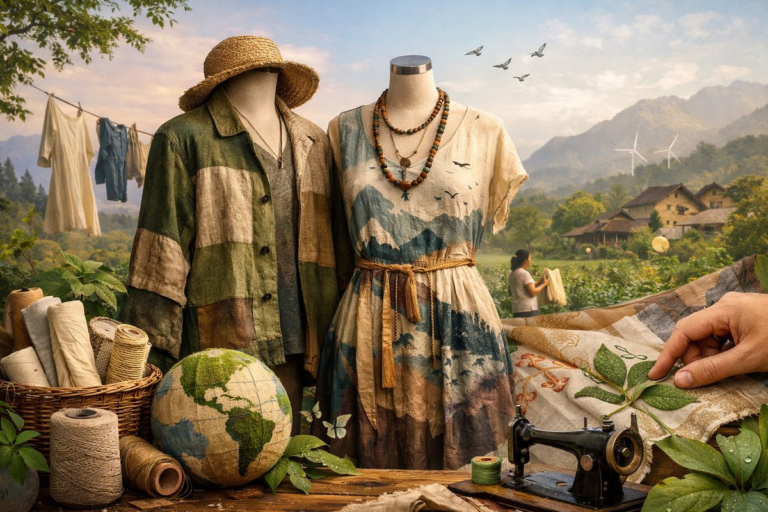
A wave of innovation is redefining how clothes are made, worn and cared for-melding advanced materials, digital tools and age-old artisan techniques. From lab-grown leathers to community repair hubs, emerging collaborations are charting a circular path for the apparel industry.
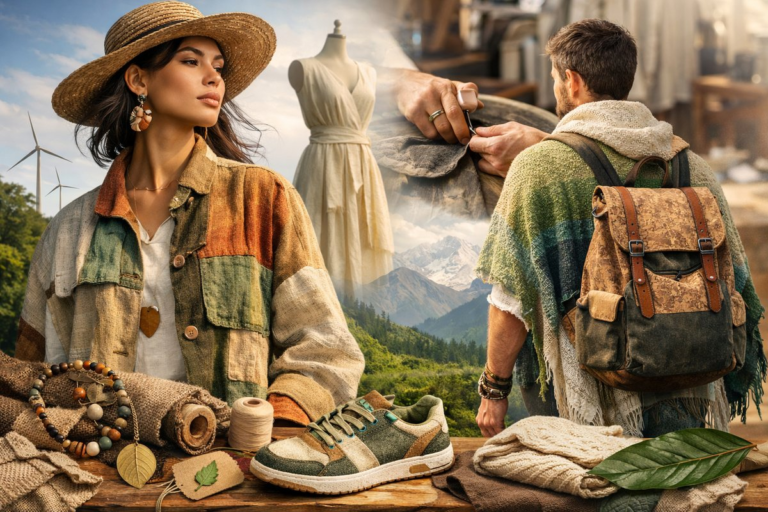
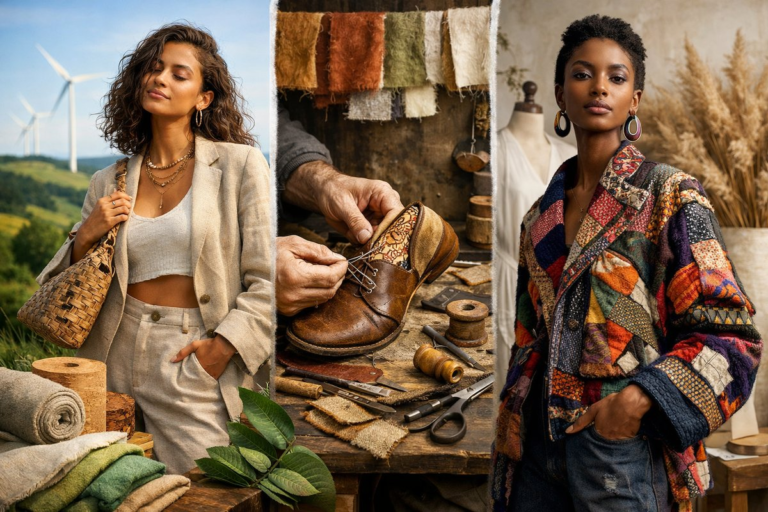
A recent collaboration between a collective of textile innovators and a network of local craftspeople has unveiled a pilot line of outerwear made entirely from bio-engineered fibers and regional waste streams. Unveiled at an eco-design showcase in a converted shipping container venue, the collection pairs mushroom-derived leather jackets with scarves hand-woven from reclaimed cotton. The display signals a broader shift: brands and makers are turning to material science and community partnerships to shrink fashion’s environmental footprint, even as consumers demand stylish, story-rich wardrobes.
In labs around the world, researchers are refining bio-based alternatives to conventional leather and petroleum-based synthetics. Mushroom-derived materials now boast tensile strength comparable to animal hide, while innovations in algae-based yarns produce vibrant hues without toxic dyes. Even recycled polyester is shedding its reputation for micro-plastic shedding: next-generation chemical recycling techniques break down discarded bottles into pure polymer, then reknit them into soft, moisture-wicking knits. These advances are finding their way into production lines, turning once-waste streams into runway-ready textiles and offering a glimpse of clothing that regenerates rather than depletes natural resources.
Equally transformative is the rise of digital design and manufacturing tools. AI-driven pattern generators analyze fit data from thousands of body scans to create on-demand garments tailored to individual measurements. 3D knitting machines can knit an entire sweater in a single process, eliminating cutting waste and drastically reducing labor hours. Virtual fitting rooms powered by augmented reality apps let shoppers see how a dress drapes across real-time video of their torso, cutting return rates that account for a significant share of fashion’s carbon emissions. Taken together, these technologies enable smaller production runs, hyper-personalized items and leaner supply chains.
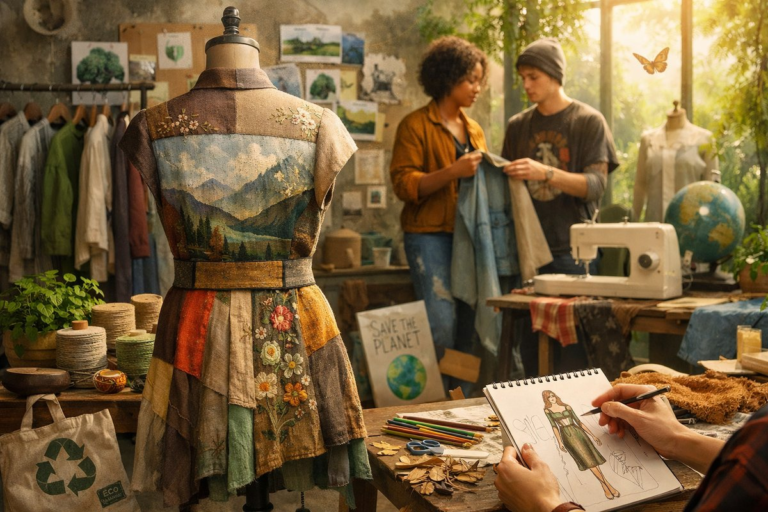
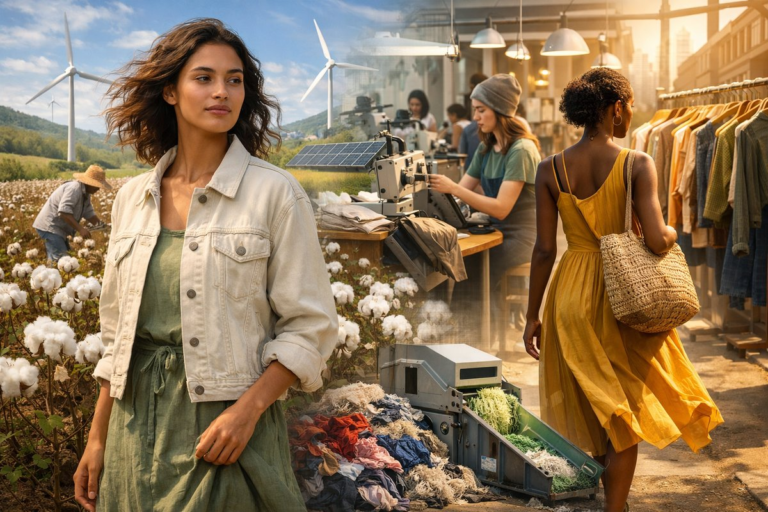
At the same time, the circular fashion movement is moving off social media and into brick-and-mortar spaces. Pop-up repair cafés hosted by local makerspaces teach shoppers to reinforce seams, replace zippers and patch holes-skills once taken for granted but lost amid fast fashion’s disposable ethos. Clothing rental platforms have expanded beyond formal wear to offer everyday basics, letting subscribers rotate through capsule wardrobes curated by stylists. Resale marketplaces now use data analytics to price items dynamically, encouraging timely sales and keeping fabrics in active use. Even laundering is getting an eco upgrade: low-temperature wash cycles paired with biodegradable detergent sheets minimize energy use and wastewater pollutants.
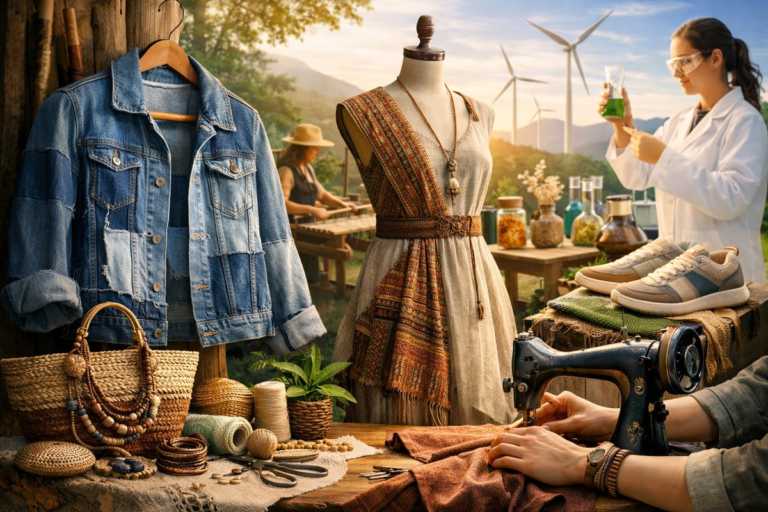
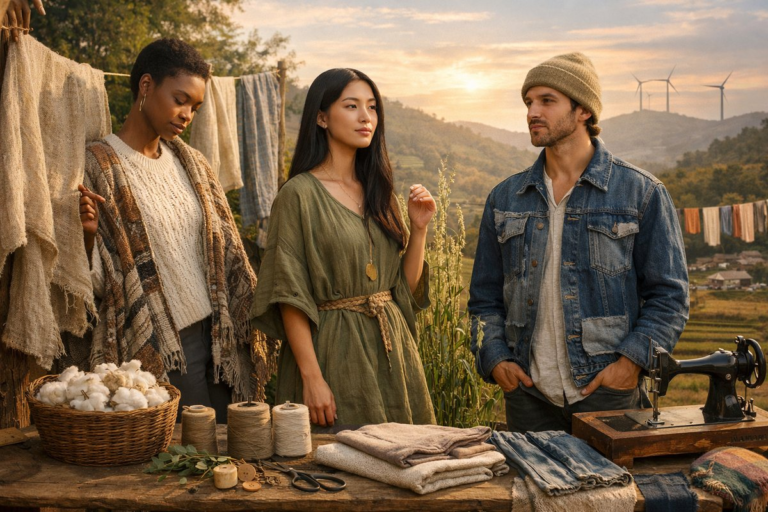
Far from displacing tradition, many innovators are forging partnerships with artisan communities to preserve and elevate heritage crafts. In rural weaving cooperatives, techniques passed down through generations are being digitized into design libraries, enabling small-batch brands to incorporate hand-loomed panels without traveling across continents. Fair-trade frameworks ensure artisans receive transparent royalties and maintain creative agency. Some programs even include mobile design labs equipped with solar-powered looms, allowing weavers to work flexibly and stay connected to urban markets. The result is a hybrid model that honors cultural authenticity while scaling production sustainably.
Corporate transparency is also advancing through traceability technologies. Blockchain-based platforms issue digital passports for each garment, logging data on fiber origins, dye processes and shipping routes. Consumers can scan QR codes sewn into labels to verify certifications-such as organic farming, cruelty-free tanning or low-water dyeing-and better understand the social impact of their purchase. Brands are publishing annual impact reports with third-party audits, and a handful of high-profile names have even begun offering line-item carbon offsets, rerouting proceeds to reforestation and water-conservation projects in textile-producing regions.
Behind these innovations, a new breed of consumer is reshaping demand. Surveys show that younger shoppers-particularly Gen Z-prioritize ethical production and circular models over trend-driven fast fashion. Social media campaigns have elevated voice and visibility for under-represented makers, while activism around garment worker rights has sparked boycotts of opaque supply chains. Influencers are increasingly spotlighting wardrobe capsules and slow-fashion challenges rather than the latest drops. Brands that once relied on rapid turnover are now exploring more sustainable calendars and dropping fewer, better-crafted pieces.
Still, the path to a fully circular apparel economy faces hurdles. Economies of scale remain elusive for bio-materials, and high adoption costs can keep premium price tags out of reach for many shoppers. Greenwashing claims continue to confuse consumers, and regulatory frameworks for textile waste vary widely across regions. Advocates say that government incentives-such as extended producer responsibility programs and import tariffs on non-recyclable fibers-will be critical in leveling the playing field. Meanwhile, retailers are experimenting with hybrid models, integrating in-store recycling kiosks with buy-back credits and scaling up closed-loop dyeing facilities to reduce environmental externalities.
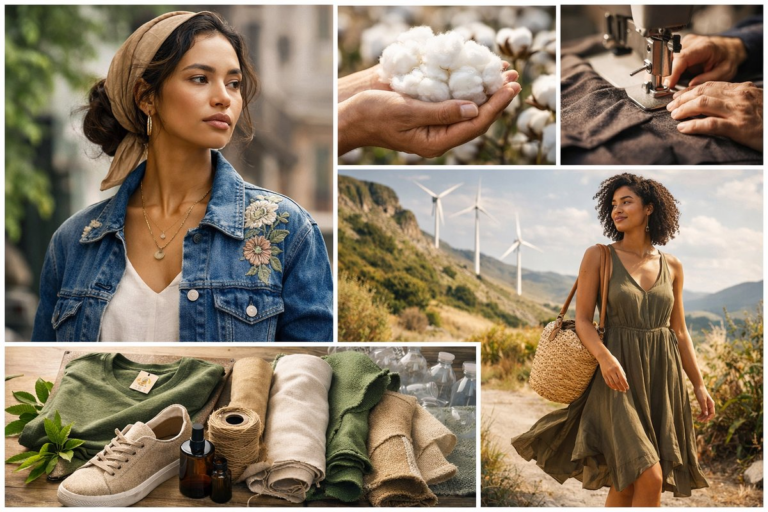
Looking ahead, industry insiders predict that the convergence of material science, digital manufacturing and circular business models will accelerate in the next few years. Upcoming trade events are spotlighting regenerative agriculture for cotton and hemp, while a wave of impact-driven venture capital is funding textile startups that prioritize social equity alongside environmental benefits. For consumers, that means an expanding range of wardrobe essentials-denim, outerwear, basics-that not only look good but also carry stories of environmental stewardship and human creativity. Whether through an AI-tailored knit or a hand-stitched scarf repurposed from industry offcuts, the new sustainable fashion landscape is inviting everyone to be a steward of style.
In an era where clothing choices can echo far beyond the closet, the fusion of technology and tradition is stitching together a new model-one where garments are valued for their lifespan, their traceable journeys and the hands that crafted them. As brands, artisans and consumers continue to collaborate, the narrative of fashion is shifting from linear production to regenerative systems, promising a wardrobe that is as mindful as it is expressive.