Location
Mount Vernon, WA 98274

Location
Mount Vernon, WA 98274
A new generation of AI-driven recipe platforms, robotic cooking assistants, and sensor-packed devices is reshaping what it means to cook at home. From real-time flavor analysis to predictive pantry management, these tools promise to streamline meal prep and spark fresh culinary adventures.
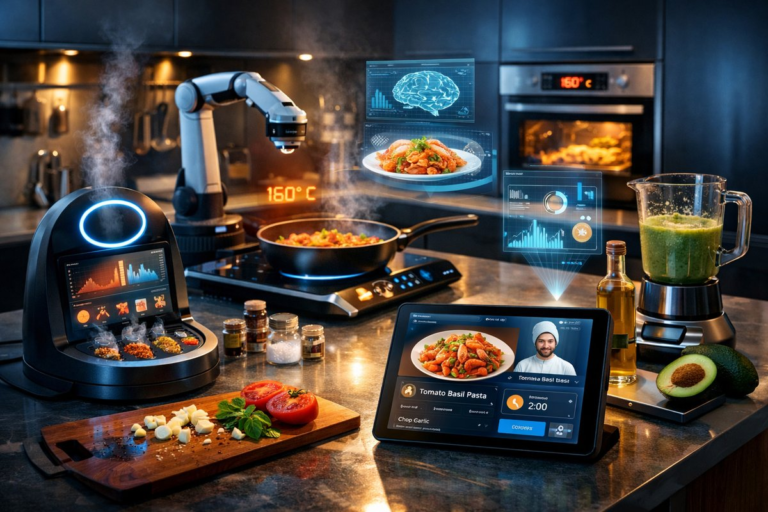
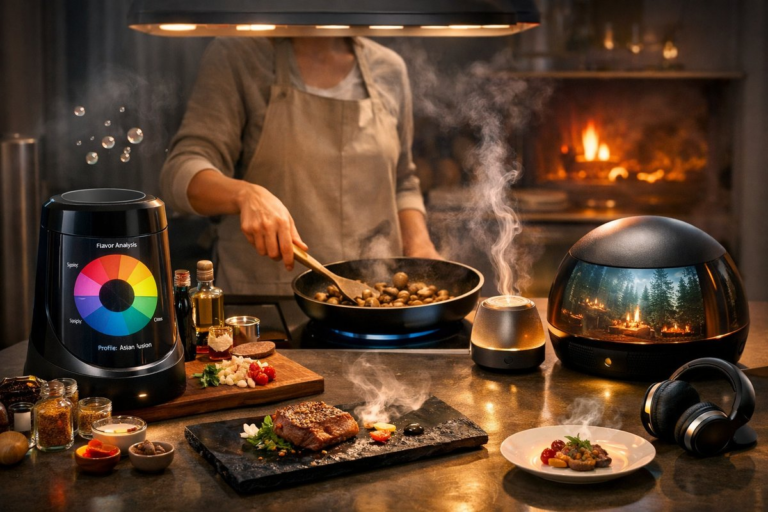
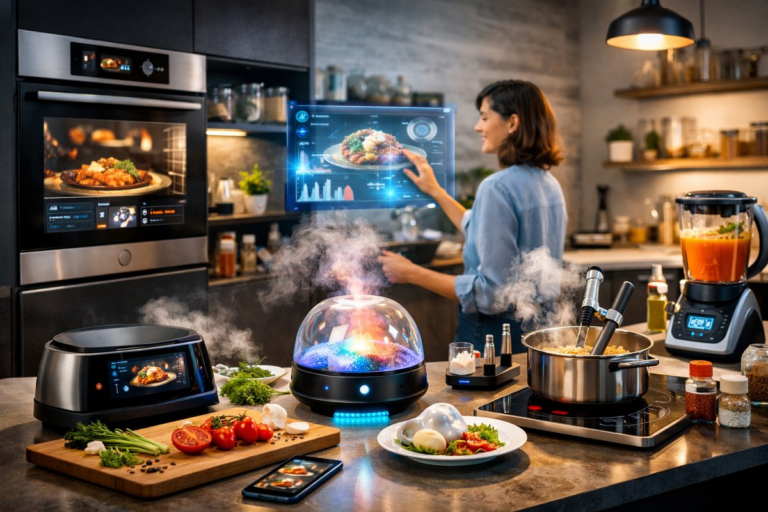
In a bustling demonstration kitchen at this spring’s Culinary Tech Summit, a sleek countertop device dubbed “Flavor Sense 360” scanned spices, measured moisture levels in dough and recommended subtle tweaks to a developing curry recipe. Nearby, an AI-powered recipe app charted ingredient substitutions tailored to pantry contents and dietary preferences, projecting step-by-step holographic instructions above a cutting board. It felt part science fair, part molecular gastronomy lab-but it was happening right in the heart of the consumer electronics arena.
Welcome to the latest chapter in home cooking, where food and kitchen technology are converging to transform everyday meals into data-driven adventures. As the 2024 summit unfolded, industry leaders and startup founders revealed sensor-rich tools, machine learning platforms and voice-activated appliances that promise to democratize chef-level expertise. Instead of memorizing ratios or juggling multiple timers, home cooks can rely on intelligent systems that monitor textures, optimize cooking curves and even suggest creative plating ideas.
One of the most talked-about innovations is the rise of neural network-powered recipe engines. Unlike traditional recipe sites that offer fixed instructions, these platforms analyze a user’s historical cooking data-past successes, timing deviations and flavor feedback-to generate personalized recipes on the fly. If a cook tends to underseason proteins or prefers one pot methods, the AI will adjust steps and measurements accordingly. In early trials, beta testers reported reducing meal-planning time by up to 40 percent and cutting ingredient waste by nearly a quarter.
Meanwhile, robotics firms have begun shipping modular cooking arms that handle repetitive tasks like whisking, stirring and precise pouring. These assistants can be programmed via simple drag-and-drop interfaces on mobile devices, allowing cooks to free up their hands for more creative flourishes. In one demonstration, a single arm managed three simultaneous sauces-béchamel, tomato ragù and curry base-each adhering to specific stirring patterns and heat profiles.
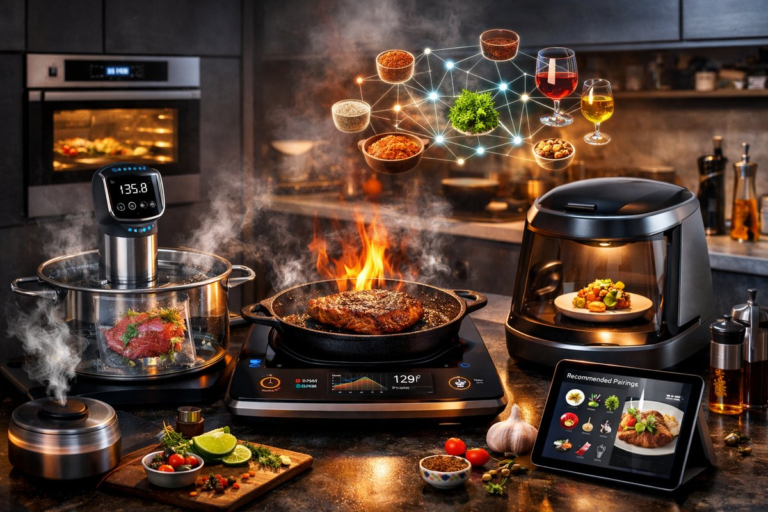
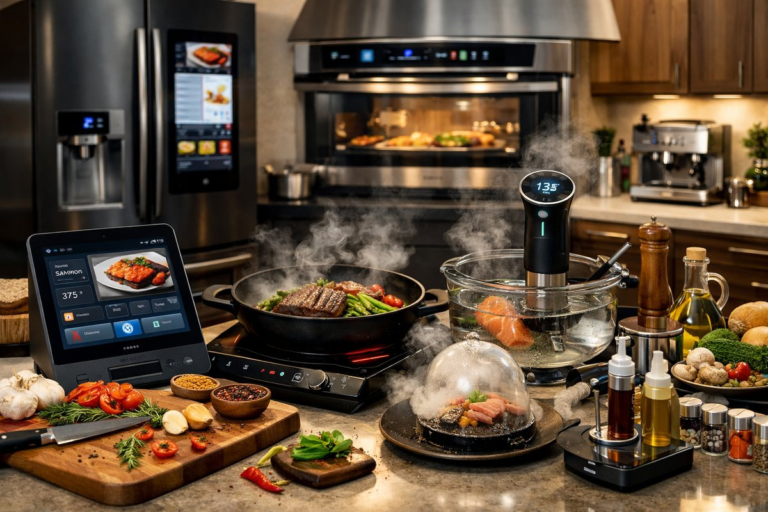
Beyond robotics and AI, connectivity is bleeding into every corner of the kitchen. Smart refrigerators now track expiration dates using computer vision, automatically reordering staples or suggesting recipes to use up soon-to-spoil items. Induction cooktops can communicate with compatible saucepans, maintaining exact temperatures and alerting users the moment milk is about to boil over. Even everyday gadgets like digital scales and immersion blenders are becoming members of the Internet of Things, uploading weight readings and speed settings to cloud dashboards for recipe analysis.
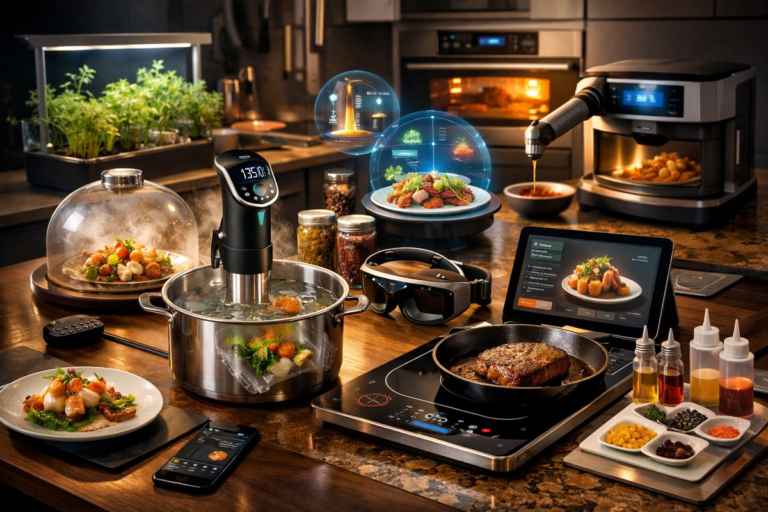
Although the promise of a fully autonomous kitchen has been touted for years, recent breakthroughs in miniaturized sensors and affordable compute hardware are finally making it feasible to bring parts of that vision home. Low-cost spectrometers, for example, can now fit inside spice grinders to measure coarseness and aromatic oil content. Home brewers are using compact gas sensors to monitor CO₂ levels in fermenting vessels, ensuring consistent beer or kombucha batches. And countertop 3D food printers have graduated from novelty status to viable tools for decorating desserts or customizing snack shapes.
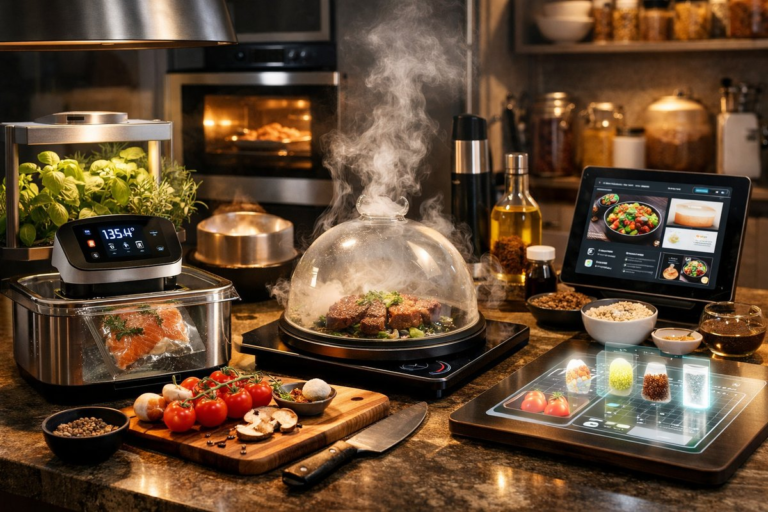
These advances arrive amid shifting consumer priorities. Sustainability and waste reduction are top of mind for many households, and technology offers tools to address both. Smart compost bins equipped with odor sensors and internal agitators can accelerate decomposition, turning kitchen scraps into nutrient-rich soil in days rather than months. Meal-planning apps linked to local community gardens can suggest volunteer opportunities to share surplus harvests. Even sous-vide devices now tout energy-saving modes and insulated water circulators that retain heat more efficiently.
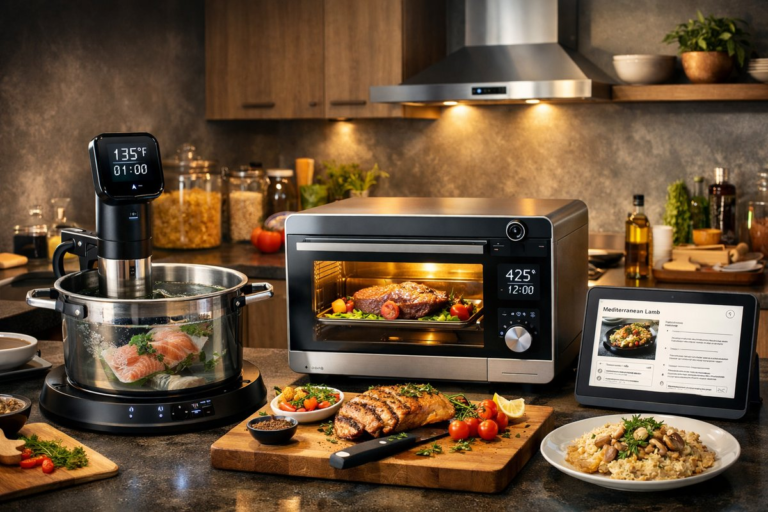
With so many gadgets vying for attention, integration has become the next battleground. Open-source cooking platforms are emerging that allow devices from different manufacturers to speak a common language. Imagine a stovetop that alerts your blender when a sauce reaches peak thickness, or a refrigerator that bids your sous-vide stick to start preheating when you pull meat from the deli drawer. Proponents argue this level of coordination will unlock seamless dinners where technology fades into the background of sensory delight.
But not all cooks have embraced the trend. Skeptics point out that culinary tradition is rooted in tactile sensation and improvisation, and they worry about over-automation diluting human expression. There’s also a learning curve: mastering a new piece of software or device can feel more daunting than simply following a tried-and-true cookbook. To address these concerns, some companies are focusing on hybrid approaches-wearable wristbands that track hand motion during chopping and provide haptic feedback, for instance, or voice-guided masterclasses that blend human coaching with data-driven tips.
Amid the buzz, affordability remains a hurdle. High-end systems can cost thousands, putting them out of reach for many home cooks. However, startups are racing to develop budget-friendly alternatives. A handful of IoT-ready kitchen scales now retail for under fifty dollars, and basic smart thermometers can be had for less than thirty. As semiconductor prices continue to fall, features once reserved for pros are trickling down to entry-level gear.
Several major retailers have taken note, launching experiential kitchen showrooms where shoppers can test AI recipe generators, robotic arms and sensor-laden utensils in realistic cooking demos. These pop-up hubs aim to demystify the gadgets and spark inspiration by showcasing how technology can enhance flavors, simplify prep and reduce cleanup time. Early feedback suggests that hands-on exposure is key to driving adoption-home cooks are more likely to embrace a device after seeing how it handles a real-world task.
Looking ahead, the fusion of food and technology seems poised to deepen. Researchers are exploring edible sensors that would transmit real-time data on nutrient content and freshness. Virtual reality cooking simulations could let novices practice knife skills or plating techniques without risking a dull blade or wasted ingredients. And advances in materials science might yield reusable cooking films that replace single-use parchment and plastics.
Whether you’re a seasoned home chef or a curious beginner, the coming wave of intelligent kitchen tools offers both opportunity and challenge. On one hand, technology can elevate meals, reduce stress and ignite fresh culinary curiosity. On the other, it demands new skills and raises questions about the balance between human artistry and machine precision. In the end, the most successful tools will be those that amplify our senses rather than replace them, guiding each cook toward flavorful discoveries with curiosity and confidence.
As the summit concluded, attendees left buzzing about future possibilities-everything from flavor profiling headsets to modular cooking islands that reconfigure themselves based on the menu. For now, the best path forward seems clear: experiment with one or two smart devices, learn how they respond to your personal cooking style, and gradually weave them into your kitchen rituals. Embrace data-driven insights without losing sight of intuition, and you may find that this brave new world of edible intelligence unlocks flavors and experiences you never imagined.