Location
Mount Vernon, WA 98274

Location
Mount Vernon, WA 98274
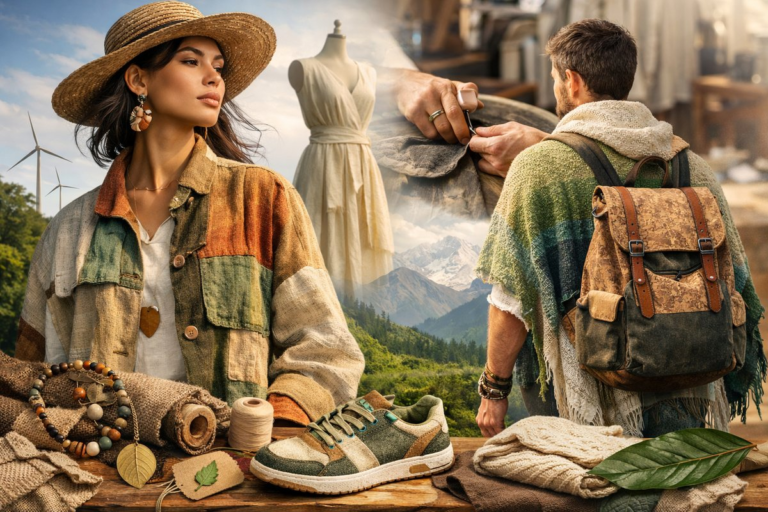
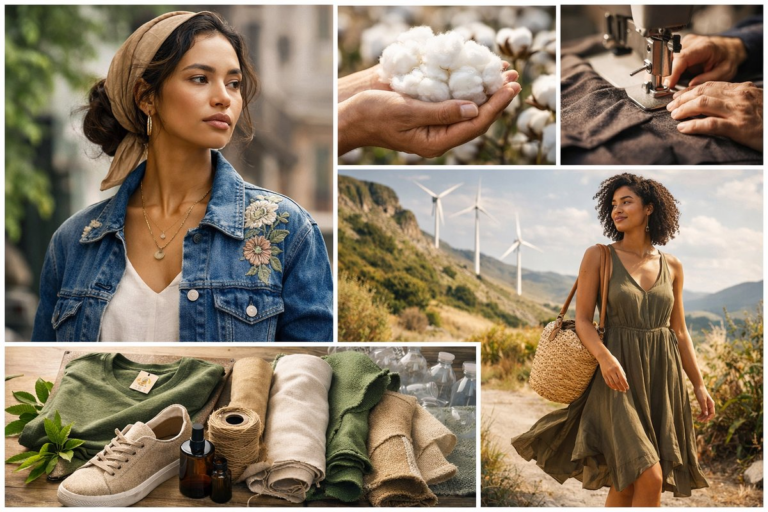
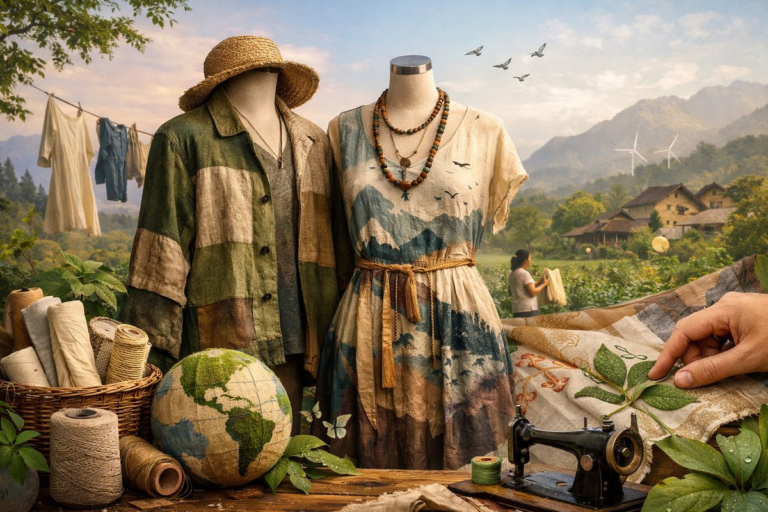
As consumers demand more transparency, designers are rethinking materials, processes and purpose in fashion. From plant-based leathers and recycled fibers to modular jewelry and natural dyes, the accessory market is embracing circular principles. This shift reflects not just aesthetics but deeper values in how we build and wear our wardrobes.
Fashion has always been about personal expression, but a growing wave of mindful consumers is turning wardrobe choices into statements of identity and responsibility. Recently, industry gatherings have spotlighted innovative takes on materials and production that prioritize resource conservation, community impact and emotional connection. Accessories-those finishing touches that complete an outfit-are at the forefront of this shift. From handcrafted beadwork made with ocean-bound plastic to versatile bags stitched from recycled polyester, these items tell a story about the wearer’s values and the planet’s future.
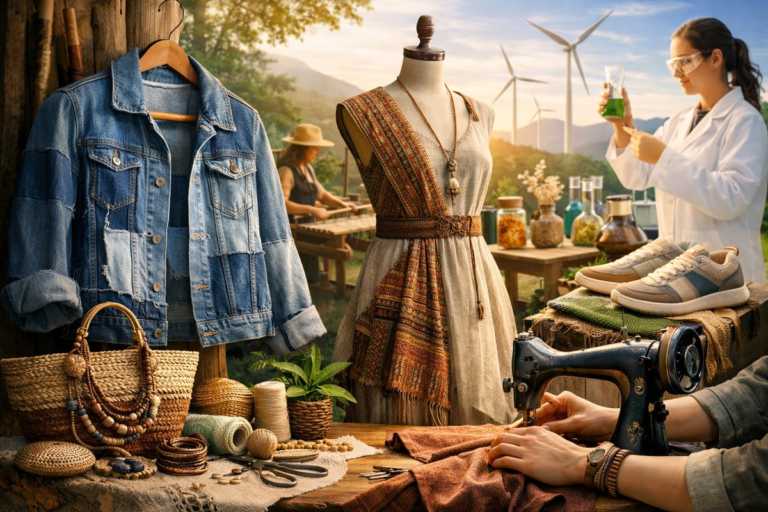
Behind the headlines of runway partnerships is a quieter revolution in small studios and ateliers around the world. Artisans who once struggled to compete with seasonal collection cycles are now collaborating with tech platforms to scale sustainable practices. A digital marketplace for upcycled denim patches recently reported a 150 percent increase in orders from independent boutiques seeking unique trims. At the same time, a network of cooperatives in Southeast Asia has ramped up production of organic cotton facemasks dyed with locally sourced plant pigments. These micro-enterprises combine traditional craftsmanship with modern distribution channels to reach conscious customers who value traceability.
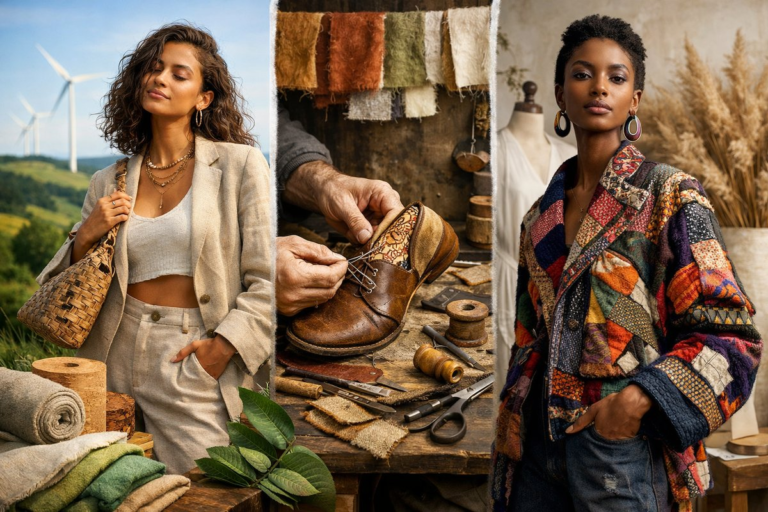
Material innovation has emerged as a key driver of change. Plant-based leather alternatives derived from apple waste, pineapple leaves or mushroom mycelium are displacing animal hides in belts, wallets and watch straps. By transforming agricultural byproducts into supple sheets, manufacturers cut down on landfill waste and avoid the resource intensity of conventional leather tanning. A recent life-cycle analysis comparing pineapple-leaf leather with bovine hides found up to a 60 percent reduction in greenhouse gas emissions and water usage. While mass adoption still faces hurdles in price parity, smaller accessory labels are proving that premium quality and guilt-free credentials can coexist.
Meanwhile, recycled fibers are reclaiming a new role beyond activewear. Recycled polyester backpacks with reinforced seams and water-resistant coatings are selling out faster than traditional nylon packs. Consumers cite durability and stain resistance alongside the comfort of supporting a closed-loop system. One emerging brand collaborates with fitness studios to collect used plastic bottles and weave them into durable straps and mesh panels. This local approach minimizes long-haul shipping emissions and adds a hyper-regional narrative: every bag carries its own origin story.
Sustainable design isn’t limited to materials alone. Modular accessory systems enable customers to personalize and refresh items without purchasing an entirely new piece. Interchangeable bag flaps, detachable strap attachments and snap-in jewelry components extend the life of a product and deepen emotional investment. Designers are experimenting with biodegradable fasteners and low-profile magnets to maintain aesthetics while supporting easy customization. Early adopters report that modular accessories not only reduce waste but encourage creativity-users remix color combinations and textures season after season.
Some brands are pushing the idea of sustainable accessorizing even further by incorporating digital elements. Digitally designed charms and pendants created with open-source CAD templates can be downloaded, modified and 3D-printed at local makerspaces. This democratizes design and cuts down on shipping bulk finished goods. While 3D-printed pieces still face limitations in finish and strength compared to cast metal, advances in composite resins and post-print treatments have narrowed the gap significantly. Enthusiasts of digital manufacturing cite the thrill of co-creation and the satisfaction of tangible results as key motivators.
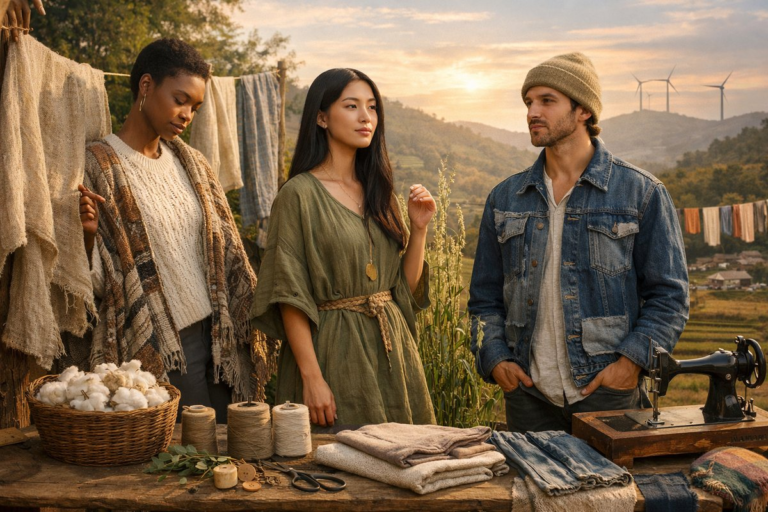
Natural dyeing techniques have also made a comeback, empowering consumers to refresh wardrobe staples at home. Kits containing powdered indigo, turmeric and avocado pit dyes come with pH-friendly fixatives and step-by-step guides. Workshops hosted by community studios teach batch fermentation methods and color layering, fusing scientific curiosity with tactile learning. These experiences foster deeper appreciation for the materials in play: participants learn that indigo binds differently to linen than to silk, and that regional water chemistry influences color yield. Such discoveries fuel a lifelong curiosity in slow-fashion practices.
The business case for sustainable accessories is growing stronger. A consultancy report projects the ethical accessories segment will grow at an annual rate double that of the overall market in the coming years. Retailers who integrate transparency platforms-QR codes linking to origin data, carbon impact calculators and worker welfare metrics-report higher customer loyalty and average order values. Millennials and Gen Z shoppers increasingly prioritize brands whose values align with their own, and accessories often serve as low-risk entry points into sustainable consumption. A single versatile belt or multifunctional bag can signal commitment without the price tag of a full capsule wardrobe.
Yet challenges remain. Scaling innovative materials often requires significant capital investment in research and equipment. Smaller brands may struggle to maintain competitive pricing against fast-fashion giants that can undercut on cost. Infrastructural gaps in textile recycling mean not all garments can be efficiently repurposed, leaving some postconsumer waste unclaimed. Moreover, the narrative around sustainability can verge into greenwashing when brands tout vague claims without verifiable proof. This underscores the need for industry standards and third-party certifications that verify environmental and social impact.
To address these hurdles, some companies are teaming up in pre-competitive coalitions, sharing research on dye bath optimization and polymer recycling. Nonprofit initiatives support artisans in remote regions, providing grants for modern sewing machines and digital training. Collaborative accelerators bring together material scientists, software engineers and designers to prototype new composites and manufacturing workflows. Such cross-disciplinary work underscores the emotional intelligence at the heart of this movement: it’s not a zero-sum game but a shared journey toward more compassionate consumption.
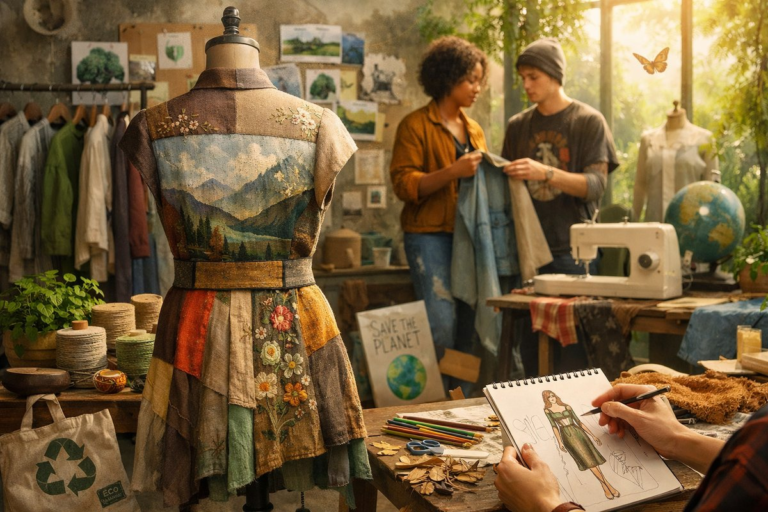
Consumers themselves are playing an active role. Social media communities centered on wardrobe swaps and mending tutorials have sprung up across platforms. Participants trade garments and accessories in local meetups, reducing both spending and textile landfill. Virtual forums guide beginners through simple repairs-from sewing on a missing button to patching a hole with creative embroidery. These skills recover lost traditions and celebrate imperfection, reshaping the consumer mindset from disposal to care.
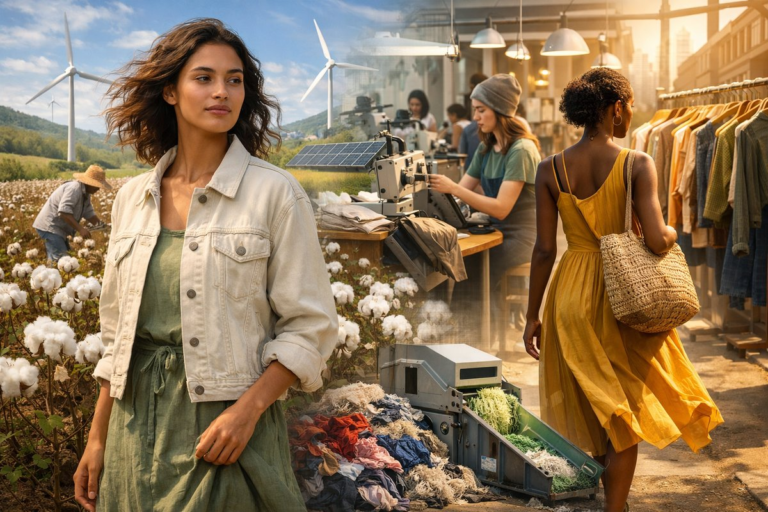
As these trends converge, a new accessory ecosystem is taking shape-one built on circularity, collaboration and curiosity. The items gracing store shelves no longer exist in isolation but as nodes in interconnected stories: the river of plastic bottles diverted from waterways, the orchard waste that found a second life as vegan leather, the workshop that taught locals how to breathe new color into old fabrics.
For those seeking to align their wardrobes with their values, the takeaway is clear: accessories offer a powerful entry point. They require fewer resources to produce, carry strong visual narratives and often cost less than full garments. By selecting pieces made from reclaimed or renewable inputs, consumers vote with their wallets for a future where fashion and environmental stewardship walk hand in hand.
Whether you’re drawn to a foldable tote woven from recycled bottles, a plant-derived leather wallet or a kit for experimenting with natural dyes, the possibilities for conscious expression are expansive. When you choose thoughtfully crafted accessories, you amplify the stories of makers, protect fragile ecosystems and signal a commitment to the next wave of innovation in fashion. In doing so, every strap, pendant and patch becomes a conversation starter-a tangible reflection of personal ethics woven into everyday style.
Curiosity drives change. By exploring new materials, supporting cooperative initiatives and learning hands-on skills, consumers and creators alike can co-author the next chapter of fashion-a chapter defined by resilience, equity and endless imagination.