Location
Mount Vernon, WA 98274

Location
Mount Vernon, WA 98274
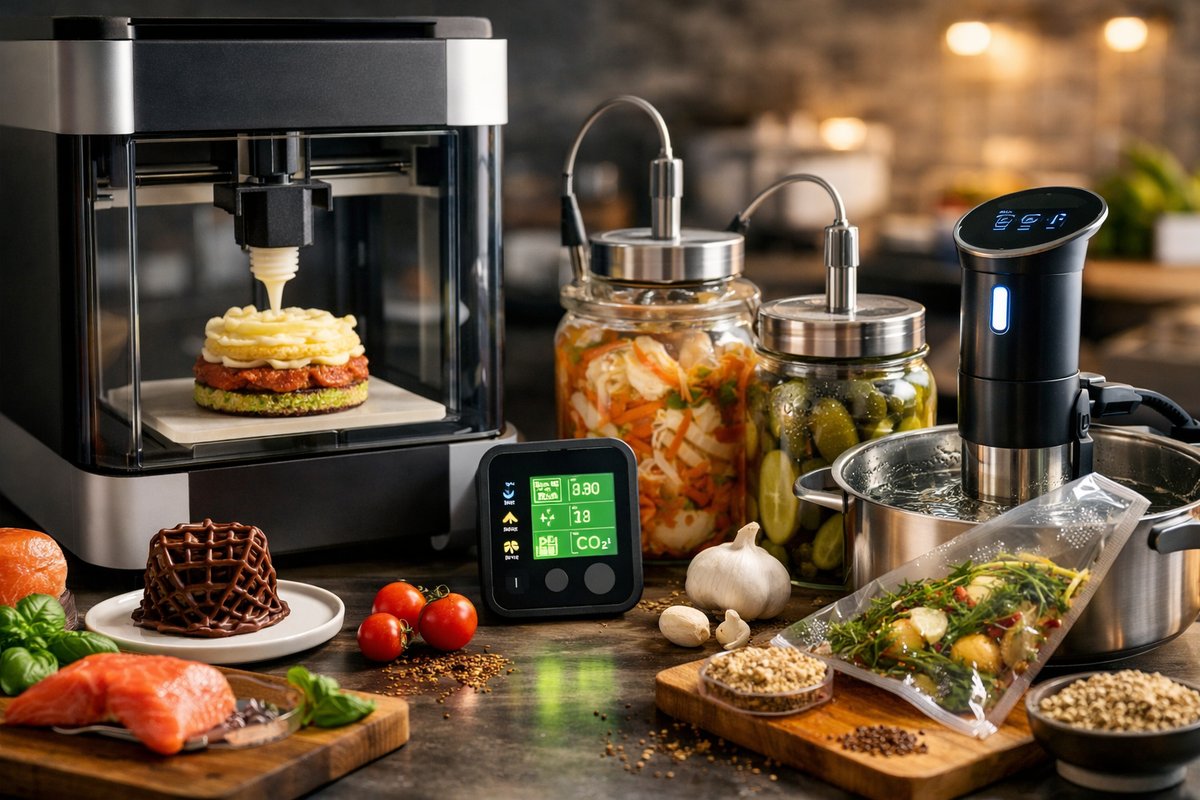
Cutting-edge tools-from at-home 3D food printers to real-time fermentation sensors-are transforming our relationship with ingredients and rituals. This article explores the latest wave of kitchen technology, revealing how these innovations are enhancing flavor, sustainability, and the joy of making meals.
Inside a converted loft at the edge of a creative neighborhood, an experimental test kitchen hums with activity. A chef in a white apron gently loads a custom filament cartridge into a sleek, cube-shaped device. Moments later, strands of plant-based dough are extruded into delicate floral shapes, each petal emerging with uncanny precision. This is not a scene from a sci-fi film or a high-end restaurant-it’s the living proof that 3D food printers are moving out of research labs and into curious home cook’s counters.
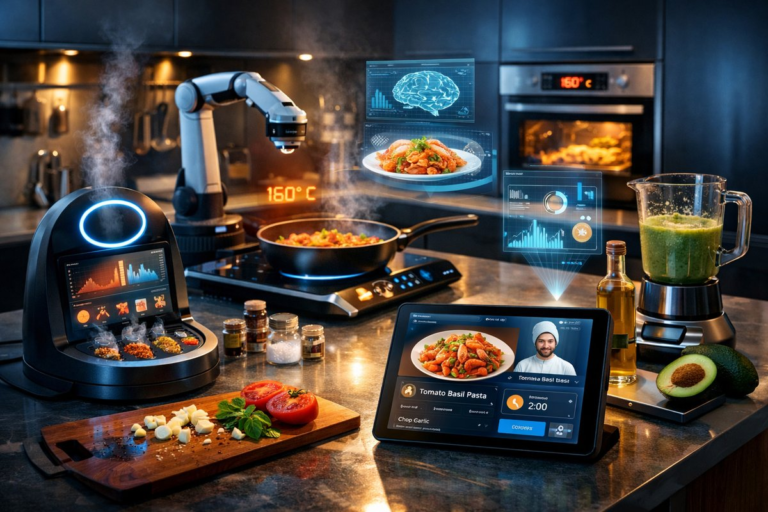
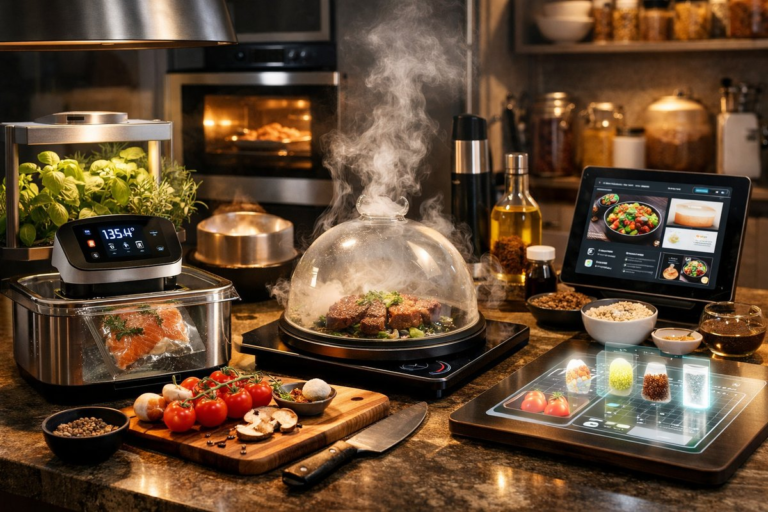
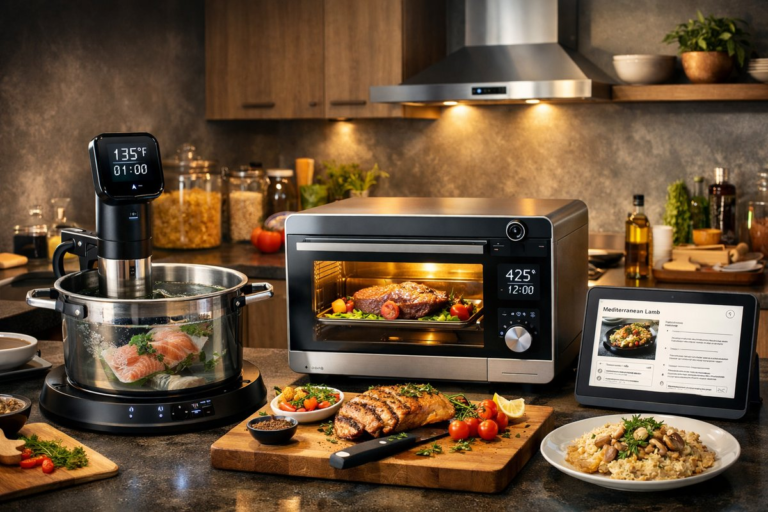
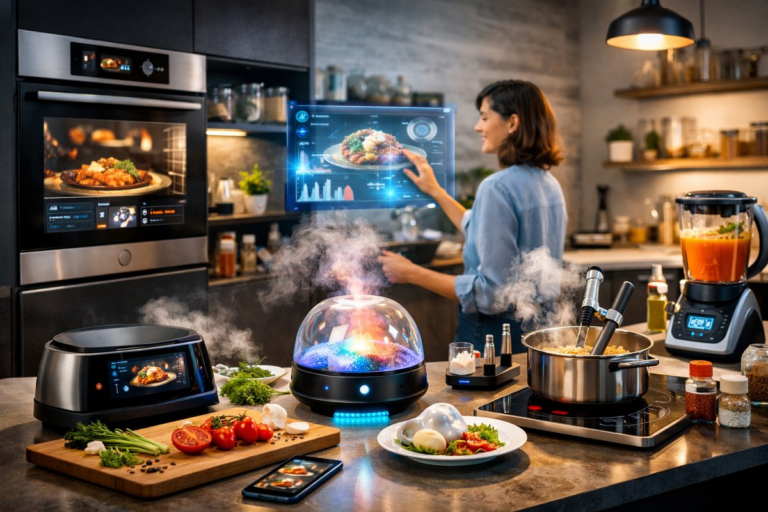
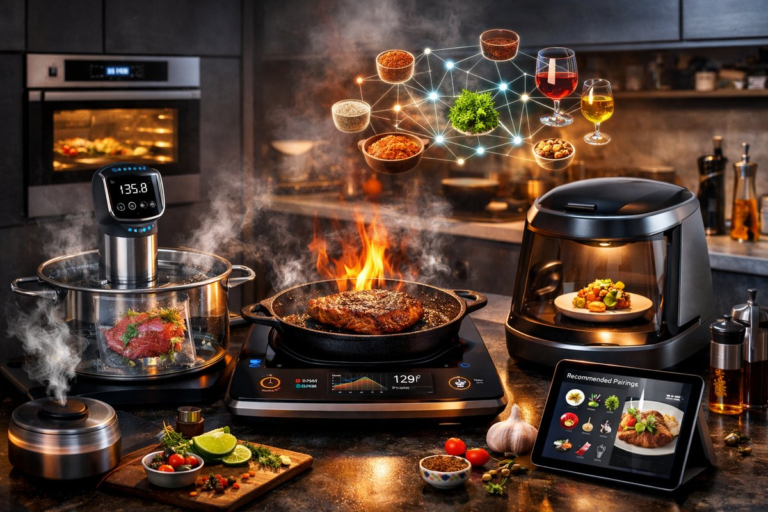
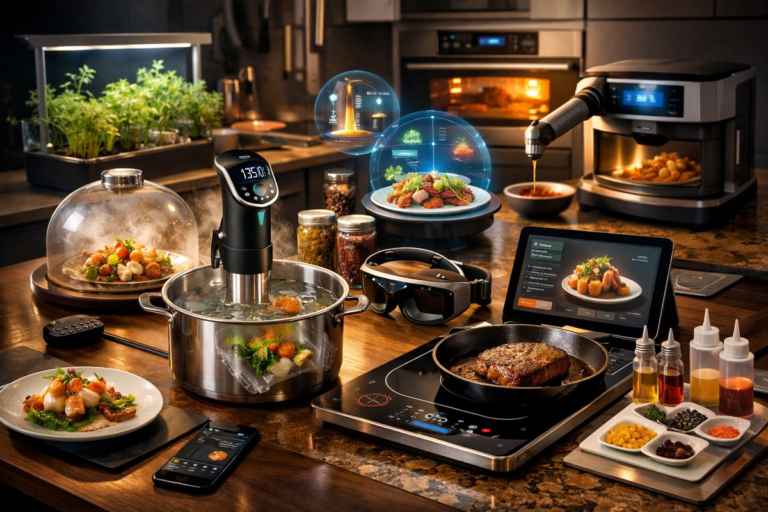
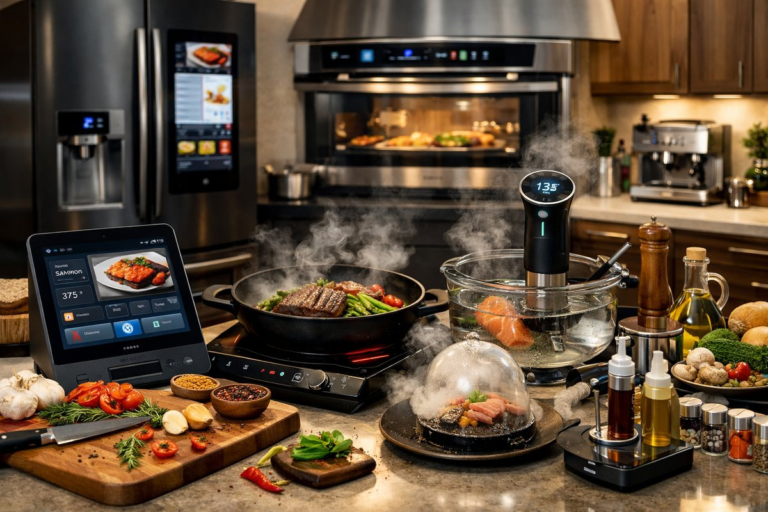
Over the past few years, a wave of kitchen gadgets has emerged that promises more than convenience. They invite home chefs and novices alike to engage with cooking as a playful, almost sculptural craft. According to Statista, the global smart kitchen appliances market is expected to surpass 20 billion dollars by the midpoint of the decade, driven by a rising appetite for devices that address flavor, sustainability, and personalization all at once. These new tools collectively represent a shift away from single-function machines, toward modular platforms that can be updated via software and repurposed for multiple culinary tasks.
At the forefront of this trend are 3D food printers. Early adopters have used them to fashion customized pasta shapes or snack bars embedded with micronutrients. More advanced models can extrude pureed vegetables into layered textures that resemble macarons, opening up avenues for both artistic plating and tailored nutrition. Ingredients are prepped separately, then loaded into discreet cartridges-gourmet purée, protein gels, fruit pastes, even pharmaceuticals. Users dial in printing patterns and temperature profiles via a touchscreen or companion app, and watch as their creations emerge ready to toast, bake, or serve chilled. Beyond novelty, proponents say this approach can help reduce food waste by repurposing leftovers into uniform, appetizing shapes.
A few streets away, a small kombucha bar has installed cloud-connected fermentation chambers that look like futuristic lockers. Each compartment hosts a glass vessel with sensors that track pH, temperature, and acidity in real time. Baristas adjust sweetener levels and flavor infusions on the fly, ensuring every batch delivers consistent tang. Home enthusiasts are now bringing similar systems into their kitchens. Fermentation sensor kits can hook up to mason jars or crocks, sending alerts when cultures are ready and logging each cycle’s data in an online dashboard. The result: a vintage culinary ritual empowered by data, unlocking new layers of flavor while reducing guesswork.
Next in line are robotic bartenders and smart cocktail stations. Once relegated to novelty hotels or cruise ships, countertop mixologists can now be found in compact home versions. Using voice prompts or mobile apps, you select a drink profile-anything from a classic negroni to a zero-proof berry fizz-and the machine measures, chills, shakes, and pours with robotic precision. Built-in LED lighting and rotating dispensers not only dazzle guests but also maintain optimal temperature in each bottle. For cocktail aficionados, this technology offers the chance to experiment with unusual ingredients-smoked bitters, botanical syrups, even edible foams-without investing in dozens of tools or mastering complicated techniques.
Meanwhile, sustainable small-space agriculture is being reshaped by hydroponic countertop gardens. These units combine LED grow lights, nutrient reservoirs, and environmental sensors to cultivate fresh herbs, microgreens, and edible flowers year-round. Wi-Fi connectivity allows remote monitoring of water levels, light cycles, and nutrient concentrations via smartphone. Enthusiasts have praised these systems for turning kitchen windowsills into mini farm-to-table operations, reducing produce deliveries and packaging waste. In apartments with limited outdoor access, such devices foster a deeper connection to ingredients and their growth process, while slashing the carbon footprint of store-bought greens.
Nutrition tracking is also getting a makeover. Portable meal scanners now use infrared spectroscopy to analyze the molecular composition of a dish in seconds. Wave the device over a plate, and an app will break down calories, macronutrients, and vitamin content, then log the data into your preferred fitness tracker. Chefs report that this precision empowers diners to fine-tune recipes to meet dietary goals without sacrificing flavor. Some platforms even suggest recipe adjustments-adding a scoop of protein powder, swapping in a lower-fat cheese, or boosting fiber with a sprinkle of flax-to balance the nutritional profile on the spot.
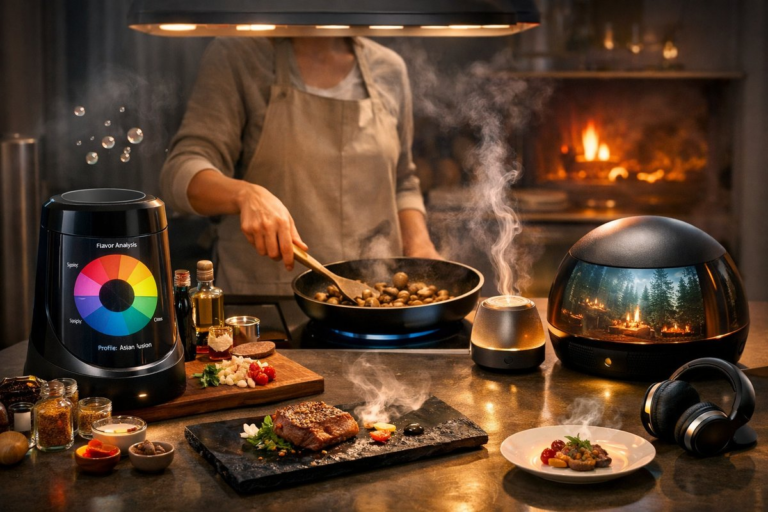
For home cooks with a taste for theatrics, molecular gastronomy tools are no longer confined to elite kitchens. Handheld ultrasonic emulsifiers can whip up velvety foams from any liquid, transforming fruit juices or consommés into whimsical clouds. Liquid nitrogen kits, once bulky and hazardous, now come with safety guards and digital temperature displays, enabling users to flash-freeze edible spheres or create smooth ice creams in minutes. These gadgets encourage hands-on experimentation with texture and temperature, turning dinner into a multisensory science project.
What unites these innovations is a renewed emphasis on rituals and sensory discovery. Rather than speeding through meal prep, users report slowing down to observe color changes in a fermenting brew or refining extrusion pressure for printed ravioli. The kitchen evolves from a purely functional space into a laboratory of taste and texture, where tools serve as bridges between imagination and edible reality. For sustainability-minded cooks, the ability to repurpose scraps or grow greens in situ aligns high-tech curiosity with environmental stewardship.
“It’s about reclaiming playfulness in the kitchen,” says a culinary technologist who has led workshops on 3D food printing for community centers. “When people see technology as a collaborator rather than a replacement, they build confidence and a deeper appreciation for ingredients.” Privacy concerns around cloud-connected appliances remain a point of debate, but many companies now offer local-only modes and encrypted data storage, reflecting a growing sensitivity to user autonomy.
As these experimental gadgets move from niche to mainstream, chefs, home cooks, and gadget enthusiasts are redefining what it means to prepare a meal. The next decade is likely to bring tighter integration between devices, smarter recipe algorithms, and even more playful interactions-imagine a voice assistant that suggests plating designs or adjusts ambient lighting to match your cuisine. Whether you’re a curious novice or a seasoned host aiming to spark conversation, the modern kitchen is becoming a stage for both creativity and connection. Embracing these tools may mean rethinking long-held rituals, but it also opens up a fresh frontier where flavor and innovation meet at the intersection of cooking and technology.