Location
Mount Vernon, WA 98274

Location
Mount Vernon, WA 98274

A new wave of brands and initiatives is redefining apparel through narratives that honor planet, people, and purpose. From plant-based dye kits to rental wardrobe platforms, garments are becoming living stories woven from values as much as fibers.
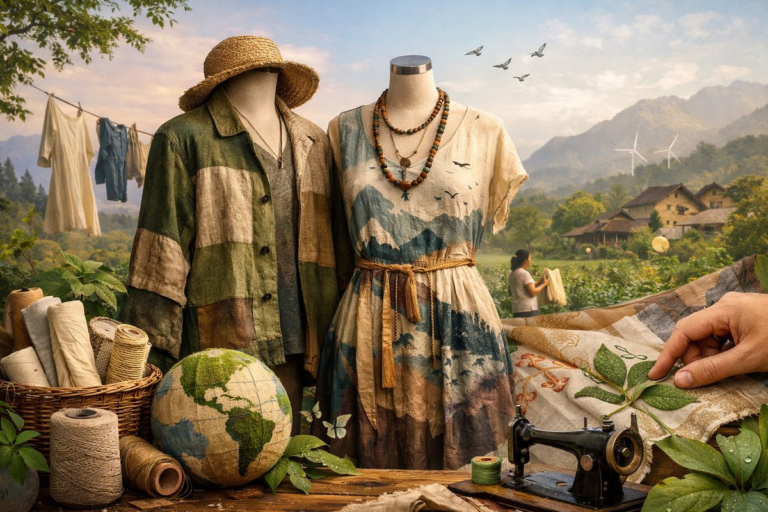
Fashion has always been about more than just fabric. Today, a growing number of designers, entrepreneurs and everyday wearers are treating each garment as a narrative canvas, carrying stories of origin, impact and connection into everyday life. Across small studios, microfactories and digital platforms, clothing is being reimagined as a living archive of values-from regenerative agriculture and closed-loop recycling to craft traditions and community repair networks. This isn’t just a trend; it represents a fundamental shift in how we think about what we wear.
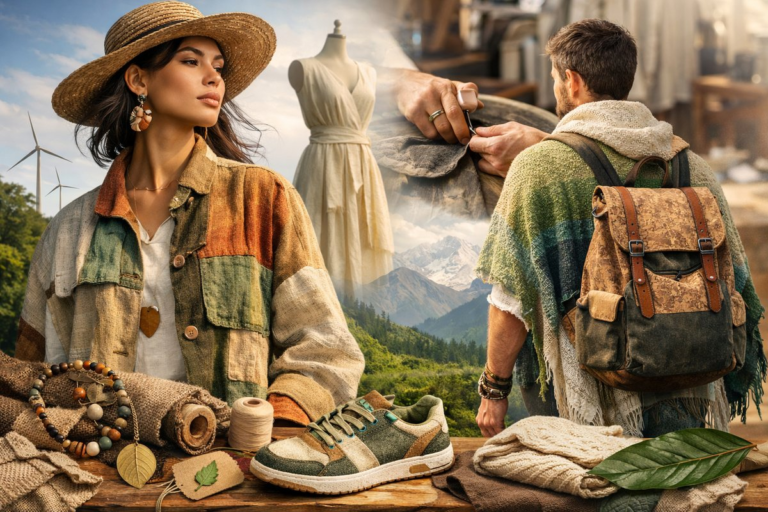
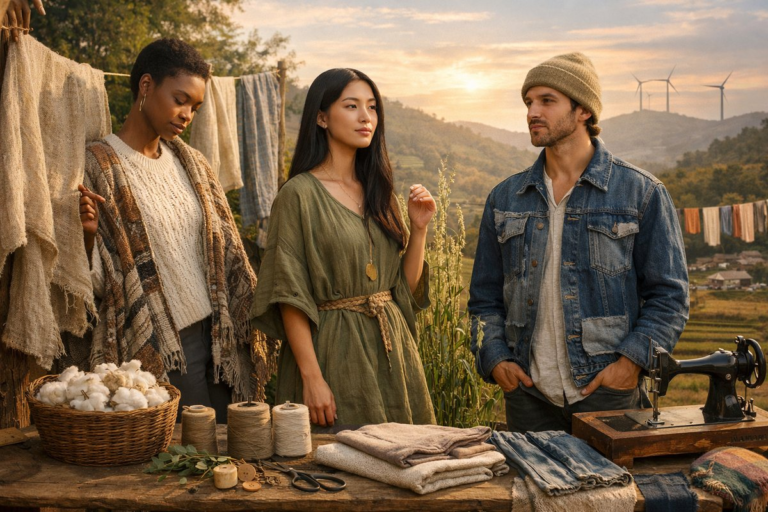
At the heart of this movement are innovative materials that place sustainability at the core of their own origin stories. Plant-based dye kits, once the domain of artisanal studios, have landed in home studios and craft workshops. Natural indigo extracted from locally grown plants yields rich, variegated blues without the chemical runoff of conventional processes. Pineapple leaf fiber, once agricultural waste, is transformed into supple, vegan leather alternatives that carry an explicit note of upcycled ingenuity. Regenerative wool sourced from sheep raised on pasture-restoration programs arrives tagged with GPS-based tracing information, inviting wearers to scan a code and learn about the very farm where their sweater was spun.
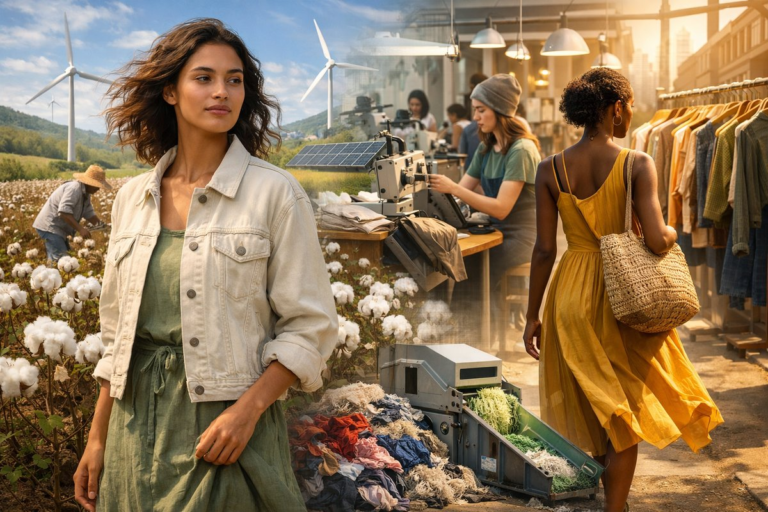
Turning waste into wardrobe highlights the power of circular design. Textile-to-textile recycling machines built by a handful of European innovators can now shred old cotton and polyester blends into reusable pulp, minimizing landfill contributions and cutting virgin-fiber demand. Peer-to-peer rental wardrobe platforms have surged in popularity, treating clothing as a shared resource rather than a disposable commodity. A tailored blazer worn for one interview can be listed again the next day, extending its lifecycle and lightening the environmental footprint of occasional-wear staples. Behind the scenes, blockchain-enabled traceability systems ensure that every garment’s journey from fiber to hanger is verifiable, reducing the risk of greenwashing and strengthening consumer trust.
Technology is also reshaping the retail experience, making sustainable choices more accessible and engaging. Augmented reality mirrors allow shoppers to virtually drape themselves in upcycled statement coats before committing to a purchase. Digital wardrobe apps harness artificial intelligence to suggest outfit combinations built around pieces with lower environmental impact. Virtual pop-ups hosted on social platforms connect global designers with conscious consumers, bypassing traditional distribution channels and cutting down on wasteful overproduction. These digital innovations are not just gimmicks; they are signaling a deeper integration of transparency, personalization and real-time feedback into the very fiber of the fashion system.
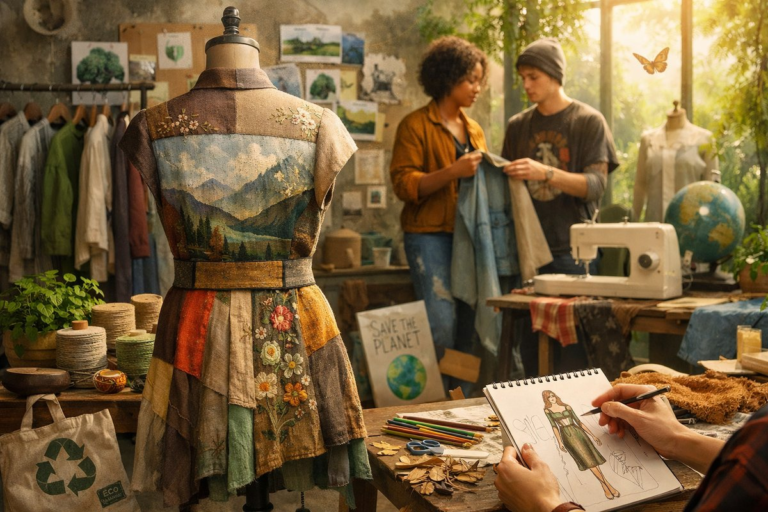
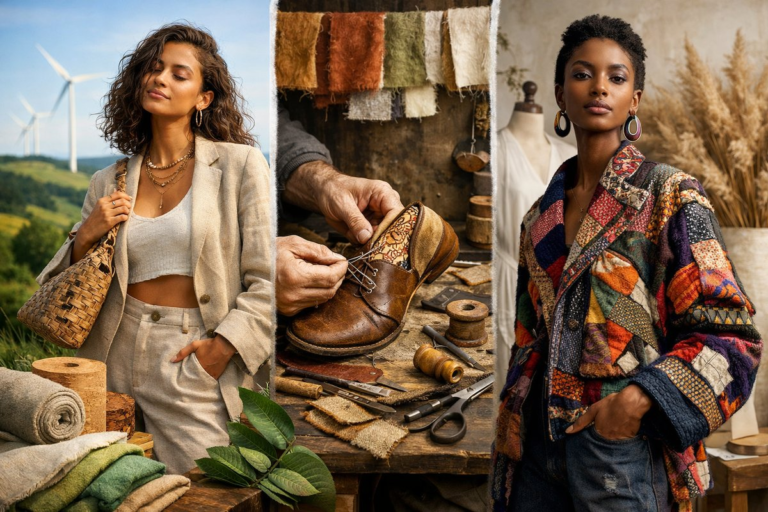
Yet the resurgence of craft traditions reminds us that sustainable fashion isn’t solely a high-tech endeavor. Regional embroidery guilds in Southeast Asia are reviving centuries-old stitching patterns, collaborating with modern brands to infuse heritage motifs into contemporary silhouettes. Repair cafés and sew-your-own workshops are cropping up in bustling city neighborhoods, helping individuals mend worn jeans and reimagine t-shirts with patchwork seams. Modular accessory kits, complete with interchangeable clasps, beads and connectors, encourage wearers to curate personal combinations that can evolve season after season. In each case, the central theme is empowerment: equipping people to become active participants in the lifecycle of their clothing, rather than passive consumers.
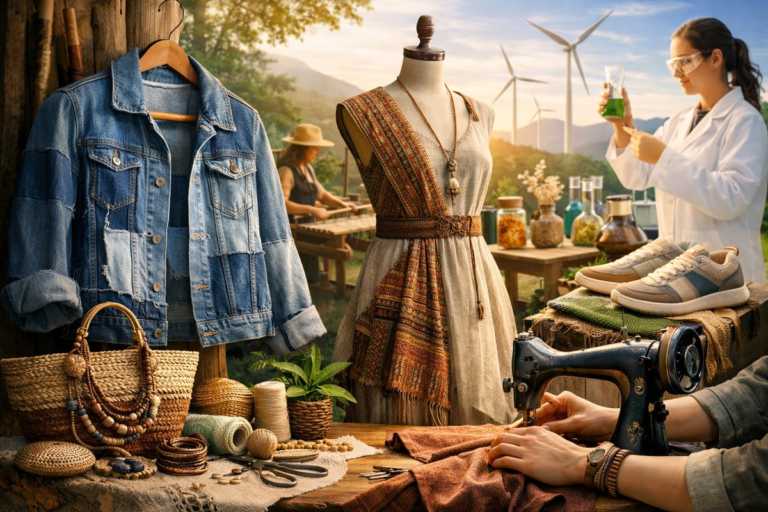
Retailers and independent designers alike are testing microfactory models that bring garment production closer to points of sale. In these localized studios, fabric offcuts from one project become the raw material for the next, and solar panels power sewing machines and laser cutters. Production runs are kept deliberately small, reducing overstock and fostering a direct dialogue between maker and wearer. Customers can drop off old garments in exchange for store credit, fueling on-site recycling initiatives and tightening the loop between consumption and regeneration.
Consumer behaviors are shifting in tandem with these innovations. A recent market survey found that more than half of apparel buyers now view transparency into material sourcing as a deciding factor, placing it above price or brand prestige. Shoppers are becoming adept at reading care labels, looking for third-party certifications that denote fair-trade labor or responsible water usage. They are curating wardrobes around core, multifunctional pieces-like a minimalist blazer that can be dressed up or down-reducing impulse buys and celebrating the longevity of well-made items.
But challenges remain. Scaling closed-loop recycling requires overcoming technical hurdles in fiber separation and quality preservation. Widespread adoption of plant-based dyes faces regulatory barriers in regions where chemical processes are deeply entrenched. Digital traceability initiatives must navigate privacy concerns and avoid overwhelming consumers with too much data. And the economics of slow, localized production often struggle to compete with the cost efficiencies of mass manufacturing. Addressing these challenges will demand cross-sector collaboration, public policy incentives, and continued investment in research and infrastructure.
There is reason for optimism. Public-private partnerships have begun channeling grants into pilot textile recycling facilities. Craft cooperatives are partnering with logistics providers to export sustainable collections to markets with high demand. Online education platforms are offering micro-courses on pattern drafting, natural dyeing and circular business models. As narratives of craft, repair and regeneration gain prominence in mainstream media, they inspire both seasoned aficionados and newcomers to reimagine the role of clothing in their daily lives.
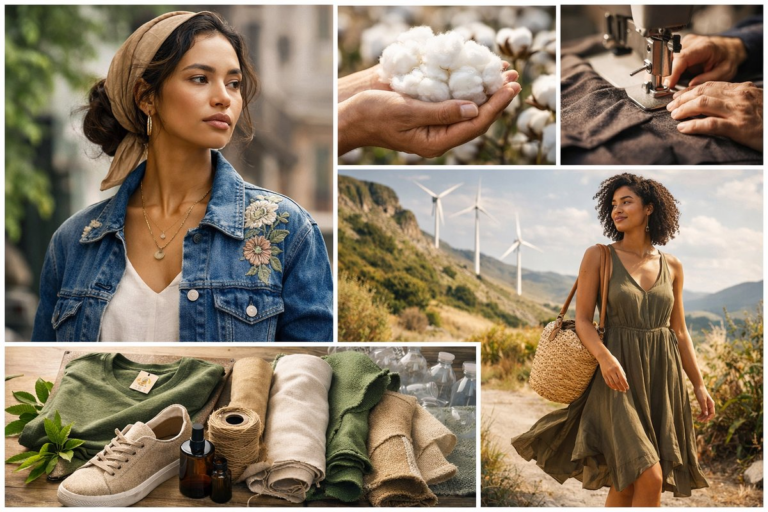
Ultimately, the rise of values-driven apparel signals a profound cultural moment: consumers no longer want to hide behind labels or logos. They want the garments they wear to embody meaning, to connect them with makers, landscapes and communities around the world. Whether through a home-dyed scarf infused with local botanicals, a digitally traced recycled denim jacket, or a modular necklace assembled by hand, each piece becomes a tangible expression of personal and collective values. In this evolving landscape, style is no longer just about looking good-it’s about telling a story that matters.