Location
Mount Vernon, WA 98274

Location
Mount Vernon, WA 98274
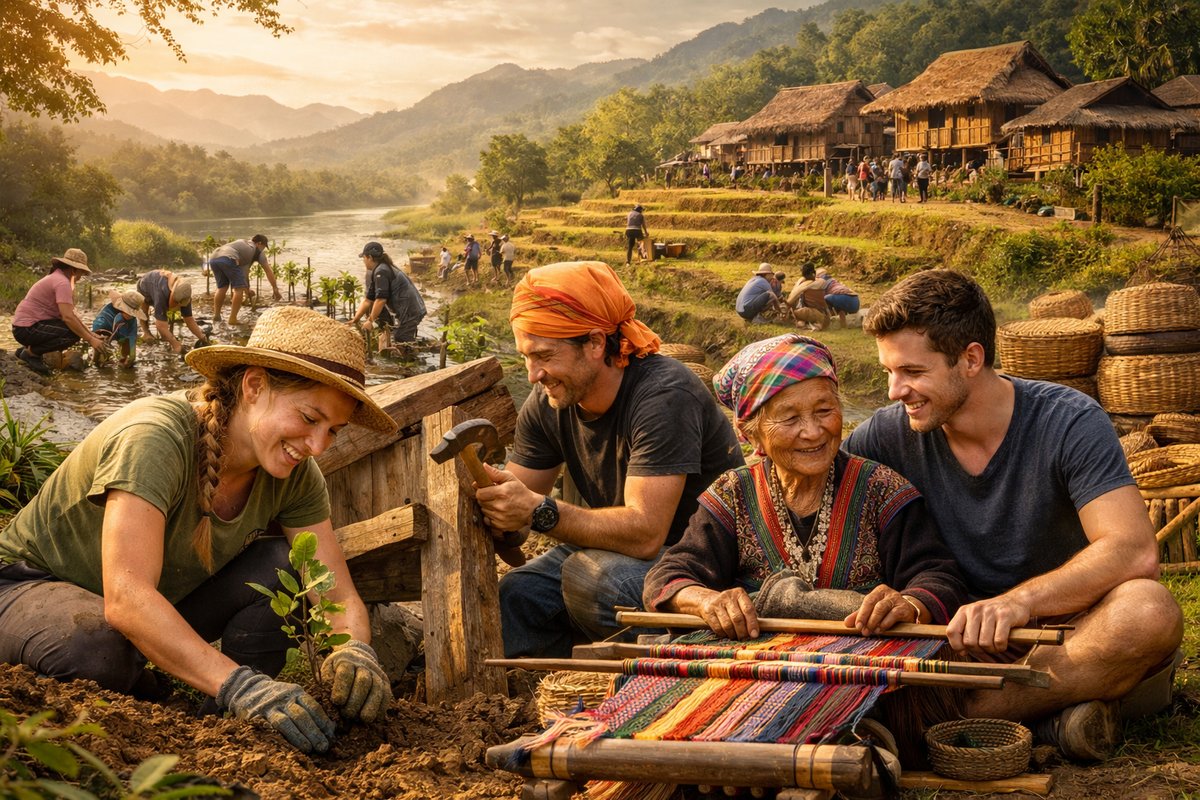
Modern explorers are moving past conventional sightseeing to immerse in regenerative travel experiences that leave destinations stronger than they found them. From community-led restoration projects to skill-sharing homestays, purposeful travelers are forging connections that shape both their own growth and the future of local landscapes.
Travel today is evolving. Gone are the days when snapping selfies at famous landmarks and ticking boxes on a predefined itinerary constituted a fulfilling journey. A growing wave of travelers are choosing regenerative travel: immersive trips that actively contribute to the environmental, social, and cultural well-being of the places they visit. This shift reflects a desire to leave a positive footprint-repairing ecosystems, supporting local livelihoods, and forging genuine human connections.
It starts with intention. Before setting foot in a new region, these travelers research community needs, local partnerships, and environmental concerns. They join networks that vet responsible hosts and volunteer projects, ensuring their time and resources are channeled into initiatives with measurable impact. Rather than passively observing local life, regenerative travelers become co-creators-planting native trees to restore wildlife corridors, teaching English or digital skills in rural schools, or collaborating with artisans to revive threatened crafts.
On the rugged coastlines of southern Europe, one such journey unfolds at a former sea turtle nesting ground. After decades of erosion and human disturbances, the stretch of beach had seen nesting numbers plummet. A small nonprofit teamed up with local volunteers to replant native dune grasses, build protective barriers, and monitor hatchlings. Visitors joined weekly planting sessions at dawn, learned survey techniques for tracking nests, and shared data with marine biologists studying long-term population recovery. Over two seasons, nesting numbers rebounded by nearly 40 percent, demonstrating how coordinated action can restore delicate ecosystems.
Meanwhile, high in the Andes, a community-led alpaca cooperative is redefining the notion of cultural exchange. Guests arrive eager to witness herding traditions, but soon they’re rolling up their sleeves, learning to shear fleece by hand, and dyeing yarn with natural pigments derived from flowers and lichens. They discover traditional weaving patterns passed down for generations and contribute by helping develop eco-packaging solutions for finished textiles. By sharing design ideas and marketing support, travelers help artisans access fair-trade markets abroad-and return home with a deeper appreciation for the skill and heritage woven into every scarf.
Skill-sharing residencies are another powerful strand of regenerative travel. In Southeast Asia, urban tech professionals trade their coding expertise for weeks teaching young adults in rural communities how to design basic websites for local nonprofits or small businesses. In exchange, hosts introduce digital nomads to age-old farming practices: tending rice paddies, constructing bamboo irrigation channels, and mastering the art of fermented tea. These cross-pollinations of knowledge foster mutual respect and open doors for future collaborations long after the trip concludes.
Regenerative itineraries also prioritize thoughtful resource use. Travelers are encouraged to stay in eco-lodges built from reclaimed materials, powered by solar micro-grids and rainwater harvesting systems. Meals feature surplus produce rescued from local markets, prepared alongside home cooks using time-honored recipes with minimal waste. Each morning, guests might accompany farmers to glean forgotten fields, turning leftover vegetables into community dinners. This loop of sourcing, cooking, and sharing celebrates local flavors while tackling food waste at its root.
Yet regenerative travel extends beyond direct intervention. It’s a mindset that permeates every decision-from choosing carbon-offset air carriers to opting for rail or electric vehicle transport on land. It prompts travelers to ask tough questions: Who truly benefits from my trip? How can my presence uplift local voices rather than overshadow them? What lessons will I bring home, and how might I apply them in my own community?
Take a family that spent their summer exploring coastal wetlands. Instead of a resort stay, they signed on with a citizen-science project cataloging migratory bird species. Children learned to identify warblers and terns through guided walks, recording observations in digital field guides. Evenings transformed into impromptu classrooms, with local ecologists explaining the international flyways that unite ecosystems across continents. The family returned home not only with binoculars full of memories but with a newfound passion for urban bird-habitat restoration in their hometown.
Beyond environmental projects, regenerative travel shines a spotlight on cultural preservation. In island communities facing rapid development, travelers partner with elders to document oral histories, traditional songs, and medicinal plant lore. Participants learn local dialects through immersive language classes taught by village storytellers. In one project, guests co-created a digital archive of folk tales read aloud under ancient fig trees. This living library now streams worldwide, generating interest and support for language revitalization efforts.
The economic impact of these journeys can be profound. By funneling visitor dollars through local cooperatives and community foundations, regenerative travel helps keep profits within the region. Artisans receive fair wages, educators gain resources, and ecological surveys secure funding for long-term monitoring. Travelers become ambassadors, sharing first-hand accounts of sustainable hospitality models that can inspire similar initiatives elsewhere.
Of course, challenges remain. Not all volunteer projects are created equal, and well-meaning travelers can sometimes do more harm than good. To avoid pitfalls, experts advise thorough vetting of organizations: checking for transparent impact reports, community governance structures, and clear exit strategies so local partners retain autonomy. Healthy regenerative programs emphasize listening over imposing, ensuring that local leaders set priorities and guide project direction.
As the landscape of travel continues to shift, more platforms and agencies are emerging to connect purpose-driven explorers with vetted regenerative opportunities. Online communities offer firsthand reviews, impact metrics, and recipe-swap forums for zero-waste cooking abroad. Some travelers even embark on month-long regenerative sabbaticals, combining outdoor conservation work with online freelancing to fund extended stays. Others join group expeditions that integrate yoga, digital detox retreats, and archaeological site preservation.
Ultimately, regenerative journeys are lessons in interdependence. They remind travelers that landscapes and cultures are not backdrops to be consumed but living networks to be honored and tended. Every tree planted, song recorded, or lesson exchanged weaves a new thread in the global tapestry of stewardship. And in returning home, those travelers carry a simple truth: the world thrives when we travel with purpose, curiosity, and a commitment to leave places-and people-better than we found them.