Location
Mount Vernon, WA 98274

Location
Mount Vernon, WA 98274
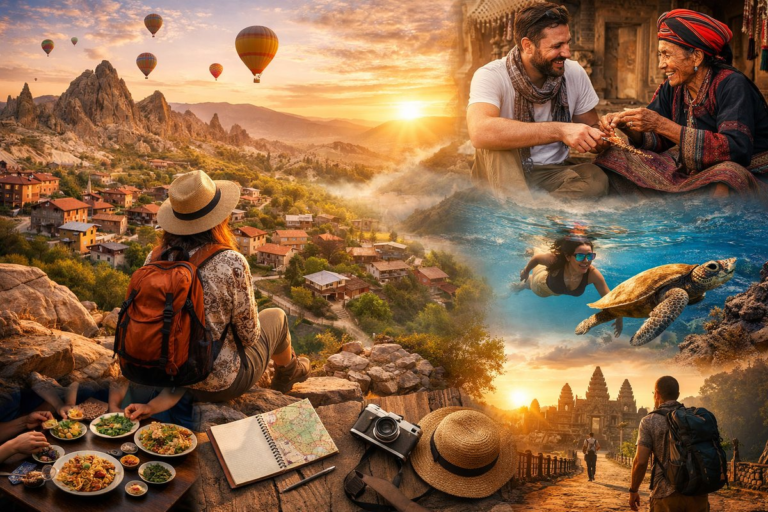
Weekend escapes are evolving beyond leisure into acts of stewardship, as travelers seek hands-on experiences that benefit both local communities and fragile ecosystems. From guided tidepool restorations to forest bathing retreats, micro-adventures are reshaping the tourism landscape with purpose-driven impact.
In recent months, a surge of travelers has begun reframing the notion of a weekend away. No longer content with passive sightseeing, these new explorers are embracing short-form journeys that blend adventure with acts of community stewardship. From coastal cleanups led by local nonprofits to guided forest bathing rituals in rewilded woodlands, micro-adventures are doubling as grassroots conservation efforts-offering meaningful connection for participants and measurable benefits for host regions.
Industry data underscores this shift. According to Bookingcom s Sustainable Travel Report, 54 percent of global travelers now seek locally led conservation experiences, even for trips shorter than 72 hours. These travelers report feeling more engaged and satisfied when their activities generate a tangible positive outcome. On TripAdvisor, searches for volunteer opportunities and ecofriendly microtours have climbed by 35 percent over the past year, while reviews often highlight the emotional resonance of contributing to habitat restoration or community empowerment.
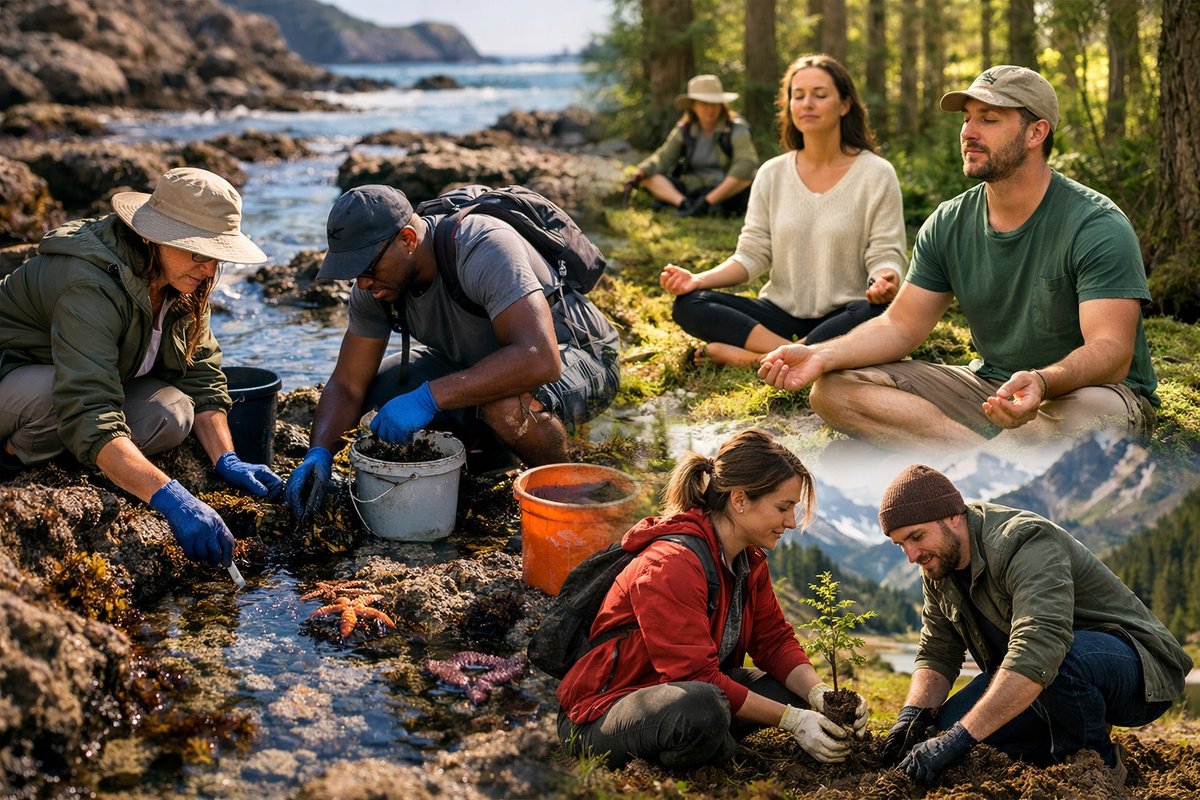
A recent weekend in the Pacific Northwest illustrates the trend in action. A group of thirty city dwellers swapped downtown traffic for tidepool stewardship along a rugged coastline. Guided by marine biologists from a regional nonprofit, they combed the intertidal zone for plastic debris, cataloged species diversity, and reburied invasive seaweed. At day s end, participants gathered around driftwood embers for a low-impact dinner cooked over small portable stoves, sharing reflections on the intertwined fate of nature and human well-being.
Stories like these have sparked curiosity among a wider audience. Urban professionals are carving out half-day excursions to join backyard orchard plantings or pollinator garden installations. Solo travelers on a time-crunched schedule are now booking sound bath retreats in renovated barns, where earnings underwrite local homeless outreach. Even family getaways are weaving hands-on cultural workshops-pottery classes that fund a women s cooperative, or cooking demonstrations that sustain community kitchens.
Experts attribute the phenomenon to a deeper desire for travel that resonates emotionally and socially. Travel psychologist Dr Rowan Ellis explains that modern explorers crave agency and reciprocity. Passive holiday rituals can feel hollow, whereas purposeful involvement leaves a lasting imprint on identity and memory. Ellis notes that witnessing tangible outcomes-be it a rehabilitated dune or a cleaned riverbank-reinforces a sense of shared responsibility that transcends an individual vacation.
Local stakeholders are equally enthusiastic. In a small mountain town in Colorado, youth volunteers recruited visiting hikers to replant native wildflowers along fire-scarred slopes. Through a collaborative app launched by regional rangers, participants track plant growth over months. According to the county tourism bureau, these micro-volunteerers contributed over 12,000 labor hours and improved trail conditions that might otherwise have required formal funding of tens of thousands of dollars.
One traveler, a business consultant from Seattle, recounts how she transformed her quarterly offsite trip into a trail maintenance workshop. Rather than booking a conventional resort conference room, she arranged for colleagues to spend an afternoon repairing erosion damage on a popular ridge trail. The group emerged with tighter bonds, reduced corporate guilt around carbon impacts, and local media coverage that spotlighted the firm s broader sustainability goals.
These emerging models point to a broader evolution in tourism: micro-scale interventions that leverage the short window of leisure for outsized communal gain. Technology has played a supporting role, with booking platforms now tagging experiences by impact type-wildlife monitoring, coastal restoration, cultural preservation-and allowing guests to filter by estimated volunteer hours, carbon footprint, and community partnerships.
At the same time, regional nonprofits and resident associations are recruiting decentralized cohorts of visitor volunteers through social media and local honors programs. In coastal New England, a zero-waste festival invites arriving road-trippers to pre-register for beach sweeps, oyster reef rebuilds, or seagrass planting expeditions. Participation rates doubled year over year, and local restaurants reported a 20 percent uptick in off-season bookings tied to the festival s outreach campaigns.
While micro-adventures are on the rise, practitioners caution against greenwashing and tokenism. Authentic partnerships require transparent revenue sharing, cultural sensitivity, and an understanding of carrying capacity. Tourism boards in the Mediterranean are piloting accreditation frameworks that vet operators by their social and environmental impact, ensuring that guest fees and volunteer labor translate into lasting ecological or economic benefit.
Looking ahead, experts anticipate further refinement of purpose-driven micro-tourism. Digital badges and community currencies could reward repeat volunteers, while open-source project logs allow travelers to track long-term restoration metrics. Immersive augmented reality overlays might enrich educational moments on reforestation hikes, deepening awareness of species relationships and climate resilience.
For the conscientious traveler, these innovations represent more than a fleeting trend. By reframing a weekend hunch as a collaborative undertaking, participants cultivate empathy, community pride, and a sense of belonging that endures long after the drive home. In an era of rapid change and ecological uncertainty, small-scale guardianship on every getaway emerges as both a pragmatic contribution and a soulful invitation to travel with purpose.
As the next wave of explorers plans their short escapes, they face a simple yet powerful choice: be a bystander or become a guardian. With micro-adventures on the rise, the weekend getaway becomes a canvas for meaningful action-transforming leisure into a living legacy of community conservation.