Location
Mount Vernon, WA 98274

Location
Mount Vernon, WA 98274
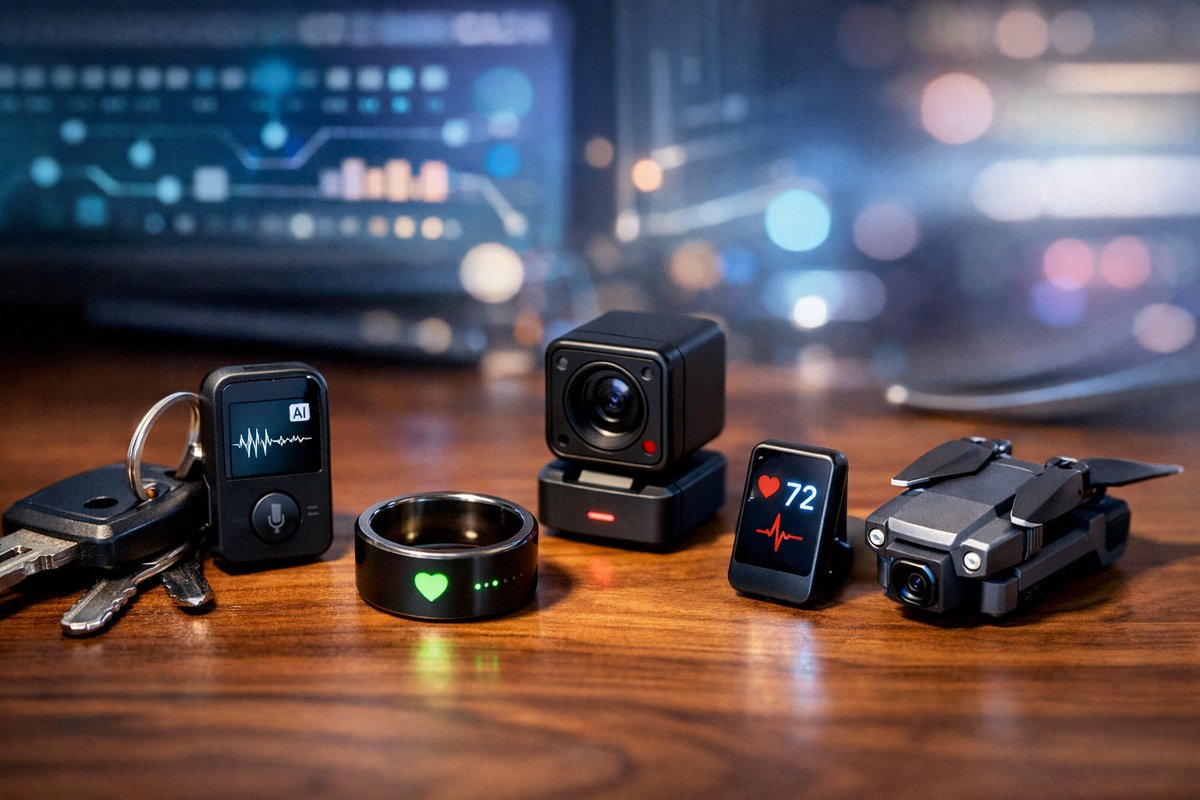
A new wave of ultra-compact gadgets is weaving artificial intelligence, sensor fusion and modular design into tools small enough to fit in a pocket or hang from a key ring. From translation assistants that weigh less than an ounce to biometric rings that track health metrics, these micro smart devices are reshaping how we interact with technology-wherever we go.
The race to shrink technology into ever-smaller packages has accelerated this year, as manufacturers deploy advanced materials, novel battery designs and on-device AI accelerators to condense powerful features into micro-sized gadgets. At the latest global tech exhibitions, prototype devices measuring no larger than a postage stamp stole the spotlight, promising personal data privacy, continuous health monitoring and on-the-fly language translation without the need for bulky smartphones or constant cloud connections.
Engineers are tapping breakthroughs in two-dimensional materials like MXene and graphene to fabricate ultra-thin supercapacitors, enabling batteries with high energy density to fit into coin-cell form factors. Coupled with custom neural processing units (NPUs) built on 3-nanometer semiconductor nodes, these tiny devices can run speech-recognition, gesture-detection and environmental-analysis algorithms locally, dramatically cutting power consumption and latency.
Take, for example, the micro translator that debuted at a recent tech showcase. Encased in a shell no larger than a key fob, it houses dual microphones, a bone-conduction speaker and an embedded NPU capable of translating up to 30 languages in real time. A traveler can clip it to a backpack and carry on a conversation without glancing at a smartphone screen or relying on intermittent network coverage. It streams live transcripts to a paired smartwatch and even suggests context-sensitive replies, all while logging phrases to a companion app for later review.
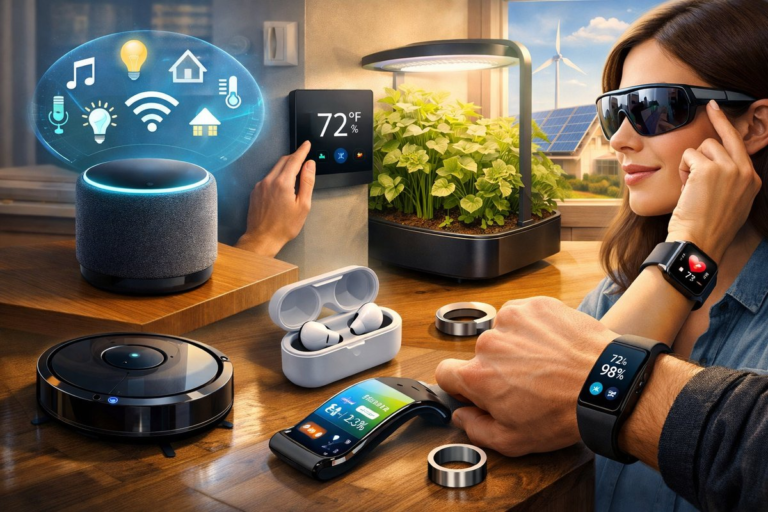
On the health front, biometric smart rings have evolved beyond simple step counters and sleep monitors. The latest models incorporate continuous heart-rate variability analysis, blood-oxygen saturation sensors and even electrodermal activity trackers to infer stress levels. With a coin-cell battery and Bluetooth Low Energy radio, these rings transmit rich physiological data to health apps, offering personalized insights throughout the day. Data encryption and on-device anomaly detection ensure that raw health metrics never leave the ring without user permission, a nod to growing concerns around biometric privacy.
Navigating indoor environments has also grown more intuitive thanks to micro-scale beacons and gesture sensors. Tiny inertial-measurement modules can be attached to clothing or shoes, enabling athletes and rehabilitation patients to capture precise motion data. Paired with smartphone apps, these modules can flag irregular gait patterns or improper exercise form in real time, fostering safer workouts and injury prevention.
Sustainability is at the core of this new miniaturization wave. Designers are favoring modular assemblies that allow individual components-batteries, sensors, radios-to be replaced or upgraded without discarding the entire device. 3D-printed casings made from recycled plastics and biodegradable resins are supplanting traditional injection-molding methods, reducing the carbon footprint of accessory production.
Consumer research firms like IDC forecast a 25 percent annual growth rate in shipments of micro smart devices over the next three years. As these technologies mature, we can expect them to migrate from novelty items into mainstream daily essentials: smart umbrellas that detect rain and relay weather alerts, pocket-sized air-quality sensors that warn users about pollutant spikes, and biometric authentication tokens that unlock doors and log into secure apps without passwords.
Privacy advocates applaud the shift toward on-device processing, which minimizes data exposure to third-party servers. Yet questions remain around interoperability standards and battery disposal practices. Industry consortiums are already drafting guidelines for universal charging ports and energy-harvesting modules to power sensors through ambient light or body heat.
Beyond hardware, software ecosystems are adapting too. Open-source firmware platforms now support thousands of sensor drivers and AI models optimized for microcontrollers with just a few dozen kilobytes of memory. Developers can leverage drag-and-drop graphical interfaces to assemble custom sensor networks in minutes, making it easier for hobbyists and small businesses to prototype novel applications.
The educational impact of micro smart devices is also notable. STEM programs are incorporating DIY kits that teach students how to solder micro-controllers, program gesture recognition models and design custom enclosures using desktop 3D printers. By lowering the barrier to entry, educators hope to cultivate the next generation of engineers who can push the boundaries of what these tiny wonder-tools can achieve.
Still, the path ahead is not without hurdles. Miniaturization drives up component costs, and the narrow profit margins on low-cost accessories can deter some manufacturers from investing in full-scale production. Network bandwidth constraints and wireless interference pose technical challenges as more devices crowd the spectrum. And as gadgets shrink, so too does the physical space for user interfaces, demanding innovative approaches like haptic feedback, micro-LED displays and voice-only interactions.
Despite these obstacles, one thing is clear: the fusion of artificial intelligence and micro-engineering is ushering in a new era of personalized, context-aware tools that can accompany us everywhere. Whether you’re a traveler seeking seamless communication, a fitness enthusiast tracking performance down to the millisecond, or a curious tinkerer building the next micro-robot swarm, the frontier of pocket-sized tech is poised to reshape how we live and work.
As we move forward, consumers will need to weigh the tradeoffs between device size, battery life and processing power. Privacy-minded individuals will demand transparent data practices and firmware update guarantees. Sustainability enthusiasts will track the lifecycle impact of disposable electronics. The companies that can balance these values while delivering intuitive experiences will define the next generation of everyday tech.
In the final analysis, the smallest gadgets often deliver some of the biggest leaps in convenience and impact. By integrating AI at the edge, leveraging cutting-edge materials, and championing modular design, micro smart devices are transforming mundane routines into seamless, personalized experiences. And as manufacturing processes evolve and component costs decline, this wave of innovation promises to bring once-futuristic capabilities within everyone’s pocket-and within reach.