Location
Mount Vernon, WA 98274

Location
Mount Vernon, WA 98274
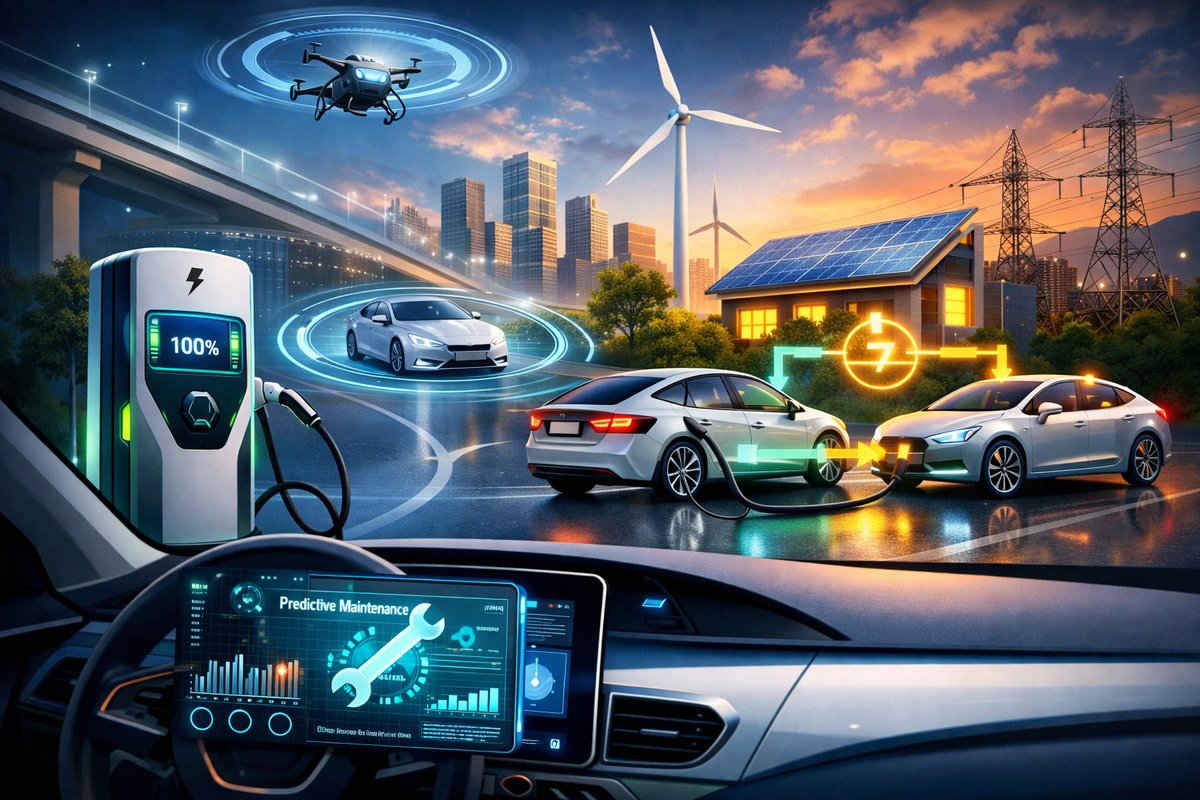
A new wave of transportation innovation is reshaping how we drive, charge, and interact with our vehicles. From expanded charging networks to predictive maintenance and energy trading between cars and the grid, discover how these breakthroughs promise cleaner, safer, and more connected journeys.
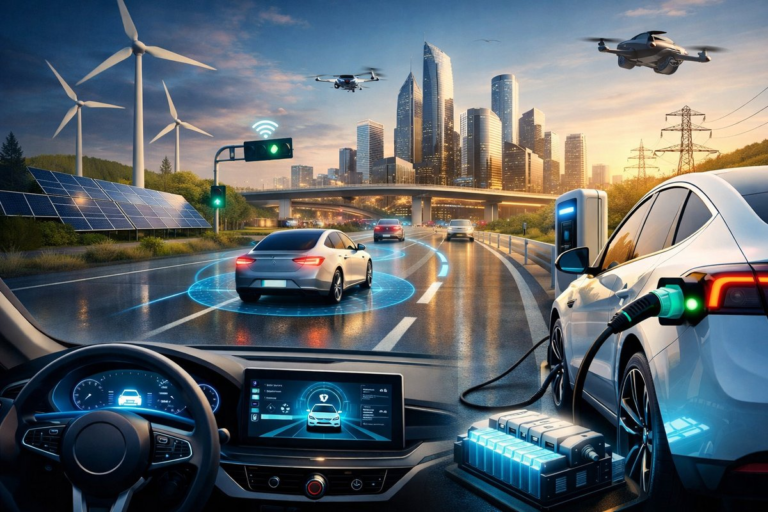
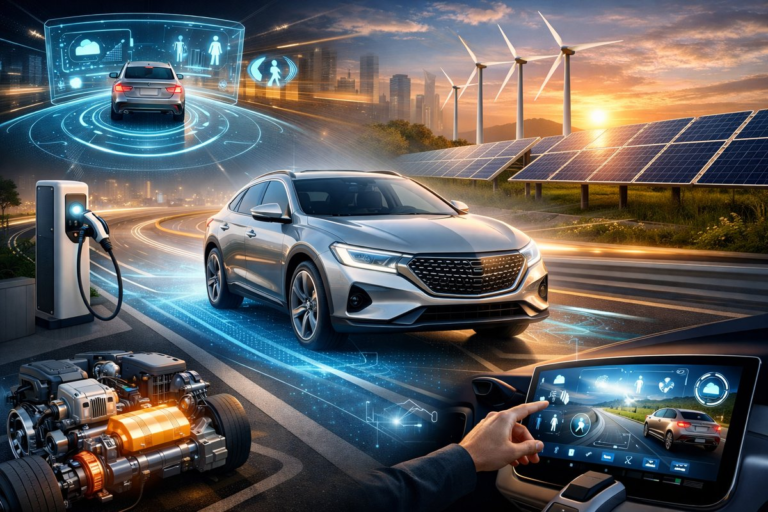
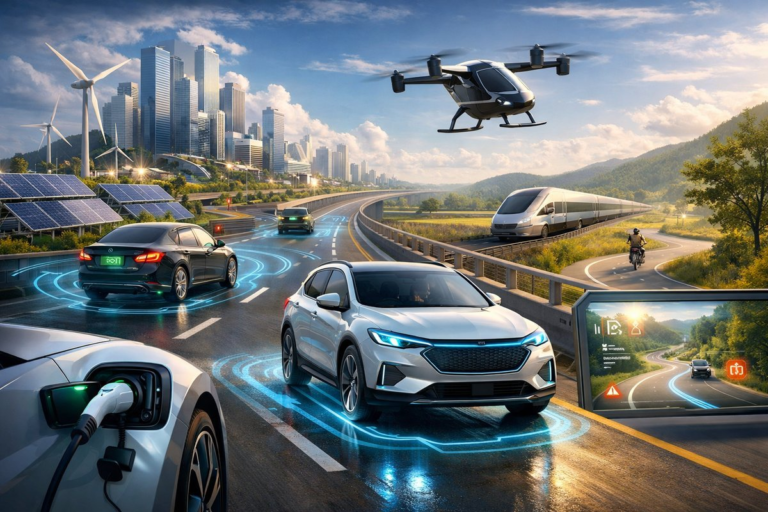
The automotive landscape is undergoing a rapid transformation driven by electrification, connectivity, and automation. Worldwide vehicle sales of electric models recently surpassed 10 million units, and governments are committing billions to build public charging stations. Meanwhile, automakers and start-ups alike are rolling out advanced driver aides, over-the-air software updates, and energy management tools that turn cars into rolling data centers and grid assets. This convergence of technologies is not merely an evolution of the internal combustion era-it’s a reimagining of how people, power, and information flow on roads and highways.
One of the most visible shifts is the surge in electric vehicle (EV) adoption. In Europe, EV registrations now account for nearly half of all new car sales in key markets. In North America and Asia, surges in incentives and infrastructure spending aim to reduce range anxiety and stimulate mass-market appeal. In parallel, companies are experimenting with ultra-fast charging sites along major corridors, boasting 350 kilowatt outputs that can add over 200 miles of range in under 15 minutes. These stations leverage liquid-cooled cables, demand response algorithms, and real-time user scheduling to balance grid loads during peak travel periods.
Behind the scenes, vehicle-to-grid (V2G) and vehicle-to-home (V2H) platforms are turning EV batteries into mobile energy reservoirs. Pilots in several cities allow homeowners to plug in their cars overnight, automatically selling stored energy back to the grid during evening peaks. This not only provides a revenue stream for drivers but also helps stabilize local power networks burdened by renewable generation variability. In urban centers, transit agencies are deploying electric buses equipped with bi-directional charging systems that support grid services while ensuring fleet readiness for morning routes.
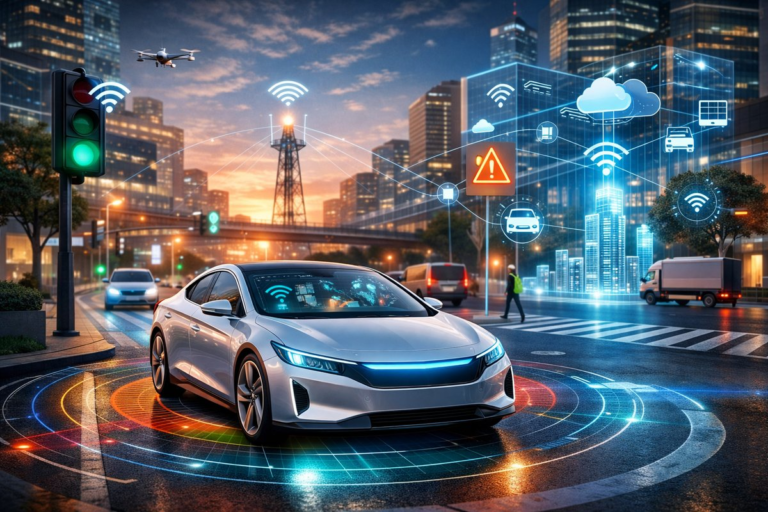
Connectivity has become a cornerstone of modern transportation. New models ship with high-bandwidth modems and secure vehicle gateways, enabling manufacturers to push over-the-air (OTA) upgrades for infotainment, safety features, and powertrain calibrations. A recent OTA release added lane-keeping assist and adaptive cruise control improvements across an entire lineup-proving that cars remain agile long after their initial delivery. Beyond software, vehicle digital twins-virtual replicas of physical units-allow engineers to run thousands of simulations on individual cars, predicting component wear and optimizing maintenance schedules before drivers even notice an issue.
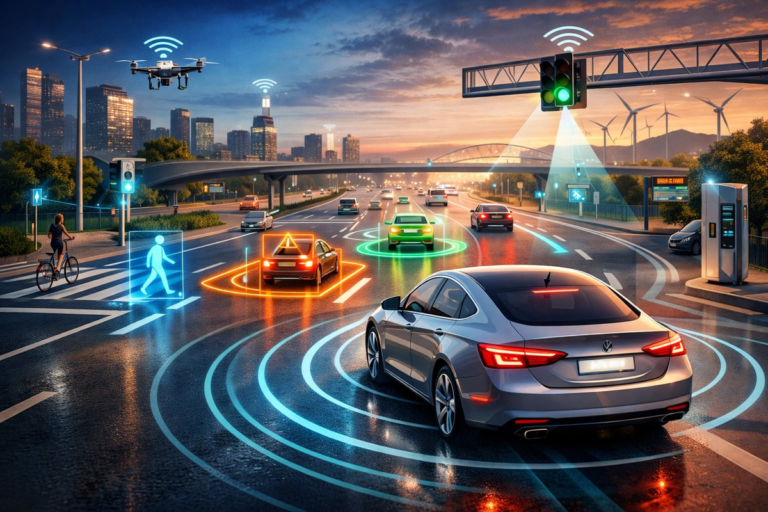
Autonomous driving advances continue, with level-2 and level-3 systems available in select territories. These systems combine high-resolution lidar, radar, and camera arrays with edge-AI processors to maintain lane position, perform automated lane changes, and manage highway merges under limited conditions. As regulatory frameworks adapt, some fleets in pilot programs are transporting passengers on short, predefined routes without human safety drivers. Safety remains paramount: standardized safety validation protocols and shared anonymized data from millions of miles of testing are guiding policymakers toward unified certification criteria.
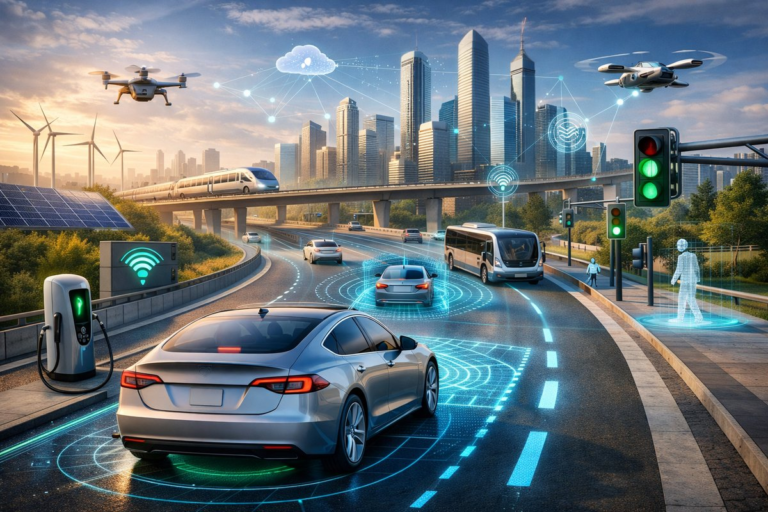
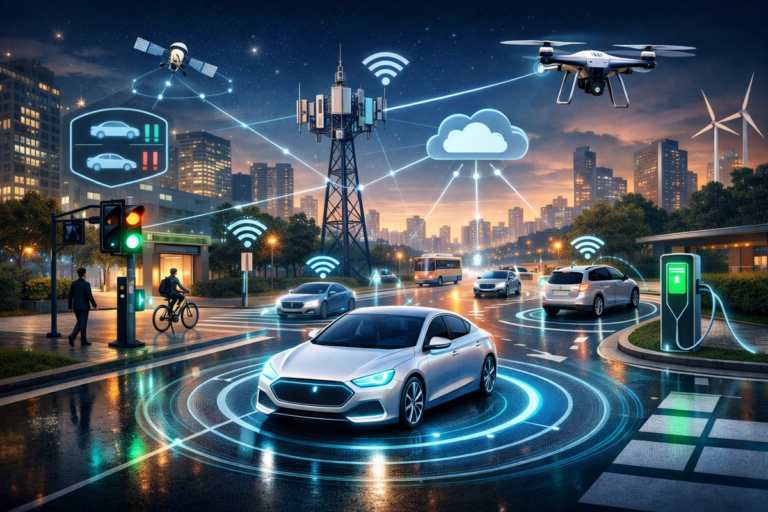
Smart infrastructure complements connected cars. In multiple regions, highways now feature embedded sensors and beacon transmitters that communicate traffic flow data and road condition alerts directly to vehicles in real time. Municipalities use this information to coordinate traffic signals, reducing congestion and cutting emissions. Roadside units also support dynamic tolling based on congestion levels, encouraging off-peak travel and optimizing road utilization. These efforts mesh with broader smart-city initiatives that integrate parking availability, public transit schedules, and ride-share fleets into single mobile apps for commuters.
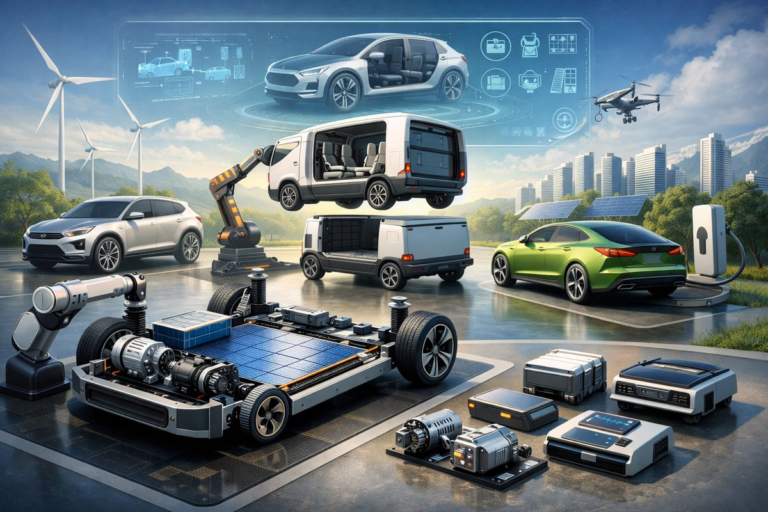
Sustainability extends beyond tailpipe emissions. Automakers are adopting recycled materials for interior trim, sourcing low-carbon steel, and designing modular battery packs that can be repurposed for stationary energy storage once vehicle life ends. In one high-profile project, decommissioned EV batteries are installed in community microgrids to power emergency shelters during outages. Lifecycle assessments now factor in raw material extraction, manufacturing footprints, and end-of-life recycling rates, guiding consumers and fleet managers toward lower-impact options.
Despite these advances, challenges remain. Charging infrastructure in rural and underserved areas still lags urban coverage, leaving many drivers reliant on standard wall outlets. Grid upgrades must keep pace with rising electricity demand, especially in regions where renewable output fluctuates. Cybersecurity threats evolve alongside connectivity gains, prompting rigorous testing of vehicle firewalls and secure firmware architectures. Moreover, regulatory harmonization across borders is needed for autonomous functions to scale internationally without cumbersome certification hurdles.
Industry collaboration offers potential solutions. Alliances between utilities, automakers, and government agencies are funding regional charging networks and piloting V2G use cases. Open protocols for data sharing and cybersecurity are emerging, allowing third-party developers to create innovative mobility services. Shared mobility operators-from car-sharing to ride-hailing-are integrating the latest EV and connectivity features into their fleets, accelerating real-world learning while reducing per-trip emissions.
As consumers weigh purchase decisions, they’re increasingly evaluating total cost of ownership, software feature sets, and brand-agnostic charging access. Innovative financing and subscription models bundle vehicle hardware with guaranteed software updates and charging credits. Fleets are experimenting with usage-based insurance that rewards eco-friendly driving behavior tracked via built-in telematics. These paradigms redefine what mobility means: it’s no longer just about horsepower or styling-it’s about data, energy, and ecosystem integration.
Looking ahead, the transportation sector seems poised to become an extension of the digital and energy domains, where vehicles communicate seamlessly with homes, grids, and smart cities. The next decade will likely see further breakthroughs in solid-state batteries, hydrogen fuel cells for heavy duty transport, and expanded shared autonomous services. For drivers and fleet operators alike, staying informed about infrastructure developments, software capabilities, and regulatory shifts will be crucial. One thing is clear: motion, memory, and meaning on our roads will increasingly depend on lines of code as much as lines on a map.
By embracing these innovations responsibly-prioritizing privacy, resilience, and equitable access-society can harness the full potential of automotive technology. Whether it’s a quiet commute in an electric sedan, an automated highway convoy for freight, or a vehicle seamlessly interacting with a neighborhood microgrid, the future of transportation promises cleaner air, safer journeys, and a more dynamic relationship between people, machines, and energy. The open road is getting smarter, and we’re all along for the ride.