Location
Mount Vernon, WA 98274

Location
Mount Vernon, WA 98274
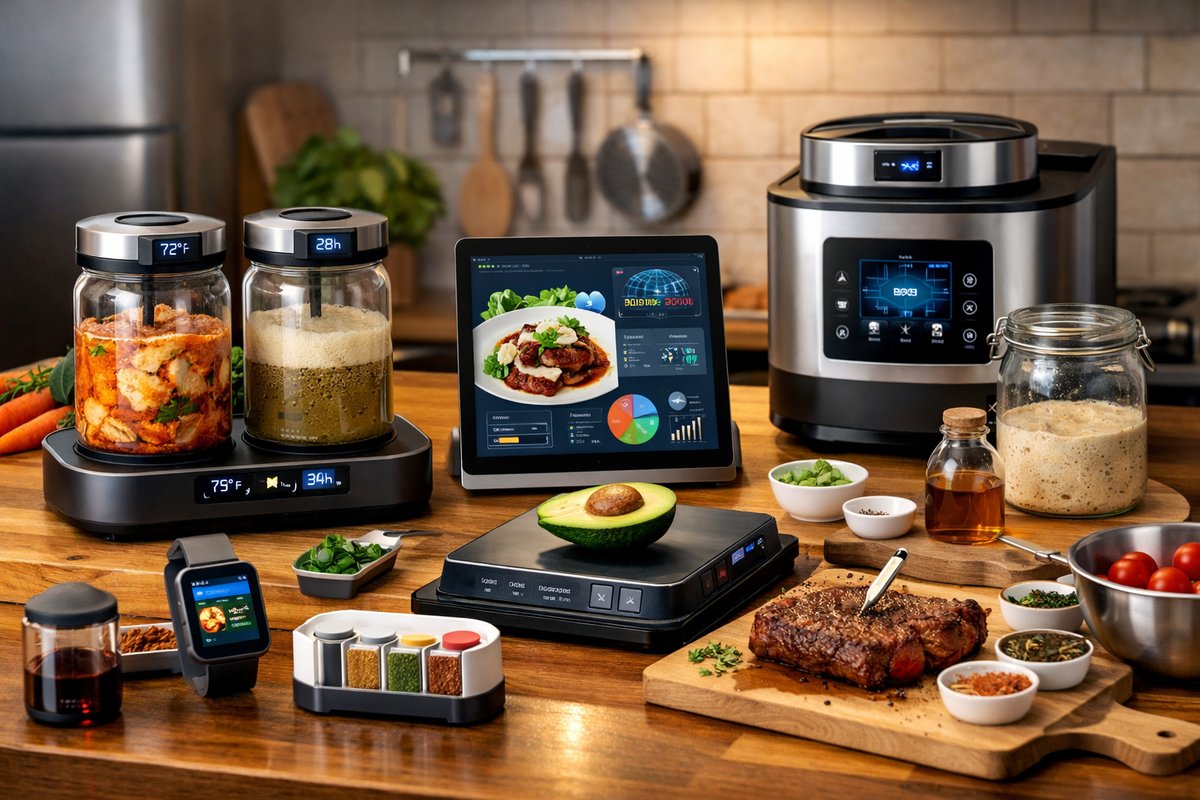
A new generation of kitchen gadgets is turning home cooks into culinary data scientists. From connected fermentation systems to AI-driven recipe analyzers, these tools promise precision and personalization that blend tradition with innovation.
A few months ago, a home cook in a suburban kitchen watched her smart fermentation jar send live updates to her phone. She opened the companion app, saw the pH curve of her homemade kimchi, and adjusted the temperature in her basement to fine-tune the tang. It was a quiet revolution: the merging of digital sensors and age-old food traditions.
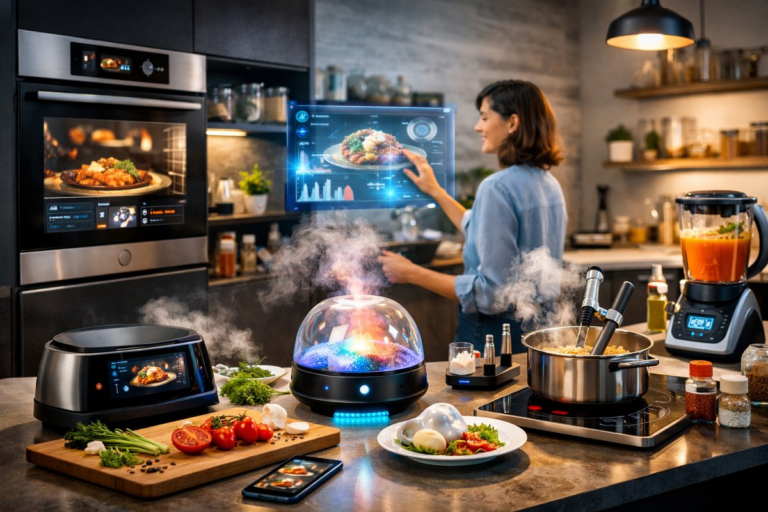
In living rooms across the country, cooks have swapped recipe cards for voice commands and sensor arrays. Instead of peering at a stove’s flame, they consult a heat-map overlay on a tablet. Instead of blind timing, they rely on real-time data streaming from cookware. This shift isn’t about gimmicks. It reflects a significant evolution in how we engage with ingredients and craft flavor.
Market research firms report that home adoption of smart kitchen devices climbed by more than 40 percent in the past year. Sales figures show steady growth in precision cooking appliances, while app downloads for recipe management tools have doubled. As urban families seek ways to eat well, conserve resources, and explore new cuisines, manufacturers are racing to supply gadgets that promise efficiency, customization, and even sustainability.
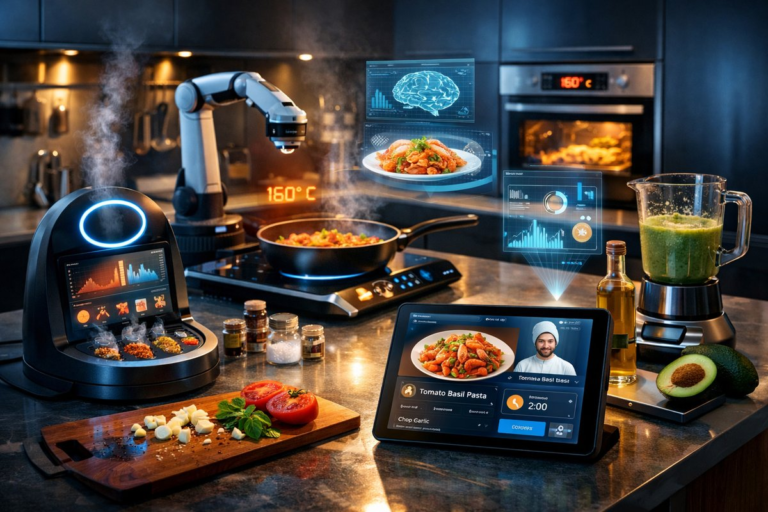
At the heart of this wave is a new class of sensors embedded in pots, pans, and utensils. Tiny thermocouples, gas sensors, and weight scales send data to cloud platforms that analyze cooking progress and suggest adjustments. A handheld probe might detect moisture levels in a roast and calculate resting times with scientific accuracy. Digital scales record ingredient weights and automatically adjust recipes to accommodate pantry variations.
These innovations tap into a deeper trend: the desire for control over every stage of food preparation. Cooks no longer want to approximate spice levels or guess when a soufflé is ready. They want numbers that translate directly into flavor outcomes. This appetite for precision mirrors similar shifts in fitness, where wearable devices track biometrics to optimize workouts. In the kitchen, data becomes a way to troubleshoot, learn, and experiment without fear of failure.
One early adopter describes his countertop as an electronics playground. He pairs a modular induction cooktop with a smart power meter, calibrates it through an open-source firmware update, and syncs it to his recipe app. At the same time, he runs experiments with a fermentation chamber that cycles temperatures to coax out subtleties in sauerkraut. For him, cooking feels like running a mini laboratory where each variable can be dialed in.
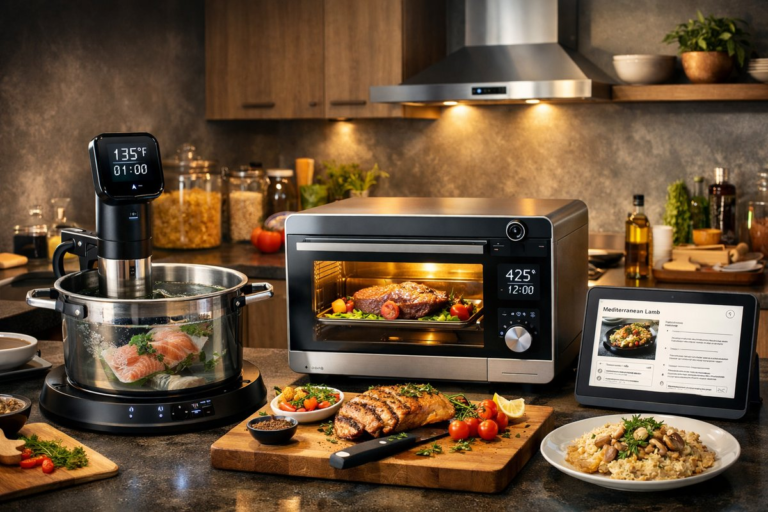
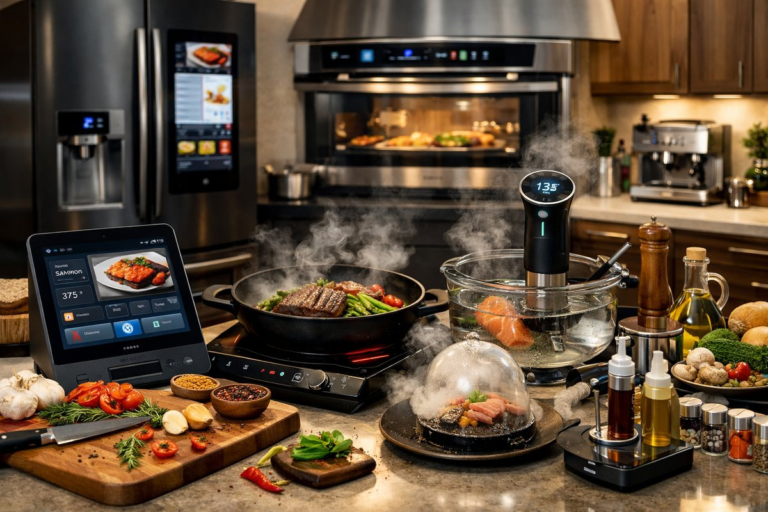
While high-end enthusiasts embrace DIY platforms, consumer electronics companies are delivering more user-friendly systems. A connected oven offers guided modes for baking breads or roasting vegetables. It syncs with a companion app that adjusts temperature profiles based on ambient humidity and altitude. When a user selects a recipe, the oven preheats itself and displays step-by-step instructions on its touchscreen.
Behind the scenes, these ovens rely on machine learning models trained on thousands of cooking sessions. They recognize patterns-such as how dough texture changes with flour type-and adapt instructions accordingly. Over time, the appliance learns a household’s preferences: a little extra browning on crusts or a slightly looser set for flans. The result is a cooking experience that becomes more personalized with each use.
A growing number of recipe apps now integrate computer vision to analyze ingredient quality. Using a smartphone camera, users scan produce, and the app estimates ripeness, sugar content, and even pesticide levels. It then recommends recipes that best suit the produce’s condition. This feature helps reduce food waste by nudging cooks to use items before they spoil, while also elevating dish quality by selecting optimal timing.
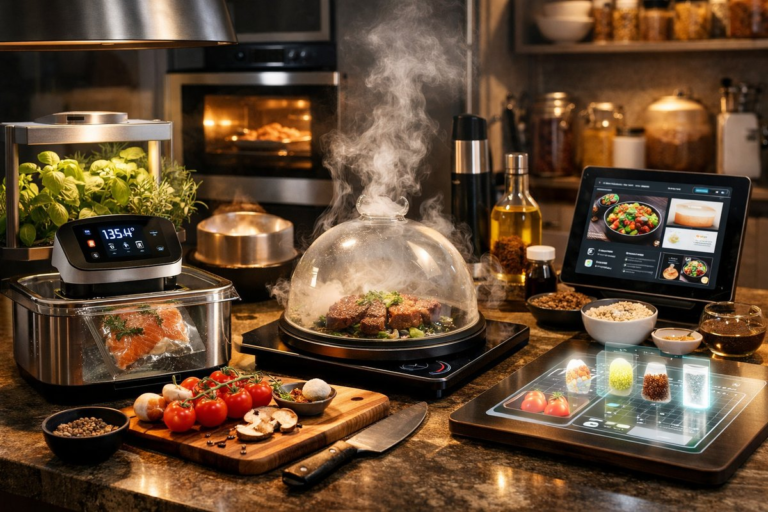
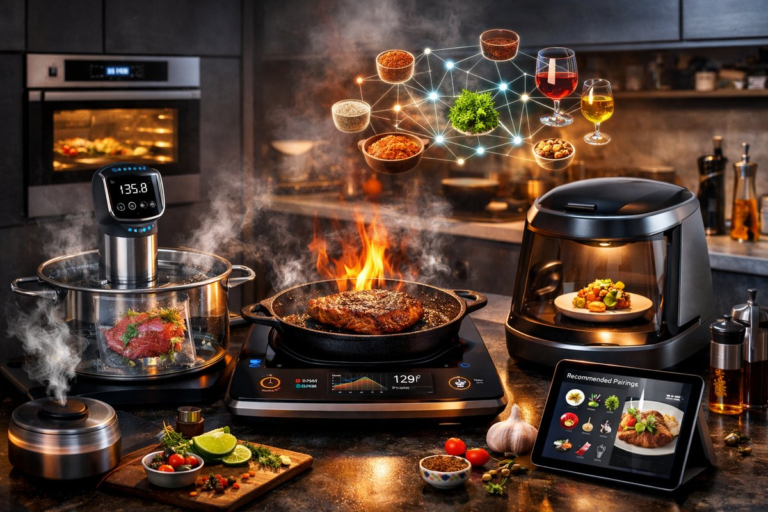
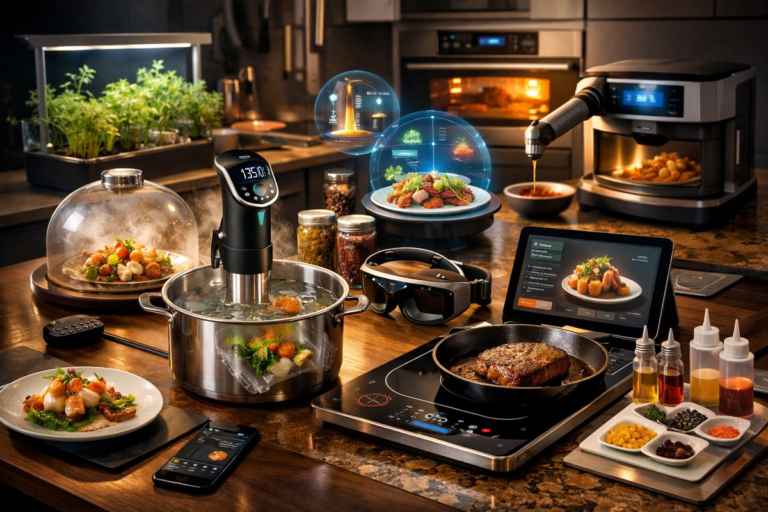
In professional kitchens, parallel developments have long been underway. Chefs employ sous-vide circulators connected to cloud dashboards, monitor brine concentrations with handheld digital refractometers, and even use 3D food printers to craft complex sugar sculptures. As these tools trickle into homes, the line between professional and amateur cooking blurs. Home cooks gain access to precision methods once reserved for high-end restaurants.
Yet this technological surge raises questions about privacy and sustainability. Many smart appliances collect usage data that could reveal personal habits and dietary choices. Industry insiders caution that manufacturers must implement robust privacy safeguards, ensuring that data is encrypted, anonymized, and used only to improve user experience. Transparent policies will be essential to build trust.
Sustainability is another consideration. Smart devices can reduce energy waste by optimizing cooking cycles, but they also introduce electronic waste concerns as older models become obsolete. Some manufacturers are responding by designing modular appliances with replaceable sensors and upgradeable firmware. This approach extends product lifespans and reduces the environmental footprint.
Beyond the gadgets, a cultural shift is taking place. Virtual communities form around collective recipe labs, where members share experiment outcomes and sensor-driven measurements. One online group devoted to sourdough baking now records acidity curves and fermentation graphs alongside conventional tips. Another community tests tea-infusing algorithms, comparing extraction rates and flavor profiles. These digital rituals foster deeper engagement with food, turning cooking into a collaborative science.
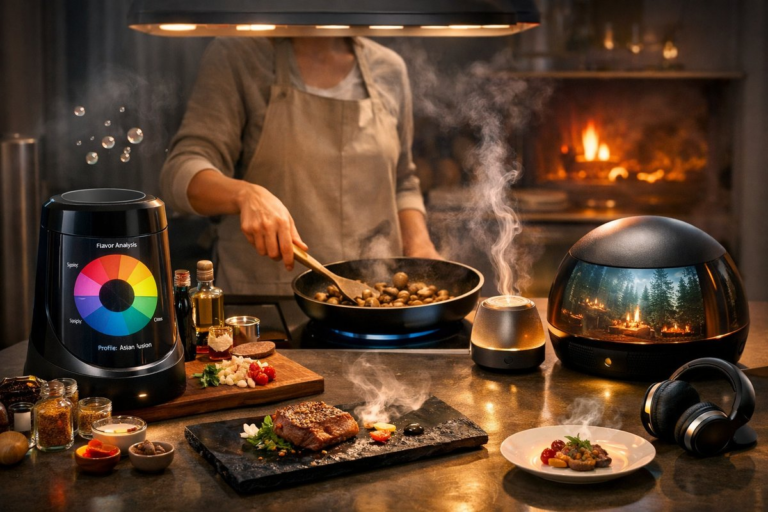
The most intriguing frontier may be AI-driven creativity. Generative models trained on global recipe databases can propose entirely new flavor pairings. Want a dessert that combines the savory depth of miso with the acidity of passionfruit? An AI tool might compute proportions that balance umami with citrus, then translate the outcome into step-by-step instructions. Early adopters praise this as a wellspring for novel dishes that challenge taste conventions.
Critics caution that data can’t capture every nuance of cooking. Intuition, muscle memory, and sensory feedback remain essential. Sensors cannot replace the human eye’s ability to judge a sauce’s sheen or the nose’s sensitivity to perfume. Nevertheless, many cooks view digital precision as an extension of, rather than a replacement for, traditional skills. It can handle routine tasks and repeatable processes, freeing human creativity for more expressive aspects of cooking.
Educational initiatives are emerging to help cooks adopt these tools responsibly. Culinary schools are adding modules on sensor technology and data literacy. Workshops teach home cooks how to interpret heat maps, calibrate pH sensors, and maintain privacy settings in companion apps. By demystifying the technology, these programs aim to empower rather than intimidate.
Looking ahead, experts foresee further integration between kitchen technology and health. Smart appliances could link to biometric sensors, tailoring meal preparation to individual nutritional needs or medical conditions. A countertop device might adjust salt levels or portion sizes based on real-time blood pressure readings. While this vision raises regulatory and ethical questions, it highlights the untapped potential of marrying food science with personal wellness.
Some niche startups are even exploring kitchen robots that assist with slicing, stirring, and plating under human supervision. These semi-autonomous arms remain rare and expensive, but they hint at a future where cooking becomes a dance between human intention and robotic precision. For now, most innovation centers on tools that fit standard kitchens and budgets.
In an era defined by rapid change, the kitchen stands as both a workshop and a sanctuary. New devices invite cooks to approach recipes as experiments, glean insights from real-time feedback, and share discoveries with global peers. Yet the best innovations honor the rituals that make cooking meaningful: gathering around a warm oven, smelling spices bloom, tasting sauce for balance.
Technology promises efficiency, consistency, and novelty. Data can guide decisions, reduce waste, and unlock flavors hidden within familiar ingredients. But at its core, cooking remains an act of care-an opportunity to connect with tradition, nourish loved ones, and express creativity. The latest wave of kitchen tech simply provides fresh tools for that timeless adventure.