Location
Mount Vernon, WA 98274

Location
Mount Vernon, WA 98274
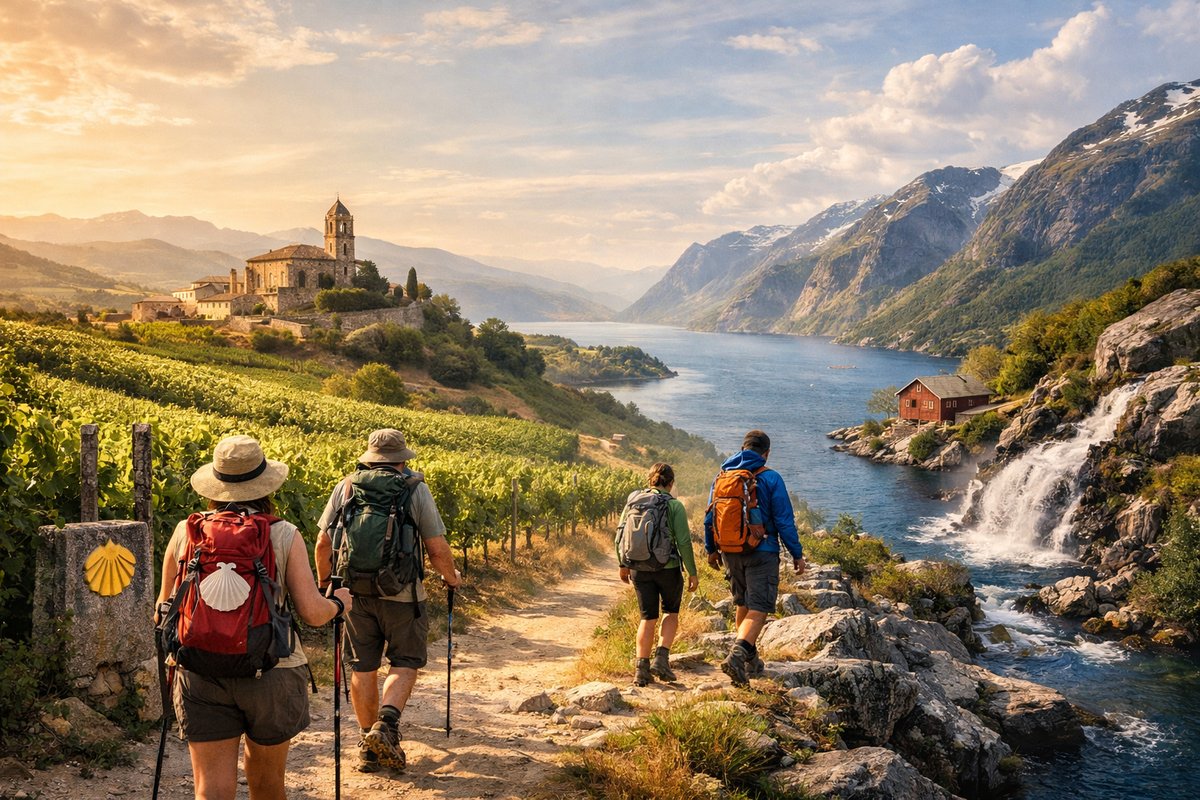
A surge of interest in slow travel has drawn thousands back to centuries-old pilgrimage routes. From the rolling vineyards of northern Spain to the rugged fjords of Scandinavia, these timeworn paths promise sustainable footsteps, cultural immersion, and a chance to rediscover both landscape and self.
Europe’s long-distance walking routes are experiencing an unexpected revival. Once trodden by medieval pilgrims in search of spiritual solace, these ancient trails now appeal to a new generation of travelers seeking quiet adventure and mindful discovery. According to recent research from a leading travel organization, registrations for multi-day walking routes in Europe have risen nearly thirty percent over the past five years. From the sun-baked plains of Iberia to the misty peaks of the Alps, the appeal of slow, foot-powered exploration has never been stronger.
The modern walker approaching a pilgrimage path brings a different set of ambitions than a medieval pilgrim. Rather than seeking indulgences or churchly absolution, today’s hikers often aim to unplug from screens, deepen cultural understanding, and pursue personal transformation. A growing body of wellness literature highlights the benefits of sustained walking: reduced stress levels, improved cardiovascular health, and greater mental clarity. These pathways, once arteries of religious devotion, have become corridors of wellbeing.
Take the lesser-known inland route that threads through northern Spain’s Rioja wine region. While the coastal camino attracts thousands of pilgrims annually, the Rioja trail remains quieter, winding through ochre-hued vineyards and stone villages where winemaking traditions stretch back centuries. At each town’s albergue, walkers share local olive oil tastings and learn about generational cooperatives. Small family-run inns offer hearty stews and regional folk music in the evenings, fostering genuine encounters that mass-tourism hubs often miss.
Further north, the Via Francigena traverses the English countryside before crossing the Channel into France and descending into Italy. Hikers can choose sections that span chalky hills near Canterbury or the undulating vineyards of Tuscany. Along the way, waymarkers bearing ancient symbols guide travelers past Roman milestones and medieval bridges. Local initiatives have installed sustainable water stations and solar-powered rest shelters, ensuring the route stays open even in remote stretches and supports low-impact tourism.
Scandinavia has its own resurgence of faithful foot travel. The medieval Route of Saint Olav in Norway, stretching from the farmstead at Selånger to the Nidaros Cathedral in Trondheim, has seen a steady uptick in trekkers. From moss-draped forests to granite passes that glance the horizon, the trail blends natural spectacle with Norse myths. Modest hostels in restored stave churches and networked cabin systems offer clean drinking water, communal kitchens, and wood-fired saunas-an ideal fusion of history and modern comfort.
Organizers of these routes emphasize the importance of community. In many regions, local cooperatives manage trail upkeep, coordinate signposting, and run volunteer-staffed refuges. In one Alpine valley, a cooperative of retired guides and young environmental activists joined forces to restore a decaying mule track. Their work included habitat surveys, erosion control measures, and seasonal seed-planting projects to revitalize native wildflowers. Visitors contribute through voluntary donations that cover maintenance costs and support local conservation.
Sustainability is woven into every step. Many trail networks encourage travelers to carry refillable water bottles rather than buy single-use plastics. Regional governments partner with small farms and artisans to offer locally sourced meals in inns and pop-up eateries. Electric shuttle services transport luggage between distant stops, freeing walkers from heavy loads and reducing road traffic along fragile landscapes. This kind of responsible infrastructure supports rural economies while limiting carbon footprints.
Planning a journey-whether a thirteen-day trek through medieval villages or a three-day coastal stretch-requires more than a map. Digital platforms now provide interactive maps with altitude profiles, waymarker images, and GPS-enabled guidance. Community forums connect prospective walkers with veteran pilgrims who share dormitory-style lodging tips, packing lists, and first-aid advice. Guidebooks remain invaluable for historical context, offering legends of saints and local saints’ feasts that enliven each mile.
Yet for many, the true reward lies beyond technical achievement. Hikers often speak of a sudden shift around day three or four, when hours of walking meld with silence and rhythmic breathing. This zone of quiet attention opens space for reflection on personal challenges, relationships, and creative ambitions. Some conclude their journeys with a sense of rebirth: a renewed commitment to eco-friendly living, a reinvigorated sense of community, or a reoriented artistic vision.
Cultural events have sprung up around these routes, too. In a renovated stone barn along the Camino de Santiago’s new inland spur, weekly concerts spotlight regional folk traditions with harp players, accordionists, and communal dance circles. In another hamlet on the Via Francigena, an annual storytelling festival invites travelers to share personal narratives of transformation. Such gatherings extend the pilgrimage beyond physical travel, creating networks of mutual support and artistic exchange.
Governments and tourism boards are taking note. Funding for trail signage, visitor centers, and digital outreach has increased significantly in recent years. In one Alpine region, the tourism office partnered with an environmental NGO to produce a mobile app that tracks each walker’s carbon savings based on avoided car travel. These data feed into local sustainability reports, helping policymakers measure the real impact of foot-powered exploration and justify continued investment.
Still, experts caution that popularity can strain delicate ecosystems. A spike in overnight stays at mountain huts can heighten waste management challenges, and foot traffic may erode remote slopes. Trail managers are experimenting with visitor-cap limits, online reservation systems, and low-season incentives to distribute footfall more evenly. Many also promote “quiet stretches” alongside the established routes, encouraging travelers to venture off the beaten track and disperse their environmental impact.
Ultimately, the renewed interest in pilgrimage paths tells a larger story about travel in a congested world. As airports grow crowded and digital distractions proliferate, more people seek journeys that unfold at human pace and nourish genuine connection. These routes, etched into landscapes by centuries of footfall, offer both cultural context and personal challenge. They remind us that travel can be more than a series of checklists; it can be a transformative process, blending heritage, sustainability, and reflection under open skies.
For those ready to lace up boots and set off, the resurgence of these ancient trails signals an invitation: slow down, tread lightly, and let the terrain guide both body and mind. In the end, every step becomes part of a larger narrative, one that connects distant villagers, desert-dressed cathedrals, and the inner terrain of the walker in between.