Location
Mount Vernon, WA 98274

Location
Mount Vernon, WA 98274
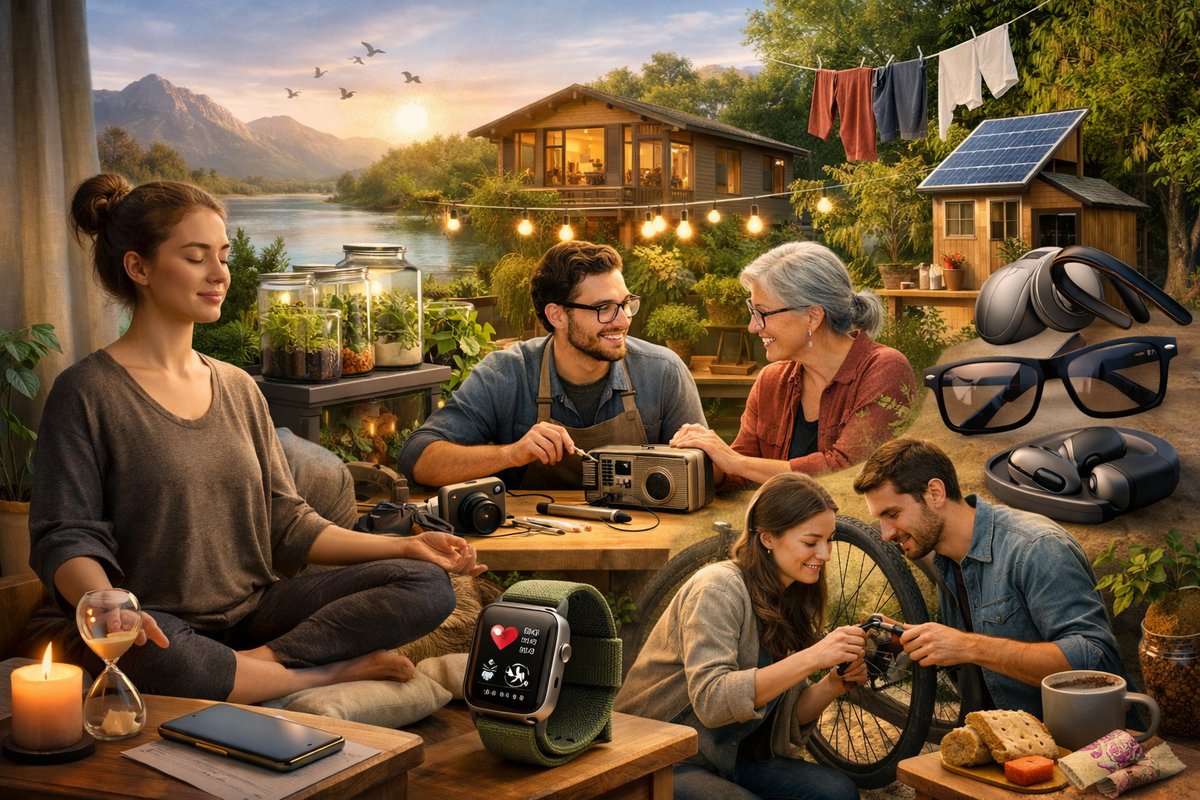
From five-minute rituals to pop-up repair cafes, a wave of small-scale habits is reshaping how people connect, create, and consume. Across digital detox practices, sustainable home systems, and adaptive wearables, subtle shifts reveal where collective focus is moving. This article maps these emerging signals of change and suggests practical tools for navigating the new currents in daily life.
On a quiet street before dawn, neighbors pause for a two-minute breathing exercise on their doorsteps. A few blocks away, someone sets a five-minute analog timer before entering a screen-free hour. In co-working hubs, tiny herb trays sprout under LED lamps. These everyday scenes add up to a pattern: a cultural tilt toward micro-scale interventions, where small habits, modest objects, and fleeting moments become the engines of larger transformation.
Microrituals are at the heart of this shift. From jotting a single gratitude note to squeezing in a mini mindful stretch, people are decoupling well-being from big resolutions. Bullet-journaling meets digital detox: every evening, many reach for an undated notebook to log one win of the day. These fragments of attention foster self-awareness and slow the runaway pace of habit stacking. As a side effect, analog tools-pens, paper, timers-are claiming shelf space alongside smart devices, reminding us that sometimes the simplest instruments spark the richest changes.
Digital minimalism is evolving beyond mere screen time limits. Instead of blanket app deletions, users now layer nuanced filters: blue-light blocking glasses for late-night reading, grayscale mode for social media on weekends, and scheduled “phone parking” in communal baskets during family dinners. Rather than waging all-or-nothing battles against distraction, people are weaving gentle cues into their environment to gently corral digital impulses. This reframed approach treats attention as a renewable resource, not an infinite commodity.
Restorative micro-naps have become another emblem of the era. Spotting a dedicated nook in a public library or spotting foldable eye masks in office drawers, employees and students alike are embracing 10-15 minute power naps. The added layer of noise cancellation-whether via soft ear-covering masks or compact earbuds-helps isolate a brief oasis of calm. In this context, an analog kitchen timer or simple countdown app bookmarks the duration, making the transition in and out of rest feel effortless.
Beyond personal rituals, local communities are rebooting collaboration at the micro level. Mobile repair cafés pop up at weekend markets, welcoming anyone with a broken toaster or a frayed headphone cable. Neighborhood tool libraries, stocked with lending hammers and drills, are sprouting in basements and garage co-ops. On shared porches, compost circles transform kitchen scraps into nutrient-rich soil. These grassroots initiatives underscore a collective yearning for resourcefulness, skill-sharing, and low-stakes experimentation.
Home composting has leaped from eco-enthusiast circles into mainstream practice, aided by ventilated rotating bins that accelerate decomposition. With crisp instructions and odor-control features, compost tumblers turn vegetable peels into garden gold within weeks. For urban dwellers lacking backyard soil, food scraps can enrich community garden plots or potting mixes for balcony plantings. This small-scale cycle of consumption to cultivation resonates with both sustainability goals and a tactile desire to witness transformation firsthand.
Meanwhile, the indoor garden is undergoing its own renaissance. Smart hydroponic kits, complete with energy-efficient LED panels and automated watering, enable fresh herbs and microgreens to flourish on kitchen counters year-round. Seed pods designed for specific climates or flavor profiles slide into modular trays, reducing uncertainty for novice gardeners. Beyond cuisine, these micro-green corridors bring biophilic design inside, boosting air quality and mood through steady, nurturing interactions with living systems.
Design trends reflect parallel impulses toward human-centric and adaptable environments. Bio-philic materials-unvarnished wood, mineral-rich clay, living moss walls-anchor interiors in natural textures. Meanwhile, fabrics are no longer passive. Bio-adaptive performance wearables respond to body heat and moisture, regulating temperature during sudden shifts in climate or activity. As wearers move through commuter crowds, co-working hubs, and evening yoga classes, garments adjust breathability and insulation in real time.
Wearable tech is also charting a softer course. Instead of obsessing over constant biometric tracking, newer sensors offer on-demand scans: a quick heart rate check via wristband, a breath-analysis patch for stress detection, or a posture-correcting clip that buzzes only when slumping becomes habitual. This permission-based tracking honors personal boundaries, sidestepping data overload while still delivering timely nudges toward healthier stances and calmer minds.
In the urban realm, small-scale public spaces are gaining traction. Micro-parks convert a single vacant lot or a widened sidewalk zone into a pocket of greenery-with seating carved from reclaimed timber, low-water plantings, and pop-up art installations. Corporate plazas dip into the trend by installing modular benches that double as bike racks or charging stations. These fragments of public realm amount to a mosaic of small interventions, inviting passersby to stop, nourish themselves both physically and socially, and keep moving.
At home, interior layouts are embracing “intentional corners” instead of grand open-plan designs. A cozy reading alcove bathed in soft lamp light. A mini mindfulness station with a folding meditation stool. A dedicated craft desk balanced by a hanging plant. By reserving tiny footprints for focused activities, people create psychological anchors for work, rest, and play-preventing the boundaries from bleeding together in hybrid living setups.
What ties these threads together is a collective pivot from epic gestures to granular attentions. Instead of chasing viral trends or radical overnight makeovers, individuals and groups are privileging the incremental: daily micro-choices that add up to measurable shifts in well-being, skill sharing, and ecological footprint. This approach aligns with a growing understanding that durable change often incubates in the overlooked corners of routine.
Underlying these patterns is a renewed emphasis on curiosity and self-compassion. Micro-rituals invite experimentation without high stakes: skip the morning journal and notice how the day unfolds, then restart tomorrow. Miss the five-minute stretch and observe where tension accumulates. Such iterative feedback loops foster emotional intelligence, empowering people to adjust their approaches with kindness rather than self-criticism.
Technology too is undergoing its own negotiation between convenience and conscious friction. Voice assistants now deploy “slow confirmations” for impulse purchases. Social platforms pilot gentle delays before posting public comments. Even digital calendars suggest buffer slots to prevent back-to-back calls. These programmed pauses are invitations to pause, reflect, and choose-reinserting agency into experiences once dominated by speed.
Taken together, these emerging signals chart a near-future defined by small acts of intention. From the hum of a compost tumbler to the soft click of a page turned in a journal, the new currents underscore that lasting impact need not always require grand designs. By tuning into micro-movements-in culture, technology, design, and daily life-we gain a map to navigate uncertainty with grounded curiosity and collective care.