Location
Mount Vernon, WA 98274

Location
Mount Vernon, WA 98274
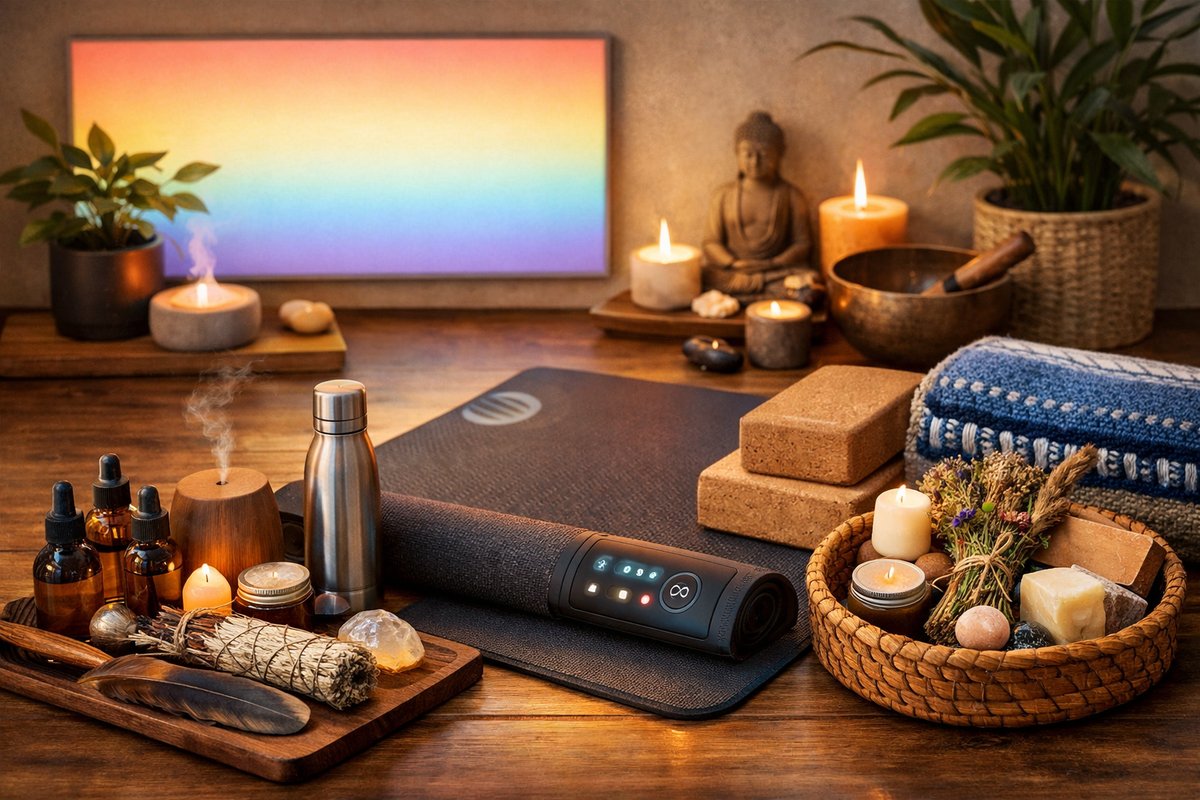
From circadian lighting panels to sensor-embedded yoga mats and eco-crafted ritual bundles, DIY wellness toolkits are reshaping how people nurture vitality, rest, movement, and emotional calm. This trend-driven report explores how innovators and local makers are teaming up to deliver modular solutions that fit into everyday routines-and even build community ties.
In living rooms, bedrooms, and backyard green spaces around the globe, a new wave of home-based wellness setups is taking shape. Far from one-size-fits-all fitness trackers or generic self-help apps, today’s DIY wellness kits bring together cutting-edge technology, handcrafted elements, and community-driven design. They promise to support four pillars of holistic health-vitality, restorative sleep, mindful movement, and emotional clarity-without requiring expensive gym memberships or one-off gadgets.
At the heart of this movement lies a desire for customization. Modern consumers are no longer content with off-the-shelf solutions; they want tools that adapt to their unique rhythms, living spaces, and personal goals. One emerging startup pairs modular LED lighting panels with a companion app that syncs to individual sleep-wake cycles. Installed above a bedside table or taped along a living-room wall, the panels shift through gentle color gradients at dawn to coax the body out of slumber, then transition into focused white light as the workday begins. By evening, they dial back intensity and hue to mimic sunset, supporting melatonin release and framing a natural transition toward rest.
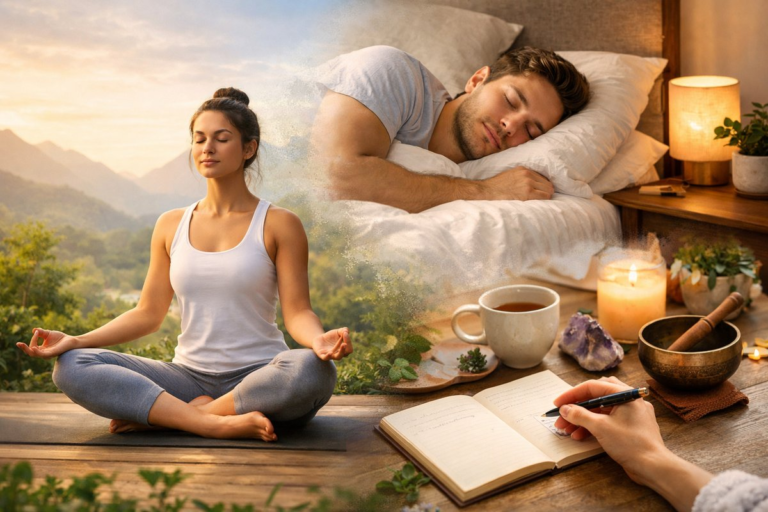
Meanwhile, a handful of local artisans are betting that nature-inspired ritual boxes can deepen emotional balance. These subscription kits mix small batches of plant-based herbal teas-like adaptogenic berry blends for an afternoon calm boost-with ethically harvested incense sticks, stainless steel infusion tools, and printed journals featuring daily gratitude prompts. Recipients report that weaving these tactile ceremonies into their midday break or evening wind-down sharpens self-awareness and provides a gentle anchor in otherwise hectic routines. As one early adopter put it, “It’s like a mini retreat in a box, delivered right to my door.”
Movement, too, has stepped out of the gym. Sensor-embedded yoga mats are arriving on the scene, offering real-time posture feedback via haptic vibrations. Slide your hands into wireless gloves that transmit grip pressure data; if your downward dog collapses in awkward angles, the mat detects the shift and pulses under your palms to gently guide you back into alignment. A growing catalog of preprogrammed yoga flows and mobility drills-each tailored to different body types and goals-can be uploaded over Wi-Fi, turning any living room into a private studio with an interactive coach.
For tracking progress, midsize rectangular modules equipped with accelerometers and pulse readers clip onto clothing or slip into pockets. They wirelessly stream data to an open-source dashboard, where users can map daily steps against heart-rate variability, caloric output, and even breathing patterns. These community hubs let novices compare friendly challenges or share milestone badges, igniting accountability and social motivation without the intimidation of in-person classes.
While technology handles much of the monitoring and guidance, manufacturers are mindful of sustainability. Bamboo-fiber yoga bolsters, organic cotton resistance bands, and post-consumer recycled-plastic rollers are now common in many kits. Packaging has shifted away from single-use plastic toward compostable mailers and refillable pouches. Some designers have even introduced trade-in programs: when a wearable sensor reaches end-of-life, it can be sent back for responsible recycling and a credit toward the next module.
Beyond the physical realm, biofeedback devices are helping users cultivate emotional clarity. Slim ring-style trackers slip onto a finger and continuously measure heart-rate variability, which researchers correlate with stress resilience and parasympathetic activity. When the ring detects a prolonged sympathetic spike-an indicator of mounting tension-an accompanying app cues a brief breathing exercise or gentle vibration prompt. Over weeks of practice, users often report fewer midday crashes and a sharper capacity to pivot away from stress triggers.
Some of the most experimental DIY wellness projects originate in local makerspaces and hackathons. At a recent weekend gathering, participants crafted wearable muscle-stimulation patches that wrap around the shoulders and deliver low-level electrical pulses to ease tension after long hours at a desk. Others retrofitted standing desks with foot-pressure sensors so the workspace morphs into an interactive game: maintain small shifts in weight to rack up “standing points,” earning a nudge on the desktop display to try balance exercises or calf stretches.
Community-centered pop-ups are also redefining how people discover wellness tools. A city-block-long health marketplace recently opened for a month, featuring dozens of micro-booths where local herbalists, sound-bath facilitators, and lighting designers showcased demos. Visitors could test individual components-from aromatherapy diffusers dispensing tailor-made blends to inflatable recovery boots that mimic pneumatic compression. Live workshops ranged from breathwork circles led by meditators to movement jams combining tai chi with guided drumming. Attendees reported that the event introduced them to complementary practices they never would have paired-and inspired them to assemble their own hybrid at-home set-ups.
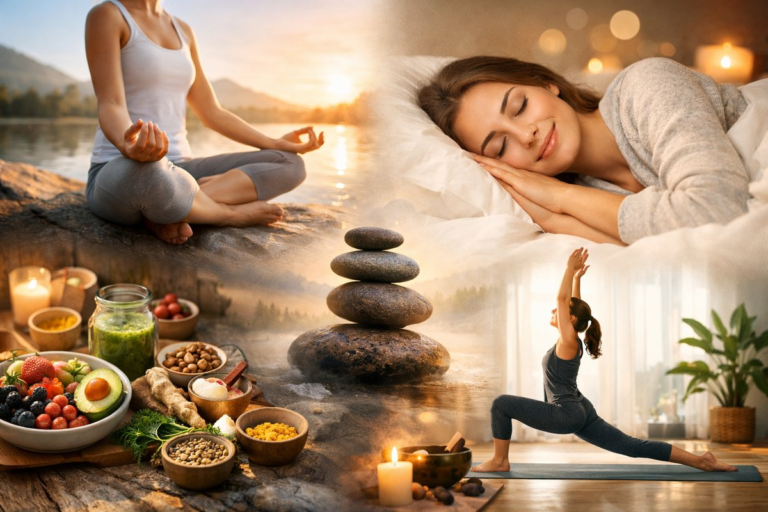
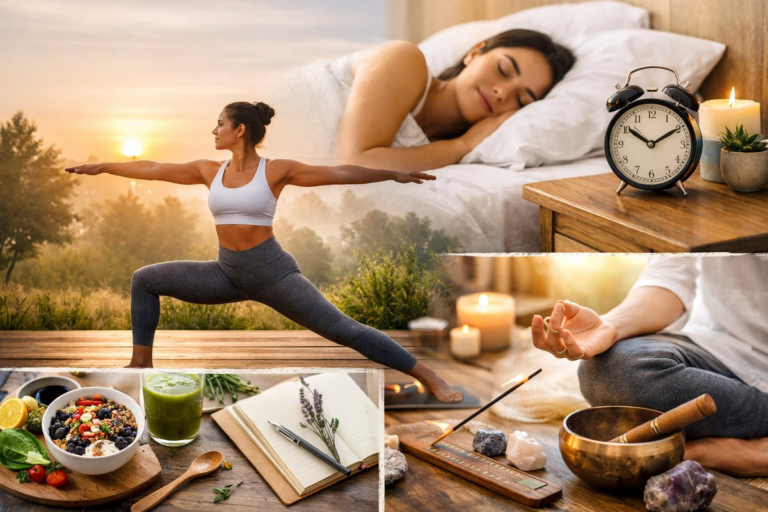
Despite the flood of new devices and rituals, experts caution that no single tool is a panacea. A well-rounded approach still hinges on basic habits: regular sleep schedules, balanced nutrition, moderate exercise, and intentional downtime. What these DIY kits offer is the ability to fine-tune those foundations in ways that resonate with personal preferences. Need extra support with the transition into rest? Add the circadian lighting panel. Craving more mindfulness in movement? Try the sensor-embedded yoga mat. Searching for midday resets? Brew a cup from your herbal ritual box and slip on a biofeedback ring to guide a two-minute breathing break.
Looking ahead, the most exciting frontier may lie in interoperability. Imagine connecting your circadian light array with your biofeedback device so that the hue and intensity adapt in real time to your stress signals. Or linking movement-tracker modules with your calendar, automatically suggesting micro-breaks when meetings run long. Early prototypes suggest these integrated experiences can enhance adherence and outcomes more than standalone tools.
For now, however, the modular wellness kit movement is all about giving users agency. By choosing, combining, and iterating on select elements, individuals can craft a bespoke ecosystem of support. Whether you’re a curious beginner or a seasoned self-care devotee, the DIY wave offers pathways to explore the vast landscape of vitality, slumber, motion, and emotional clarity-all from the comfort of home.
The takeaway? Wellness isn’t a static product line. It’s a dynamic toolbox you build over time, drawing inspiration from technology advances, sustainability principles, local creativity, and social connection. As this trend accelerates, the line between professional studio and personal sanctuary will blur-and wellness will truly become the foundation on which daily life is designed.