Location
Mount Vernon, WA 98274

Location
Mount Vernon, WA 98274
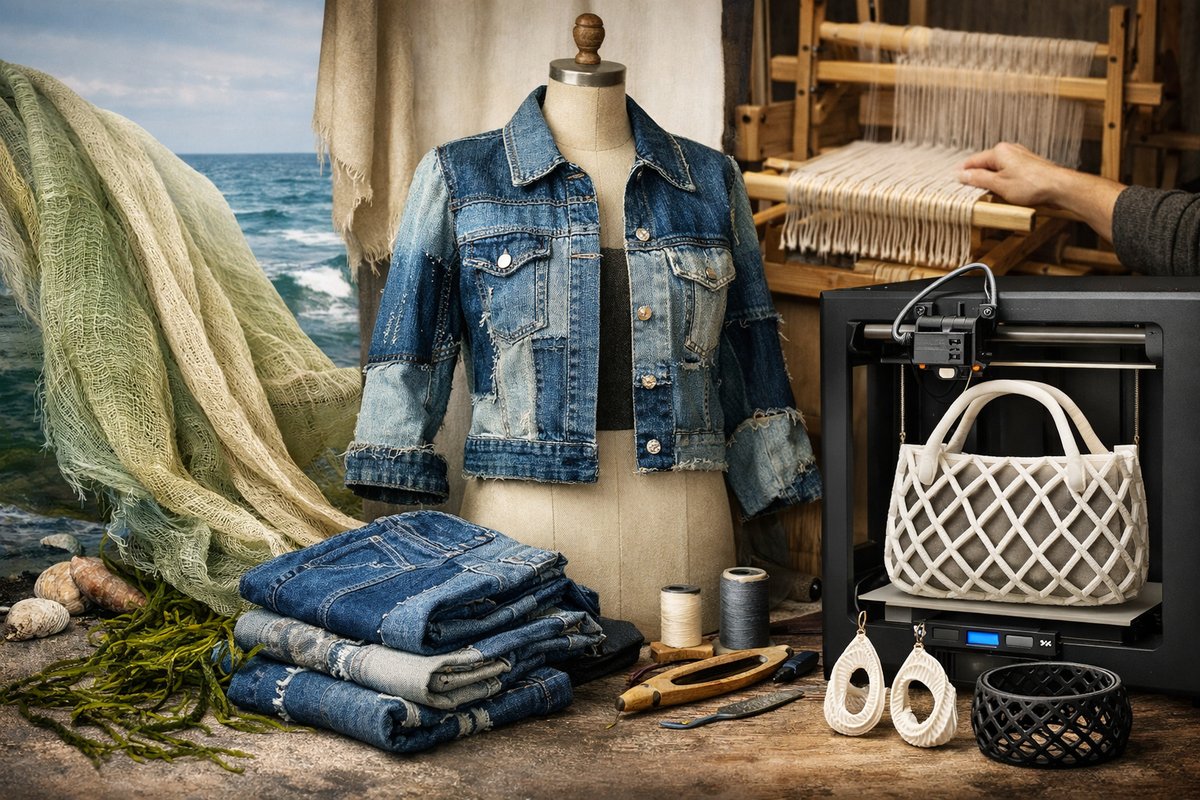
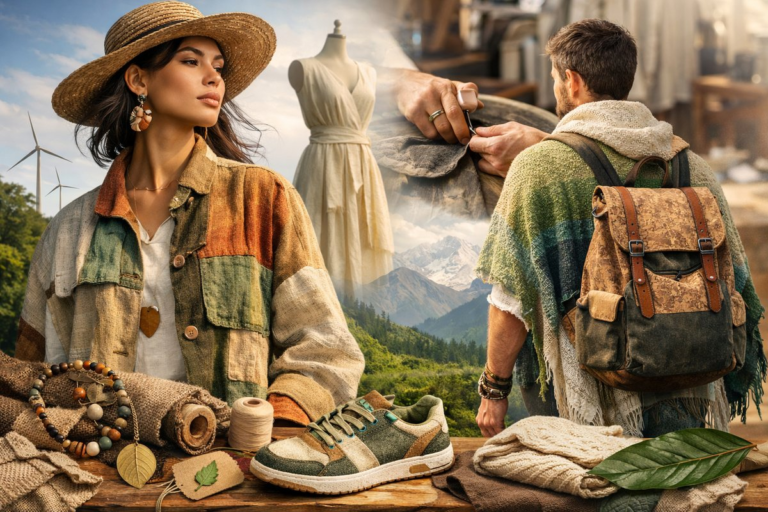
From seaweed-derived fibers to upcycled denim and 3D-printed accessories, a new wave of designers is turning sustainability into statement. This movement blends technological innovation with traditional craft to empower consumers to wear their values-and rewrite the fashion narrative.
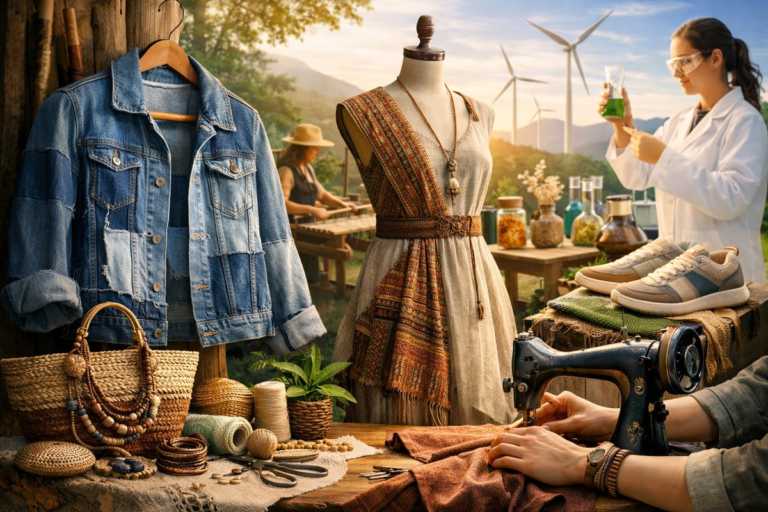
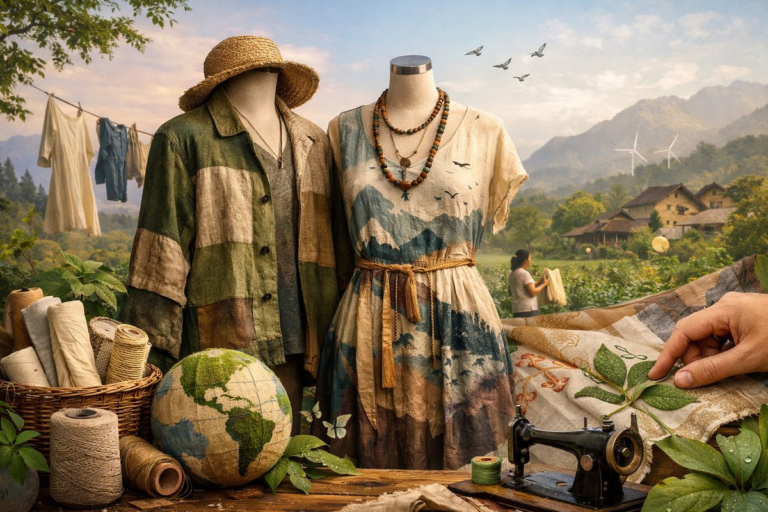
In a bustling studio on the outskirts of Copenhagen, bolts of fabric dyed with seaweed extract drape across wooden racks. Nearby, a small group of artisans thread needles into repurposed denim salvaged from local vintage stores. This scene captures a broader shift unfolding across global fashion capitals: sustainability is no longer an afterthought or marketing tag line. It has become the core creative force driving new collections, inspiring consumers to think deeply about the materials, methods, and meaning behind every garment.
Recent industry data shows that eco-conscious apparel now accounts for nearly 10 percent of overall global clothing sales-up from just 3 percent five years ago. Brands of all sizes are responding by launching lines made from mushroom-based leather alternatives, seaweed fibers that biodegrade at sea, and natural dyes derived from food scraps. Meanwhile, grassroots collectives in cities from São Paulo to Seoul are hosting repair cafes where people learn to mend tears, transform outdated pieces, and customize their own wardrobes. This intersection of high-tech innovation and hands-on craftsmanship is redefining what it means to dress well in a world facing mounting environmental challenges.
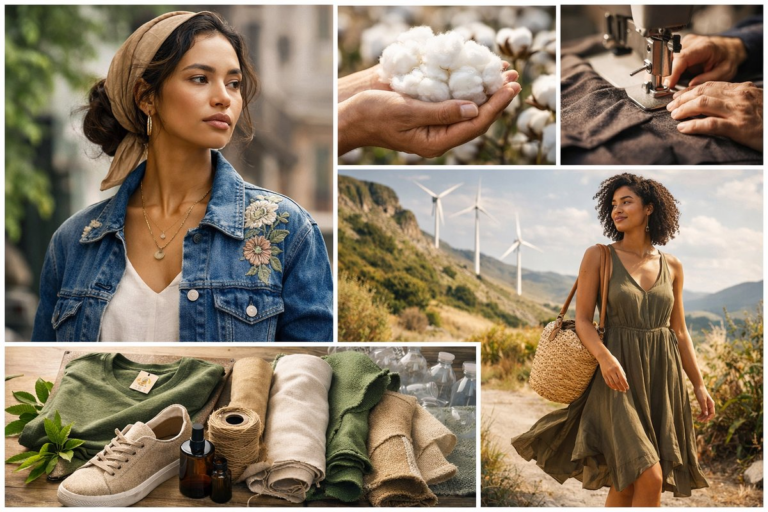
At the heart of this movement is a commitment to transparency. Innovative startups are embedding QR codes into garment labels that, when scanned, reveal a full traceability map: the farm where the cotton was grown, the dyehouse that treated the fabric, and the workshop that assembled the final piece. For consumers, this becomes a form of digital storytelling. Rather than an anonymous mass-produced t-shirt, scanning a code can transport you to an organic cotton field in Uzbekistan or a collective of seamstresses in rural Portugal. By bringing those narratives to the surface, designers are forging a more meaningful connection between wearer and maker.
Consider the rise of seaweed-derived fabrics. Researchers in coastal regions have developed methods to extract alginate-a bio-based polymer-from brown seaweed. After purification and processing, these polymers can be spun into fibers that exhibit a soft hand feel and moisture-wicking properties. The result is a textile that not only feels luxurious against the skin but also biodegrades harmlessly if it ends up in the ocean. Several Scandinavian labels have already incorporated seaweed yarn into sweaters and scarves, touting both performance and planet-friendly credentials.
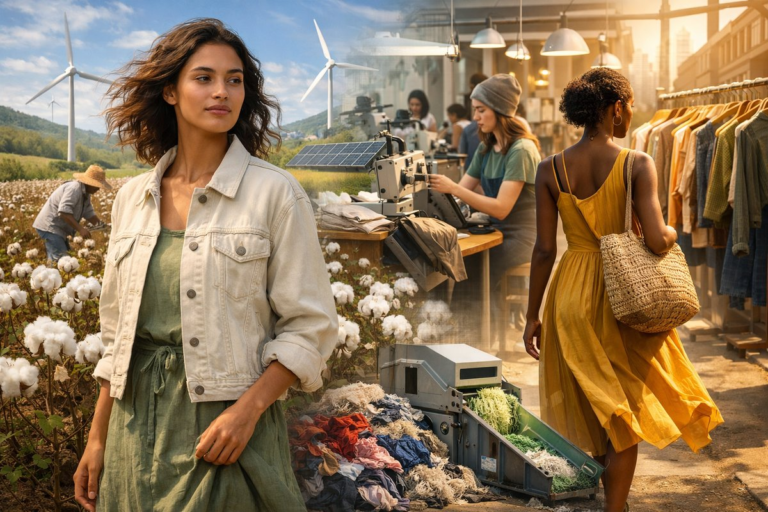
Another frontier lies in repurposed denim. Nearly 9 billion pairs of jeans are produced worldwide each year, and less than 20 percent are recycled once they reach the end of their first lifecycle. A growing number of ateliers are addressing this waste by reclaiming denim scraps from factories and post-consumer donations. These workshops shred old jeans into fibers, blend them with sustainable binders, and reweave them into new cloth. The textured finish retains that classic denim look, while reducing water usage by up to 80 percent compared to traditional production. Each handmade pair of upcycled jeans tells a layered story of resourcefulness and regeneration.
Accessories are getting a sustainable makeover too. At a recent eco-fashion showcase in Tokyo, designers unveiled statement jewelry created through desktop 3D printing using biodegradable polymer filaments. The pieces range from minimal geometric earrings to intricate chain-link necklaces inspired by coral reefs. By combining digital design files with on-demand production, these accessories eliminate large inventories and reduce shipping footprints. Shoppers can even download open-source patterns to customize shapes, colors, and sizes-turning each piece into a personal collaboration between designer and wearer.
Circularity extends beyond manufacturing. Clothing rental services and subscription closets are growing at double-digit rates, appealing to consumers who crave variety without the environmental toll of fast fashion. Members can borrow everything from tailored blazers to bridal gowns, returning items once they’ve celebrated a special event. These platforms rely on robust cleaning and repair operations, creating jobs while extending the useful life of each garment. The result is a fashion ecosystem that rewards care, not constant consumption.
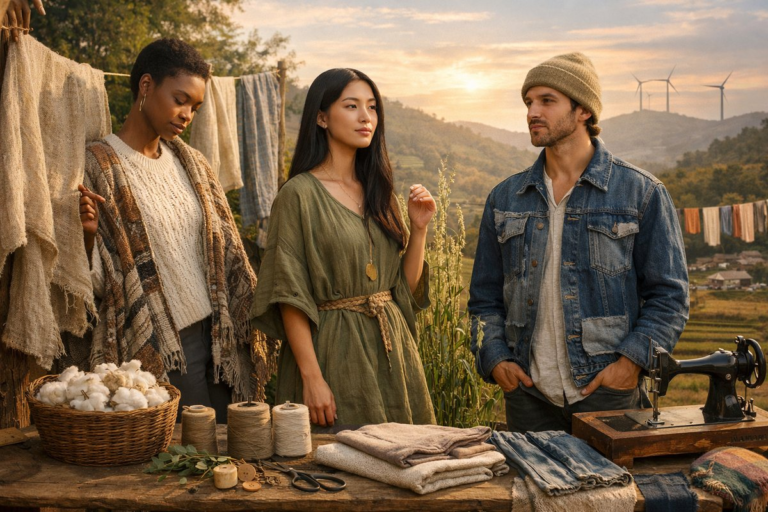
Local artisan networks also play a crucial role. In northern India, a collective of weavers has revived a centuries-old ikat dyeing technique, combining hand-spun organic cotton with vegetable pigments made from turmeric and onion skins. Their vibrant scarves and home textiles have found fans halfway across the world, thanks to e-commerce platforms that connect rural craftspeople with global markets. By preserving age-old skills and injecting them with modern design sensibilities, these partnerships foster cultural exchange and sustainable livelihoods.
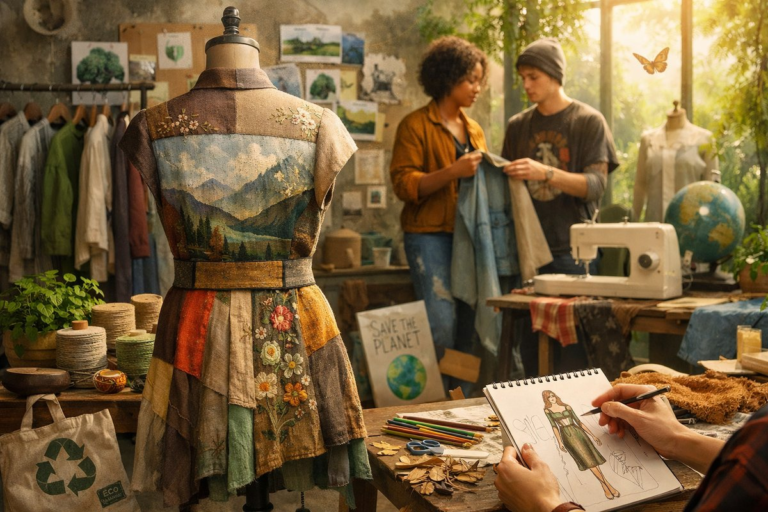
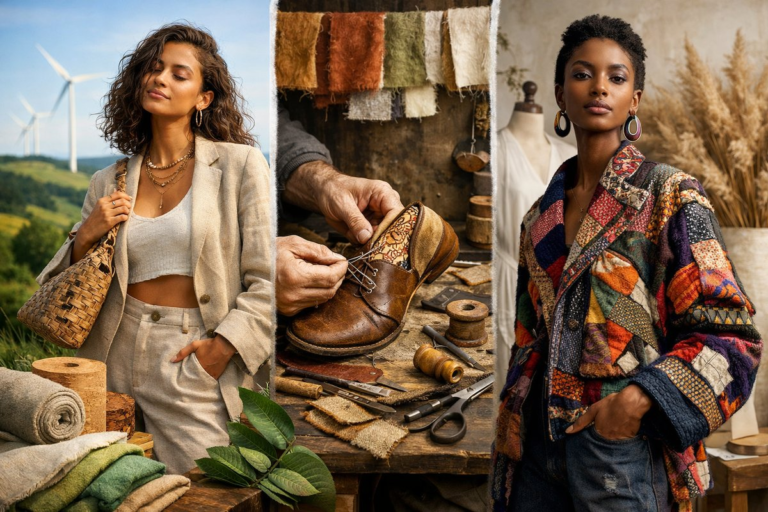
Consumers, for their part, are embracing hands-on approaches. DIY mending workshops and natural dye parties have become weekend rituals in many urban neighborhoods. Imagine bringing an old linen shirt to a community garden workshop, where you learn to create indigo vats from foraged plants, then dip and swirl fabric until it reveals unique patterns. Or attending a repair clinic where volunteers help stitch seams, replace buttons, and add patchwork details-transforming worn favorites into one-of-a-kind heirlooms. These experiences build skills, spark creativity, and reinforce a sense of ownership over what we wear.
Behind these developments lie shifting consumer values. A recent survey found that 67 percent of shoppers under 40 consider environmental impact a key factor in purchasing decisions, and 54 percent are willing to pay a premium for ethically produced garments. For many, clothing has become a form of self-expression, a way to signal alignment with causes like climate action, human rights, and local craftsmanship. Wearing a hemp-blend tee or a belt woven from recycled feed bags is more than a fashion choice; it becomes a statement about personal convictions.
While challenges remain-scaling traceability systems, addressing the carbon footprint of global shipping, and ensuring fair wages across supply chains-the momentum is clear. Major retailers are pledging to increase their use of certified sustainable materials, while independent labels are demonstrating that profitability and purpose can coexist. Tech companies are investing in biotech research for future fibers, from bacterial cellulose to spider silk analogues. At the same time, grassroots movements continue to celebrate thrifted finds, host swap meets, and lobby for extended producer responsibility regulations.
As this dynamic ecosystem continues to evolve, one thing is certain: fashion is not just about looking good. It has become a platform for storytelling, innovation, and meaningful connections. Whether you’re stitching patches on a pair of jeans, scanning a QR code to trace the origins of your new blouse, or experimenting with plant-based dyes in your kitchen, each choice contributes to a collective narrative about how we treat our planet and one another.
In the coming season, expect to see even bolder fusions of technology and tradition-3D-knitted sweaters that adapt to body temperature, modular garments designed for easy disassembly, and co-created capsule collections that tap into local artisan networks. More than ever, every piece of clothing carries a story waiting to be told. And for consumers who care about sustainability, those stories are just as important as the stitches that hold the seams together.
So the next time you stand before your wardrobe, consider not just what you wear, but why. Each garment becomes a chance to wear your values, support regenerative practices, and celebrate the rich tapestry of global craft. After all, in a world hungry for authenticity, the clothes we choose can speak volumes-long after the initial applause of a fashion show has faded.