Location
Mount Vernon, WA 98274

Location
Mount Vernon, WA 98274
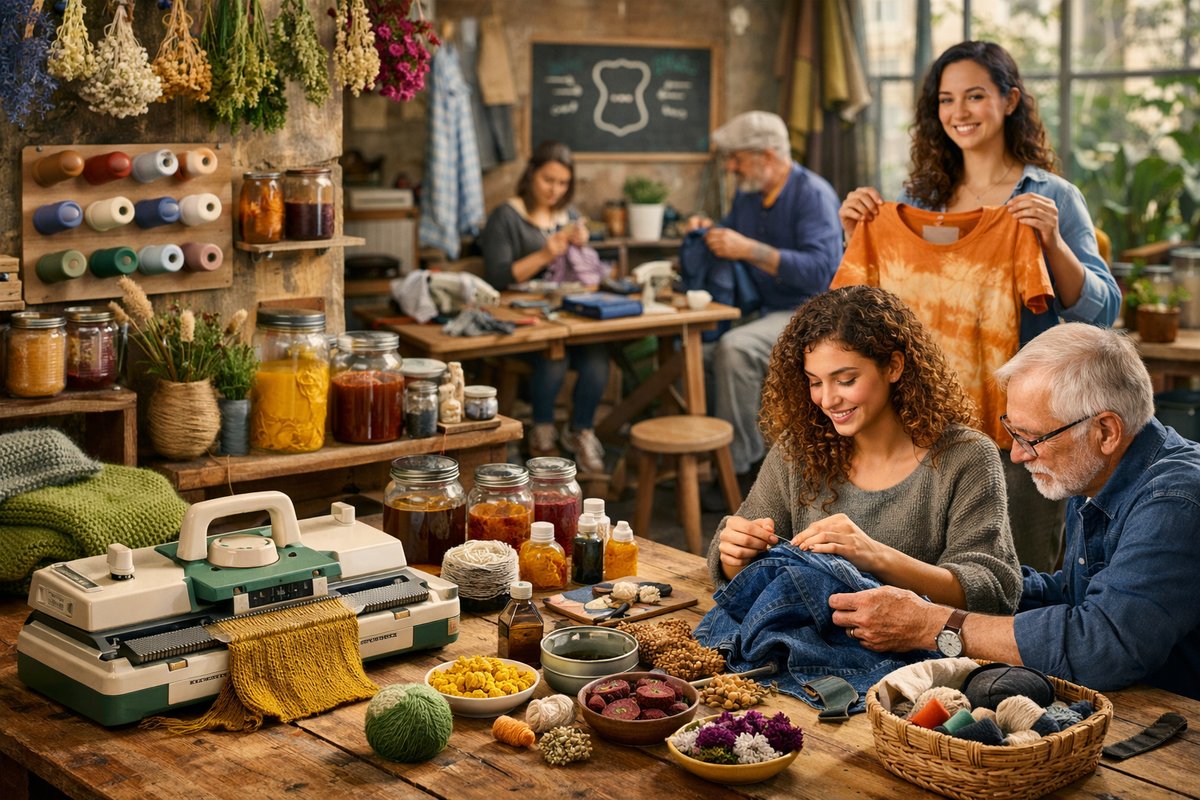
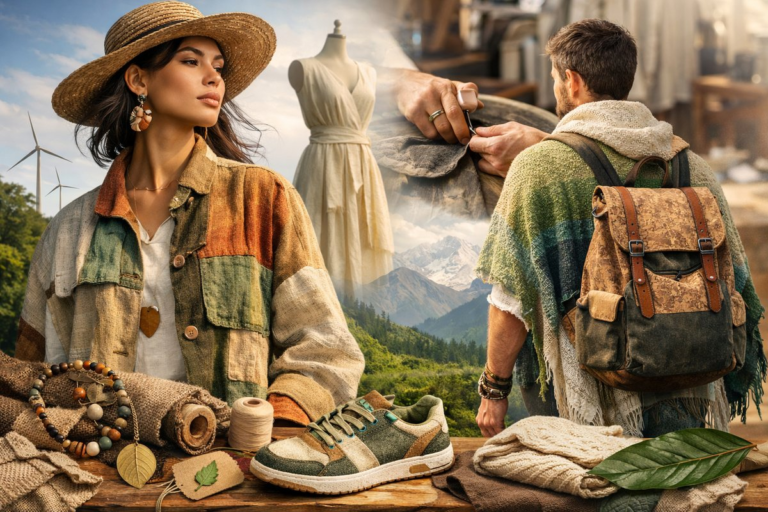
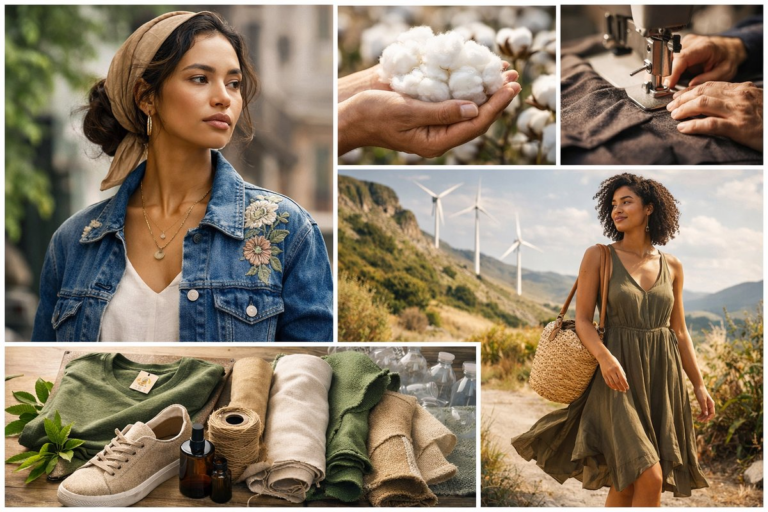
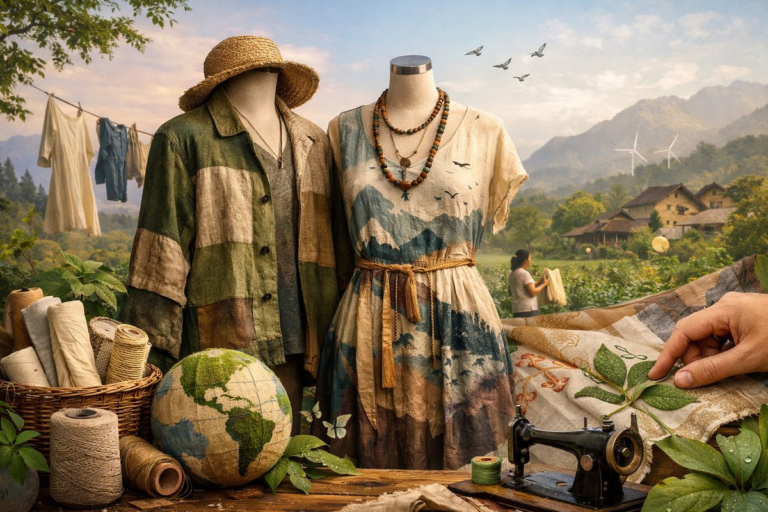
A wave of grassroots makers, open-source tools, and repair collectives is transforming wardrobes from fast-fashion closets into hubs of creativity and sustainability. From portable home knitting machines to plant-based dye kits and neighborhood mending cafés, this movement is weaving together technology, craftsmanship, and community values.
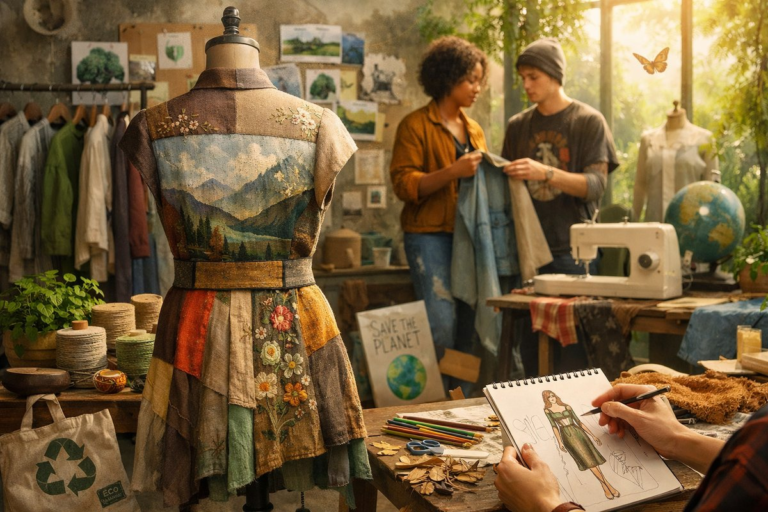
On a recent Saturday morning in a repurposed warehouse on the edge of town, a dozen enthusiasts gathered around a table strewn with yarn, fabric scraps, and glowing circuit boards. They weren’t there to buy discounted tees or audition retailer callbacks-instead, they were experimenting with a portable electric knitting machine, coding stitch patterns on a laptop, and swapping tips for integrating LED trim into a hand-knit scarf. This hybrid of tech lab and community studio marks a new frontier in sustainable fashion, one where consumers become creators and clothing production shifts from distant factories to local makerspaces.
The rise of compact, user-friendly digital knitting and weaving machines is unlocking a renaissance in slow fashion at home. Once confined to industrial floors or specialist studios, computerized knitting tools now retail for under two hundred dollars and connect to open-source pattern libraries online. Users can download a sweater design file, tweak it to their measurements, and produce custom accessories within hours. By eliminating mass production and shipping, these on-demand systems cut carbon footprints and champion a repair-first mindset: a dropped stitch becomes an opportunity to learn new skills instead of discarding a damaged garment.
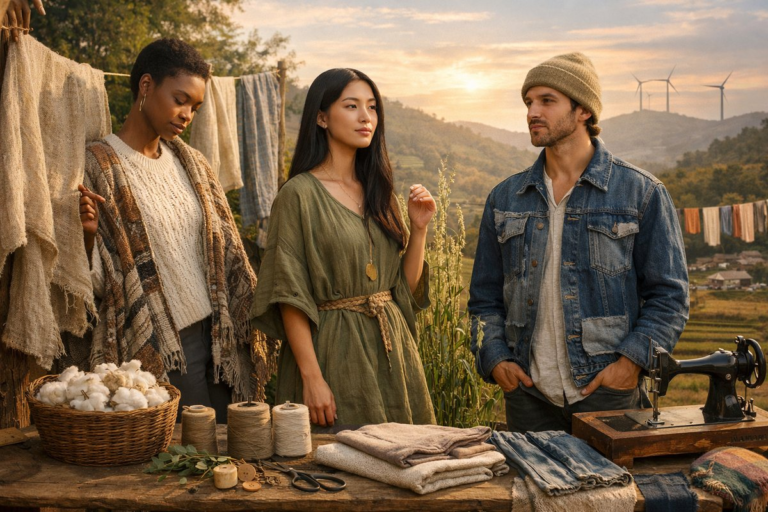
Color theory is also getting democratized. Traditional textile mills rely on chemical dyes that often involve water pollution and energy-intensive processes. In neighborhood dye gatherings-hosted in community centers, private backyards, or local libraries-attendees experiment with plant-based dye kits containing fiber-reactive pigments extracted from avocado pits, onion skins, or indigo leaves. Instructions guide users through natural mordanting techniques, achieving deep, lasting hues without harmful byproducts. Beyond the environmental gains, this hands-on approach reconnects people to the lifecycle of garments, turning a simple T-shirt into a living canvas of local botanicals.
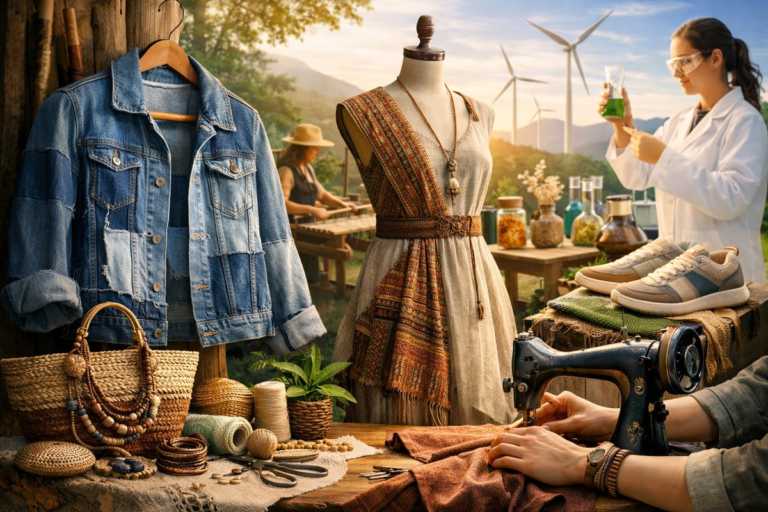
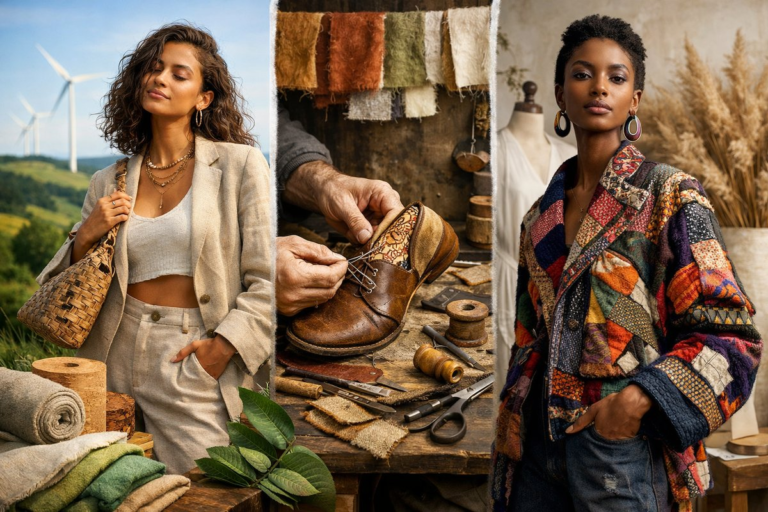
Meanwhile, repair cafés and mending circles have sprouted across dozens of cities. Armed with needles, patches, and antique sewing machines, volunteers help neighbors patch holes, replace zippers, and restyle worn denim into new silhouettes. These gatherings blend skill sharing with social bonding: newcomers learn basic stitching, while seasoned sewists exchange tips on invisible hems and creative embellishments. In the process, clothing lifespans extend, textile waste shrinks, and communal ties deepen.
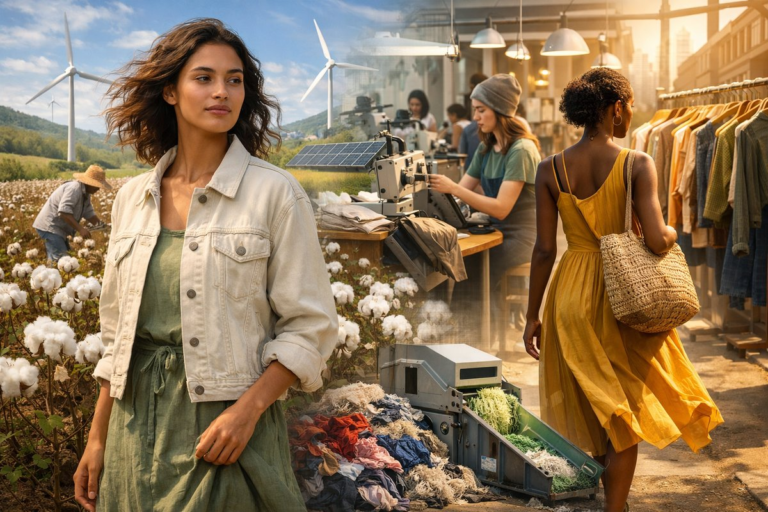
Swapping and upcycling platforms are adding a digital layer to the circular economy. Mobile apps and local meetup groups facilitate clothing exchanges, allowing someone to trade a barely-worn jacket for a pair of boots in a different size. Hyper-local online boards reduce transit needs, and pop-up swap events repurpose vacant storefronts into mini marketplaces. This peer-to-peer model fosters trust and transforms wardrobes into revolving collections, where each garment finds new stories instead of languishing in dark closets or landfills.
On the material innovation front, small-batch biotech startups are partnering with DIY communities. They ship cellulosic textile precursors and enzyme activators to home labs, enabling makers to spin lab-cultivated fibers that mimic silk or wool. While these processes remain niche and require safety protocols, they hint at a future where high-performance fabrics evolve beyond petrochemicals or factory farming. Enthusiasts share protocols on collaborative wikis, iterating on recipes that reduce resource input and broaden color palettes-democratizing not just design but raw material creation.
Data-driven wardrobe apps are emerging to help individuals track their garment’s full lifecycle. By scanning QR codes or NFC tags embedded in labels, users access information on fiber origin, production ethics, and environmental impact. Some platforms even gamify mindful consumption, awarding badges for mending, upcycling, or swapping items. This transparent ledger approach nudges consumers toward more sustainable behaviors and pressures brands to maintain rigorous supply chain accountability.
The intersection of craft, technology, and community has also spurred a range of pop-up workshops. From holographic projections that demonstrate sustainable dye chemistry to live-coding sessions that generate unique knit graphics, these events merge art and activism. Participants leave not just with a finished project but with a deeper understanding of how each stitch, each pigment choice, and each repair decision influences the planet and the people involved.
New business models are sprouting alongside these grassroots movements. Cooperative coworking studios offer shared access to industrial-grade sergers, laser cutters, and 3D printers for fabric prototyping. Members pay sliding-scale fees in exchange for mentorship and shelf space in collective storefronts. This low-barrier ecosystem empowers small designers to launch limited-edition lines without venturing into debt or relying on large-scale funding-aligning economic sustainability with environmental stewardship.
For many, integrating these DIY practices into daily life starts with simple tools. A compact sewing repair kit with colorful threads can transform a tear into a design feature. A set of zero-waste laundry detergent strips helps maintain fabric integrity and sidestep plastic jugs. Even installing a folding drying rack in a living room window harnesses sunlight to refresh clothes without a dryer. These incremental changes ripple outward, reinforcing a culture that values longevity, craftsmanship, and mindful consumption.
Launching your own journey into sustainable DIY fashion can begin with online tutorials, local maker collectives, or introductory workshops at community centers. Start small: pick up a natural dye bundle, practice simple patchwork on thrifted shirts, or attend a weekend session on digital knitting. Each experiment builds confidence and connects you to a network of fellow makers who share resources and celebrate creative problem-solving.
By merging open-source technology, age-old handicrafts, and collaborative economies, this new wave of fashion empowers individuals to redefine style on their terms. No longer passive consumers of mass-produced garments, people are becoming co-authors of their wardrobes-stitching together personal expression, environmental ethics, and communal values. In the process, they’re weaving a blueprint for a more resilient, transparent, and joyful approach to what we wear next.