Location
Mount Vernon, WA 98274

Location
Mount Vernon, WA 98274
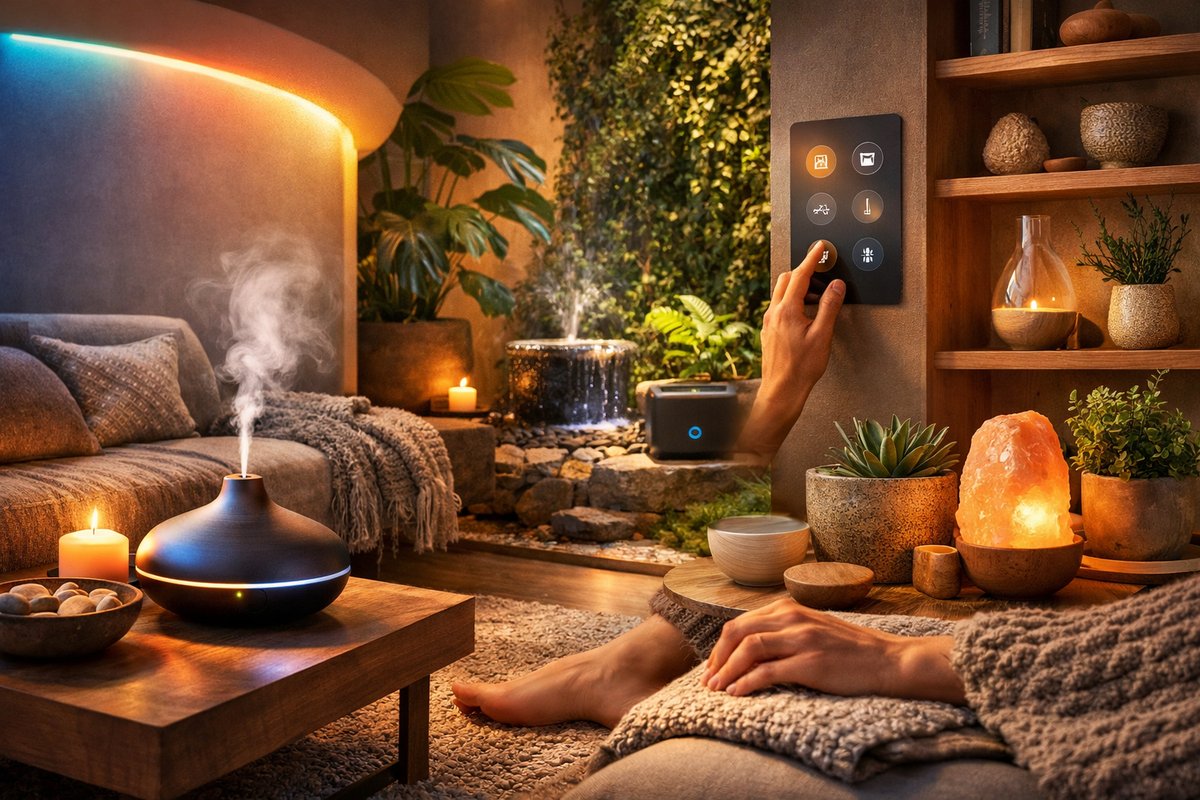
A wave of multi-sensory design is reshaping modern living, merging technology with tactile comfort and eco-conscious materials. From color-tunable lighting to scent delivery systems, homeowners are crafting intentional sanctuaries that nurture well-being and reduce environmental impact.
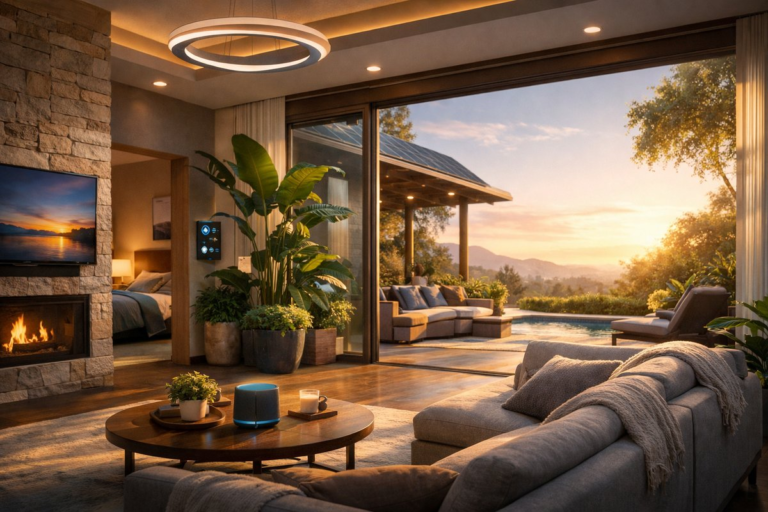
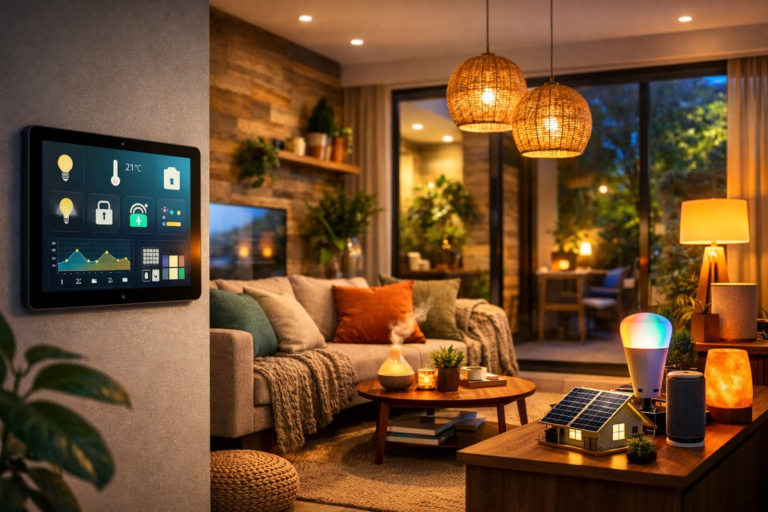
Urban apartments and suburban houses alike are undergoing a transformation. No longer are white walls and static furnishings enough to satisfy today’s homeowner. Instead, a new wave of multi-sensory smart home design puts intentional comfort, environmental consciousness, and subtle automation at the center of interior planning. By layering color-tunable lighting, temperature-responsive textiles, scent diffusers, and intuitive controls, residents are creating adaptable spaces that respond to mood, activity, and even air quality.
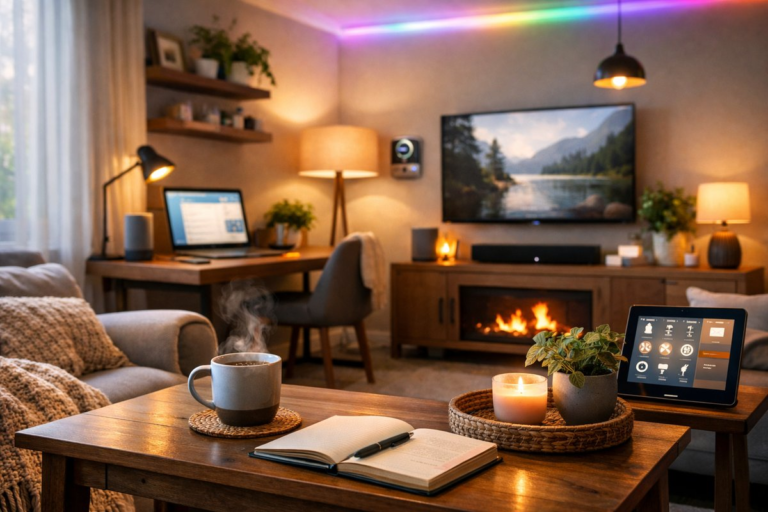
According to a recent report from a leading lighting association, more than 70 percent of homeowners plan to upgrade to color-changing LED bulbs in the coming year. This shift isn’t merely aesthetic. Studies show that shifting color temperatures throughout the day-cool blue hues in the morning and warm amber tones in the evening-can help regulate circadian rhythms, boost productivity, and promote deeper rest. As a result, smart bulbs with customizable scenes and scheduling functions have become a staple in home offices and bedrooms alike.
But lighting is only one layer of the sensory puzzle. Textured fabrics and weighted blankets have surged in popularity among individuals seeking tactile reassurance. A nationwide consumer survey found that purchases of weighted throws have increased by over 50 percent year-over-year, driven by a growing emphasis on stress reduction and mindful relaxation. These blankets, often filled with glass beads or natural grains, apply gentle pressure across the body, simulating the sensation of a comforting hug and triggering the release of serotonin.
“People are craving deeper sensory connections,” says an interior design consultant who specializes in wellness-oriented spaces. “In our fast-paced, screen-dominated lives, we underestimate the role of touch, scent, and light in shaping mood and health. By designing with intention, we can create homes that support mental resilience.”
Aromatherapy diffusers are another element gaining traction. Many models now integrate with smart home hubs, allowing scent profiles to adjust automatically based on time of day or detected activity. Imagine entering your living room after a busy afternoon to find the diffuser emitting subtle lavender notes, while the lights shift to a calming purple glow and a comfortable throw blanket beckons from the sofa. This seamless choreography of senses can transform a simple evening at home into a restorative ritual.
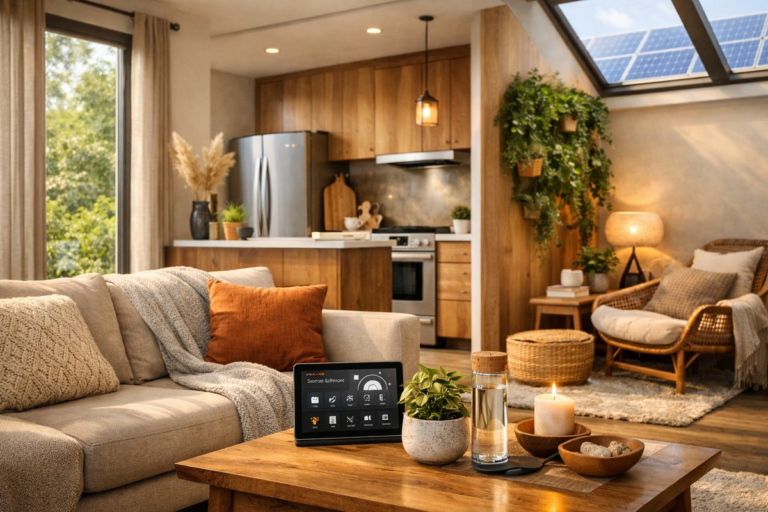
Sustainability remains equally central in today’s home updates. Eco-friendly paints with low or zero volatile organic compounds (VOCs) are replacing conventional wall colors, reducing indoor air pollution and potential health risks. Engineered wood flooring made from reclaimed lumber offers the aesthetic warmth of natural materials without contributing to deforestation. Even décor accessories are going green, with planters crafted from recycled plastics and lampshades woven from renewable fibers.
A recent showcase at an international consumer electronics fair highlighted modular wall panels made from cork and recycled glass. These panels function not only as sound absorbers-perfect for busy households or at-home offices-but also incorporate embedded LED strips and hidden cable channels for a clean, integrated look. They signal a move toward surfaces that serve both emotional and practical needs.
Home automation continues to evolve beyond simple voice commands. Motion-activated climate controls, door sensors that adjust temperature settings when an occupant enters or leaves, and occupancy-aware lighting systems are all entering the mainstream. One pilot study in a multi-unit housing complex reported energy savings of up to 25 percent after installing smart thermostats and automated window shades that close at peak sunlight hours. These systems deliver comfort, convenience, and reduced utility bills-a powerful trifecta.
Yet this trend isn’t confined to gadgets. Artisans are responding with handmade ceramics, woven baskets, and textured wall art that invite touch and add character. Local makers’ markets have reported an uptick in sales of handcrafted rugs and textile wall hangings, reflecting a hunger for one-of-a-kind pieces in an era of mass production. Small batch production aligns with the broader ethos of sustainability and supports local economies.
In kitchens, the smart aesthetic meets culinary craft. Voice-activated faucets, Wi-Fi-enabled sous-vide circulators, and programmable coffee makers offer months of fine control and automated routines, freeing time for creative cooking or leisurely brunch prep. At the same time, countertop compost bins with carbon filters are selling out, as eco-minded cooks look to divert food scraps and nourish houseplants or gardens instead of sending waste to the landfill.
As spring approaches, homeowners are also integrating outdoor spaces into the multi-sensory paradigm. Solar-powered motion lights, weather-resistant smart speakers, and programmable misting systems turn patios into extensions of indoor sanctuaries. Planters equipped with self-watering sensors help novice gardeners maintain vibrant greenery, while strategically placed wind chimes and scented herbs introduce natural soundscapes and aromas.
The bottom line: intentional home design is no longer a niche. It has become an accessible combination of off-the-shelf smart devices, thoughtfully sourced materials, and hands-on craftsmanship. Whether you’re a busy professional seeking stress relief or a family looking to streamline daily routines, the multi-sensory smart home offers a path to greater comfort, wellbeing, and sustainability.
In a time when many of us spend more hours indoors, our living spaces have a profound impact on health and happiness. By embracing innovations in lighting, scent, texture, and automation-while anchoring choices in eco-friendly practices-today’s homeowners are forging environments that feel intentional from the floorboards to the ceiling. This holistic approach to home living signals a major shift in how we define comfort: it’s no longer just about a cozy armchair or a plush rug, but about designing every detail to nourish the senses and the planet.