Location
Mount Vernon, WA 98274

Location
Mount Vernon, WA 98274
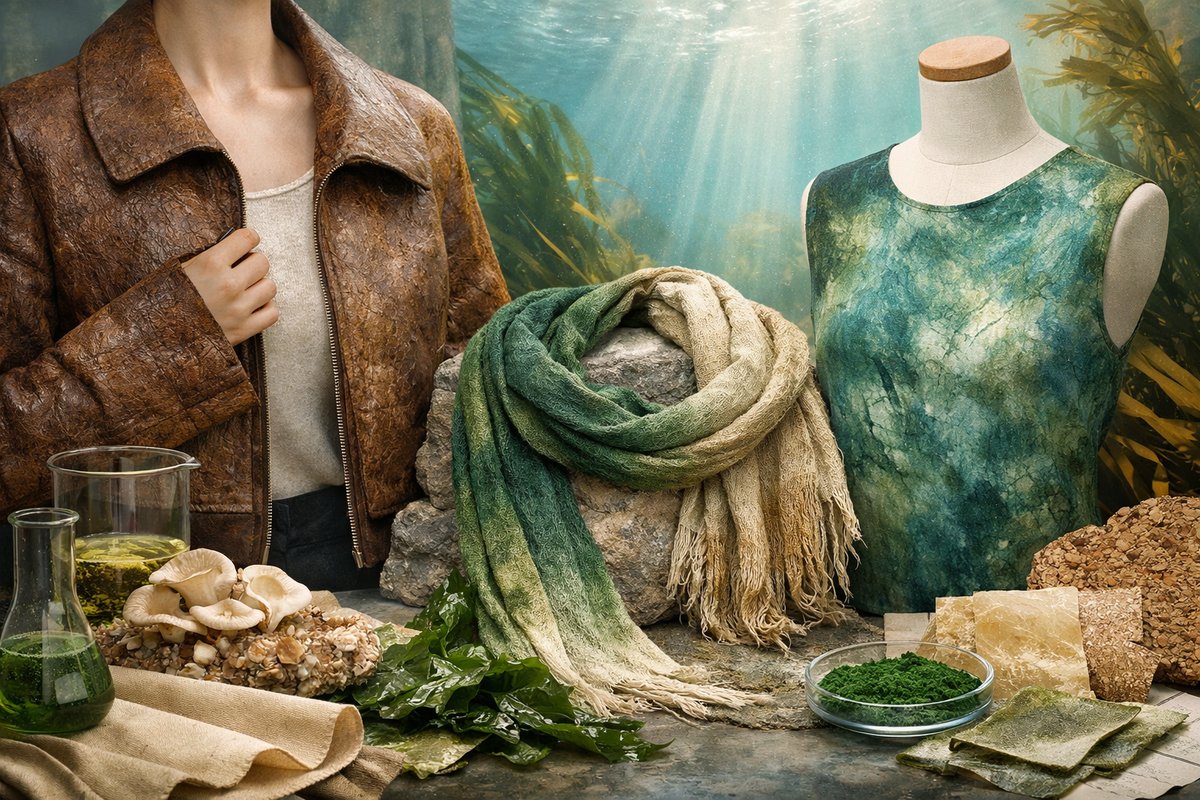
A wave of bioengineered fabrics is reshaping how we dress-turning ocean blooms, fungal networks and algae pigments into wearable art. From mycelium-derived leather alternatives to seaweed fiber scarves, designers and researchers are forging a circular path that blends style with ecological responsibility.
The fashion industry is entering a new era where biology and design intersect, and the results are as unexpected as they are inspiring. As pressure mounts to decarbonize production and slash textile waste, a handful of innovators are turning to living organisms as the source of tomorrow’s fabrics. This movement, part biotech revolution and part creative experiment, is more than a fleeting trend-it’s a full-scale rethink of what ”clothing” can be.
At the heart of this evolution is mycelium leather: a pliable, cruelty-free alternative grown from the root networks of mushrooms. In controlled lab conditions, strands of fungal mycelium are guided through stacked layers to form sheets that mimic the grain and texture of traditional leather. The outcome is lightweight, breathable and fully biodegradable. Designers who’ve sampled prototype jackets report that the material softens with wear, developing a subtle patina without the environmental toll of tanning chemicals. Next season’s fashion festivals are already showcasing mycelium blazers and tote bags, signaling that fungal fashion is moving beyond the lab bench.
Not far behind is seaweed fiber, a textile spun from sustainably harvested ocean biomass. Researchers have extracted long chains of alginate and cellulose from kelp and red seaweed, then blended them into yarns that drape like silk and breathe like linen. Early adopters have introduced scarves and summer tops in muted greens and blues-colors drawn directly from the pigments in the algae itself. Producers emphasize that seaweed farms can help restore marine ecosystems by filtering water, capturing carbon and providing habitat for fish, all while delivering a new crop for textile mills.
Color innovation has its own biological toolkit. Traditional dyes often rely on toxic chemicals and heavy metal mordants, but microalgae pigments offer a nontoxic, closed-loop alternative. Tiny ponds of green algae produce carotenoids and chlorophyll that, once extracted, yield a spectrum from sunflower yellow to forest green. Experimental dyers have treated organic cotton and hemp fabrics in vats powered by solar panels, weaving pigment recovery systems back into the process so no dye is lost to waste streams. The result is a wardrobe that looks vivid without leaving a chemical footprint on rivers.
Meanwhile, the reinvention of discarded plastics continues in parallel. Advanced chemical recycling plants can break down post-consumer bottles into their molecular building blocks, then repolymerize them into new fibers that rival virgin polyester for durability and moisture wicking. Brands are weaving those recycled yarns into performance outerwear and athleisure lines, often blended with natural fibers to soften the hand feel. This synthesis of materials demonstrates that the future of fabric may be hybrid-part biology, part reclaimed chemistry.
On the digital side, artificial intelligence is playing matchmaker between body shape and pattern design. AI-driven platforms use consumer measurements to generate zero-waste cutting patterns that nest perfectly on a fabric roll or sheet of biotextile. Not only does this minimize offcuts, it even allows small-batch creators to tailor pieces to individual customers, fostering a direct-to-consumer model that cuts out overproduction. Some startups pair these digital tools with local microfactories, meaning your next biofabric shirt could be crafted down the street rather than halfway around the globe.
Circularity isn’t limited to materials. New rental and resale platforms are specializing in biofabric garments, recognizing that these delicate, specialty textiles deserve a second and third life. Garment-as-service models allow subscribers to rotate through fungal leather jackets, seaweed fiber scarves and algae-dyed dresses, returning items for cleaning and minor repairs before the next wearer steps in. This shared-wardrobe approach not only extends the lifespan of each piece but also collects valuable data on wear patterns and fabric resilience, feeding back into research on more robust bio-materials.
Consumer sentiment is shifting accordingly. Recent surveys show that a majority of young adults say they would pay a premium for garments made from regenerated or lab-grown textiles-provided transparency around sourcing and end-of-life disposal is clear. That demand is nudging established labels to pilot small biofabric collections alongside their seasonal drops. While price points remain higher than mass-market fare, many shoppers see the investment as aligning wardrobe choices with deeper values around sustainability and ethical production.
Regulation is also coming into play. Lawmakers in several regions are proposing extended producer responsibility mandates for textiles, requiring brands to take back and recycle worn-out garments. At the same time, new eco-design standards seek to limit the use of hazardous dyes and microplastics. Bioengineered fabrics, by virtue of their biodegradability and reduced chemical inputs, may soon qualify for green certifications that unlock tariff breaks and marketing advantages in export markets.
Beyond the lab, biofabric storytelling has found its way onto the runway. At recent fashion showcases, models walked in dresses that gleamed with living algae pigments or sported shirts quilted from patchwork mycelium leathers in muted earth tones. Retail pop-ups in urban centers have featured interactive displays where visitors could touch raw fungal mats, see live seaweed cultures and even compare color swatches of algae dye next to conventional swatches. By engaging all the senses, these experiences invite consumers to connect more deeply with the origins of their clothes.
Scaling remains a persistent challenge. Mycelium bioreactors need finely tuned environmental controls, seaweed fiber production depends on coastal permits, and microalgae ponds require reliable sunlight and water management. All carry capital-intensive start-up costs. Yet venture capital flows into sustainable fashion tech have more than doubled over the past two years, and partnerships between universities, textile mills and design houses aim to build the infrastructure for mass adoption.
At the grassroots, makers and hobbyists are exploring home-scale biotextile experiments. DIY kits for growing small sheets of fungal leather or spinning seaweed fibers are gaining traction among craft communities. Social media channels buzz with videos showing how to mix fungal spores into a nutrient gel or harvest algae blooms from backyard ponds. While these homemade garments won’t meet commercial quality standards, they offer an empowering glimpse at how everyday people can participate in the biodesign movement.
Collaboration is emerging as the secret ingredient. Biologists, textile engineers, chemists and fashion designers are convening in shared lab studios to prototype materials, exchange data and translate scientific insights into wearable forms. Conferences dedicated to ”living materials” now sit alongside traditional textile fairs, and open-source repositories host recipes for biofabric recipes under creative commons licenses. This cross-disciplinary exchange accelerates innovation and reduces duplication of effort.
The path forward invites every wardrobe to become a living ledger of values. While mass-market adoption will require cost breakthroughs and scaling solutions, early adopters are already embracing garments that carry the story of ocean restoration, fungal growth cycles and closed-loop pigment extraction. As these fabrics weave into our closets, they remind us that style need not cost the Earth-and that the next chapter of fashion may unfold not on a runway, but in a petri dish.
Whether you’re curious about a mycelium bomber jacket or a scarf spun from seaweed fibers, the biofabric revolution offers a promise: a closer relationship to the living world of materials, where each weave and dye bath sparks both wonder and stewardship. Get ready to wear your values-and to discover how living matter can reshape the way we dress, dream and define beauty.