Location
Mount Vernon, WA 98274

Location
Mount Vernon, WA 98274
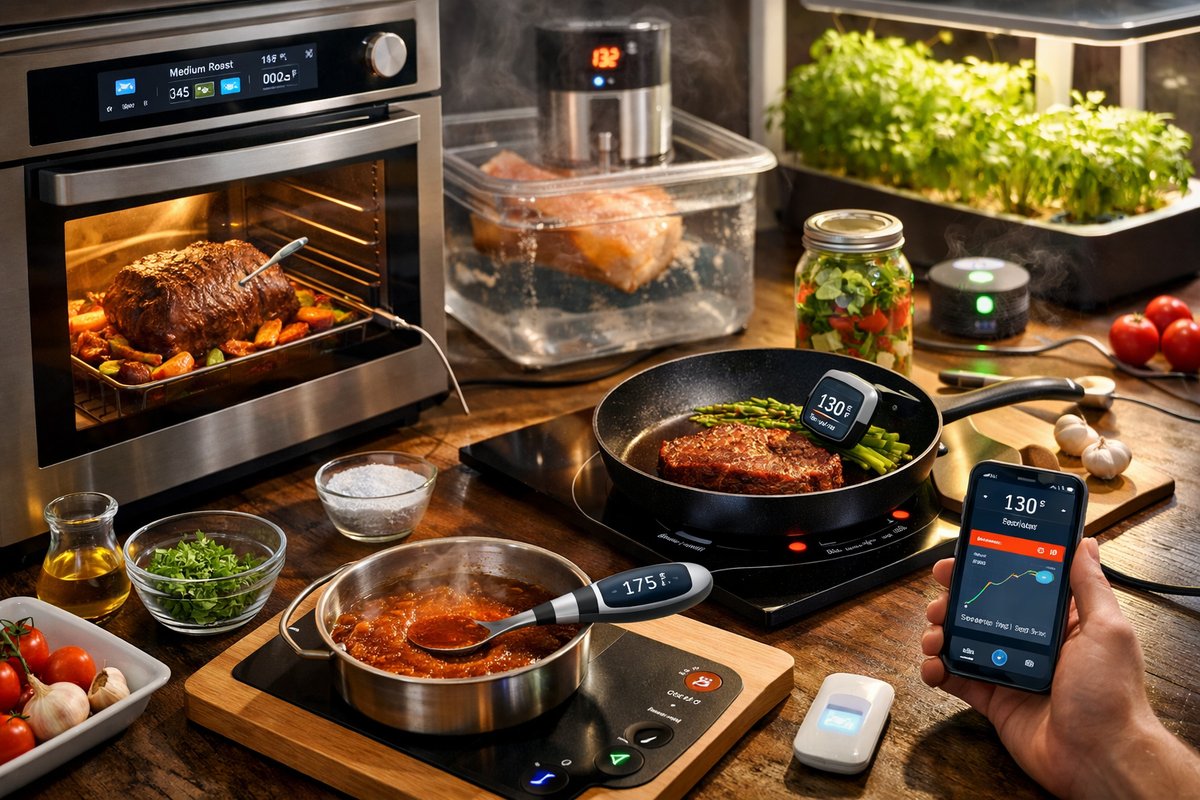
From ovens that learn your favorite roast profile to sensor-laden utensils that track temperature in real time, a new generation of cooking tools is transforming home kitchens into data-driven laboratories. Dive into how these innovations are redefining flavor, convenience, and sustainability for curious cooks everywhere.
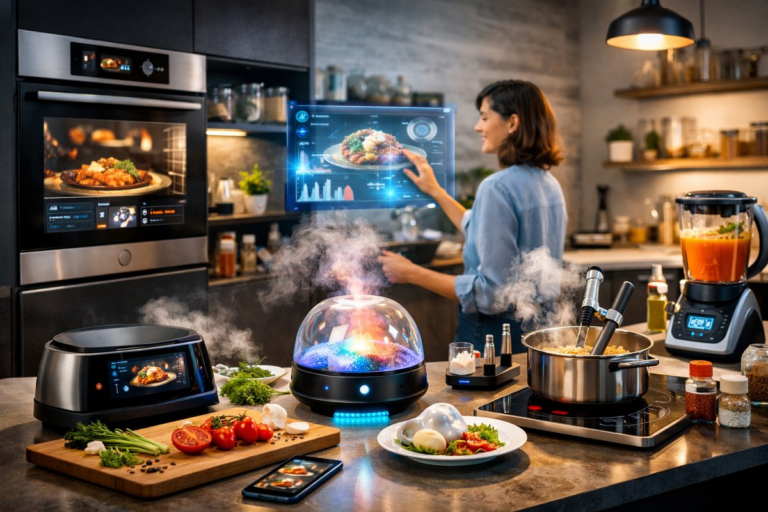
The familiar hum of a refrigerator and the hiss of a gas burner are being joined by gentle beeps, soft chimes and predictive alerts from a growing roster of smart kitchen appliances. What was once the realm of high-end restaurants and tech labs is now trickling into everyday homes. This surge of innovation is reshaping not only how we cook, but how we learn recipes, manage waste and even cultivate ingredients. Whether you’re seasoning a steak or nurturing a sourdough starter, digital tools are lending a helping hand-and an impressive dose of data.
At the heart of this transformation is the quest for greater precision. Traditional cooking methods rely on intuition, timing and a seasoned sense of smell. By contrast, sensor-enabled devices capture temperature, humidity and even volatile aroma compounds, feeding that information into companion apps and machine-learning engines. The result? Minutes of guesswork replaced by step-by-step guidance, dynamic adjustments in real time and a trail of analytics you can review long after dinner is over.
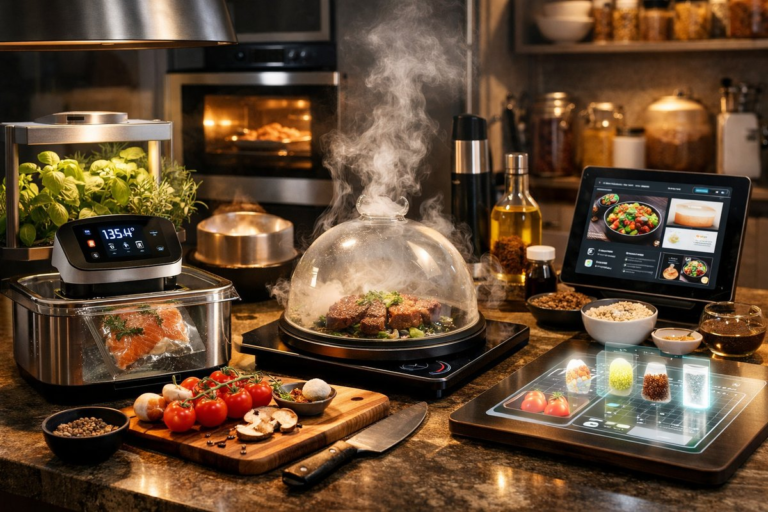
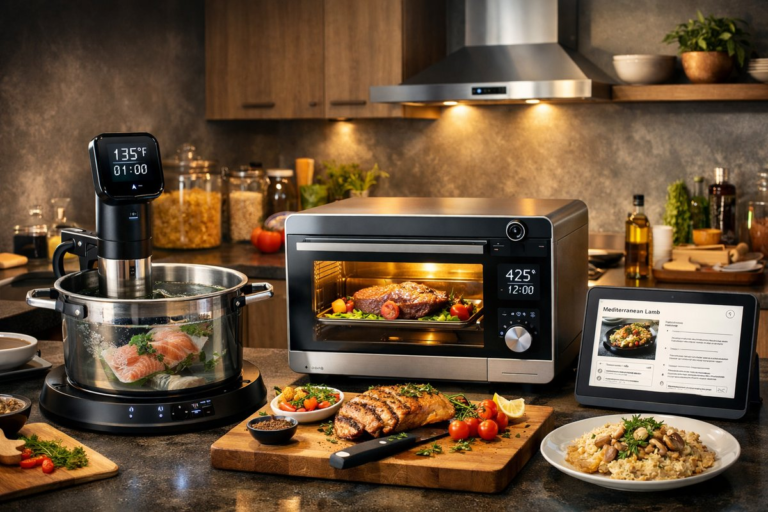
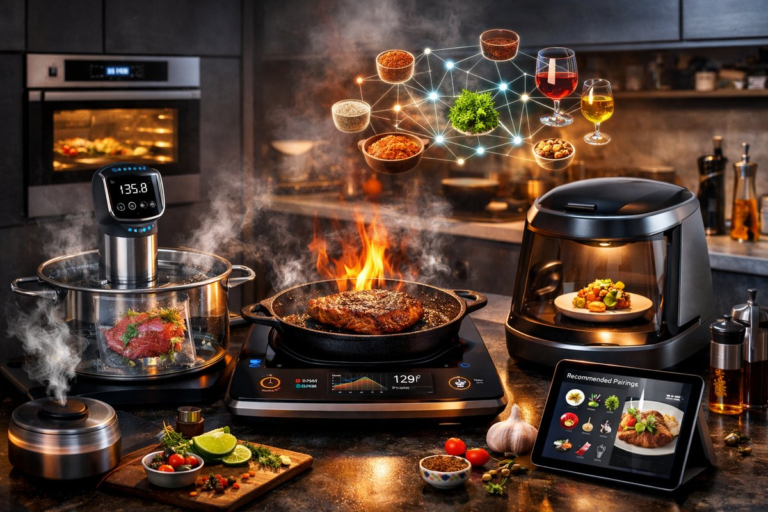
Take the rise of immersion circulators, once a specialty gadget for chefs seeking perfect sous-vide textures. Today, app-controlled circulators maintain water baths within a fraction of a degree, while smartphone alerts notify you when your protein reaches the precise doneness you prefer. Advanced models even allow you to stagger multiple timers and link them to custom cook profiles shared by an online community of home cooks. No more overcooked salmon or underdone vegetables-each bite is calibrated for consistency.
But sous-vide is just the beginning. Smart ovens equipped with internal cameras now scan roast surfaces and assess browning, automatically adjusting heat curves to avoid burnt edges. Meanwhile, induction cooktops communicate with compatible cookware to optimize power delivery based on pan size and recipe stage. When you flip a steak, the cooktop responds to weight changes under the pan, maintaining a steady sear and cutting down on flare-ups. This level of interactive control lets you step away for a moment, confident that the technology will keep everything on track.
Even humble kitchen scales are getting upgrades. No longer confined to simple weight measurements, digital scales now pair with nutritional databases, calculate macro-nutrient breakdowns and sync meal logs to fitness apps. One integrated scale can tally grams of flour in a bread dough, then compute the expected rise time based on hydration ratios. Combined with app-based fermentation timers, sourdough enthusiasts can track pH curves and ambient temperature swings, ensuring a crusty loaf every time.
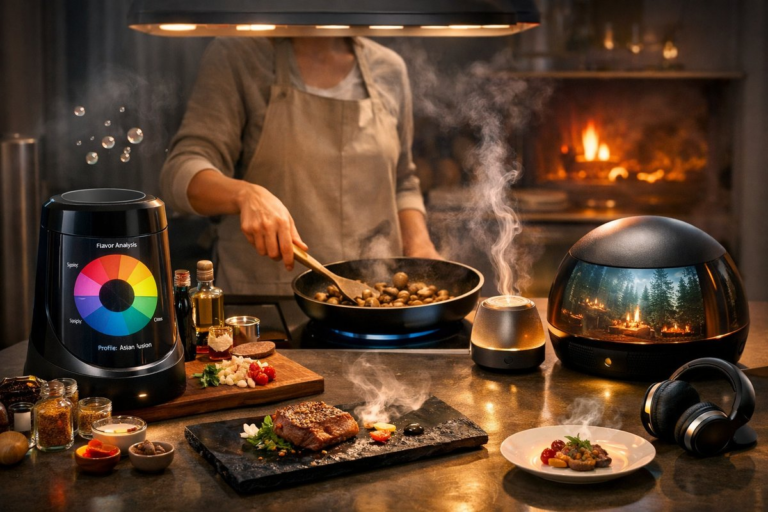
Utensils themselves are going high-tech. Temperature-sensing spatulas and meat probes bridge the gap between pot and screen, feeding roast and sauce data to a central hub. Imagine stirring a stew while a discreet wireless thermometer tracks its simmer and buzzes when the perfect stew-to-safety ratio is reached. Chef-grade knives are even embedding pressure sensors in the handle, offering haptic feedback on chopping speed, angle and consistency-tools that are as much teaching aids as they are cooking implements.
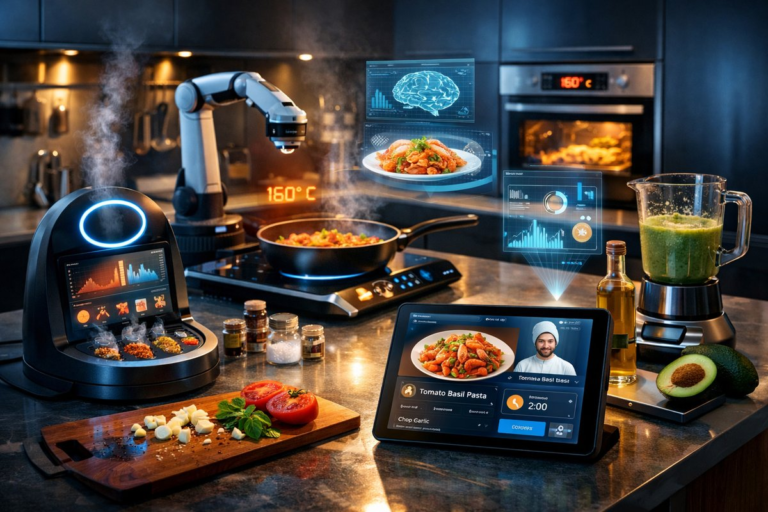
Robots are also elbowing their way into the kitchen. Countertop appliances with built-in grinders, mixers and steamer compartments are learning sequential recipes stored in cloud libraries. You load ingredients, tap a screen to select a dish and watch as the machine measures, chops and stirs through every stage. Though these units have historically been pitched for meal prep services and test kitchens, streamlined consumer versions are now promising to prepare grains, vegetables and proteins with minimal supervision.
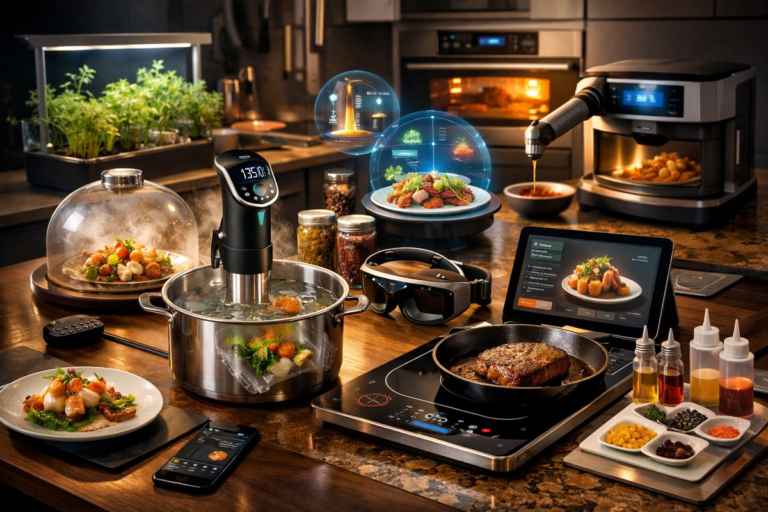
Augmented-reality recipe guides round out the ecosystem, projecting step-by-step instructions onto your work surface. Overlayed graphics show you precisely where to slice, how to angle a whisk and even when to adjust flame height. AI-driven vision systems can recognize ingredient weights and textures, offering corrective tips if your dough looks too dry or sauce too thin. This blend of holographic coaching and hands-free progress tracking is giving home chefs a crash course in technique, without booking a single live class.
But all this data collection raises legitimate questions about privacy and sustainability. Many devices upload usage details to cloud servers, where algorithms refine cook profiles and share anonymized insights with manufacturers. Forward-thinking companies are responding with on-device processing options, end-to-end encryption and clear opt-in controls for data sharing. At the same time, eco-minded cooks are asking how these gadgets fit into zero-waste kitchens. Modular designs, repairable parts and recyclable materials are becoming selling points, ensuring that today’s smart whisk won’t end up in a landfill tomorrow.
One of the most promising developments is the integration of indoor gardening systems with kitchen appliances. Compact LED hydroponic towers let you harvest fresh herbs, microgreens and edible flowers within weeks. And because these modules share environmental data with your range hood and ventilation system, you can optimize humidity and air circulation for both cooking and cultivation. Imagine snipping basil from your in-kitchen garden to finish a soup, all while the ventilation system adapts to keep aromas from triggering smoke alarms.
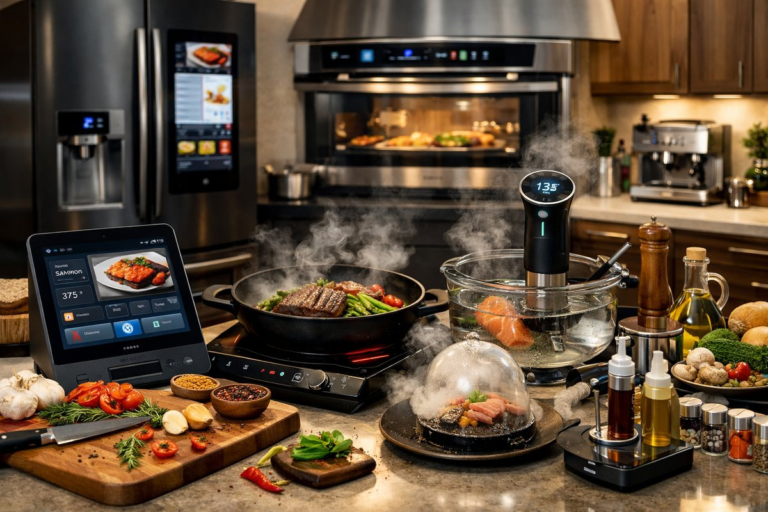
Data-driven refrigeration adds another layer. Smart fridges equipped with weight sensors and internal cameras can alert you when staple items run low, suggest recipes based on what’s on the shelves and even manage expiration dates. If that half-jar of pesto is nearing its best-by date, the fridge might recommend a quick pasta dinner or a batch of pesto-swirled ice cream-yes, that’s a real viral recipe. By reducing food waste and streamlining meal planning, these technologies are pushing home kitchens toward a more sustainable future.
And yet, for all the digital wizardry, the essence of cooking remains human. The aroma of garlic sizzling in olive oil, the patina on a cast-iron skillet, the sight of a bubbling caramel-all these sensory memories anchor us in traditions passed down through generations. What today’s innovations deliver is the confidence to experiment, the assurance of repeatable results and the freedom to focus on creativity instead of timing. In other words, they amplify our innate culinary curiosity rather than replace it.
Whether you’re a novice looking to perfect your first risotto or a seasoned home cook chasing the next flavor frontier, the kitchen of tomorrow is already here. It’s one where ovens learn your roast preferences, spatulas whisper internal temperatures, and AR guides coach you through knife skills. The only limit is the next recipe you dare to try.
So plug in that induction cooktop, fire up the immersion circulator and let the sensors do the heavy lifting. Because in the evolving landscape of home cooking, every byte of data translates into a flavorful adventure.