Location
Mount Vernon, WA 98274

Location
Mount Vernon, WA 98274
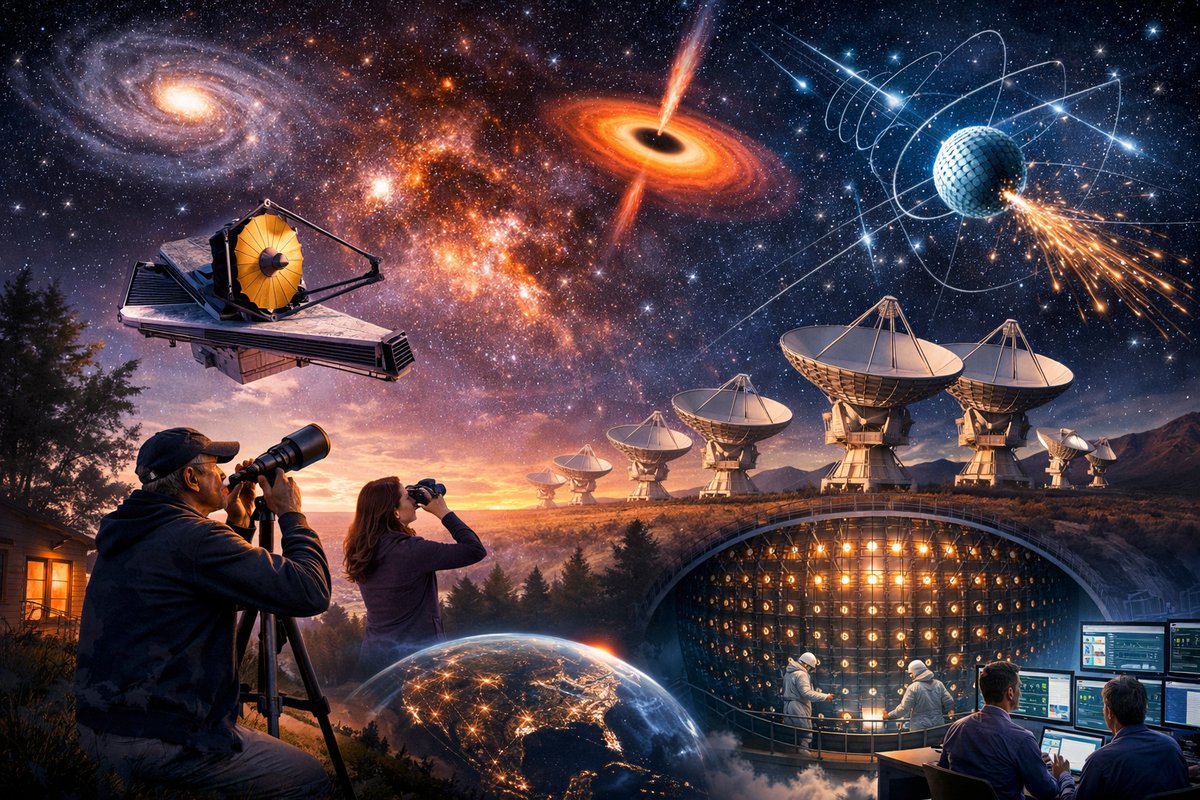
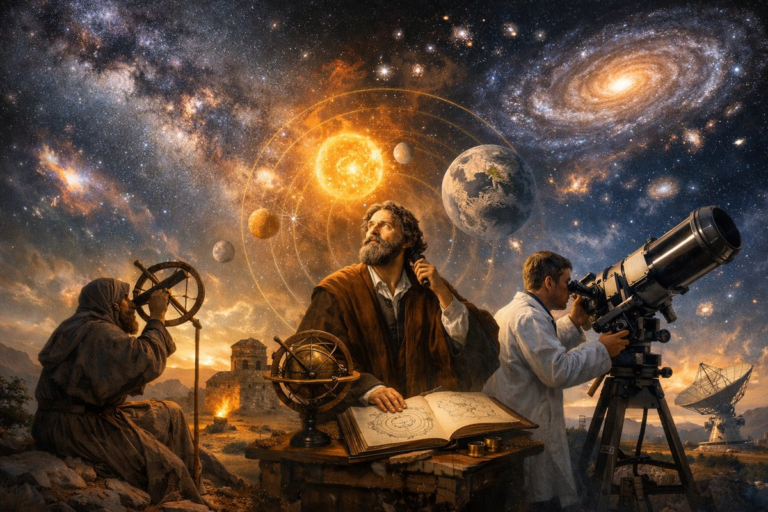
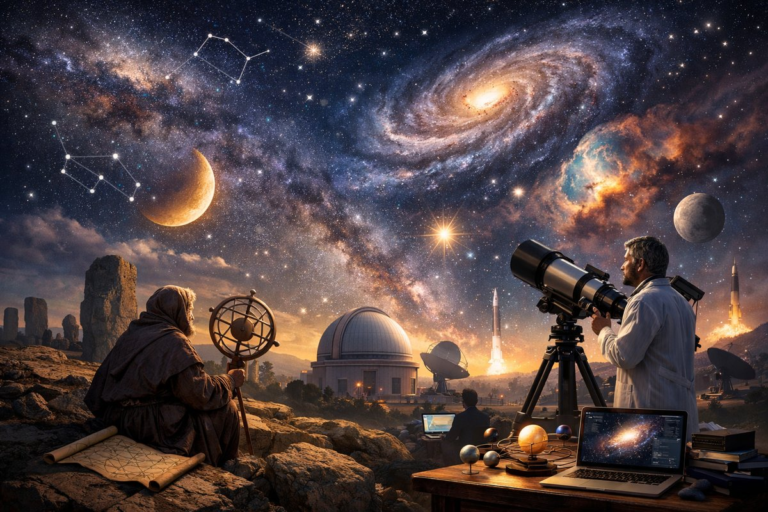
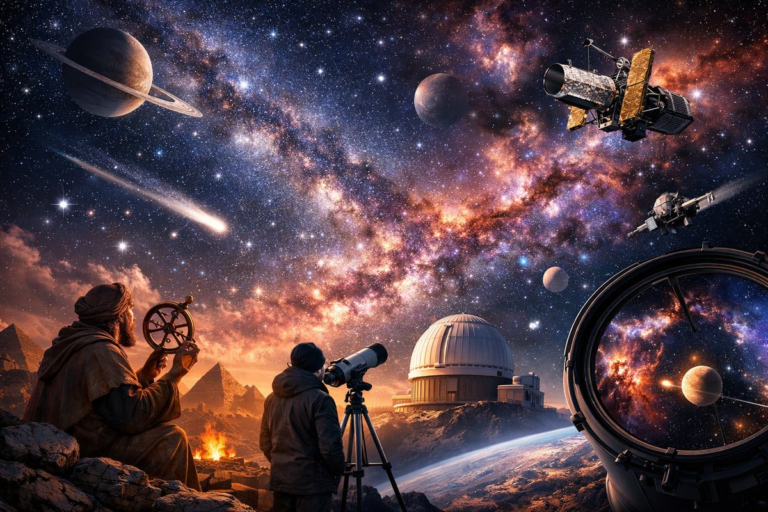
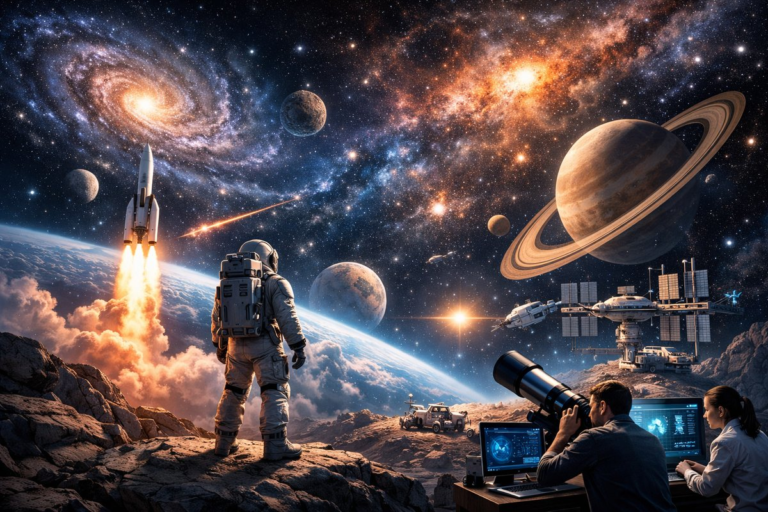
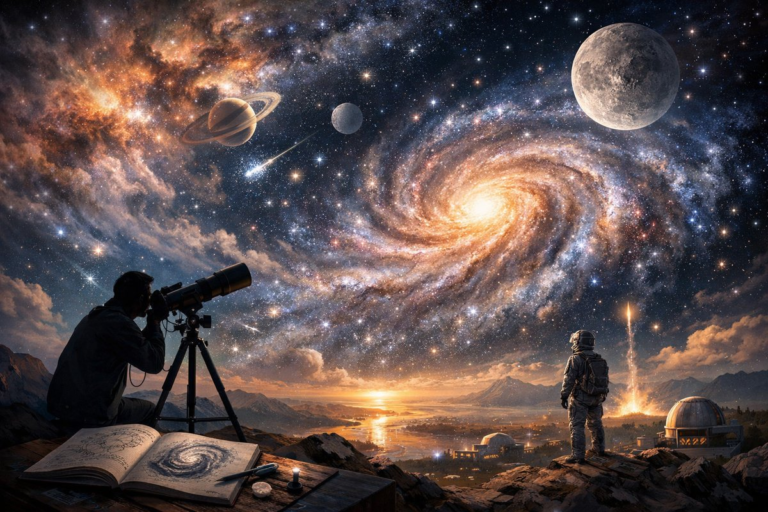
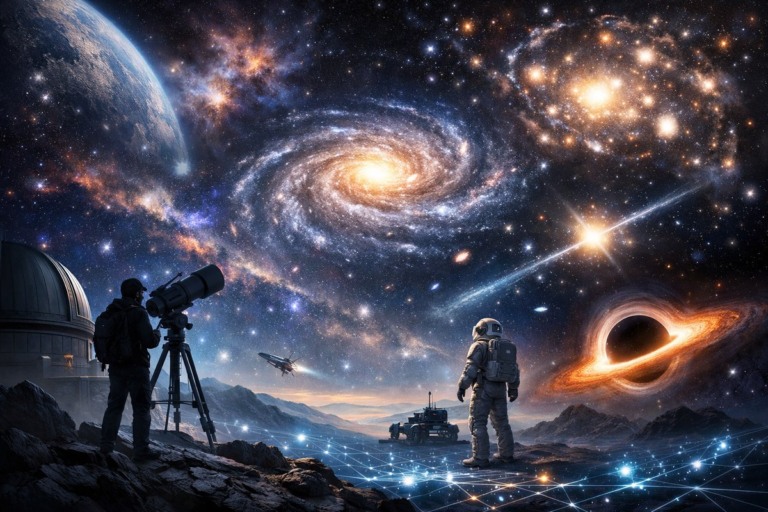
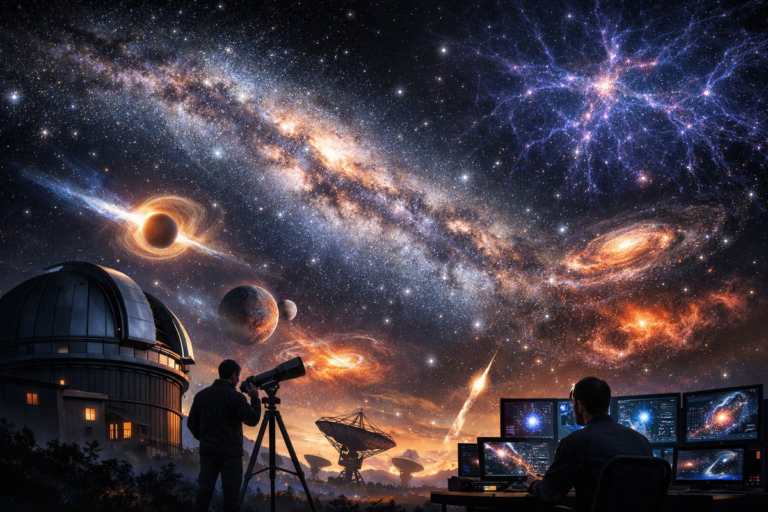
A surge of discoveries from infrared observatories, neutrino detectors, and pulsar timing arrays has reignited public fascination with the cosmos. From backyard telescopes to global research networks, everyday stargazers are collaborating with professional astronomers to decode the universe's most elusive signals.
A cascade of jewel-toned infrared images streamed down from the latest space observatory, unveiling star nurseries and hidden galaxies with unprecedented clarity. These snapshots, captured in wavelengths invisible to the human eye, ignited excitement among professional researchers and amateur stargazers alike. Suddenly, the cosmos was no longer a distant canvas but a living tapestry waiting to be decoded.
On the Antarctic ice sheet, a vast neutrino detector listened for whispers of ghostly particles passing silently through Earth. When a high-energy neutrino arrived from a distant blazar-a rare, hyperactive galaxy core-it sent ripples through both academic journals and social media threads. Citizen scientists pored over public data, tagging potential sources and sharing real-time maps. Their passion helped confirm the event’s origin, proving that major discoveries no longer belong solely to ivory-tower labs.
Radio astronomers are meanwhile warming up a network of dish arrays scattered across remote deserts and mountaintops. Precursors to the upcoming mega-array are already picking up millisecond pulsar signals that hint at a faint gravitational wave background-the hum of spacetime itself. Enthusiasts at home sync their personal radio kits to open-source software, contributing timing measurements that tighten the net on cosmic ripples.
Balloon-borne telescopes floating high above Earth’s atmosphere are redrawing our map of the cosmic microwave background. These high-altitude experiments capture the afterglow of the Big Bang with fine-grained sensitivity, revealing subtle temperature variations. Graduate students and backyard astronomers analyze the freely available scans, comparing patterns to theoretical predictions and sparking spirited debates in online forums.
Back on solid ground, galaxy classification projects have transformed the way we categorize the universe. Volunteers log in to visually inspect spirals, ellipticals, and peculiar mergers, training machine-learning algorithms with human-driven insights. Patterns emerge that challenge automated routines, reminding professionals that a curious mind remains the most valuable tool in science.
Meanwhile, the hunt for exoplanets continues with orbital telescopes focusing on flickering starlight. Armed with simple backyard setups and digital cameras, citizen observers track minute dips in brightness as distant worlds transit their host stars. When an unexpected signal appears, professional observatories swing into action, confirming the find and often crediting the initial amateur sighting.
Meteor showers remain a perennial favorite for sky enthusiasts. Networks of synchronized video recording stations span continents, triangulating bright trails and recovering tiny fragments of interplanetary dust. Some enthusiasts even retrieve micrometeorites from rooftops and snowfields, examining specks that have traveled millions of miles, carrying chemical clues about our solar system’s earliest days.
Rapid-alert systems now broadcast transient cosmic events-gamma-ray bursts, fast radio bursts, supernovae-to anyone with a smartphone. Open APIs feed these alerts into customized apps, lighting up push notifications that send amateurs rushing outdoors with telescopes and spectrographs. In seconds, an individual anywhere on Earth can contribute a valuable data point to a coordinated global effort.
The barrier between professional observatories and backyard setups has blurred further with affordable CCD cameras and compact spectrographs. An entry-level mount combined with an off-the-shelf imaging device can capture spectra of bright stars and nebulae. Users share calibration routines and processing scripts, turning what once required a multi-million-dollar facility into a weekend project for curious minds.
Open-source planetarium software has become the control center for many of these efforts. Running on laptops and tablets, it simulates the night sky with high precision, overlays observational data, and archives personal logs. Enthusiasts tweak the code, adding features that professional packages lack-proof that collective ingenuity often trumps top-down design.
Astronomy clubs and online communities buzz with discoveries and anecdotes. Someone posts about catching a rare impact flash on Jupiter; another shares a time-lapse of aurora dancing over a frozen lake. These anecdotes forge emotional connections to the universe, reminding participants that every dot of light carries a story tens of thousands of light-years long.
Yet the data avalanche also brings challenges. Light pollution steadily erases faint celestial signals from suburban skies, forcing many to venture farther or invest in filters that block urban glow. Meanwhile, the sheer volume of packets and photon counts demands better organization and smarter analysis pipelines, pushing both amateurs and professionals to hone their coding skills.
A push for sustainable observing practices has taken hold, with solar-powered field stations and low-emission equipment gaining favor. Portable observatories built from recycled materials dot mountaintops and desert plains, proving that cosmic curiosity can coexist with environmental stewardship.
There’s a timeless magic in gazing at the stars, each point of light a time machine broadcasting a message from the past. Whether it’s the faint hum of the cosmic microwave background or the fleeting flash of a gamma-ray burst, these signals remind us that we are both observers and participants in a vast, unfolding drama.
Questions about life’s origins and our place in the universe have never been confined to ivory towers. Public lectures, streaming planetarium shows, and interactive virtual tours immerse audiences in cosmic landscapes. Children sketch exoplanets on kitchen walls; retirees analyze spectral lines from living‐room observatories. Curiosity has escaped the lab and taken up residence in everyday life.
If you’ve ever dreamed of detecting your own supernova or capturing a neutrino event on a homemade detector, local astronomy clubs and maker spaces offer workshops and mentorship. Shared equipment racks and tool libraries lower the cost barrier, proving that great discoveries begin with a spark of imagination, not a massive grant.
Virtual-reality headset experiences now transport users to lunar craters and Martian canyons, all reconstructed from probe data and satellite imagery. Immersive dome theaters project the Milky Way’s band across the ceiling, blurring the line between simulation and reality. These platforms inspire new generations to look up and wonder.
Looking ahead, plans for a radio array on the Moon’s far side promise to eliminate Earth-bound interference entirely. Meanwhile, dark matter detectors buried deep underground and gravitational wave observatories beneath the ocean surface are poised to open fresh windows on the unseen universe. The next great surprise could arrive from any direction.
Innovative funding models-crowdfunded telescopes, public-private partnerships, and philanthropic microgrants-are enabling high-risk, high-reward projects. A few hundred dollars can underwrite a critical component of an all-sky monitor or underwrite a handful of data-analysis scholarships, democratizing the scientific process.
Amid all these advances, one truth remains clear: the appetite for cosmic wonder lives in us all. When the universe whispers in particles, waves, or photons, ordinary people around the globe respond, forging a collective quest to understand the grandest questions of space and time. This shared journey, woven from the curiosity of many, illuminates not only the heavens above but the potential within ourselves.