Location
Mount Vernon, WA 98274

Location
Mount Vernon, WA 98274
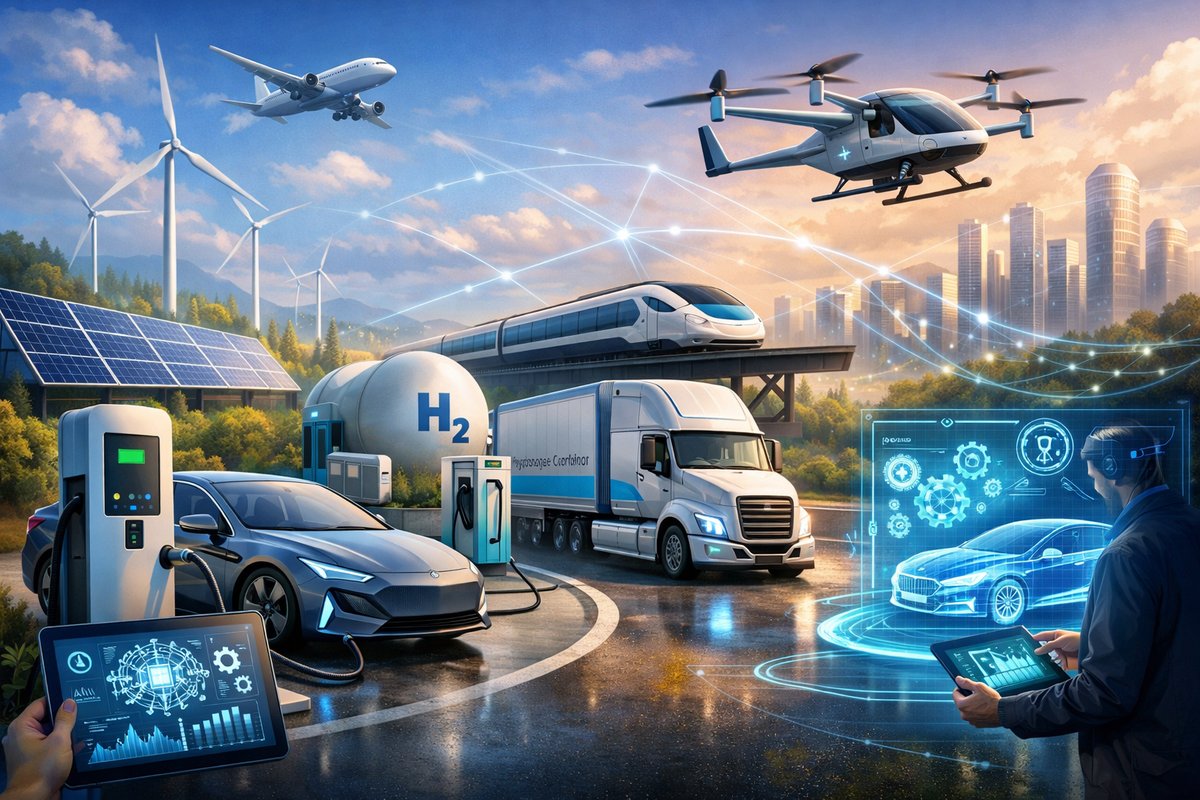
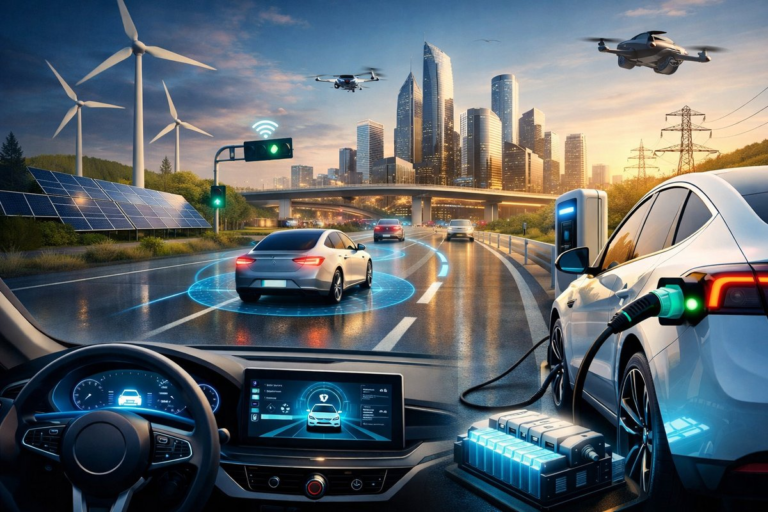
A wave of innovations in electrification, data-driven maintenance, and alternative fuels is transforming the way vehicles travel on roads, rails, and even through the air. From interoperable charging networks to hydrogen corridors and AI-powered diagnostics, the transportation landscape is entering a new era of connectivity and sustainability.
In recent months, the global transport sector has witnessed a surge of technology rollouts and infrastructure projects that promise to redefine mobility for both passengers and freight. Electric vehicle registrations surpassed 10 million last year, an increase of nearly 60 percent over the previous period, and governments from the EU to East Asia are investing heavily in charging stations, hydrogen pipelines, and smart traffic systems to support that growth. At the same time, advances in artificial intelligence and edge computing are enabling predictive maintenance that keeps fleets rolling with minimal downtime.
The backbone of any electrified future is reliable, widespread charging access. In Europe, a network of interoperable charging hubs now spans multiple countries, allowing drivers to plug in across borders without compatible adapters or separate accounts. Standardized connector types and roaming agreements backed by a new regulatory framework have simplified billing and reduced wait times by up to 30 percent, according to industry analysts. Similar efforts are underway in North America and parts of Asia, where utility companies and auto manufacturers have formed consortia to co-invest in rapid chargers along major highways.
Beyond public stations, residential and commercial properties are also upgrading. Smart charging systems with grid-balancing features can automatically delay a vehicle’s draw during peak demand, shaving up to 15 percent off electricity bills. Some pilots even reward owners with credits for supplying stored battery energy back to the grid during extreme weather events. This bidirectional flow not only stabilizes local power but also turns parked vehicles into mobile energy reservoirs, a concept that has caught the attention of microgrid developers.
While electrons are rapidly displacing liquid fuels for short- and medium-range travel, hydrogen offers a complementary path for heavy trucks and long-haul logistics. In the past year, a coalition of European nations unveiled a “hydrogen backbone” plan to link production sites with industrial centers and cross-border transport corridors. Several pilot routes already feature refueling stations spaced roughly 200 miles apart, and freight carriers have logged thousands of kilometers without a single breakdown. Zero-carbon trucks rolling on these highways demonstrate fueling sessions that rival diesel stops in under 15 minutes.
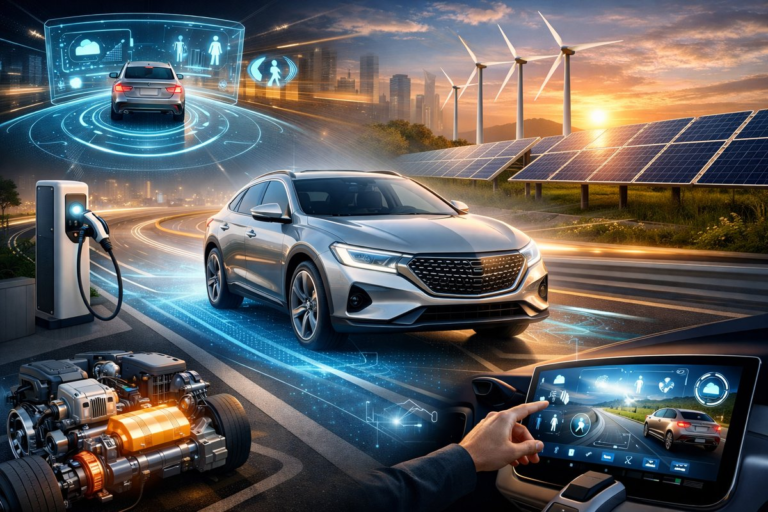
Even as charging and refueling networks evolve, on-board systems have become far more intelligent. A growing number of commercial and consumer models now carry fleets of tiny vibration and temperature sensors connected over in-vehicle networks. Machine learning algorithms analyze real-time signals from motors, transmissions, and braking systems to detect early warning signs of wear. Operators receive alerts on a central dashboard, allowing maintenance crews to schedule service before minor issues escalate into costly repairs. Early adopters report up to a 40 percent drop in unplanned downtime and substantial reductions in parts waste.
Data security and privacy remain front and center as more vehicles join the Internet of Things. Encryption standards and over-the-air software patching guard against remote intrusions, while anonymized telemetry feeds ensure that personal driving data stays private. Industry bodies are drafting technical guidelines to certify devices and communication channels, aiming for a balance between transparent diagnostics and robust cyber-defenses. In regions with strict data-protection laws, automakers have also introduced local data hubs that keep sensitive information on home soil.
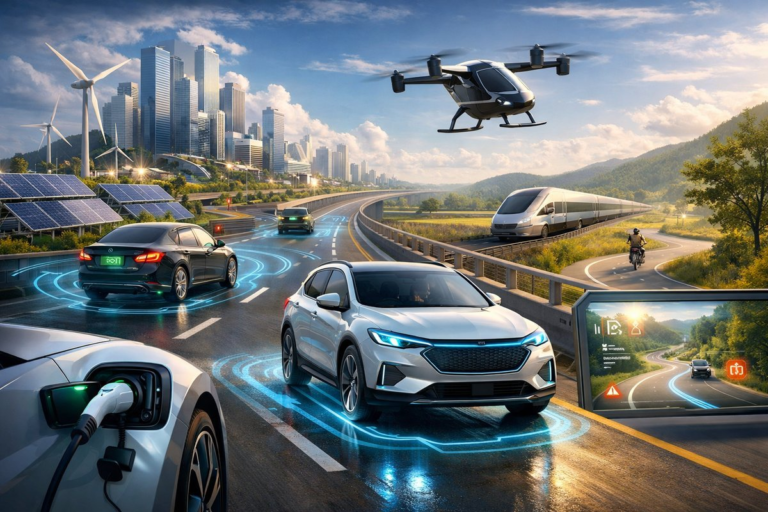
Urban air mobility has progressed from concept to certification in trials around the globe. Electric vertical takeoff and landing craft-sometimes called air taxis-have begun short demonstration flights in a handful of city centers. These vehicles typically carry two to four passengers on battery-powered rotors and rely on vertiports equipped with fast-charging decks. Regulators are finalizing safety rules and air-traffic integration protocols, anticipating that early commercial operations could kick off in select markets within the next two years.
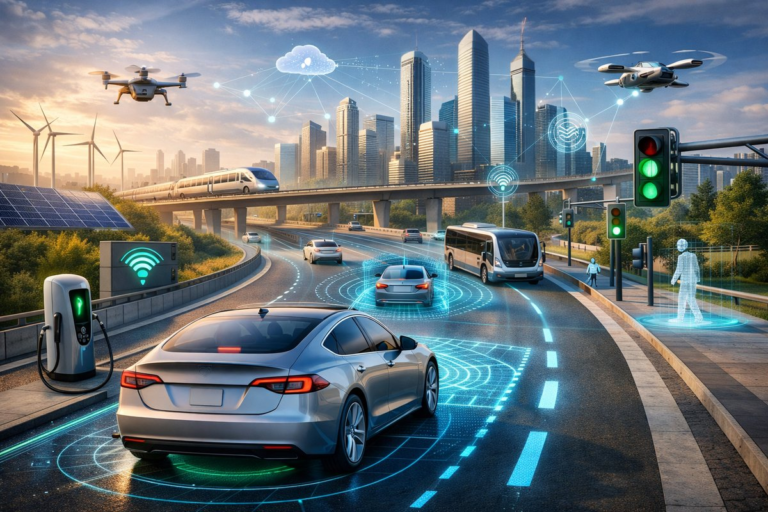
Digital twins of city infrastructures, which marry real-time sensor data with virtual models, are helping planners balance ground and air traffic. Traffic engineers can simulate vertiport placements, assess noise patterns, and optimize flight paths around skyscrapers-all before any craft takes to the sky. In one pilot, simulated passenger demand and emergency-service scenarios guided the decision to open a new vertiport on reclaimed industrial land, cutting expected commute times by nearly half.
Meanwhile, traditional automotive design is entering a renaissance powered by next-gen materials and manufacturing processes. Ultra-high-strength steel and composite blends are reducing vehicle weight by 20 percent while boosting crashworthiness. Additive manufacturing machines are producing custom parts on demand for small-batch models and classic restorations alike, slashing lead times from months to mere days. Together, these advances deliver greater energy efficiency, enhanced performance, and a more sustainable supply chain.
Artificial intelligence is also influencing interior experiences. Adaptive infotainment systems learn driver and passenger preferences-from temperature settings and seat adjustments to favorite radio stations-creating personalized journeys that evolve over time. Voice assistants embedded in the cabin can handle navigation rerouting, appointment reminders, and even play curated wellness music playlists to counteract fatigue during long drives. In commercial vehicles, similar interfaces support route planning, load balancing, and fatigue detection to boost safety and productivity.
As these innovations proliferate, collaboration between automakers, energy providers, tech companies, and governments has never been more critical. Joint ventures are pooling resources to build cross-border hydrogen pipelines, unified charging platforms, and regulatory sandboxes for autonomous services. Public-private partnerships are funding training programs for technicians to install, maintain, and secure these advanced systems, ensuring that the workforce keeps pace with technological leaps.
The next decade promises an increasingly modular transportation ecosystem-where energy flows seamlessly from grid to vehicle to grid, where maintenance is scheduled before components fail, and where the lines between ground, rail, and air travel blur with data-driven coordination. For everyday drivers and fleet operators alike, that means journeys that are cleaner, safer, and more reliable. As automakers and infrastructure providers refine these emerging technologies, the road ahead looks not just electrified, but intelligent and interconnected.