Location
Mount Vernon, WA 98274

Location
Mount Vernon, WA 98274
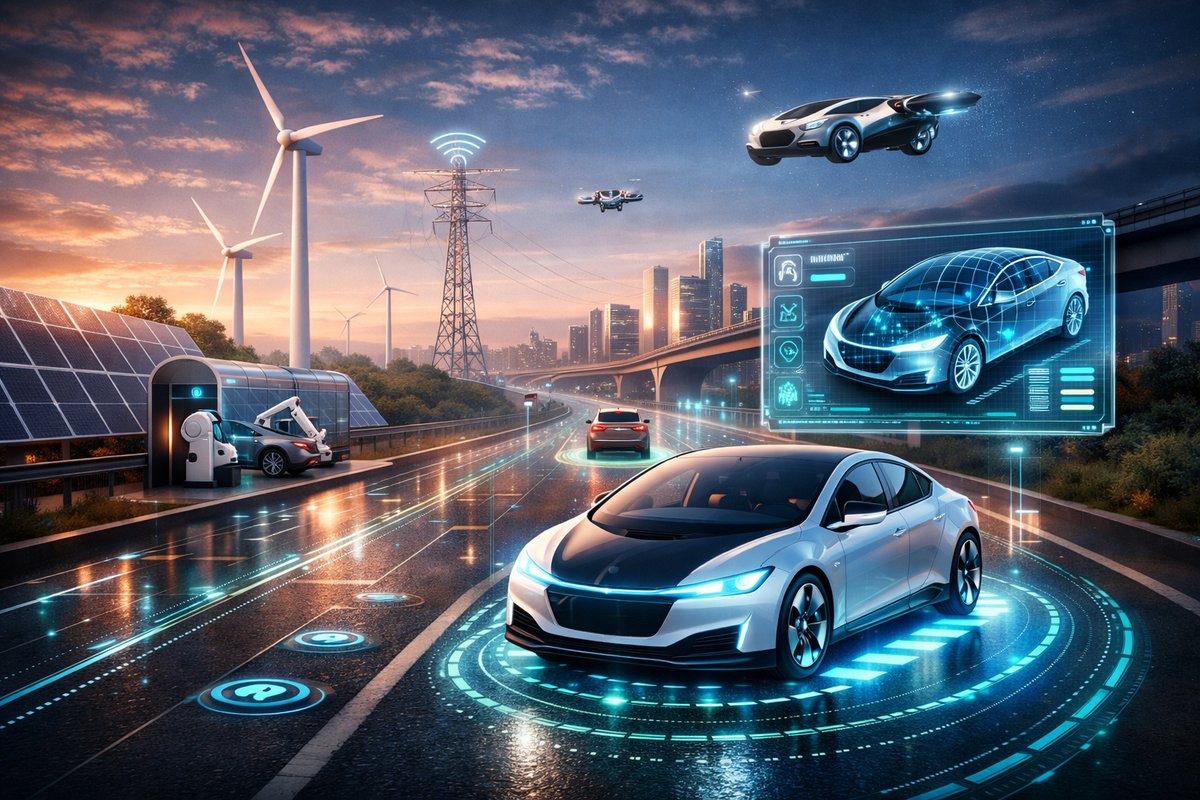
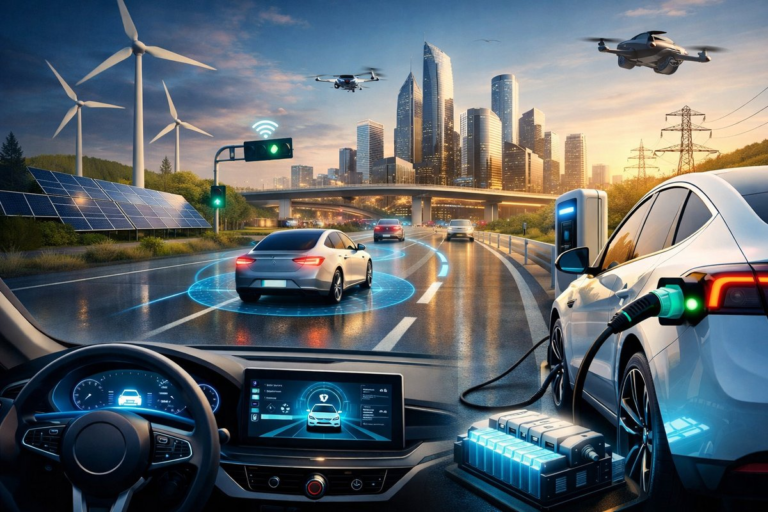
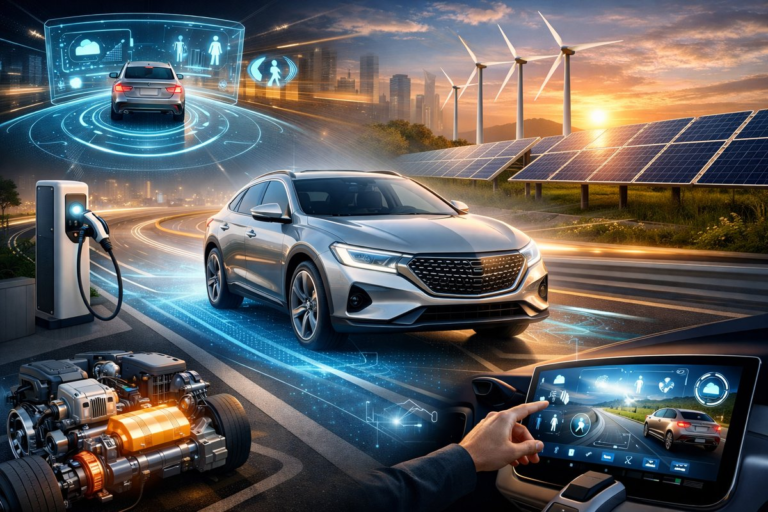
A new generation of vehicles is pushing beyond wheels and engines, blending embedded infrastructure, artificial intelligence, and renewable power into an integrated transportation ecosystem. From wireless charging highways to predictive maintenance platforms, these breakthroughs are reshaping how we drive, service, and emotionally connect with our cars. Journey with us into the heart of tomorrow's roads.
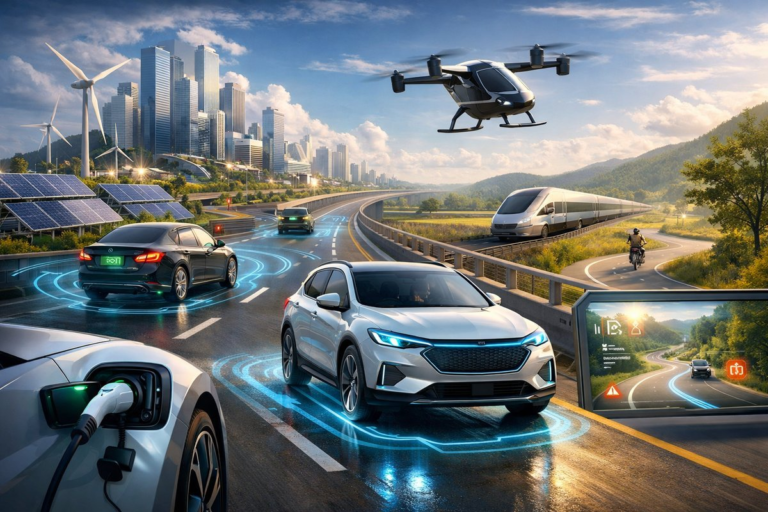
On a misty morning along a coastal byway, a silent vehicle glides onward without a charging pause. Beneath its tires, an array of wireless charging coils discreetly embedded into the asphalt pulses with energy, replenishing its battery as it moves. This scene, once speculative fiction, is one of several pilot programs underway around the globe, transforming highways into active power-delivery networks. By integrating resonant inductive charging technology directly into select road sections, municipalities test how electric vehicles might travel indefinitely without stopping at static stations, reducing congestion and enhancing travel flexibility.
Today’s smart pavement trials rely on ruggedized coils and real-time control centers. Sensors track passing vehicles’ speed, position, and power demand, adjusting magnetic fields to optimize energy transfer. The system communicates with onboard modules, negotiating power levels to safeguard battery health. Early field tests report up to 90 percent charge efficiency at highway speeds, with minimal impact on traffic flow. Researchers envision extending this approach to freight corridors, allowing long-haul trucks to maintain charge without lengthy layovers. If scaled successfully, wireless highways could become as commonplace as roadside rest stops once were.
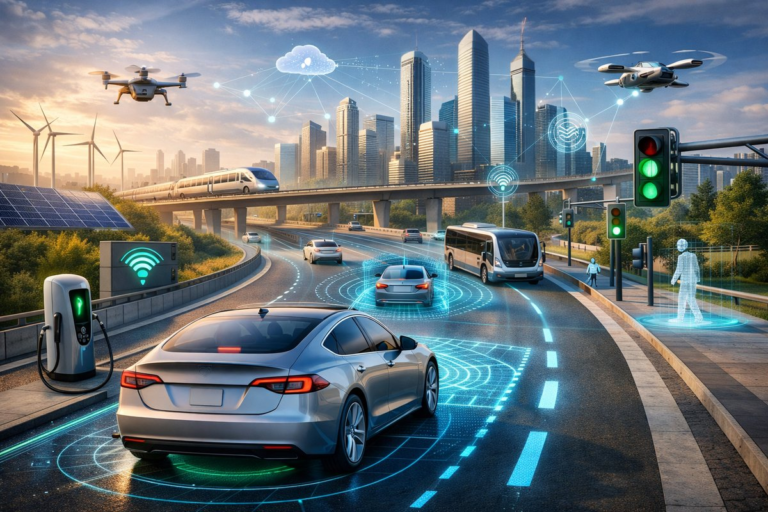
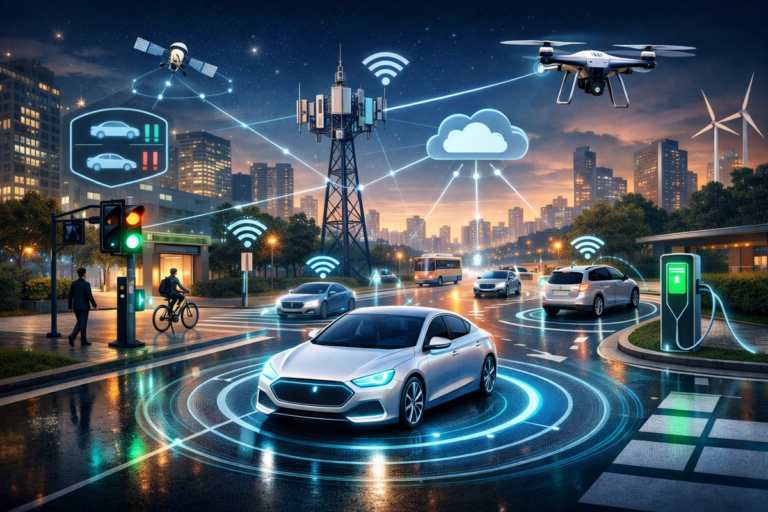
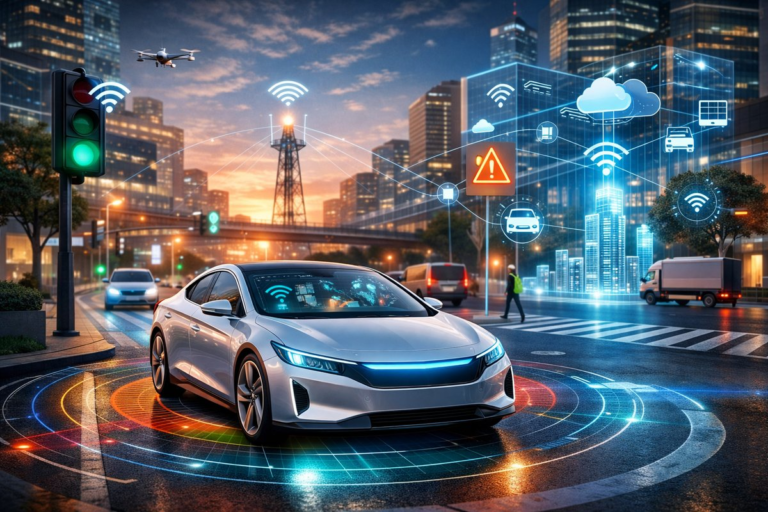
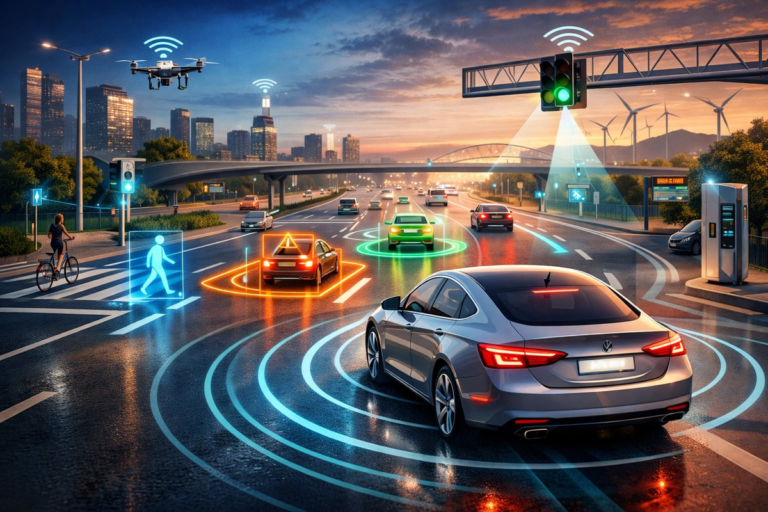
Simultaneous advances in artificial intelligence are revolutionizing vehicle-to-infrastructure communication. Traffic lights that adapt phases based on predictive flow models help reduce idling emissions, while roadside units feed data to cars to optimize route planning. One trial uses computer vision and edge computing to detect roadway hazards-fallen debris, potholes, or ice patches-and issue real-time alerts to approaching drivers. These edge nodes operate with low latency, maintaining privacy by processing video feeds on-site rather than streaming them to centralized servers. The result is a distributed intelligence layer blending safety, efficiency, and data sovereignty.
Under the hood, automakers and service networks leverage predictive maintenance platforms that harness terabytes of sensor data. From tire pressure and brake pad wear to high-voltage battery cell health, fleets now use cloud-based analytics to anticipate component failures before they occur. Machine-learning models continuously retrain on new driving profiles, environmental conditions, and repair records. When a potential issue emerges-say, a slight anomaly in coolant circulation-vehicles alert owners with a precise fault code and recommend local service partners equipped to resolve the problem. This paradigm shift minimizes unscheduled breakdowns and reduces total lifecycle costs by scheduling repairs during convenient windows.
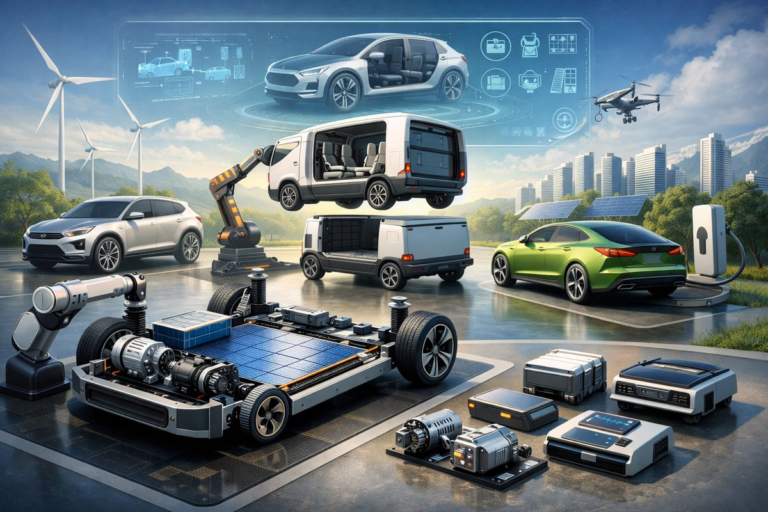
Yet for all the high-tech promise, sustainable materials and circular-economy practices remain crucial. Several manufacturers pilot battery pack designs featuring modular cells that can be swapped individually rather than scrapping entire arrays. Partner programs refurbish end-of-life modules for stationary energy storage, extending their useful lifespan. Even tires are getting an eco makeover: some producers now use bio-based rubber blends infused with silica derived from rice husk ash, cutting carbon footprints and offering comparable traction. Combined with lightweight composites in body panels and recycled aluminum in chassis components, the goal is to keep every element of the vehicle in a closed-loop circulation.
Just as important is the emotional bond between driver and machine. Automakers are experimenting with personalized cabin experiences that learn occupant preferences-from ambient lighting sequences to haptic steering feedback calibrated for comfort. An AI-driven sound system can morph engine notes or road noise profiles to match mood or terrain, creating a deeper sensory connection without sacrificing efficiency. Augmented-reality head-up displays overlay contextual information-navigation cues, hazard warnings, and local points of interest-directly onto the windshield, reducing distraction and making every journey feel more intuitive.
Despite these breakthroughs, equitable deployment remains a challenge. Underserved communities often still lack reliable charging infrastructure, and high-speed wireless lanes are trialed primarily in affluent regions. Public-private partnerships seek to bridge this gap: municipal grants fund charging hubs at transit stations and community centers, while low-cost retrofit programs bring basic inductive pads to neighborhood streets. Some pilot projects even integrate microgrid storage and rooftop solar arrays at schools and libraries, enabling residents to recharge overnight at little or no cost. When scaled thoughtfully, these initiatives promise to make advanced mobility accessible to all demographics.
Meanwhile, regulators and standardization bodies race to keep pace. Uniform protocols for vehicle-to-infrastructure authentication ensure that cars can safely tap into diverse charging networks without raising security or privacy flags. Data-sharing frameworks clarify who owns and controls driving records and diagnostic logs, empowering consumers to grant or revoke access to third-party service providers. Robust encryption and anonymization techniques protect sensitive information while enabling the predictive models that underpin smart maintenance and traffic management.
As electrification, AI, and sustainable materials converge, the road ahead is as thrilling as it is complex. The first wave of pilot programs has proven that charging-in-motion and digital twins can fundamentally reshape transportation. Now, auto-makers, tech firms, urban planners, and policymakers must collaborate to scale these innovations responsibly. Balancing environmental impact, social equity, and technological ambition will define the next decade of mobility. When success arrives, our concept of “filling up the tank” may shift forever-from pulling into a station to simply cruising onward, confident that the road beneath us powers every mile.
For drivers, fleet operators, and city planners alike, this moment marks the dawn of a seamless, data-driven transportation ecosystem. Charging stations will no longer be mere rest stops but active participants in the journey. Vehicles will think less like isolated machines and more like nodes within a vast, intelligent network. And as cars, roads, and grids interlock in this new choreography, daily commutes and cross-country trips will become greener, safer, and more personalized than ever before. The era of static infrastructure is fading; motion itself is becoming the source of power, memory, and meaning on every roadway.