Location
Mount Vernon, WA 98274

Location
Mount Vernon, WA 98274
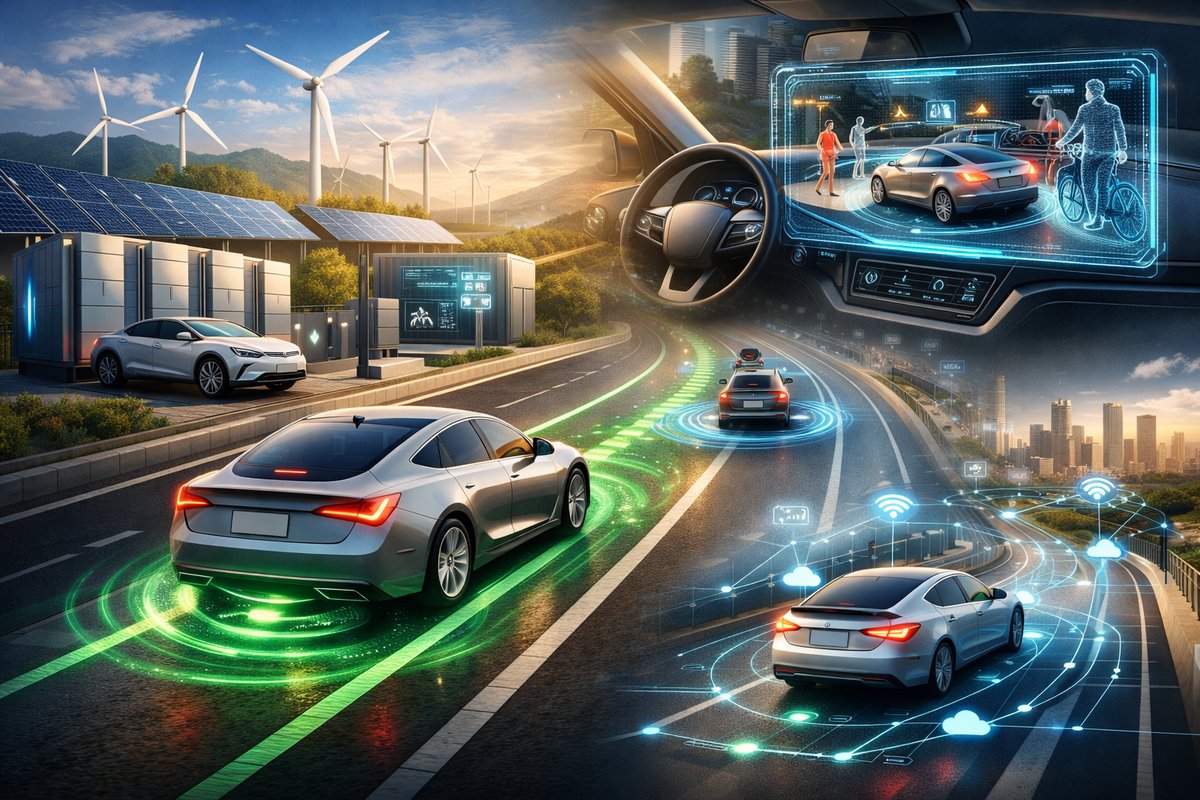
From dynamic wireless charging lanes to AI-enhanced safety systems and next-generation energy storage, a new wave of automotive innovations is reshaping how we travel. This report dives into the technologies and policies steering tomorrow's roads toward greater efficiency, sustainability, and connectivity.
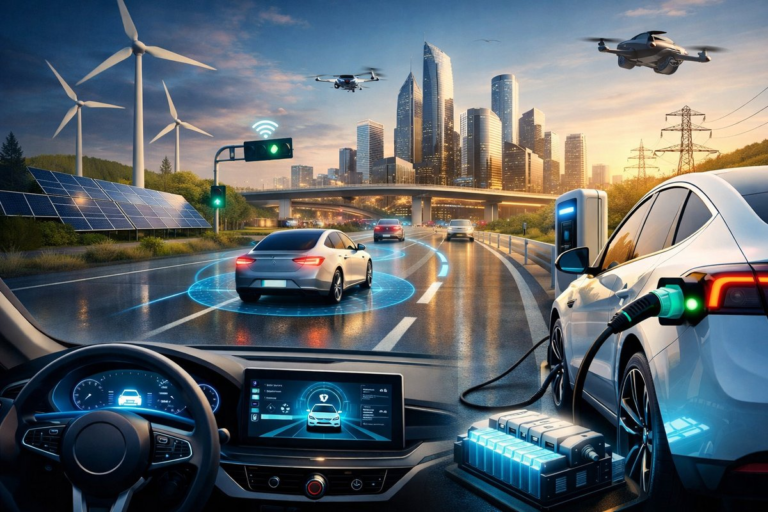
A misty dawn unfolds on the first stretch of highway equipped with dynamic wireless charging coils embedded beneath the asphalt. As electric vehicles glide smoothly over numbered segments, their batteries top up on the move, freeing drivers from the familiar calculus of “range anxiety.” This once-futuristic vision has arrived in pilot corridors across Scandinavia, where research teams and transportation agencies are testing roadway-powered EVs with speeds up to 70 miles per hour. Sensors beneath the road surface detect vehicle position and relay energy precisely, avoiding waste. In one recent trial, participants reported an average extension of 40 percent in daily driving distance without ever plugging in.
In parallel, departments of transportation are turning to digital twins to model entire highway networks and urban streetscapes in virtual space. By layering real-time traffic patterns, weather data, and infrastructure health metrics onto a 3D replica, planners can simulate maintenance schedules, emergency detours, and traffic signal optimizations before committing crews or closing lanes. A pilot in central Europe reduced unplanned roadwork delays by 25 percent in its first six months, while predictive algorithms identified pavement fatigue hot spots long before cracks required costly repairs. The synergy of physical infrastructure and virtual modeling promises to bring new levels of resilience to aging road networks under pressure from climate extremes and rising freight volumes.
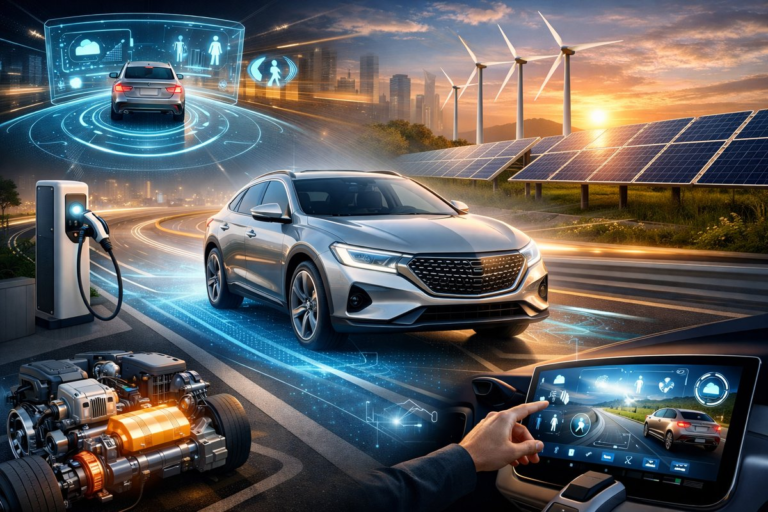
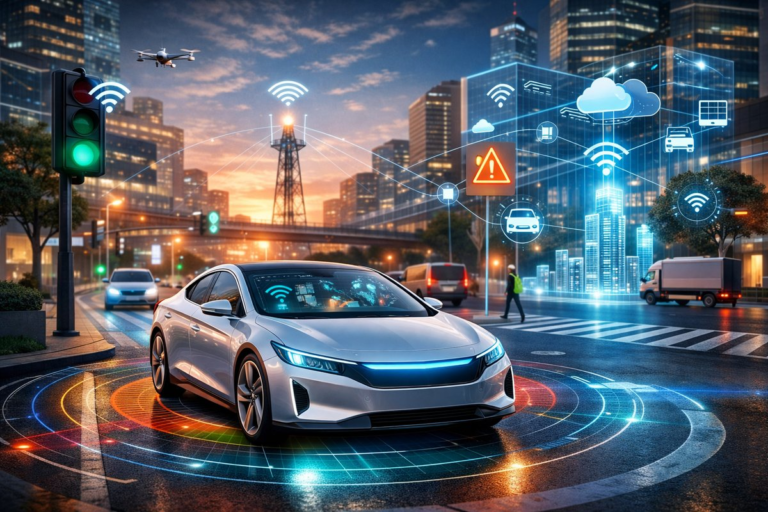
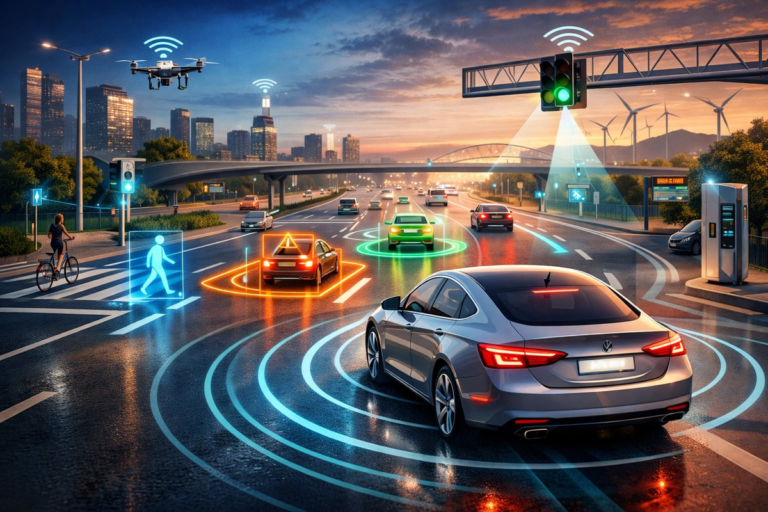
Behind the wheel, the next generation of safety features is learning to read more than just lane markings and road signs. With a mix of radar, lidar, high-resolution cameras and edge computing units, cars can identify obstacles, predict pedestrian movement and even sense potential tire blowouts by monitoring subtle vibration patterns. One study in a dense urban corridor showed a 30 percent drop in near-miss events once predictive collision-avoidance systems were enabled. Meanwhile, over-the-air software updates keep these systems current as machine-learning models are refined. Rather than a one-time calibration at the factory, vehicles evolve features continuously, downloading new threat-detection profiles whenever connectivity allows.
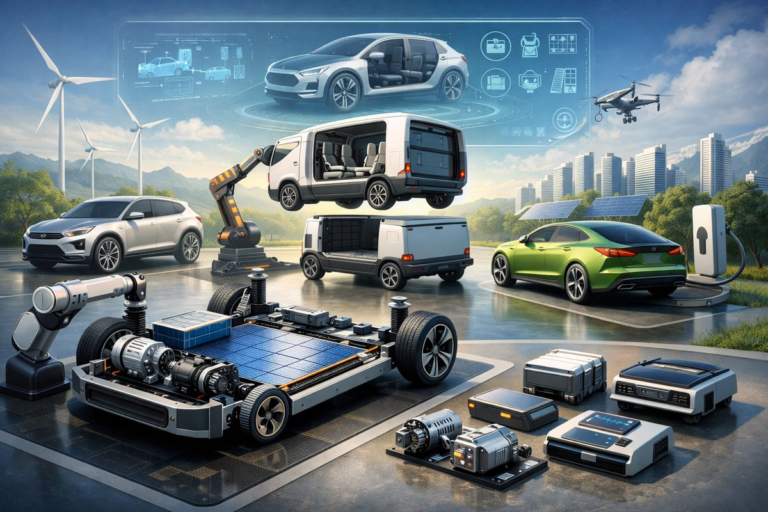
Battery chemistry has long been the bottleneck in the quest for longer range and blisteringly fast charging. Now, solid-state cells featuring ceramic electrolytes and lithium-metal anodes are inching closer to commercial reality. In recent demonstrations, prototype packs reached energy densities exceeding 300 watt-hours per kilogram and accepted a 20 percent to 80 percent charge in under 10 minutes at room temperature. These breakthroughs stem from new manufacturing methods-roll-to-roll coating for thin ceramic films and laser-patterned current collectors-that promise scalable production. If widely adopted, drivers could treat fills at charging stations much like a quick stop for coffee, all without the battery swelling or thermal runaway risks that have dogged earlier designs.
A less-heralded but equally profound transition is underway in heavy freight. Hydrogen fuel cell trucks have rolled onto desert highways in Southern California, hauling pallets over hundreds of miles with water vapor as their only tailpipe emission. Operators praise the rapid refueling-comparable to diesel-and consistent performance in high ambient temperatures. Support stations fed by electrolyzers powered from solar farms are cropping up alongside interstate off-ramps, creating the first coherent hydrogen corridors. Advocates highlight that fuel-cell vehicles complement battery electrics, especially where payload weight and turnaround time matter most. In the coming year, multiple state regulators are set to publish emissions comparisons that could unlock incentives for an entire class of zero-emission long-haul fleets.
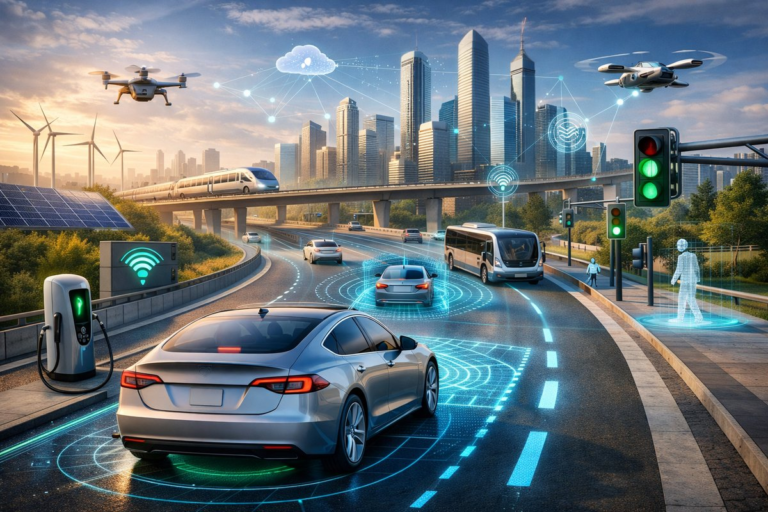
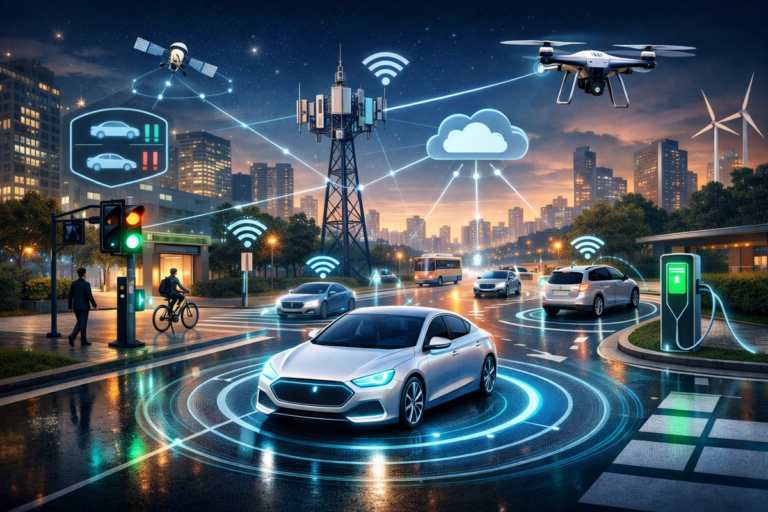
As cars, trucks and buses become data centers on wheels, questions of digital privacy and cybersecurity have moved to center stage. Vehicle-to-infrastructure (V2I) and vehicle-to-vehicle (V2V) communication protocols promise smoother traffic flows and coordinated merges at highway on-ramps. Yet encrypting these broadcasts and anonymizing driver data demand rigorous standards. A coalition of auto insurers and municipal agencies is testing blockchain-backed ledgers to record each data exchange, ensuring tamper-resistant logs and transparent audit trails. The goal is to earn public trust by showing that mileage, speed or passenger habits cannot be mined for intrusive advertising or sold without consent.
Governments are responding with funding that had been unthinkable just a decade ago. Large earmarks for charging infrastructure now appear in economic recovery bills across North America and Europe. Municipalities are devoting curbside parking to public chargers and piloting micro-grid solutions that let EVs draw and feed power during peak demand, effectively turning parked cars into neighborhood batteries. In one coastal city, retrofitting streetlights with integrated chargers and solar panels created dozens of renewable energy points without requiring major construction. By weaving charging into existing assets, planners are lowering deployment costs and accelerating the shift away from fossil fuels.
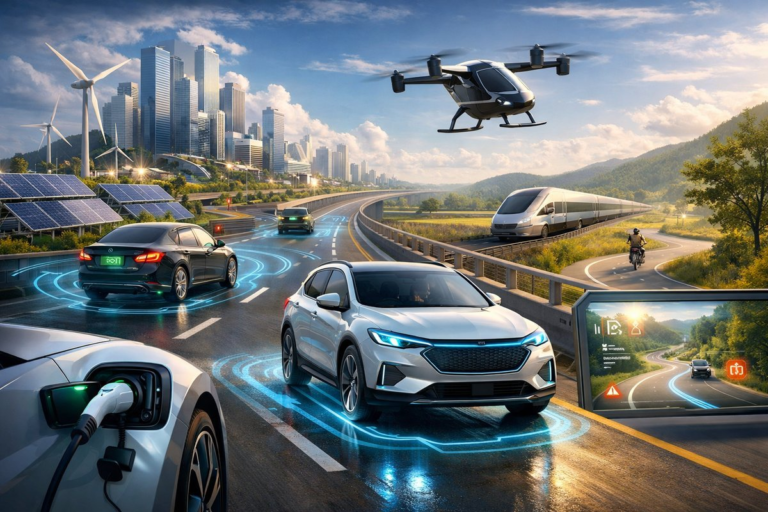
Integration with emerging micro-mobility options also shapes the new landscape of urban transport. Shared electric scooters and bikes now interface with transit apps that recommend mixed-mode itineraries, guiding commuters to the nearest rapid-charge bus line or dynamic-priced ride-pool van. At dozens of ‘mobility hubs,’ seamless ticketing systems let riders combine bus, train, carshare and micromobility all with a single QR scan. Early results suggest that trip times fall by as much as 20 percent, with congestion hotspots easing as more people find door-to-door solutions tailored to each journey.
Behind these technical advances lies a deeper shift in how drivers and passengers relate to their vehicles. No longer seen purely as status symbols or solitary capsules, cars are evolving into nodes in a larger transportation ecosystem. Weekly over-the-air feature drops can add new driving modes, integrate entertainment experiences or even unlock smart cargo management tools for weekend projects. At the same time, an undercurrent of nostalgia persists: drive-in diners, classic road trip playlists and the ritual of pre-trip maintenance still resonate with those who grew up in an era of vinyl records and tapered tail fins. The task for automakers and infrastructure providers is to honor that emotional attachment while ushering in a radically different future.
Across continents and climate zones, the road ahead is being rewritten by technology, policy and human ingenuity. From silent highways that recharge cars beneath the tarmac to neighborhoods where parked EVs balance the grid, transportation has entered an age where hardware, software and data converge in unprecedented ways. The most compelling challenge may be forging new social contracts around shared resources, equitable access and responsible data use. As engineers tinker with superconductors and urban planners redraw maps, every mile driven carries a bit more meaning-reminding us that how we move shapes not only our world, but our collective story.
That story is still unfolding. In workshops and test tracks, the vehicles of tomorrow are taking shape, welded from sustainable composites and outfitted with chips that talk to smart streetlights and traffic centers. In city halls and state capitals, budgets are stretching to fund charging depots and hydrogen fueling stations. And on highways around the globe, prototypes and production cars are beginning to meld into a transport network that is quieter, cleaner, smarter and more inclusive. Each innovation-whether a faster-charging cell, a smarter sensor or a well-placed charger-represents another chapter in a journey toward mobility that knows no end.
Recommended Products:
• Portable EV home charging station – A compact Level 2 charger for home garages with adjustable charging speeds and weather-proof housing.
• OBD2 wireless diagnostic scanner – A plug-in tool that connects to a smartphone app to read engine data, clear codes and monitor real-time performance.
• Smart tire pressure monitoring system – External sensors that clip onto each valve stem, transmitting pressure and temperature alerts to a mobile dashboard.
• Dash cam with night vision – A dual-lens camera recording front and interior views, featuring loop recording, G-sensor event detection and low-light clarity.
• All-weather rubber floor mats – Heavy-duty liners designed to trap mud, snow and spills, custom-fit to most modern car models.
• Portable air compressor and tire inflator – A handheld pump with digital pressure gauge, capable of quickly topping up tires, sports gear and inflatable mattresses.