Location
Mount Vernon, WA 98274

Location
Mount Vernon, WA 98274
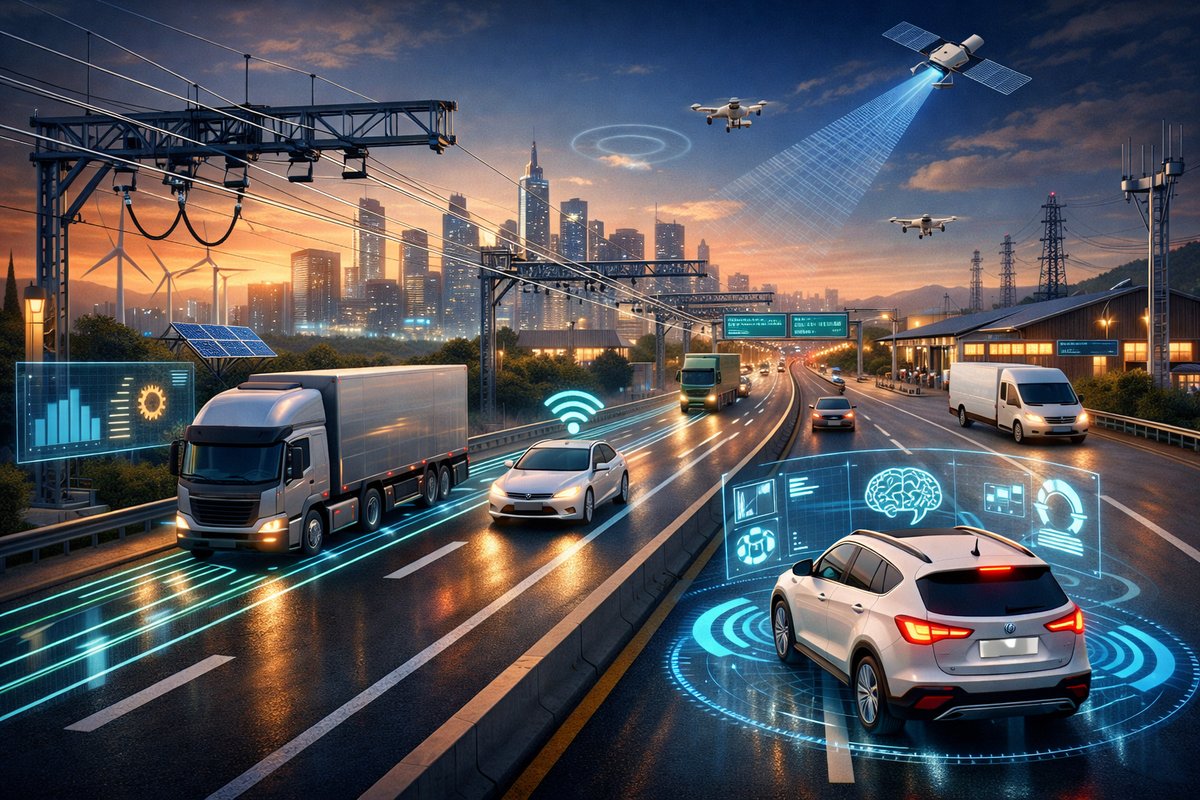
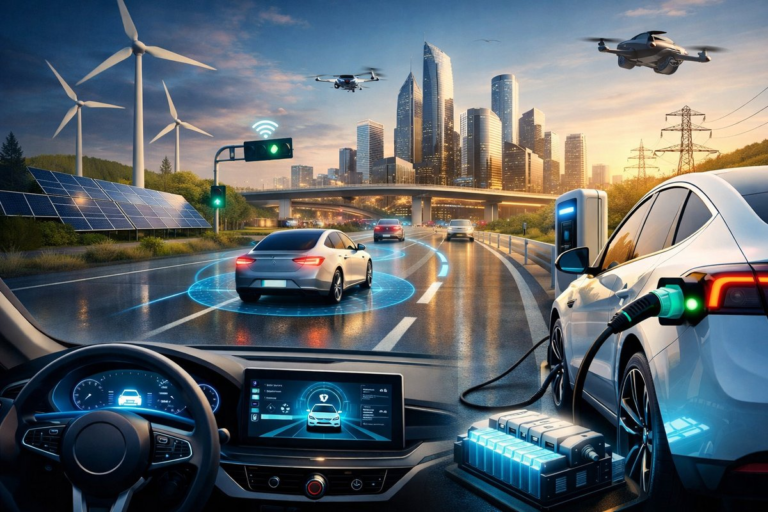
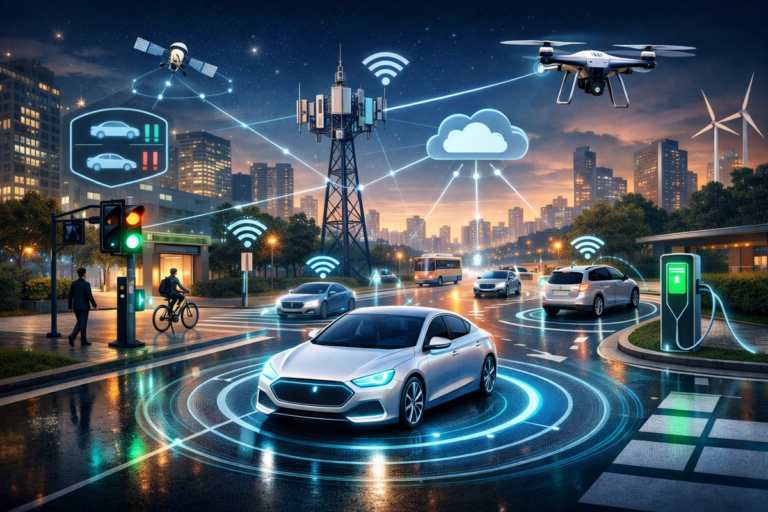
A convergence of electrified highways, vehicle-to-everything connectivity, and onboard artificial intelligence is reshaping everything from daily commutes to logistics corridors. As cities and manufacturers roll out smart grids and predictive maintenance tools, drivers and fleet administrators alike are discovering both new efficiencies and fresh challenges on the smart road.
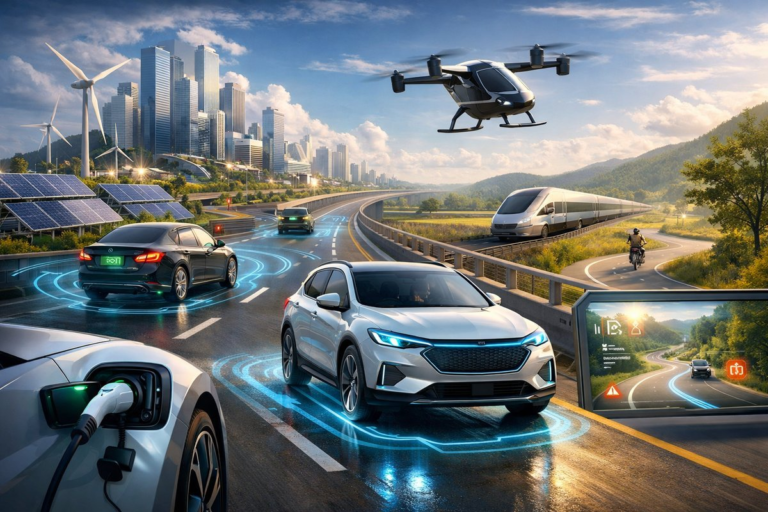
Roadways are evolving faster than most drivers realize. Gone are the days when a highway was simply asphalt and painted lines. Today’s corridors are layered with inductive charging coils, embedded sensors and wireless communication arrays. These elements together create dynamic highways that can not only guide autonomous vehicles from point A to point B but also sustain their batteries in motion, cutting charging stops and unlocking new route strategies for both passenger cars and heavy trucks.
In several pilot regions across Europe and Asia, stretches of electrified pavement have begun powering compatible electric vehicles through electromagnetic induction. While these test beds cover only a few dozen miles, data streams show state-of-charge drops of less than 10 percent even after hundreds of miles of driving. That performance promises to redefine long-haul freight, where drivers currently must factor in multi‐hour charging breaks. Logistics operators are modeling entire networks around these smart corridors, placing waystations at strategic handoff points rather than traditional charging hubs.
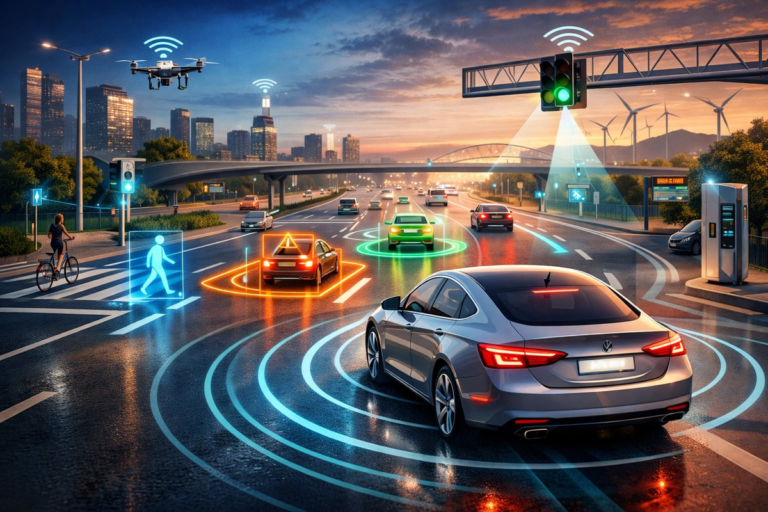
Meanwhile, major metropolitan areas are turning to artificial intelligence to manage traffic flow in real time. By blending data from traffic signals, roadside cameras and connected vehicles, city control centers can predict congestion points minutes or even hours ahead. In one North American pilot, predictive algorithms rerouted transit buses before jams formed, trimming delays by nearly 25 percent. The same AI platform now integrates data from citywide weather sensors, adjusting speed limits dynamically when rain or fog appears on the forecast.
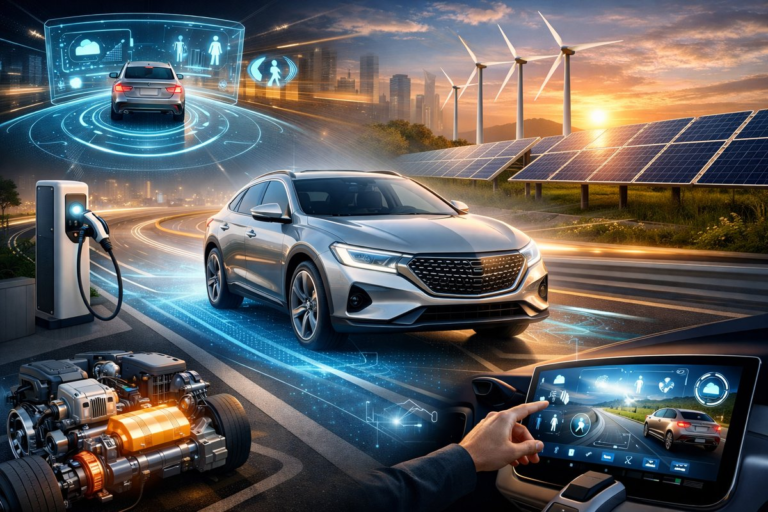
The vehicles themselves are growing increasingly self-aware. Advanced driver-assist systems (ADAS) rely on radar, lidar and high-resolution cameras to monitor lane markings, speed limits, and potential collision risks. Over-the-air software updates regularly improve these modules, allowing automakers to refine braking algorithms or expand highway-steering capabilities without a service visit. For fleet managers, this means less downtime and more consistent performance across aging vehicles.
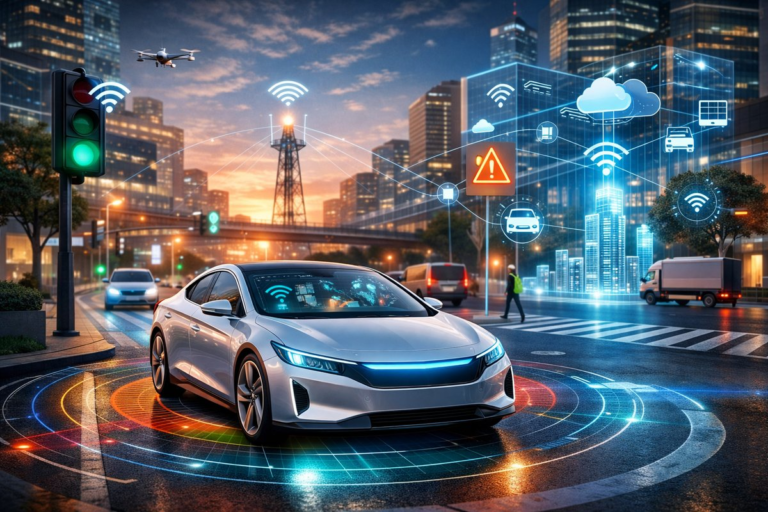
Smartphone apps and in-dash screens aren’t the only interfaces updating on the fly. Augmented reality heads-up displays are starting to overlay turn-by-turn navigation directly onto the windshield, while simultaneous localization and mapping (SLAM) techniques adjust overlays in real time. Drivers benefit from hazard warnings-such as a school crossing or a stopped vehicle ahead-that appear right where they’re needed. And for night driving, thermal vision overlays can highlight wildlife or pedestrians beyond the beam of the headlights.
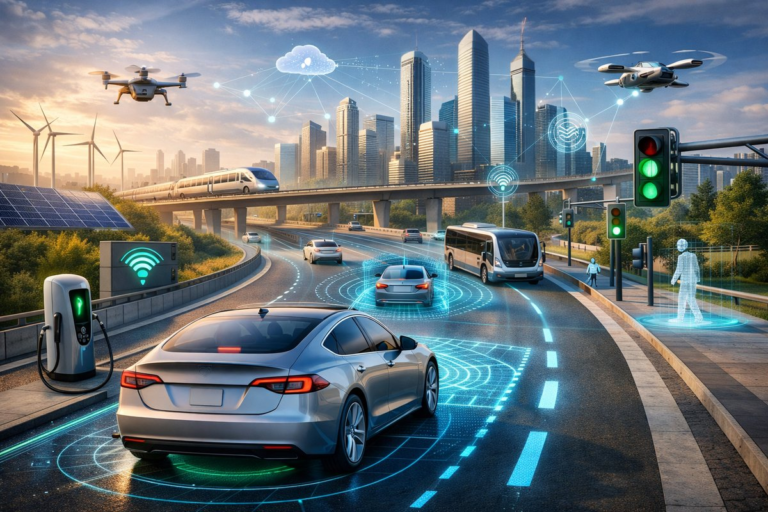
Communication protocols between vehicles and infrastructure (V2X) are maturing as well. Dedicated short-range communication chips embedded in traffic lights can exchange speed advisories with passing cars to optimize green lights for platoons of vehicles. Heavy-duty trucks can broadcast braking intentions to the cars behind, reducing chain-reaction collisions. These localized networks create a collaborative highway ecosystem rather than a highway full of isolated machines.
But the digital realm of the smart road extends beyond data exchange. Large-scale digital twins of highways are enabling engineers to simulate scenarios ranging from lane closures to extreme weather events. In one case, a national transportation agency fed sensor logs from road surface temperature gauges, embedded strain meters and passing vehicle weights into a virtual model. That simulation predicted a pavement failure risk zone under a heavy storm drain, prompting preemptive reinforcement and avoiding a three-week detour shutdown.
On the consumer side, predictive maintenance apps notify drivers of upcoming service needs based on real-time engine data and usage patterns. Instead of drilling into a generic maintenance schedule, the car’s onboard computer can suggest a brake-pad replacement after detecting consistent high-speed braking in hilly terrain, or a coolant flush following extended high-temperature operation. This data-driven approach helps drivers avoid breakdowns and reduces wasteful parts replacements.
Automotive cybersecurity has become equally critical. As cars link more deeply with grid operators and cloud platforms, the attack surface expands. Encryption standards for over-the-air updates must be robust, and intrusion-detection systems now run quietly in the background of vehicle control units. Government agencies and industry consortia are collaborating on common protocols to ensure one rogue network node can’t compromise an entire fleet.
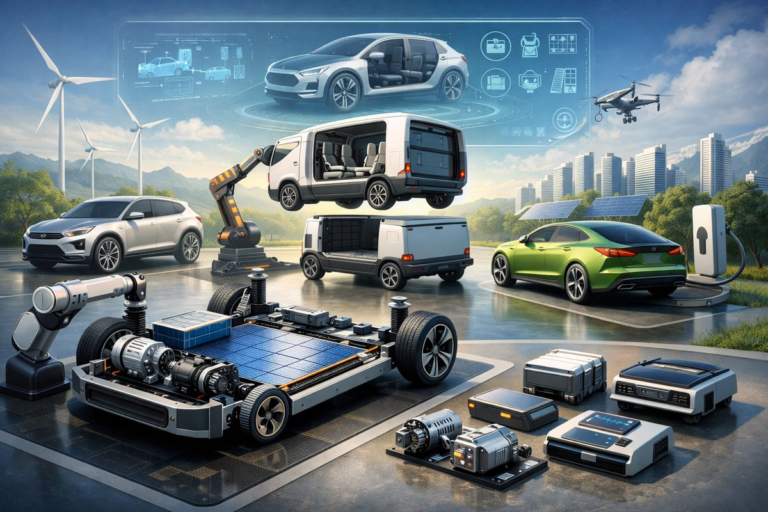
Electrified roads and smart highways present new environmental opportunities as well. Integrated solar canopies over charging stations feed power back into the grid during peak hours, while road-embedded photovoltaics capture reflected sunlight to partially offset illumination needs. Dynamic lane lighting systems switch on only when vehicles approach, cutting energy consumption and light pollution in otherwise deserted portions of the roadway.
Private mobility entrepreneurs are using these advances to reimagine last-mile delivery. Electric cargo vans equipped with adaptive route-planning software can detour around sudden traffic snarls, delivering parcels sooner and with fewer carbon emissions. Drones dispatched from centralized hubs can meet these vans en route, transferring lightweight packages for the final few blocks-entirely avoiding congested downtown streets.
For everyday drivers, the transition requires both patience and preparation. Installing an at-home Level 2 charger helps maintain optimal battery health, while a mobile wireless hotspot ensures a stable connection for navigation updates and streaming services on longer trips. A quality dash cam with lane-departure and collision-warning capabilities can provide extra peace of mind, especially as mixed fleets of autonomous, semi-autonomous and conventionally driven vehicles share the same roads.
Training emergency responders presents another challenge. Smart roads can relay crash-zone data instantly to dispatch centers, but first responders must interpret that information and access remote-diagnosis systems without delay. Virtual reality simulations of accident scenarios-in which rescue teams practice stabilizing autonomous vehicles-are now part of advanced training curricula in several fire and rescue academies.
Ultimately, the emerging transportation landscape reflects a shift from isolated vehicles toward an integrated mobility ecosystem. Administrators will need to balance infrastructure investments with rigorous data-privacy safeguards, ensuring that geolocation and performance metrics remain secure and anonymized. At the same time, sustainable materials-from recycled asphalt mixes to low-energy LED lighting-will be essential as cities pursue ambitious carbon-reduction goals.
The road ahead is neither entirely human-driven nor fully automated. It will be a cooperative choreography between drivers, smart vehicles and ever-connected infrastructure. Those who embrace these new tools will gain efficiency, safety and environmental dividends. And as the built environment learns to respond to our vehicles, it will be up to drivers, engineers and city planners to keep that dialogue humming smoothly, mile after evolving mile.