Location
Mount Vernon, WA 98274

Location
Mount Vernon, WA 98274
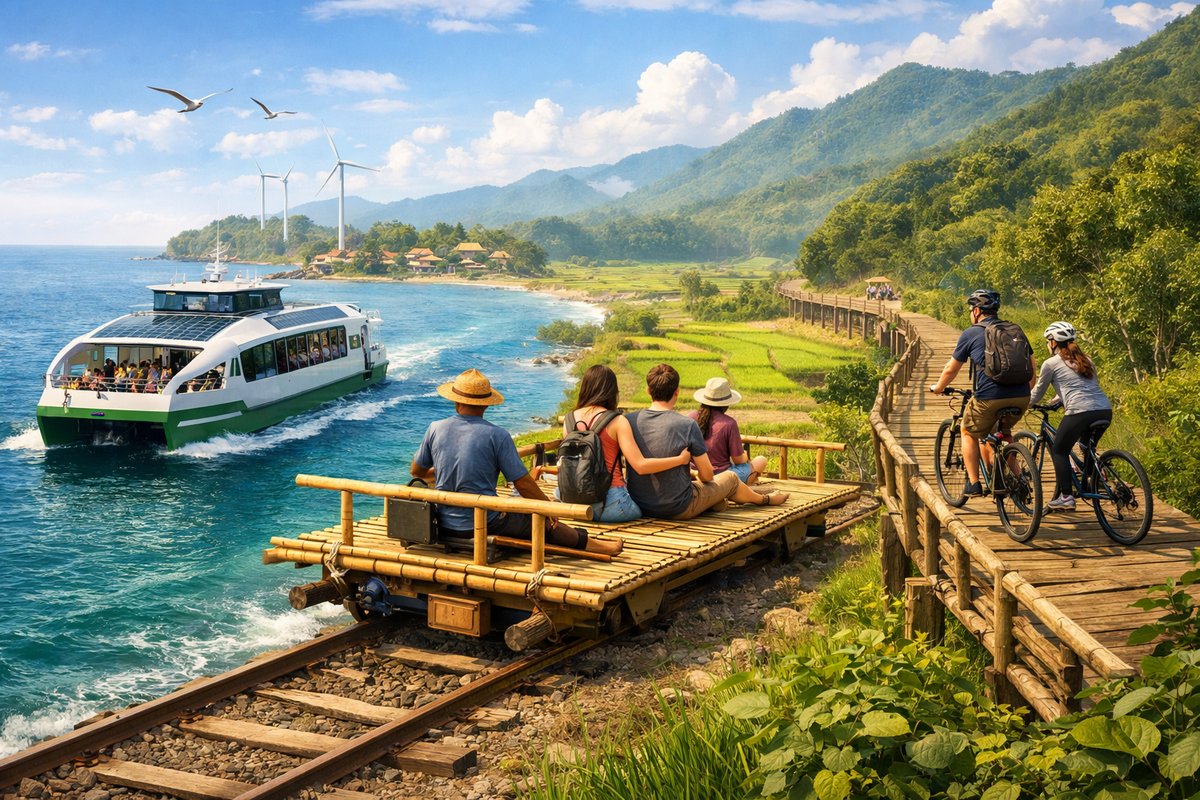
A new wave of eco-driven transport corridors is transforming how we traverse coastlines and countryside. From electric ferries powering coastal hops to community-built bamboo railways, these innovations spotlight low-carbon journeys that reconnect travelers to place and purpose.
Recent months have seen a remarkable surge in sustainable travel corridors that pair innovation with local know-how. Across continents, old and new transport routes are being reimagined to cut emissions, benefit host communities and deliver enriching experiences far from crowded airports and congested highways.
Norway’s flagship electric ferry, now plying a rugged fjord stretch once served by diesel vessels, illustrates how zero-emission craft can scale to mainstream demand. Operated on a 20-mile route connecting two coastal towns, the vessel recharges in minutes via shore-based high-speed chargers powered by hydropower. Local officials report a 90 percent reduction in vessel emissions and a newfound sense of pride in showcasing homegrown green engineering.
Meanwhile in Southeast Asia, villagers in Cambodia have revived an informal bamboo railway originally built decades ago. Beyond nostalgia, the grassroots effort has evolved into a community-driven enterprise. Visitors board open-air carriages bound over narrow tracks threading rice paddies and riverine landscapes. Fare proceeds fund micro-grants for farm improvements and school supplies. As foreign tourists and regional travelers discover the line, local entrepreneurs open teahouses and homestays within walking distance of stops, weaving authentic cultural exchange into every leg of the journey.
Further south, Patagonia’s remote coast has emerged as a living laboratory for electric minibuses ferrying hikers between trailheads in glacial valleys. Operators retrofit retired diesel vans with battery packs sized for steep mountain passes. The buses adopt regenerative braking to recapture energy on long descents. Park managers note that quieter vehicles improve wildlife viewing and trim noise-pollution impacts on fragile ecosystems.
In Southern Europe, a network of community-managed “slow ferries” is fostering sustainable island-hopping. Small catamarans powered by low-speed electric motors thread together clusters of islets once reachable only by chartered boats. They adhere to timetables synchronized with local markets, artisans’ workshops and seasonal festivals. This rhythm invites passengers to linger in villages rather than dash between well-trod ports, nurturing deeper engagement with coastal traditions.
On inland terrain, ambitious electric bus coaches now serve pilgrimage trails in mountainous regions long reliant on foot traffic or diesel shuttles. Routes once dominated by long pilgrim treks now feature accessible e-shuttles linking valley villages to mountain monasteries and shrines. Riders still walk final ascents, but overall route planning respects both physical accessibility and spiritual reflection, allowing older travelers and families to partake in centuries-old rituals without compromising comfort.
These initiatives share a thread: they harness clean energy, local stewardship and experiential design to shape journeys that matter. Tourists moving from one waypoint to the next aren’t simply ticking off bucket-list sights-they’re immersed in transitions that command attention. Charging up at a repurposed boathouse, sharing banana leaf snacks with a bamboo-rail operator, or swapping trail tales in an electric shuttle’s silent cabin all become integral chapters of an unfolding narrative.
The ripple effects extend beyond memorable itineraries. Many of these routes channel transport revenue into conservation trust funds, ensuring a share of ticket sales underwrites habitat restoration or cultural heritage projects. In Cambodia, railway fares support seed banks preserving indigenous rice strains. In Patagonia, each bus ticket contributes to rewilding old logging clearcuts.
As sustainability gains purchase among travelers, policy makers and tour operators are forging collaborations to expand low-emission corridors. Grants from international climate funds have underwritten feasibility studies for solar-powered boat services in island nations vulnerable to rising seas. Local cooperatives in several Pacific archipelagos are trialing hybrid catamarans that integrate wind sails with electric propulsion, reducing reliance on scarce diesel imports.
Critics caution that scaling these models requires careful attention to grid capacity, battery disposal and equitable governance. Electric ferries, for instance, demand high-capacity chargers and stable renewable power sources-luxuries not readily available in all remote ports. Community projects like the bamboo railway must guard against overcommercialization, which can erode the authenticity driving their appeal.
Yet the movement shows no signs of abating. Bookings on solar-powered ferry routes have tripled in the last year. A recent traveler survey indicates that more than 60 percent of eco-minded visitors consider the mode of transport as important as on-site activities when choosing a destination. In response, traditional tour operators are forging partnerships with sustainable transport providers, bundling electric shuttle segments into multi-week itineraries across continents.
For independent travelers, these developments open fresh possibilities. Instead of hurried airport runs, one can trace a coast aboard a wooden-hulled solar ferry, sip herbal tea beside rice paddies during a bamboo-rail stopover or drift toward glacial fjords in a silent electric launch. Each leg becomes a micro-adventure, designed for connection as much as transit.
Navigating these new corridors calls for a shift in planning. Rather than chasing flights, travelers map transport timetables and energy charging stations. They factor in daylight hours for solar-boats and the seasonality of water levels on inland waterways. Guides and apps are emerging to consolidate schedules, local homestay availability and trail-to-port connections, ensuring seamless transitions between green vehicles.
Environmental footprints shrink when departure points lie closer to city centers and journeys unfold at human-scale speeds. A coastal train powered by biofuels or batteries can replace a regional flight. An electric bus linking village markets to trailheads sidesteps the need for remote airport terminals. For many, this is less about sacrifice and more about savoring layers of place, from shoreline ecosystems to community gatherings that punctuate each stop.
As sustainable transport corridors multiply, they reshape tourism’s geography. Regions historically bypassed for lack of infrastructure are finding new life through zero-emission initiatives. Abandoned ferry piers, disused narrow-gauge lines and underutilized jetties are experiencing second acts. Adaptive reuse dovetails with cultural heritage preservation, giving travelers access to stories embedded in old routes.
Beyond carbon calculations, these corridors recalibrate how we value the journey itself. The rhythm of solar-electric motors-or the click of wooden bamboo wheels rolling across tracks-encourages presence. Travelers step off to watch dolphins surf ferry wakes, engage in rice harvesting rituals or trace pilgrimage steps at twilight, weaving personal narratives into local landscapes.
Whether one begins an expedition on a low-speed catamaran or an electric coach, the emerging blueprint emphasizes community, environment and meaningful slow-travel experiences. As these corridors proliferate, they offer a fresh compass for exploration: routing us toward journeys that are kinder to the planet, richer in human connection and deeply rooted in the landscapes they traverse.