Location
Mount Vernon, WA 98274

Location
Mount Vernon, WA 98274
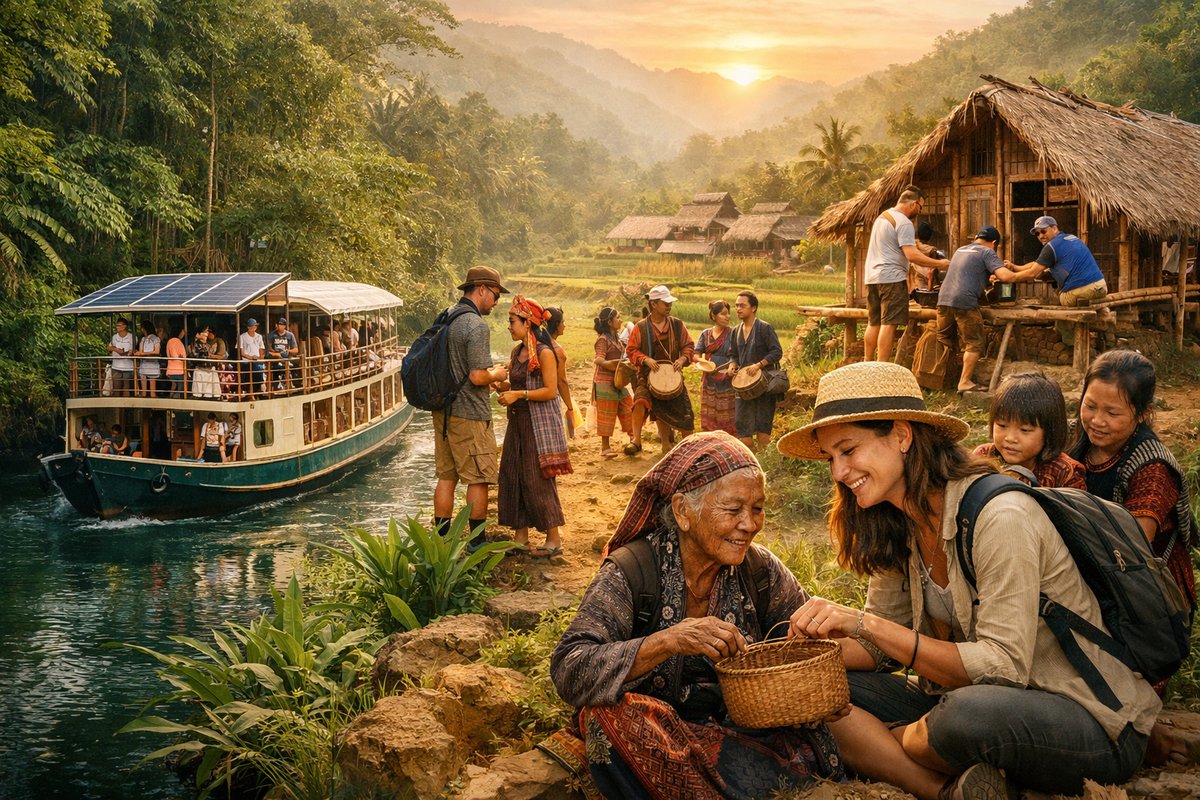
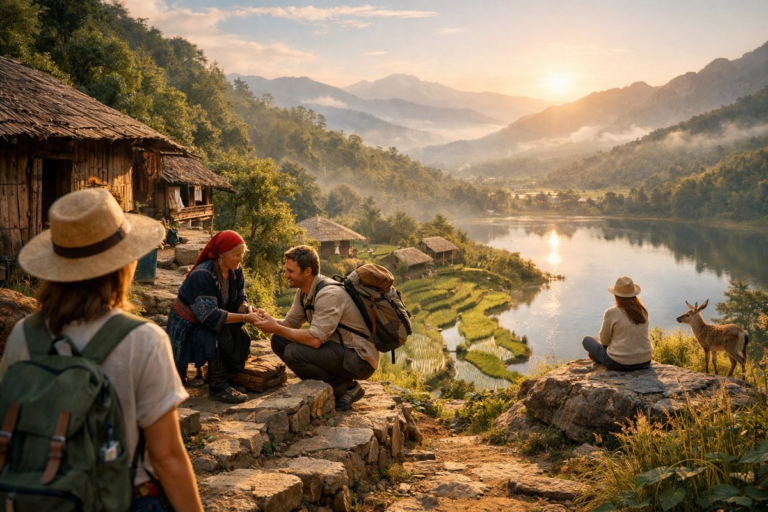
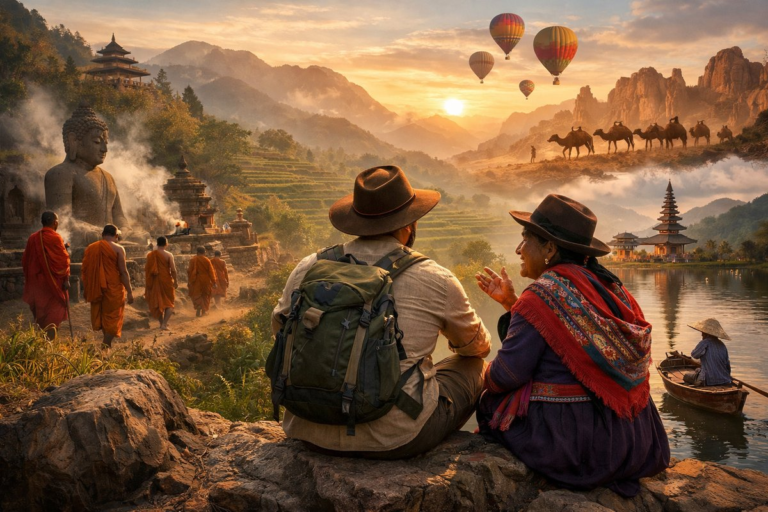
A new wave of travelers is choosing deeper connections over whirlwind tours, seeking authentic experiences that celebrate local traditions and empower host communities. From eco-powered river cruises to homestay villages launching cultural restoration projects, this shift toward community-centered exploration is reshaping the future of tourism.
Travelers around the world are trading jam-packed itineraries for unhurried explorations that foster genuine connections with local people and environments. In the aftermath of steep travel restrictions, a growing segment of explorers has embraced a philosophy often called “slow travel,” emphasizing longer stays, cultural exchange, and community empowerment over ticking off landmarks from a checklist. This emerging trend is not a mere reaction to the pandemic’s constraints but a deep reimagining of what it means to journey, blending sustainability, emotional intelligence, and curiosity into every new horizon.
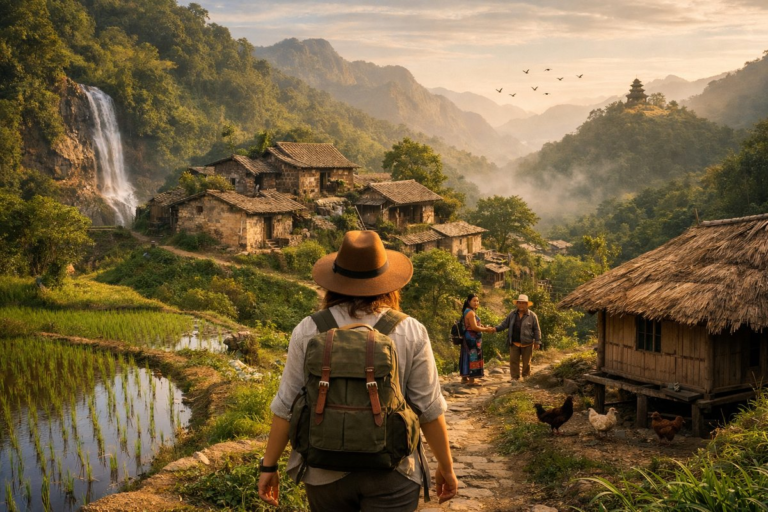
Data from an international tourism research group shows that nearly two-thirds of post-pandemic travelers plan trips lasting at least two weeks-up from less than half before. These longer stays allow visitors to participate in village work brigades, artisan workshops, and conservation initiatives, creating a sense of reciprocity instead of one-way consumption. In the rural Alentejo region of Portugal, a cluster of villages recently launched a homestay network focused on reviving centuries-old crafts. Woodworkers, weavers, and ceramicists host guests in traditional townhouses, guiding hands-on workshops in return for fair compensation. Since opening last spring, the program reports a 30 percent increase in income for local families, as well as a significant uplift in youth interest in heritage skills once deemed at risk of fading.
Meanwhile, India’s backwaters have become the testing ground for a greener form of river travel. A fleet of solar-powered houseboats now glides along the narrow canals of Kerala, offering eco-minded visitors an intimate glimpse of rural life. Instead of diesel generators humming through the night, onboard gardens and rooftop solar arrays provide lighting and basic electricity, while kitchens rely on sustainably sourced biomass fuel. Passengers join villagers for morning fishing expeditions or rice-paddy walks before breakfast, forging bonds over shared tasks rather than hurried photo ops.
In West Africa, a newly inaugurated overland rail link is reinvigorating cross-border connections once severed by conflict and underinvestment. The so-called Sahel Express stretches from Morocco’s Atlas foothills through Mali’s dusty plains to Burkina Faso’s historic towns. Designed and managed by a pan-African consortium of engineers and community cooperatives, the route dedicates a portion of ticket revenue to supporting local schools and water projects along the track. Travelers can disembark for day visits to storytelling circles under baobab trees or overnight stays in family-run guesthouses, then hop back on a night train outfitted with shared cabins and solar-lit compartments.
Further east, community-led treks in the foothills of the Himalayas are setting new standards for ethical mountaineering. After years of criticism over high-altitude overcrowding and waste, sherpa-cooperatives have introduced a pay-what-you-can package that includes guardianship of trails, daily waste removal by local porters, and transparent profit-sharing models. Visitors receive an orientation in native flora, fauna, and folk medicine, guided by elders who share stories of mountain spirits and sustainable land practices. This immersive approach not only reduces environmental impact but also channels revenue directly back into conservation and cultural preservation.
At the heart of this shift are grassroots digital platforms that match travelers with host communities, small-scale tour leaders, and certified local guides. Rather than relying on global booking portals, curious explorers are discovering lesser-known villages or islands through peer-to-peer marketplaces powered by secure messaging and localized support teams. These platforms vet every listing for fair wages, safety protocols, and environmental safeguards, ensuring that the local populace retains decision-making power over how tourism unfolds.
Yet slow travel faces challenges. Language barriers and spotty internet in remote areas can deter visitors accustomed to frictionless experiences. To mitigate this, some host communities have formed cooperatives offering basic language classes and digital-assist hubs where guests can top up mobile data or recharge devices via solar micro-grids. These nods to modern convenience help bridge the gap between tradition and technology, making off-grid living less intimidating for first-time adventurers.
Accessibility remains another concern. Wheelchair-friendly homestays and adaptive trek routes are still rare beyond well-traveled resorts. A coalition of international NGOs and local governments is piloting an inclusive tourism toolkit in Southeast Asia, training hosts in barrier-free design and specialized guest support. Early results show that welcoming travelers with mobility challenges boosts overall visitor numbers, as families and multigenerational groups feel more confident booking stays in certified properties.
For many, these new models of exploration feed an inner journey as much as an outer one. Mindful travel journals, community storytelling circles, and volunteer-run workshops in emotional well-being are springing up in villages from Bolivia’s highlands to Indonesia’s rice terraces. By encouraging reflection on privilege, identity, and interconnectedness, hosts and guests co-create narratives that extend beyond postcards and hashtags, reshaping personal growth alongside cultural exchange.
Industry experts note that community-centered slow travel may reshape hospitality at large. Major booking platforms have already begun integrating impact metrics-carbon footprints, local wage ratios, and cultural preservation scores-into property listings. Corporations with remote work policies are offering longer-term stays in rural locations with co-working spaces built into host communities, effectively decentralizing offices and revitalizing small-town economies.
What does this mean for the average traveler? Preparation now goes beyond packing socks and sunscreen. Adventurers are researching linguistic essentials, exploring host-community codes of conduct, and budgeting for modest contributions to local social initiatives. Bringing reusable utensils, eco-toiletries, and portable solar chargers signals respect for resource constraints while minimizing waste. Every purchase, every shared meal, becomes a choice point for equitable engagement rather than transactional tourism.
As this model gains momentum, traditional tourist hubs may evolve too. Established destinations are forming alliances with nearby rural communities to disperse visitor spending and alleviate overtourism. City-based cultural centers are funding satellite homestays in outlying neighborhoods, creating a mosaic of experiences that reflect the full diversity of a region’s history and daily rhythms.
Travelers today describe the shift as more than a trend-it’s an invitation to see differently. Instead of moving fast to capture images, they linger in markets, savor handwritten recipe cards passed between generations, and help plant community gardens that will outlast any hotel lobby. In doing so, they carry home memories shaped as much by human encounters as by scenic vistas, weaving global connections that endure long after the suitcase is unpacked.