Location
Mount Vernon, WA 98274

Location
Mount Vernon, WA 98274
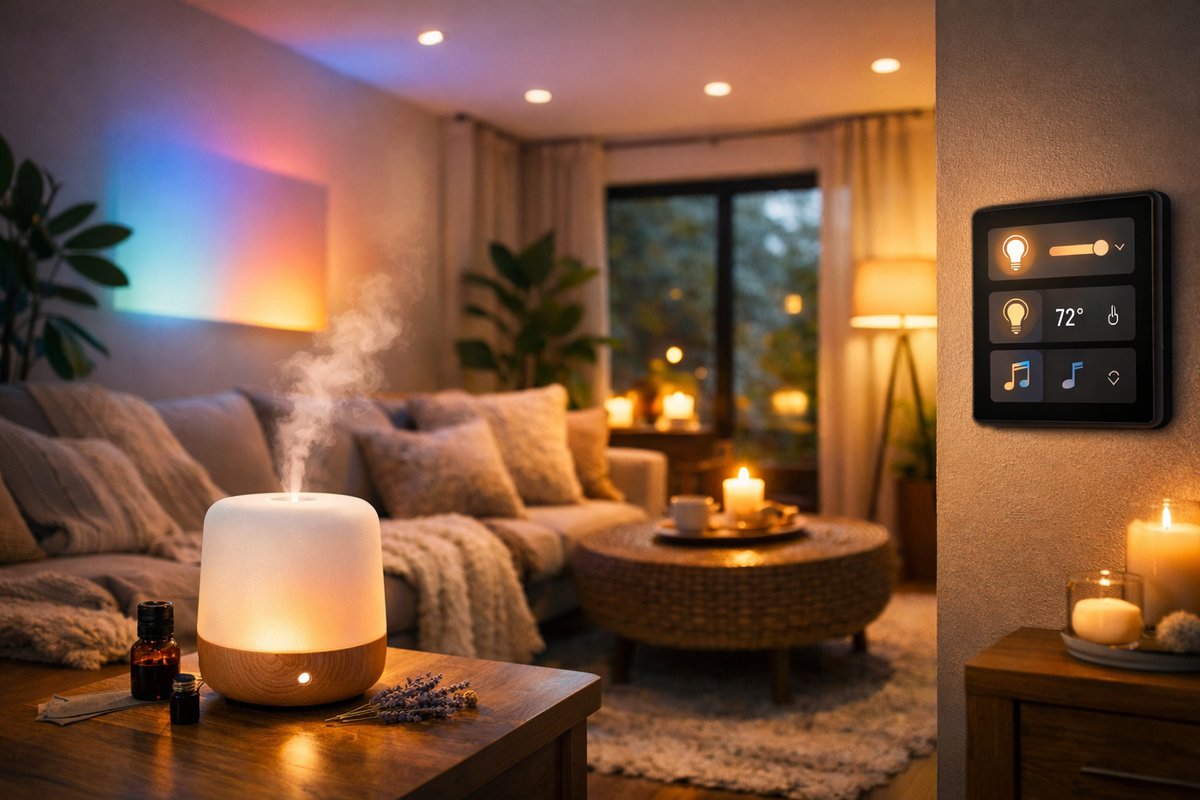
Modern homeowners are blending privacy-first smart systems with tactile comforts, turning homes into responsive sanctuaries. Discover how mood-adaptive lighting, sustainable textiles, and sensory diffusers can elevate daily routines into moments of mindful living.
In an age where technology often feels intrusive, a growing movement is reclaiming the home as a personal haven. Rather than layering on gadgets for the sake of novelty, intentional living spaces focus on tools and touches that enrich our emotions, respect our privacy, and honor the planet. From discreet ambient lighting that aligns with circadian rhythms to handcrafted rugs made of natural fibers, every element is chosen to nurture well-being.
At the heart of this approach lies a simple principle: connect with your space on multiple sensory levels. Imagine walking through a hallway bathed in soft, warm glows that gradually shift as evening falls; entering a living room where a gentle hum of white noise or nature sounds lulls you into relaxation; and feeling the plush depth of a sustainably woven floor cushion beneath your feet. These experiences are no longer limited to high-end showhomes. Advances in open-source automation platforms and privacy-focused hubs make them accessible to curious learners and first-time DIYers.
Take mood-adaptive lighting, for example. Traditional smart bulbs offer preset scenes, but the newest systems leverage basic biometric sensors or time-of-day cues to adjust color temperature and brightness automatically. In the morning, cooler tones promote alertness; midday transitions maintain focus; and as dusk approaches, bulbs dim into amber hues that support melatonin production. This subtle synchronization with our natural cycles has been shown to improve sleep quality and daytime energy levels, according to recent studies in behavioral neuroscience.
Yet light alone does not a sanctuary make. Scents and sounds play equally powerful roles. Ultrasonic diffusers, once bulky and utilitarian, are now sleek tabletop objects with ambient LED indicators. Paired with phthalate-free essential oil blends-think lavender for evening wind-down or eucalyptus for a refreshing morning boost-they turn any corner into a mindful retreat. Meanwhile, compact sound modules that stream nature sound libraries or spoken-word meditations can be hidden inside planter pots or bookshelves, creating immersive audio zones without a single visible wire.
Sustainability sits at the core of intentional home design. Mass-produced plastics and synthetic carpets are giving way to materials like recycled cork, repurposed hardwood, and plant-dyed wool. A modular open shelving system made from responsibly harvested timber not only showcases prized items but also invites reconfiguration as tastes evolve. Layering a hand-loomed jute area rug adds texture underfoot while supporting agricultural communities and reducing carbon footprints. Even throw blankets are being woven from recycled cotton yarns-proof that cozy doesn’t have to conflict with conscience.
The living room of tomorrow is also more emotionally intelligent than it seems. Smart climate controls, once limited to programmable thermostats, now integrate humidity and air-quality sensors. These systems nudge you when it’s time to ventilate, remind you to water indoor plants, or suggest a brief stretch break when air becomes too stale. Several open-source firmware projects have emerged, giving privacy-minded homeowners full control over their data and device interactions. You decide whether your personal patterns stay local or stream securely to the cloud.
Furniture and decor are joining the multisensory trend too. Take seating that responds to posture and weight distribution, adapting firmness in real time to relieve tension during long work-from-home sessions. Or consider a set of modular floor cushions that can be stacked, arranged into a sofa, or separated for meditation sessions. Each piece is crafted from breathable, hypoallergenic fabrics treated with natural anti-microbial agents, reducing reliance on harsh chemical cleaners.
Of course, not every upgrade requires code-flashing or custom wiring. Simple additions often yield the biggest emotional payoffs. A collection of scented soy candles, poured by local artisans, instantly transforms kitchen counters into fragrant focal points. A battery-powered ambient projector casts abstract patterns onto ceilings, offering a meditative escape during a mid-day break. Even an analog whiteboard or pegboard mounted near the front door can prompt moments of gratitude-daily affirmations or notes of kindness that ground a household in shared intention.
For families juggling multiple schedules, intentional tech can streamline communication without constant notifications. Wall-mounted e-ink displays show only the essentials: meal menus, chore assignments, and a shared photo reel. These low-power screens refresh only when content changes, minimizing eye fatigue and digital clutter. Paired with magnetic trays for keys and wallets, they become command centers that balance function with minimalist design.
A recent case study from a mid-town residence in a coastal city illustrates how these elements converge. The homeowners replaced a row of generic downlights with recessed adjustable fixtures equipped with tunable-white LED modules. A small, DIY motion sensor in the hallway triggered a two-minute sequence of soft illumination, followed by a gentle fade-out when passage ceased. In the master bedroom, an ultrasonic diffuser sat atop a reclaimed wood nightstand-its ceramic shell punctuated by tiny air vents that doubled as decorative perforations. An array of floor cushions formed a cozy reading nook in the corner, complemented by a low-power e-ink side table displaying a rotating art series from a local collective.
Key to their success was a spirit of experimentation. They started small-replacing one bulb, testing one scent blend-then charted daily mood and comfort levels in a shared journal. Over time, they learned which combinations fostered calm before bedtime, which scents boosted motivation on slow mornings, and how texture underfoot affected their sense of groundedness.
For those eager to dive in, start by auditing your current environment. Note pain points and sensory gaps. Is a hallway too dim? Does your workspace feel sterile? Do you crave warmth but fear dust-ridden fabrics? From the answers, assemble a shortlist: a tuneable table lamp, a compact diffuser with refillable bottles, a secondhand wool rug-whatever resonates most.
Next, explore open-source automation platforms that respect data privacy. Many communities now provide plug-and-play integrations for lighting, climate, and audio. If coding feels daunting, preconfigured USB sticks loaded with user-friendly interfaces are available. Pair these with smart plugs or local-control smart switches to avoid wholesale rewiring.
Finally, cultivate a ritual of seasonal refresh. In spring, rotate in lighter throws and energizing citrus sprays. Summer calls for linen-blend cushion covers and guided nature soundscapes. As autumn approaches, swap diffusers’ contents to warming notes of cinnamon and clove, add flickering candlelight accents, and drape wool blankets for extra comfort. Winter might invite cozy nooks with reading lamps and hot tea stations within arm’s reach.
Intentional living spaces are not about accruing the latest gadgets or chasing a designer aesthetic. They emerge from deliberate choices-about what we bring in, how technology serves us, and how materials connect us with our senses. By weaving together smart systems, sensory enhancers, and sustainable pieces, every room can evolve into a thoughtful refuge. The promise is simple yet profound: a home that listens, soothes, and adapts to the rhythms of its inhabitants, fostering balance and delight in everyday life.