Location
Mount Vernon, WA 98274

Location
Mount Vernon, WA 98274
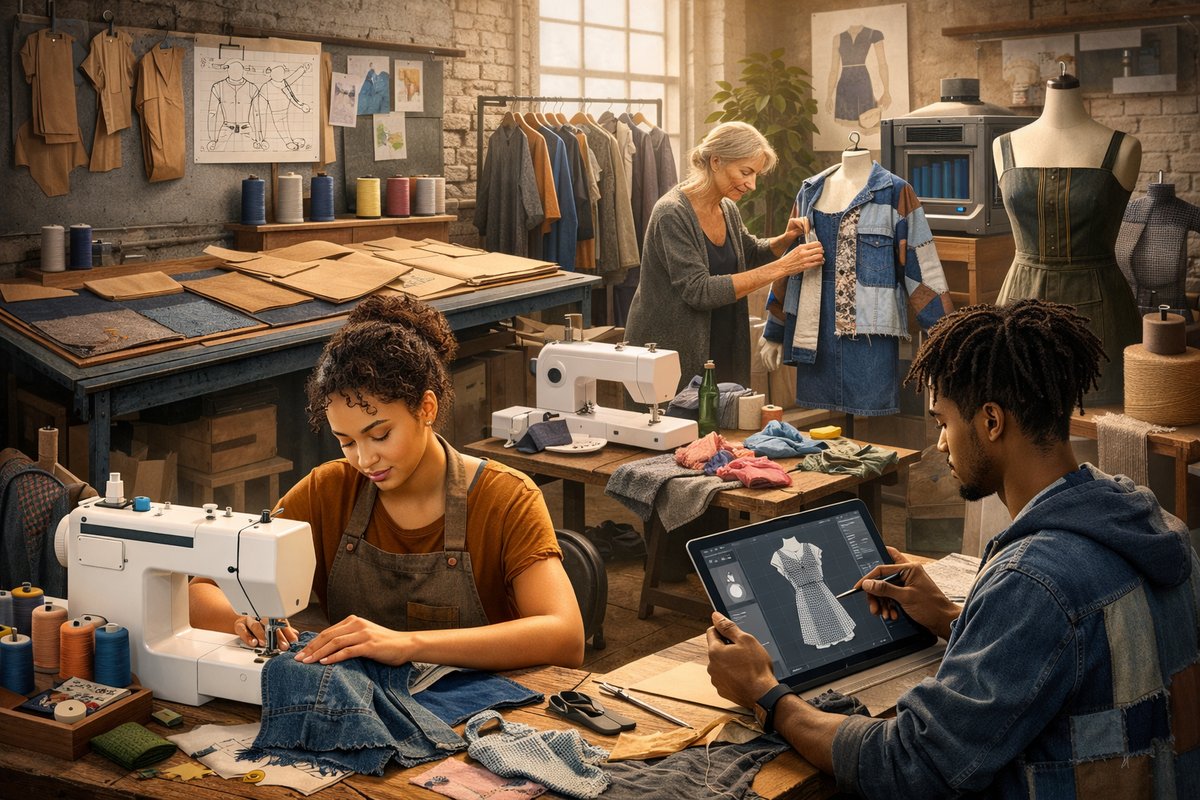
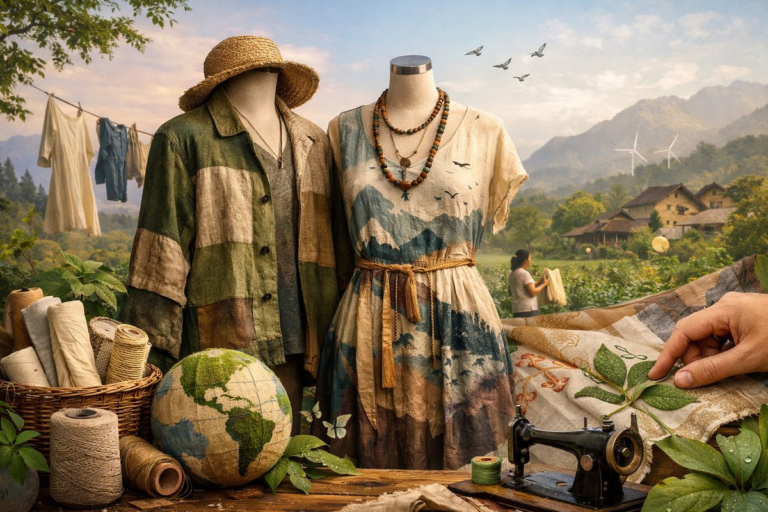
An emerging wave of makers, tech innovators, and neighborhood ateliers is reshaping how we think about our wardrobes. By blending zero-waste design, digital patterning, and hands-on upcycling workshops, a new generation of consumers is reclaiming style with purpose-one custom stitch at a time.
In basements, co-working spaces and pop-up studios around the world, a quiet revolution is unfolding. It’s not fueled by fast-fashion drops or seasonal trends, but by curious communities seeking to redefine what clothing can mean. From digitally rendered patterns that eliminate waste to repair cafes where tattered tees are revived with colorful patches, these grassroots efforts are weaving sustainable practices into everyday style.
At the heart of this movement lies a simple insight: clothing isn’t just fabric, it’s a story. Each seam, each stitch, can carry memory, intention and environmental conscience. In a small design studio in a former factory loft, aspiring makers experiment with open-source pattern-making software that adapts to individual body scans. By feeding precise measurements into algorithmic templates, they generate bespoke patterns in minutes-no trial-and-error fittings or excess fabric required. Those patterns are then cut on demand, eliminating scraps that would otherwise be discarded.
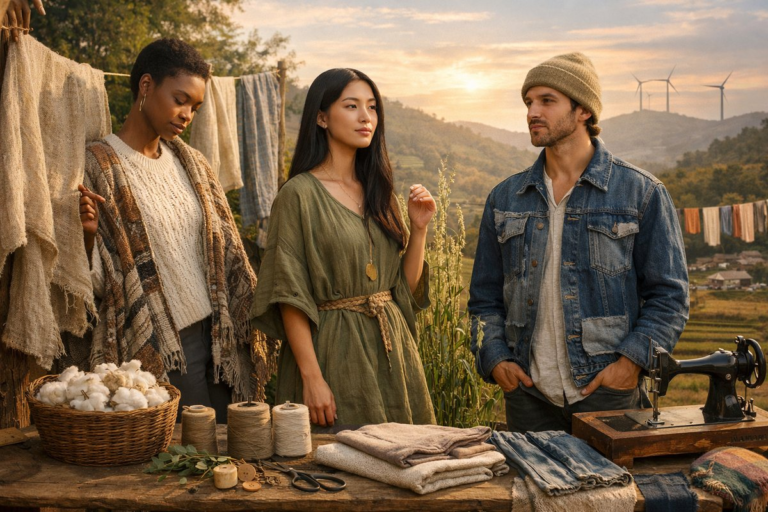
Across town, an urban dye house is experimenting with plant-based pigments. Local foragers gather fallen leaves, fruit peels and discarded coffee grounds, converting them into vibrant, non-toxic dyes. Workshop participants learn the chemistry behind natural mordants and color fastness, discovering how to create deep indigos from walnut husks or earthy siennas from avocado pits. The once-mysterious process of dyeing becomes a communal ritual, one that reconnects participants with cycles of growth and decay in the natural world.
Meanwhile, digital tailoring tools are filtering into home sewing rooms. A downloadable 3D-scanning app transforms a smartphone into a body-mapping device. After capturing a dozen quick photos, the app generates an accurate mesh model that can be imported into pattern-editing software. For novices who once feared the sewing machine, this means custom-fit garments without the intimidation of complex measurements. It also opens doors for tiny labels and makers who want to offer on-demand production without holding large inventories.
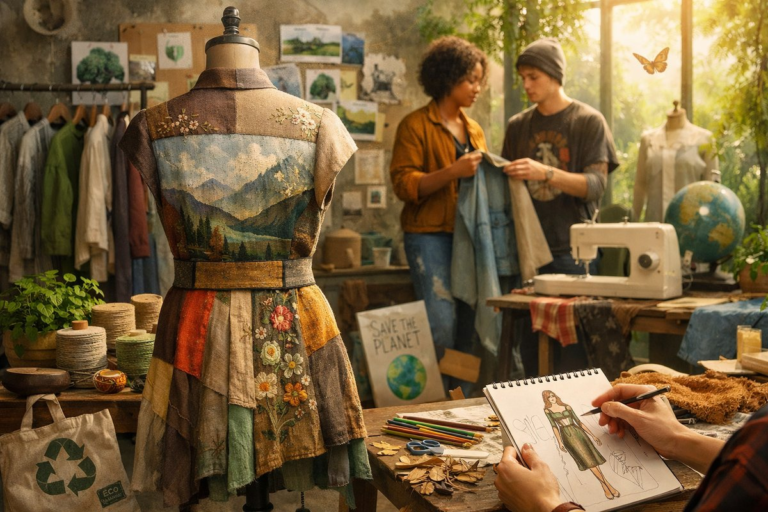
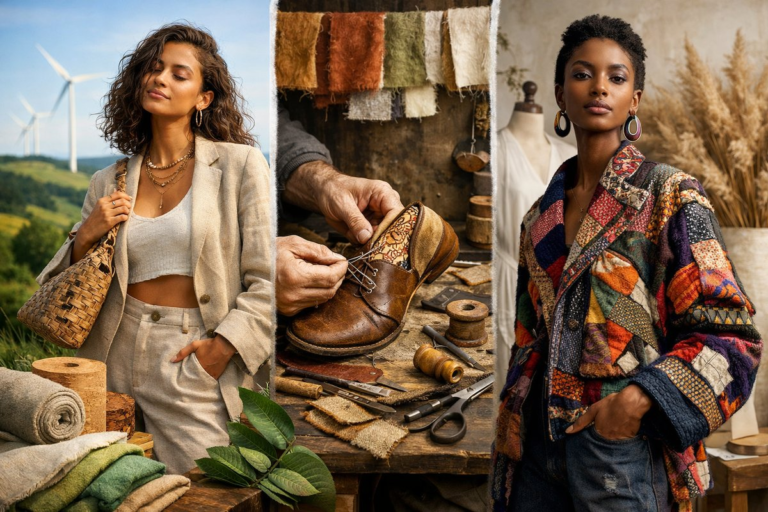
Community repair cafes have sprung up to challenge the throwaway mentality ingrained by decades of low-cost mass production. Every weekend, folks gather at libraries, cafes or backyard sheds with boxes of torn jeans, worn-out sweatshirts and vintage finds. Experienced volunteers guide newcomers through techniques like darning, invisible mending and creative patchwork. When a sleeve is too short, it’s extended with an artful fabric insert; when a pocket tears, it’s reinforced with contrast stitching. Each repaired piece becomes a hybrid of its original form and the story of its revival.
Some makers are pushing the envelope further by integrating digital fabrication into the mix. Laser cutters carve precise cut lines for appliqués and pocket details, while desktop embroidery machines add logos, names or intricate motifs on demand. At these cross-disciplinary labs, fashion merges with tech, and the resulting garments feel part artisan, part prototype. There’s a playful ethos in these spaces: prototypes hang next to finished pieces, sketches cover the walls and tools sit within arm’s reach of coffee and conversation.
Fashion rental services have also begun to embrace this ethos of customization. Instead of offering only standardized sizes, some platforms now integrate at-home sizing kits or partner with local ateliers to capture body scans. When an item is returned, it’s inspected, refreshed and sometimes reimagined by a local maker before heading back into circulation. This hybrid model not only extends the life cycle of each garment but also fosters local creative economies.
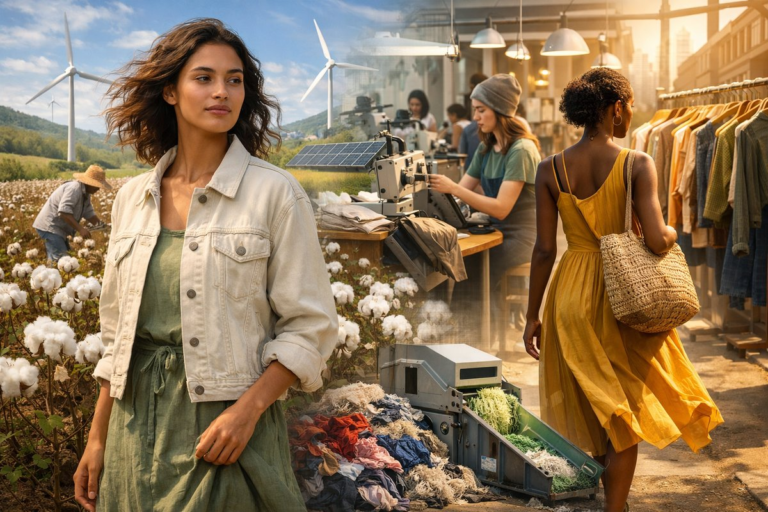
Major industry players are taking note. While they continue releasing seasonal collections, some have quietly invested in digital pattern-making startups or opened micro-factories in city centers. The goal is to shorten supply chains and build garment-to-order fulfillment hubs that respond to real-time demand. By shifting production closer to end consumers, they can reduce shipping emissions and react to fit feedback in days instead of months.
But the real engine driving this shift remains the individual maker. The internet has unlocked a wealth of tutorials, pattern libraries and community forums. Newcomers can learn how to convert a basic t-shirt pattern into a wrap top or how to draft pants that taper seamlessly at the ankle. As skills accumulate, so does confidence-and with it, a greater willingness to experiment with bold silhouettes, unexpected fabric pairings and avant-garde color palettes.
One digital pattern community recently reported that its most downloaded template was for a unisex chore coat. Contributors have remixed that design into everything from sleek blazer-style jackets to utility vests with extra pockets for mobile devices. The open-source approach means that each iteration carries the fingerprints of dozens of makers, giving rise to a fluid, collaborative design culture.
Emotional resonance plays a key role in this resurgence of self-directed fashion. When you know your garment was cut from sustainably sourced linen, dyed with local plant matter and stitched by your own hands or a neighbor’s, it takes on a new significance. It becomes a talisman, a conversation starter and a physical expression of values.
Retail spaces are adapting too. Pop-up ateliers in open markets invite visitors to co-design a garment on the spot-choosing fabrics, trims and custom measurements with the help of digital kiosks. A bespoke hoodie can go from concept to finished piece in under 48 hours, tracked digitally so customers can see every step of the process. By making production transparent, these micro-shops are tackling both waste and mistrust in supply chains.
Looking ahead, the convergence of virtual and physical fashion promises even more opportunities for personalization. Virtual wardrobe apps let users try on garments in augmented reality, mixing and matching pieces before making a real-world purchase. Some innovators are exploring digital-only clothing-NFT-like assets that exist only on screens but can be worn by avatars in games and social media. While these trends may sound niche, they point to a future where style becomes a layered experience, spanning digital identities and tangible objects.
The resurgence of handcraft is equally significant. In city-center craft schools, night classes on pattern drafting and tailoring fill up months in advance. Students learn how to adjust ease for different body types, sew bound seams for durability and finish collars with professional precision. This old- world skill set is being reframed as a critical tool for circular economies: the more we can repair, remake and upcycle, the less we depend on extractive, polluting production.
Perhaps the most remarkable aspect of this movement is its inclusivity. Online communities welcome makers of every background and budget. Tutorials often feature models of all shapes, sizes and abilities, and many pattern libraries come with grading instructions so designs can be scaled up or down. Color isn’t limited to corporate palettes; dyers mix shades inspired by urban graffiti, desert sunsets and ocean ripples.
No single technology or trend will save the planet, but this blended approach of digital tools, community engagement and age-old craftsmanship offers a promising path forward. As more individuals reclaim agency over their wardrobes, the pressure on mass production and wasteful practices will mount. What began as side projects and weekend workshops is steadily seeping into mainstream consciousness, proving that style and sustainability can be woven together at every step-from first sketch to final stitch.
In a world where trends used to vanish with each season, this new fashion renaissance is building something that lasts. It’s a movement powered by curiosity, fueled by collaboration, and tailored to reflect the stories we want to tell through what we wear. And perhaps most importantly, it reminds us that clothing can be both deeply personal and profoundly communal, a canvas for creativity and a vessel for shared values.