Location
Mount Vernon, WA 98274

Location
Mount Vernon, WA 98274
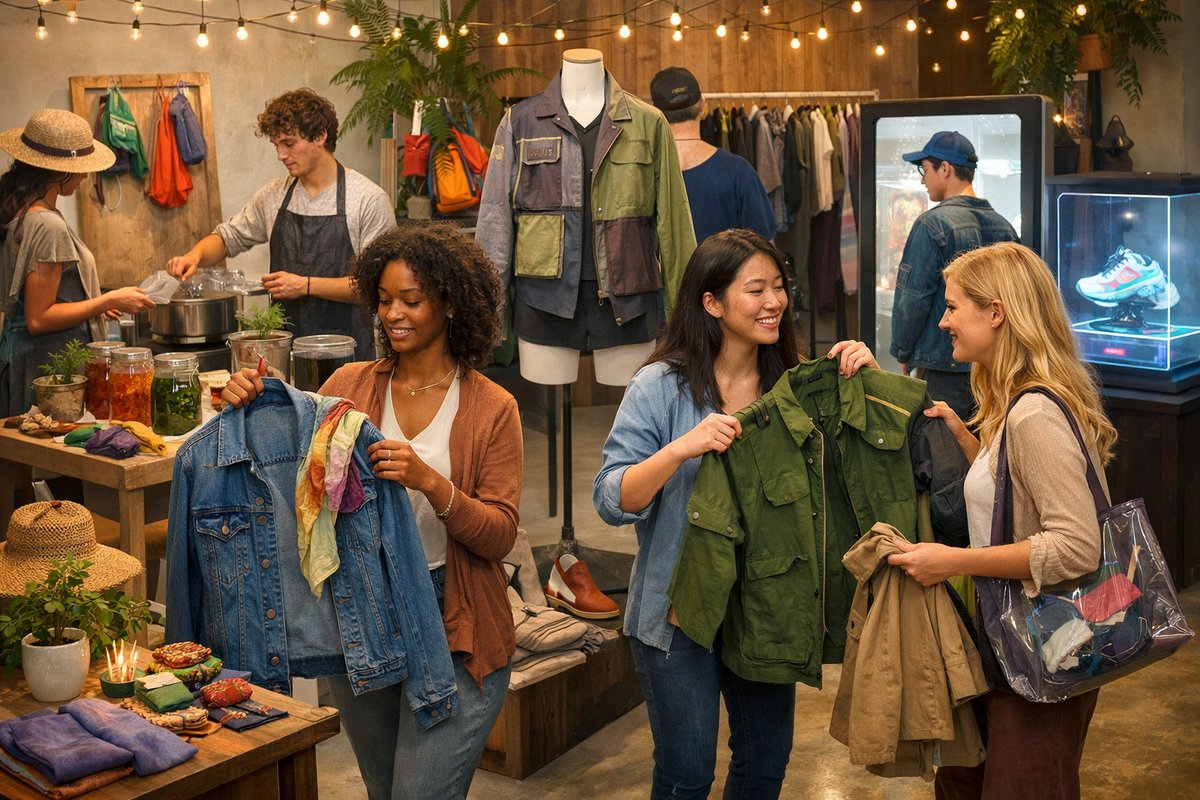
A new wave of community-driven fashion pop-ups is turning closets into storytelling platforms, uniting eco-friendly materials, bold accessories and digital technology. From plant-based dye demonstrations to modular clothing swaps, this grassroots trend is reshaping how we dress, connect and express our values.
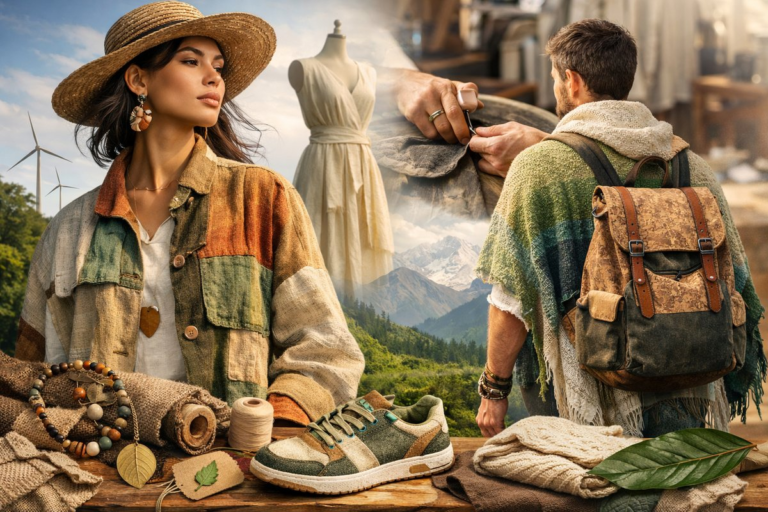
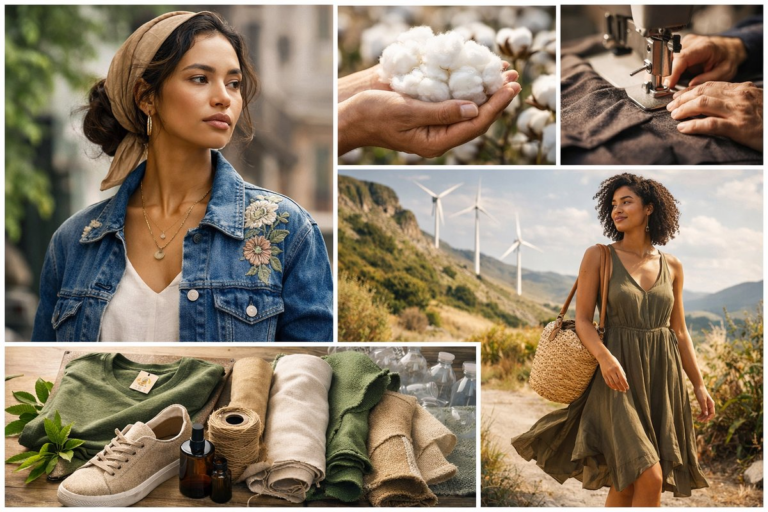
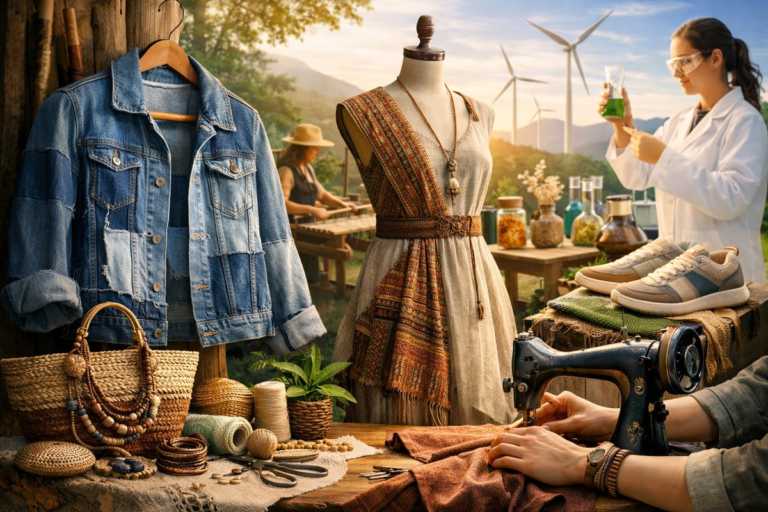
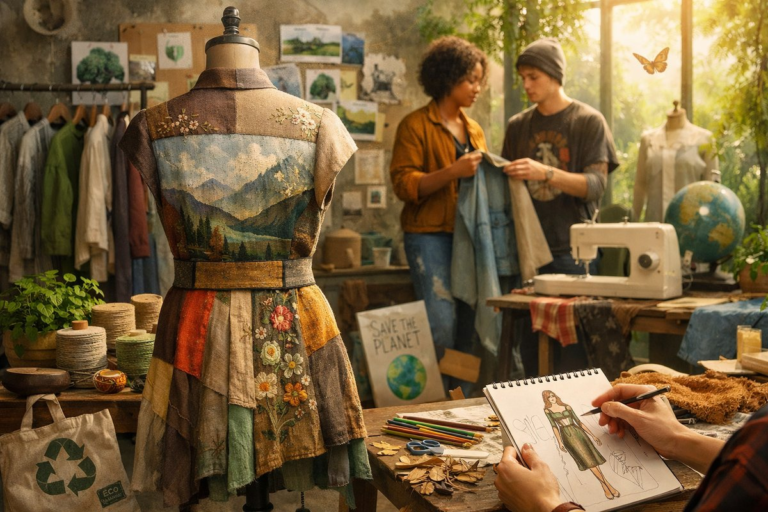
An unassuming warehouse in the city’s arts district recently transformed into a vibrant stage for a new breed of style-makers-designers, makers and curious shoppers forging a path where every garment carries a narrative about people, planet and purpose. Over three days, the Green Stitch Market welcomed more than 3,500 attendees to explore racks of upcycled denim jackets, interactive plant-dye booths and bold statement accessories crafted from recycled metal, glass and natural fibers. This gathering wasn’t just another weekend craft fair; it embodied a movement that’s rewriting the playbook for what fashion can mean in an age of climate urgency and social consciousness.
Among the dozen micro-boutiques lining the warehouse floor, one stall drew visitors with its living installation: a wall of hanging swatches dyed with turmeric, red cabbage and indigo leaves. Each color swatch bore a small QR code that led to short video stories: an urban farmer cultivating indigo in rooftop planters, an artisan extracting pigment from onion skins rescued from local restaurants, a volunteer collective turning municipal food scraps into vibrant fabrics. Shoppers could feel the texture of a blouse, scan the code on its label and instantly connect with the hands and soil behind it. This fusion of tactile exploration and digital storytelling epitomized the ethos driving the event: make every purchase a conscious conversation.
Behind a table piled with folded trousers made from recycled polyester, a young designer shared her journey from fast-fashion consumer to circular-economy advocate. She spoke of visiting landfills on field trips, shocked by mountains of discarded tee shirts, and vowed to find an alternative. Today, she sources post-consumer plastic bottles, processes them into yarn and weaves them into soft, breathable fabrics that hold their shape wash after wash. But the real magic, she explained, comes when those trousers return to circulation at local swap-and-repair stations. “It’s not about telling customers what to wear,” she said, “it’s about inviting them into a cycle where each garment can have a dozen lives.” Attendees eagerly signed up for her upcoming repair workshop, eager to extend the lifespan of their own wardrobes.
Across the aisle, an accessory collective showcased chunky necklaces and earrings forged from upcycled glass beads and reclaimed metal hardware. One piece-a statement choker looping around the neck like a coil-was constructed from spare bicycle spokes and scrap beads originally tethered to broken lanterns. Its creator described a personal quest to rescue forgotten objects and transform them into wearable art. Wearing such accessories, she noted, becomes an act of celebration for materials that might otherwise be lost to landfills and rusted away.
Another corner of the pop-up catered to the tech-curious: a compact label-printing station allowed visitors to design custom tags for their new finds. Shoppers selected paper made from stone dust, typed in a personal message-“Remade with care in my kitchen garden”-and printed weather-resistant QR labels on the spot. These labels could be affixed to their purchases or to existing wardrobe pieces, turning every item into a living archive of repair dates, dye recipes and even carbon-saved metrics. In a world where tagging apps often focus on likes and shares, this feature channeled digital power toward transparency and legacy.
Community impact rippled beyond the pop-up walls. A dozen shipping crates placed at nearby transit hubs served as drop-off points for unwanted garments. Volunteers sorted, laundered and repaired donated items, then published them on a local wardrobe library app for rent or swap. During the weekend event, 1,800 pieces cycled through this network-some heading to new homes, others slated for disassembly and fiber reclamation. Organizers estimate that nearly 10,000 liters of water were spared by diverting these clothes from landfill incinerators, and the carbon emissions saved correspond to charging 15,000 smartphones. These figures transformed abstract sustainability goals into tangible wins that visitors could celebrate.
For those eager to join without waiting for the next pop-up, sophisticated yet accessible DIY opportunities awaited at a long folding table strewn with dye jars, wooden spoons and rubber gloves. Seasoned facilitators guided beginners through mixing plant-based powders with vinegar and salt to fix the color. They demonstrated how to shibori-fold an old scarf to create radial indigo patterns, or how to layer turmeric and onion-skin dyes for rich sunset hues. By the end of each session, participants walked away with one-of-a-kind wearable canvases and the know-how to replicate the process at home-no synthetic chemicals required.
Even laundry care got a makeover at the event. A sleek dispenser stationed near the exit offered single-dose laundry sheets derived from plant oils, free of phosphates and microplastics. Shoppers could test one sheet in their rented machine rather than loading plastic jugs into their cars. Many paused to marvel at the simple efficiency: a strand of ultra-thin film dissolving in water, delivering cleansing power without the waste baggage. This small moment underlined how everyday routines-washing, storing, tagging-can all be reimagined through a values-driven lens.
As the sun dipped below the skyline, the warehouse hummed with live acoustic sets, local kombucha on tap and the final rumor of a reverse fashion show. Models strutted in borrowed garments that attendees had mended, dyed or reassembled over the course of the weekend, blurring lines between creator and consumer. The applause wasn’t just for the outfits; it was for the collective spirit of people reclaiming agency over what they wear. In a single weekend, clothes stopped being static commodities and became living stories, woven by a community united around Earth-first ideals.
This wave of experiential, ethics-driven events signals a shift in how fashion news is written and consumed. Headlines no longer focus solely on seasonal color forecasts or celebrity endorsements; instead, they chronicle how local makers are building circular economies, how technology can bridge transparency gaps, and how every individual can play a part in redefining wardrobe life cycles. As more cities host similar gatherings-often pop-ups in repurposed spaces, public parks or digital live-streams-the story grows richer, uniting movement-makers and style-seekers across regions.
For anyone looking to dive in, the call is clear: host a mini swap in your neighborhood, learn a basic slit-and-stitch repair, experiment with leftover kitchen dyes or join a digital label-printing circle. Your next outfit can be more than a fashion statement-it can be an act of stewardship, a bridge between artisans and avatars, a testament to endurance and renewal. When wardrobes become platforms for values, every hanger tells a story, every fiber holds a memory, and every choice matters.
As the Green Stitch Market doors closed on its first edition, organizers announced plans to tour smaller communities, reimagine the concept for rural towns and launch an online hub where makers, menders and mindful consumers can connect year-round. The trajectory is clear: fashion is no longer just about what we wear, but about how we share, repair and pass along the meaning woven into every seam. In a world hungry for authentic connections and sustainable alternatives, these pop-ups are more than commerce-they’re living laboratories crafting the next chapter of style with heart, hope and unbridled creativity.